4 Best Battery-Powered Water Transfer Pumps
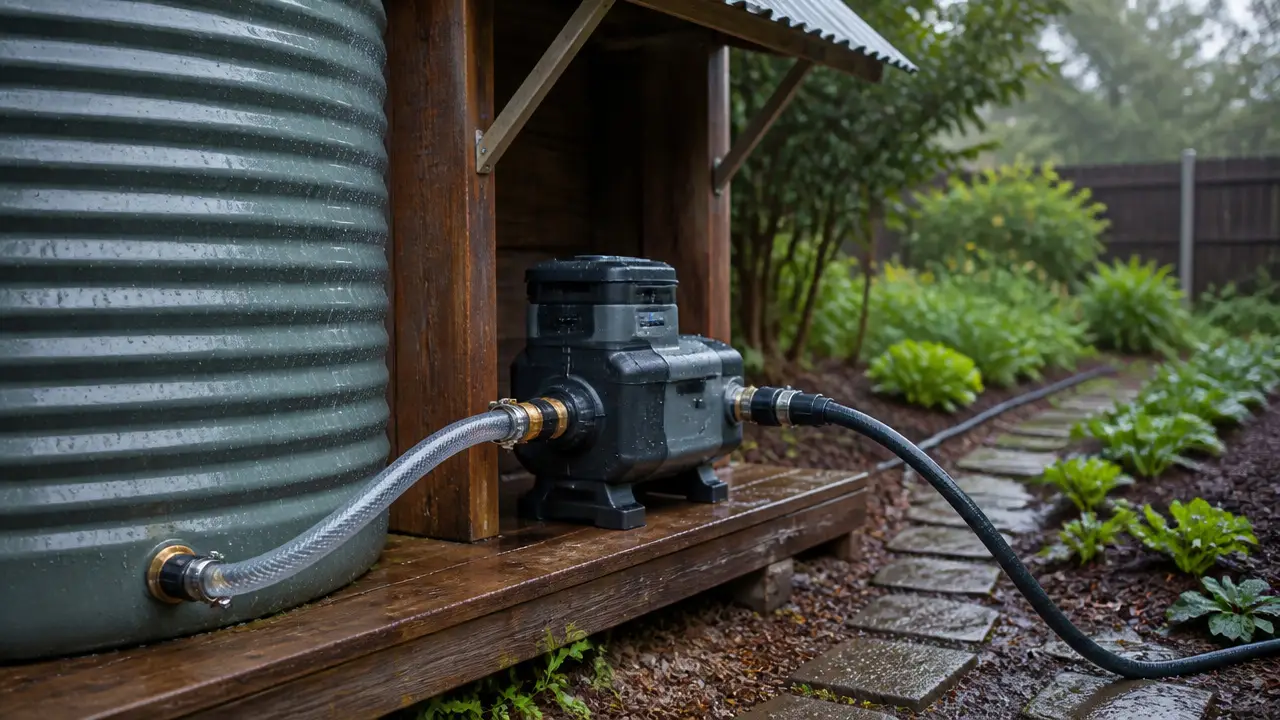
Compare battery-powered water transfer pumps by flow, lift, battery platform, hose connection, and debris handling for portable rainwater transfer without cords.

Pump selection, water transfer, pressure, and pump controls.
Compare battery-powered water transfer pumps by flow, lift, battery platform, hose connection, and debris handling for portable rainwater transfer without cords.
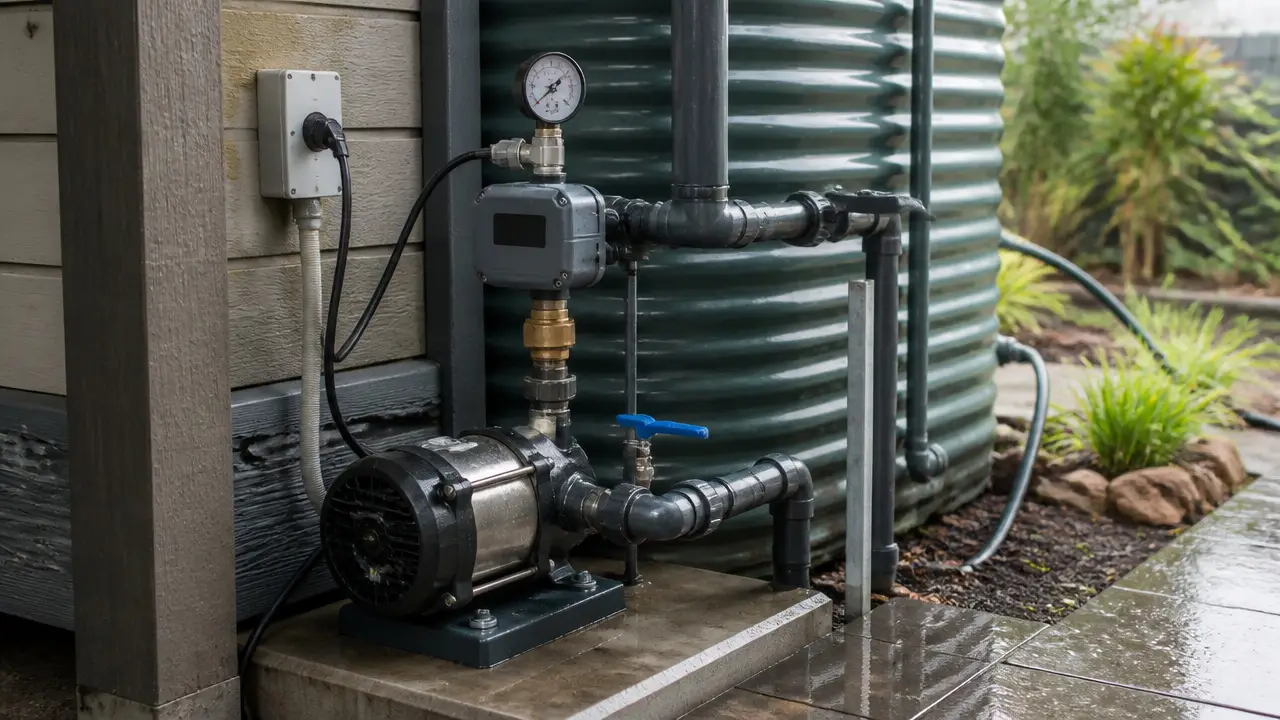
Compare automatic pump controllers by pressure control, dry-run protection, pipe fit, display features, and installation needs for a reliable rainwater pump setup.
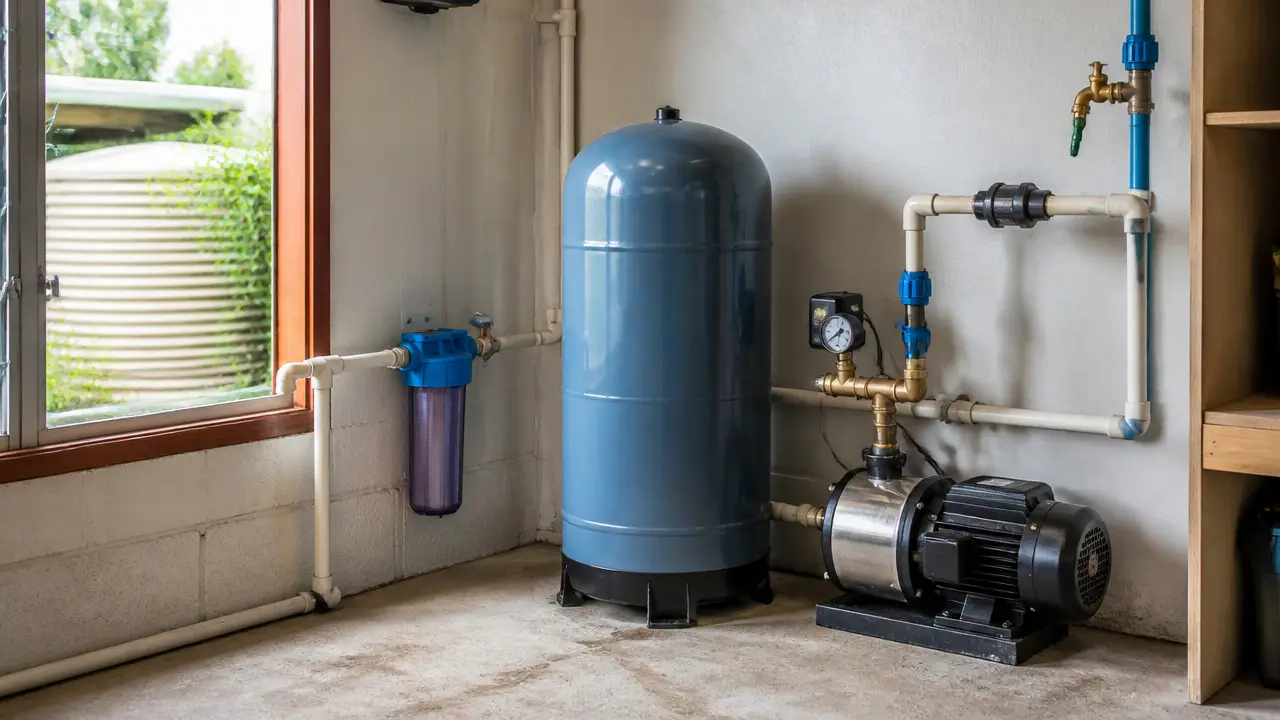
Compare pressure tanks by diaphragm design, precharge needs, footprint, pump-cycling control, and installation fit for a smoother rainwater pressure system.
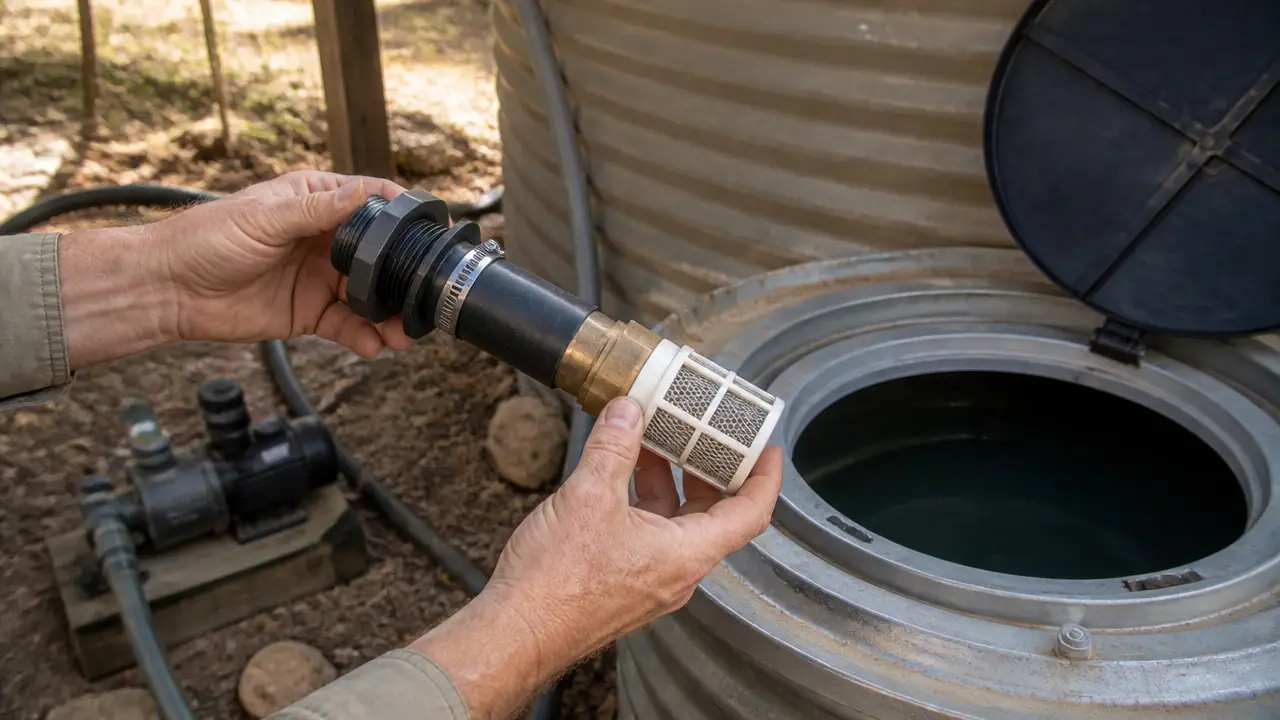
Compare foot valves by suction-line size, NPT fit, spring action, inlet screening, priming performance, and maintenance needs for rainwater pump systems.
Reset a pump pressure switch only after correcting low water, lost prime, power, or pressure faults. Follow the manual and verify cut-in and cut-out.
Seventy PSI is high but often below residential limits. Confirm local rules and fixture ratings, measure static and flowing pressure, and control pressure creep.
A bad pressure switch may fail to start or stop the pump, chatter, arc, or operate at wrong pressures. Check power, gauge, tank charge, tubing, and contacts safely.
For a pump pressure tank, drain water and set air below the switch cut-in as specified. Ordinary vented storage tanks need no pressure setting.
A 30/50 switch eases pump demands; 40/60 gives stronger pressure when supported. Compare fixtures, elevation, tank precharge, and system ratings.
A 20-gallon pressure tank may suit some homes, but nominal volume is not drawdown. Size it from pump flow, runtime, switch range, demand, and space.