5 Best Irrigation Filters for Rainwater Systems
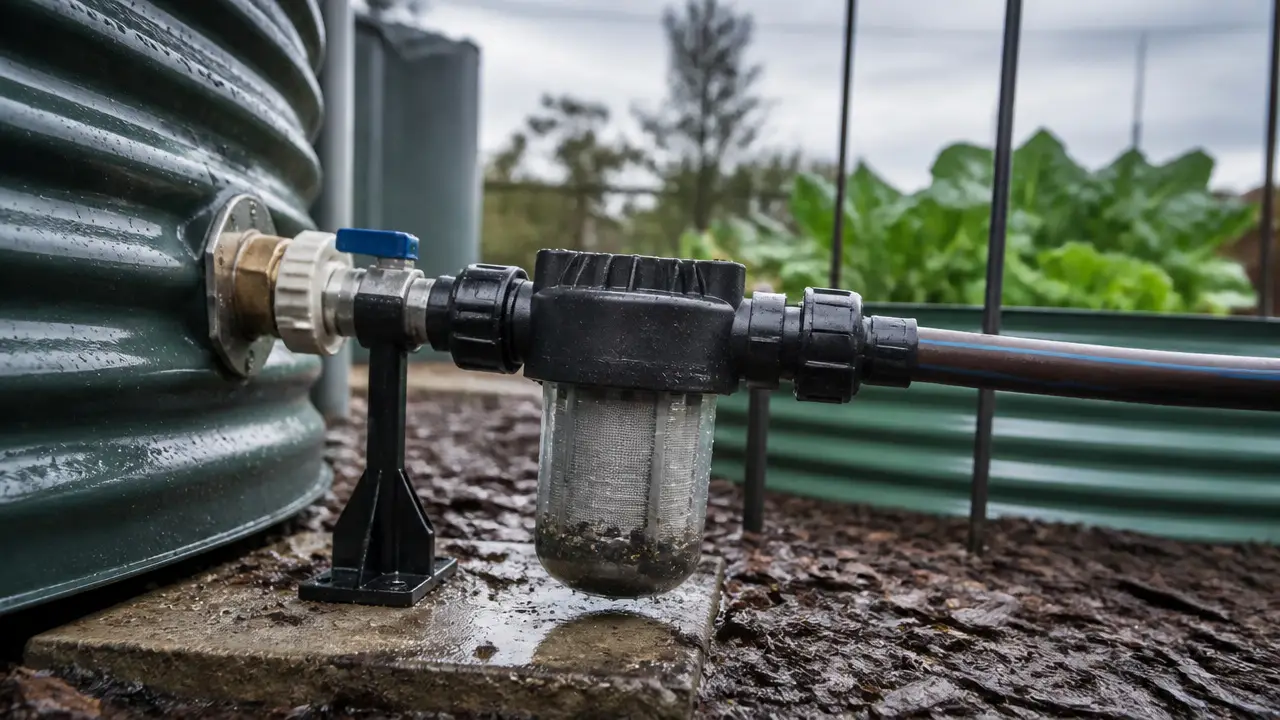
Compare rainwater irrigation filters by mesh, thread type, line size, pressure-regulator integration, cleaning access, and drip-system fit.

Garden watering and irrigation supplied by stored rainwater.
Compare rainwater irrigation filters by mesh, thread type, line size, pressure-regulator integration, cleaning access, and drip-system fit.

Compare rain-barrel hose timers by zero-pressure valve design, schedules, rain delay, hose fit, batteries, and leak history for automatic low-pressure watering.

Compare gravity-fed drip kits by low-pressure design, emitter control, reservoir connection, coverage, and tubing so you can irrigate without a pump.
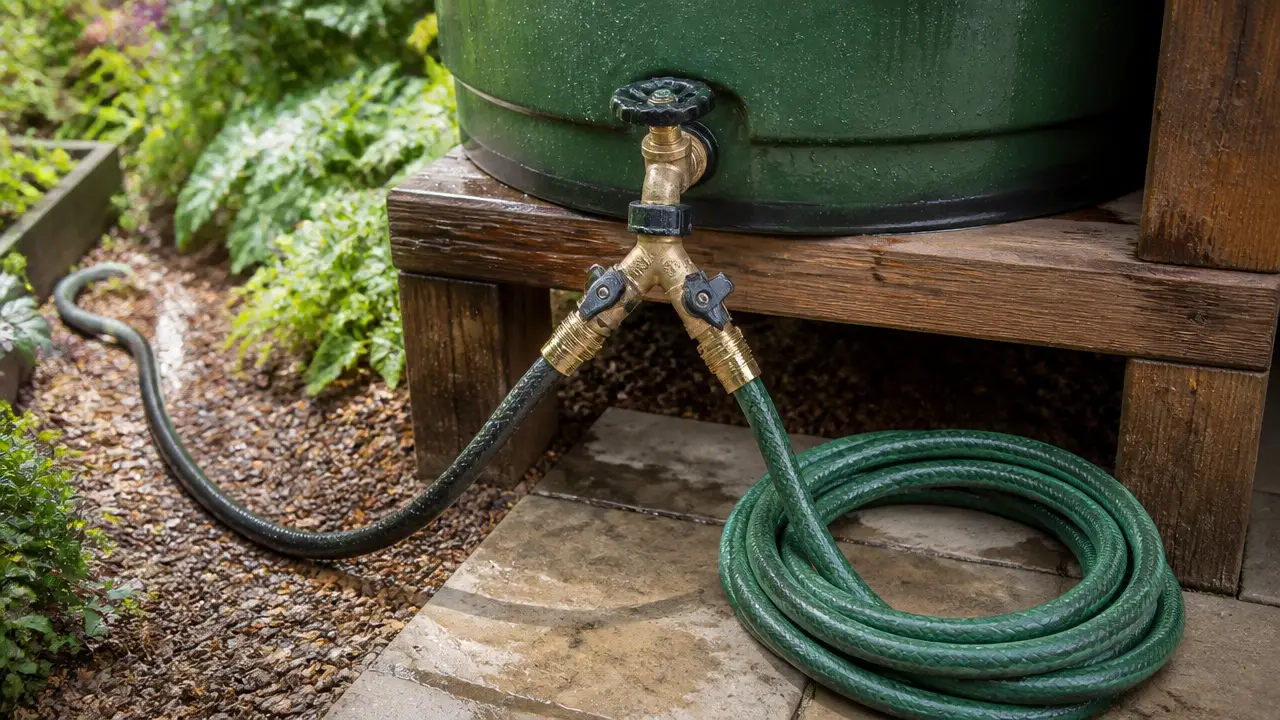
Compare rain-barrel hose splitters by GHT thread fit, outlet count, valve control, materials, leak history, and low-pressure garden use.
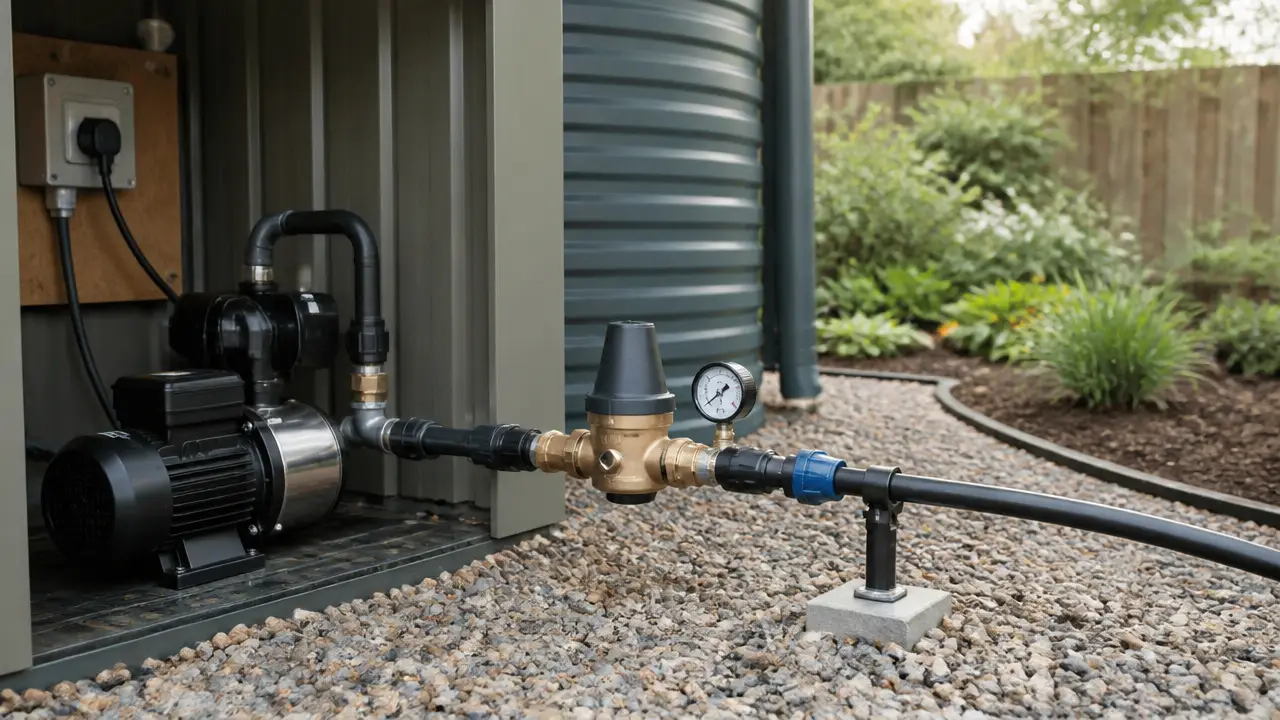
Compare drip-irrigation pressure regulators by preset PSI, hose or pipe threads, flow, filter integration, and fit for pumped versus gravity-fed rainwater.

Compare rain-barrel drip kits by low-pressure emitters, coverage, tubing, adapters, filtering, and setup needs so you can water beds without a pump.
Water a garden from a rain barrel by matching stored volume, elevation or pump pressure, filtration, tubing, zones, emitters, timing, and plant demand.
A pressure washer may run from gravity-fed water only if inlet flow and pressure meet its requirements. Learn why elevation, hose size, and buffer tanks matter.
Culligan gravity water filters should be judged by the specific model's certified reductions, capacity, flow, replacement availability, upkeep, and source-water fit.
Gravity-fed irrigation pressure comes from vertical water height, with about 0.43 psi per foot before losses. Learn how pipes, filters, and flow reduce delivery.