5 Best Irrigation Filters for Rainwater Systems
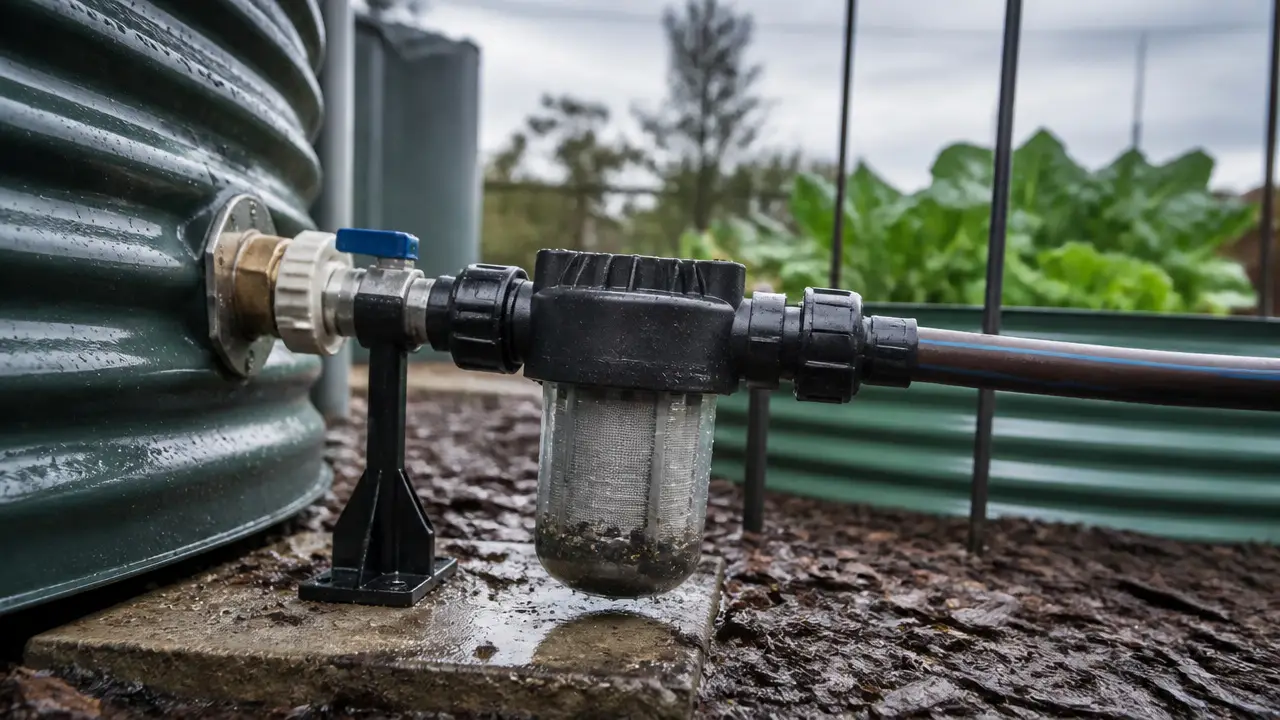
Compare rainwater irrigation filters by mesh, thread type, line size, pressure-regulator integration, cleaning access, and drip-system fit.

Gravity-fed drip systems, garden use, and irrigation water quality.
Compare rainwater irrigation filters by mesh, thread type, line size, pressure-regulator integration, cleaning access, and drip-system fit.

Compare gravity-fed drip kits by low-pressure design, emitter control, reservoir connection, coverage, and tubing so you can irrigate without a pump.

Compare rain-barrel drip kits by low-pressure emitters, coverage, tubing, adapters, filtering, and setup needs so you can water beds without a pump.
Water a garden from a rain barrel by matching stored volume, elevation or pump pressure, filtration, tubing, zones, emitters, timing, and plant demand.
A pressure washer may run from gravity-fed water only if inlet flow and pressure meet its requirements. Learn why elevation, hose size, and buffer tanks matter.
Culligan gravity water filters should be judged by the specific model's certified reductions, capacity, flow, replacement availability, upkeep, and source-water fit.
Gravity-fed irrigation pressure comes from vertical water height, with about 0.43 psi per foot before losses. Learn how pipes, filters, and flow reduce delivery.
A rain barrel can supply some low-flow sprinklers, but most need more pressure than gravity provides. Learn how elevation, storage, flow, and pumps affect use.
A 5-gallon bucket can supply a small gravity drip system when elevated securely and paired with clean water, low-pressure emitters, and short tubing.
Build DIY gravity drip irrigation with elevated storage, clean water, low-pressure tubing and emitters, short zones, controlled flow, and safe overflow.