How to Choose the Right Pressure Switch?
Match a pressure switch to pump voltage and load, cut-in and cut-out settings, tank precharge, port size, system pressure ratings, and required differential.

Pressure tanks, regulators, switches, valves, and controllers.
Match a pressure switch to pump voltage and load, cut-in and cut-out settings, tank precharge, port size, system pressure ratings, and required differential.
Choose a pressure regulator by inlet range, outlet pressure, flow, pipe size, material, certification, adjustment, service access, and local code.
Pump-controller cost ranges from basic switches to variable-speed controls. Compare motor compatibility, sensors, protection, enclosure, and installation.
Improve irrigation pressure by measuring flow, splitting large zones, clearing restrictions, reducing friction, correcting elevation, or resizing the pump.
Fit a foot valve at the submerged end of a suction line with its arrow toward the pump. Match pipe size, seal joints, provide clearance, and screen if needed.
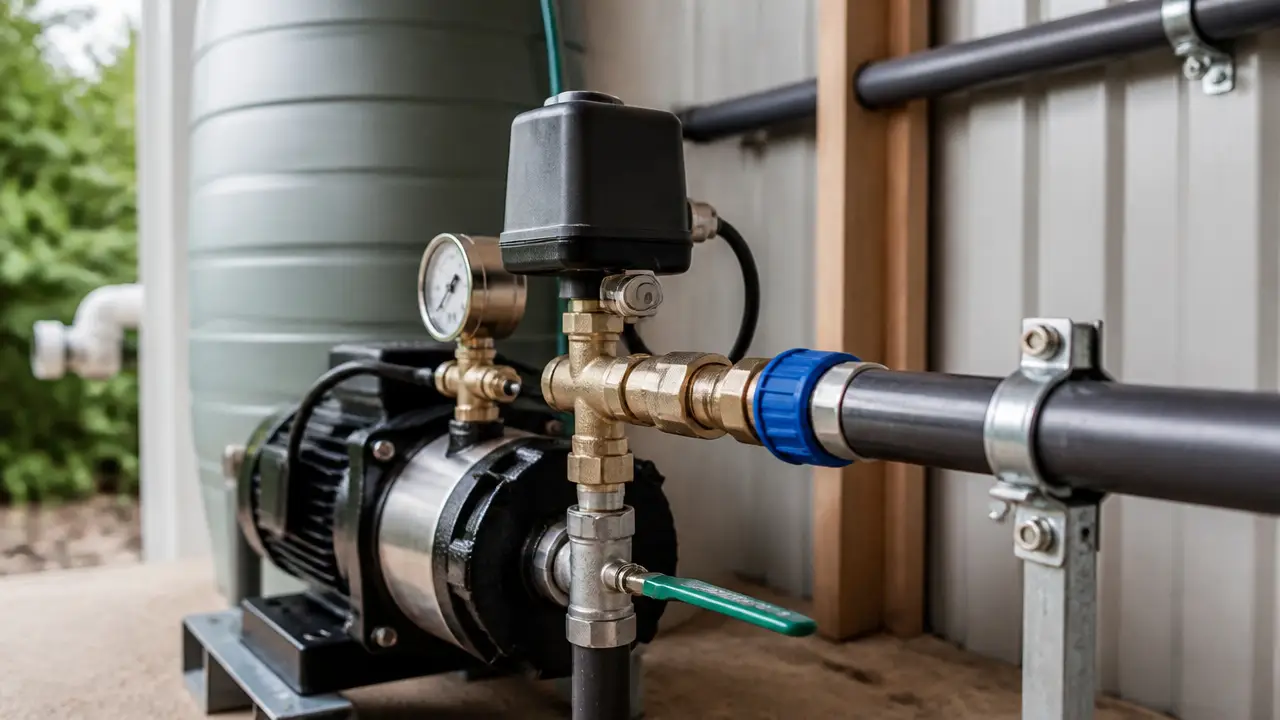
Compare pump pressure switches by cut-in and cut-out range, pipe thread, electrical fit, adjustment, and durability for a dependable rainwater pressure system.
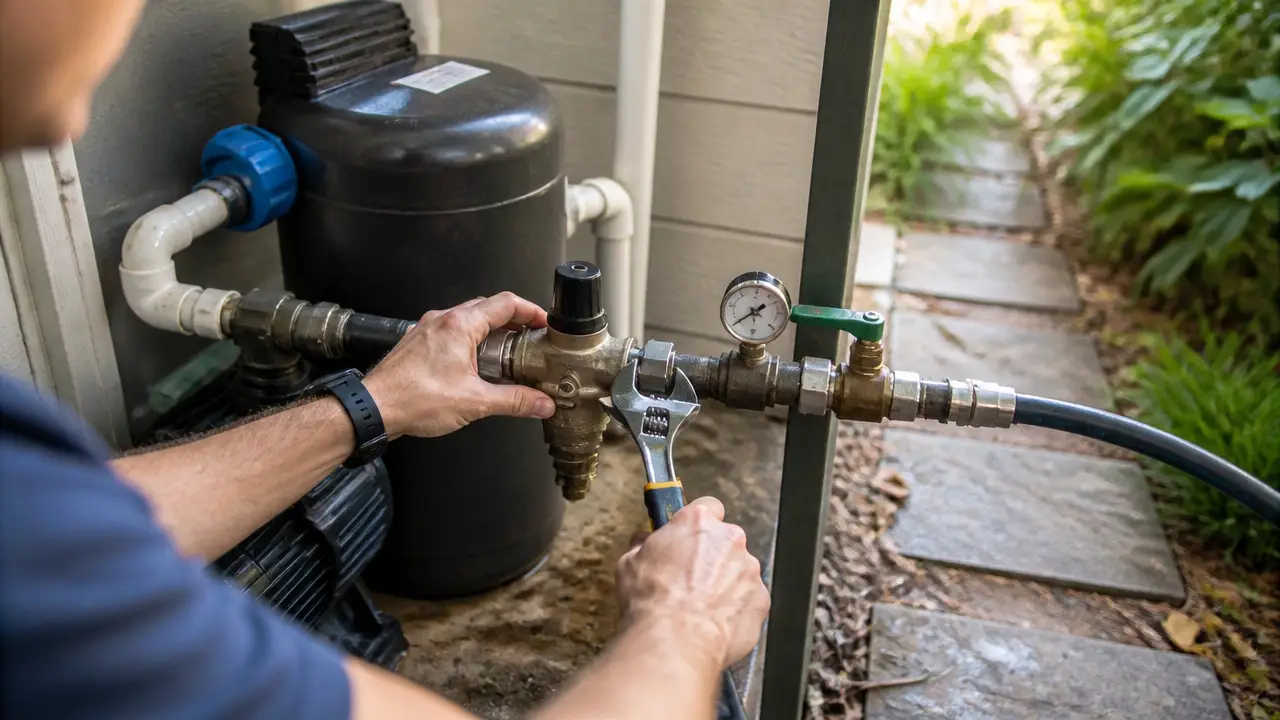
Compare water pressure regulators by connection type, adjustment, gauge design, pressure limits, and serviceability for safer rainwater plumbing and irrigation.
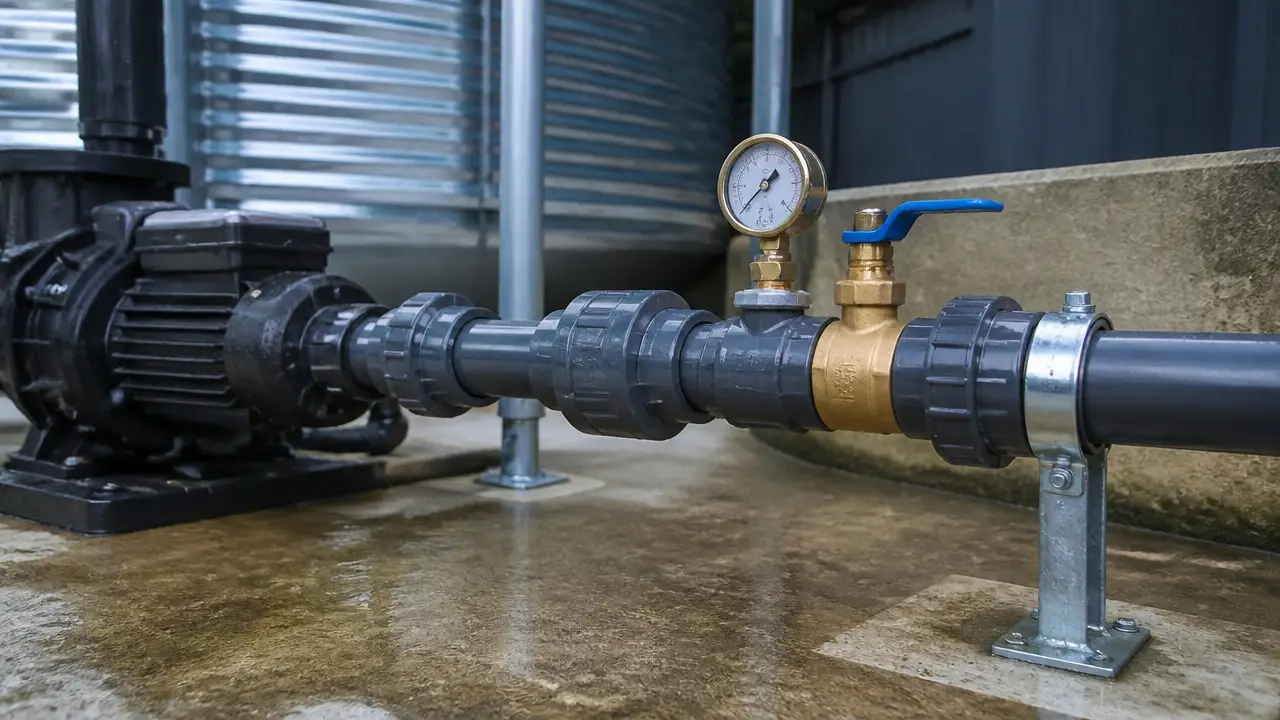
Compare check valves by spring or swing design, thread size, backflow control, pressure limits, and installation fit for rainwater pump and irrigation lines.
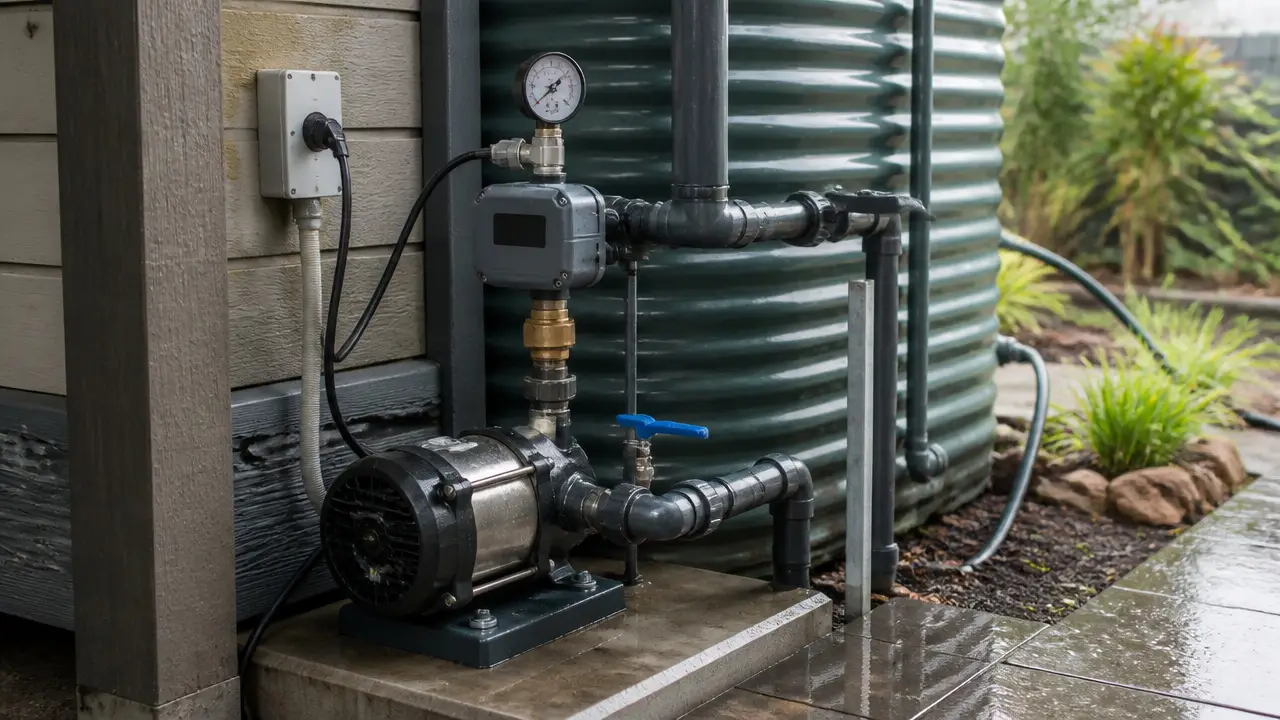
Compare automatic pump controllers by pressure control, dry-run protection, pipe fit, display features, and installation needs for a reliable rainwater pump setup.
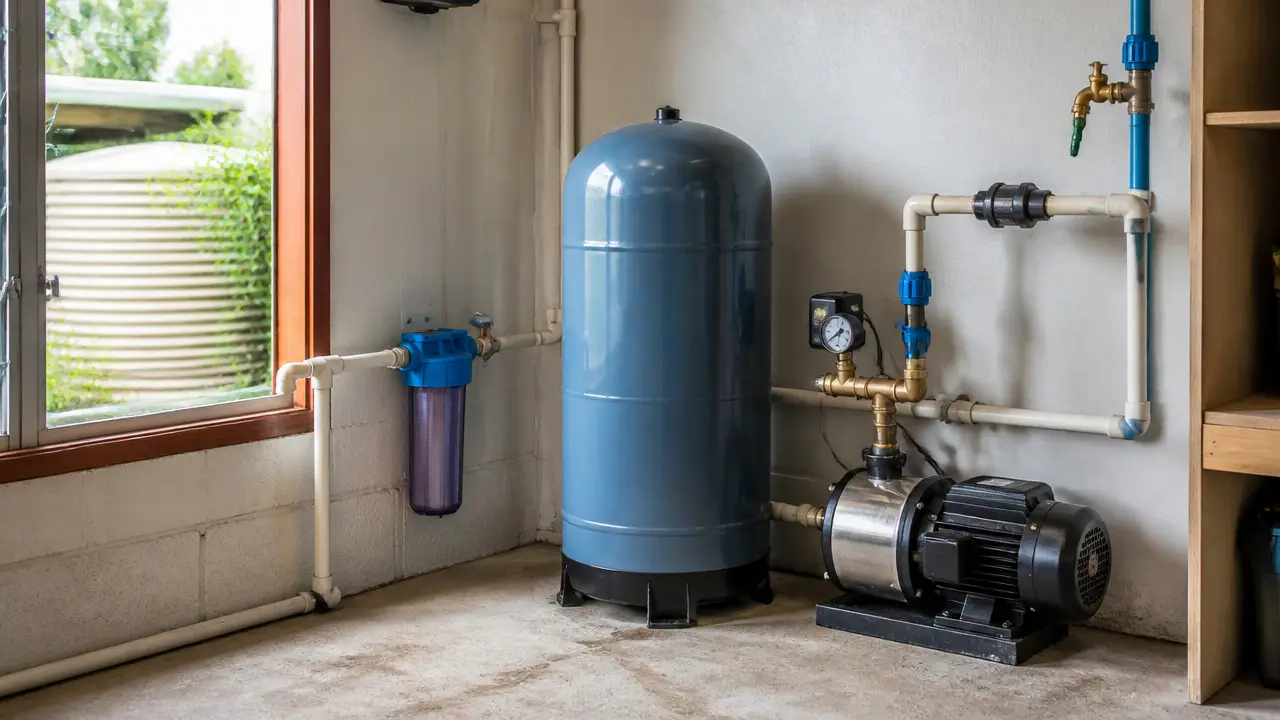
Compare pressure tanks by diaphragm design, precharge needs, footprint, pump-cycling control, and installation fit for a smoother rainwater pressure system.