4 Best Float Switches for Water Tanks and Pump-Control Signals
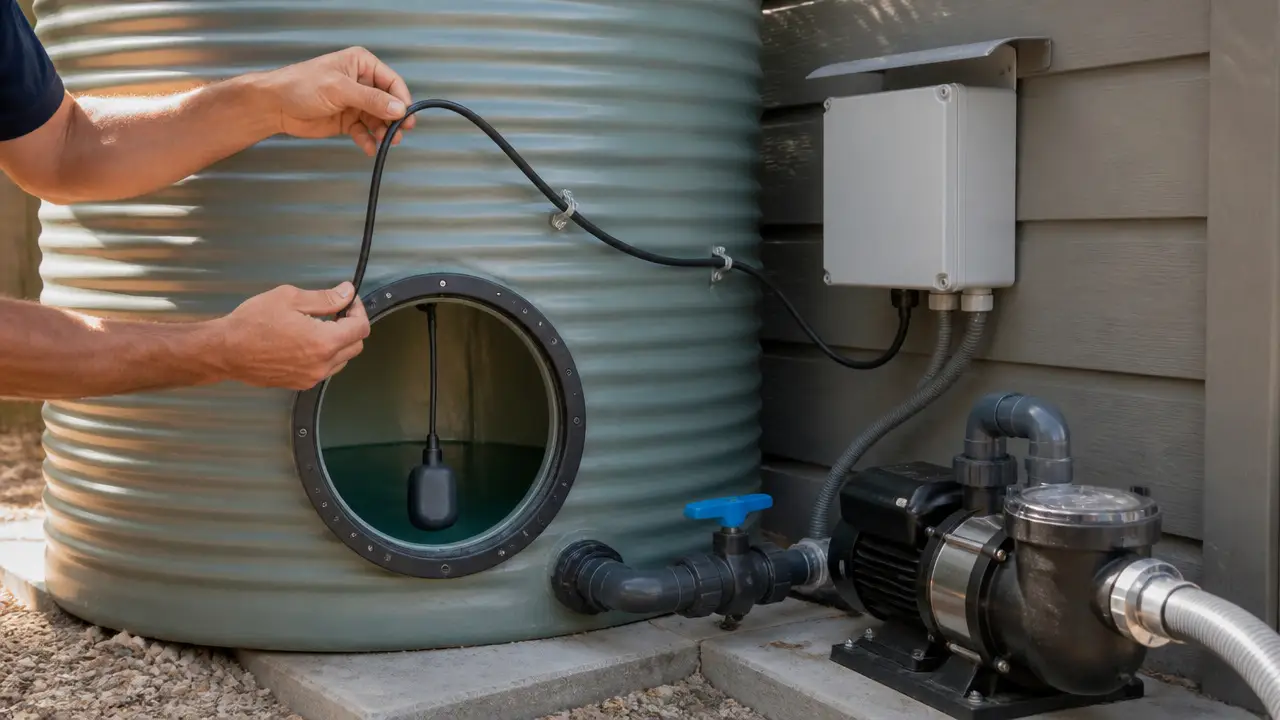
Compare water-tank float switches by mounting style, cable length, plastic or stainless construction, contact limits, and relay needs before automating a pump.

Tank levels, rainfall, yield, flow, leak detection, and automation.
Compare water-tank float switches by mounting style, cable length, plastic or stainless construction, contact limits, and relay needs before automating a pump.
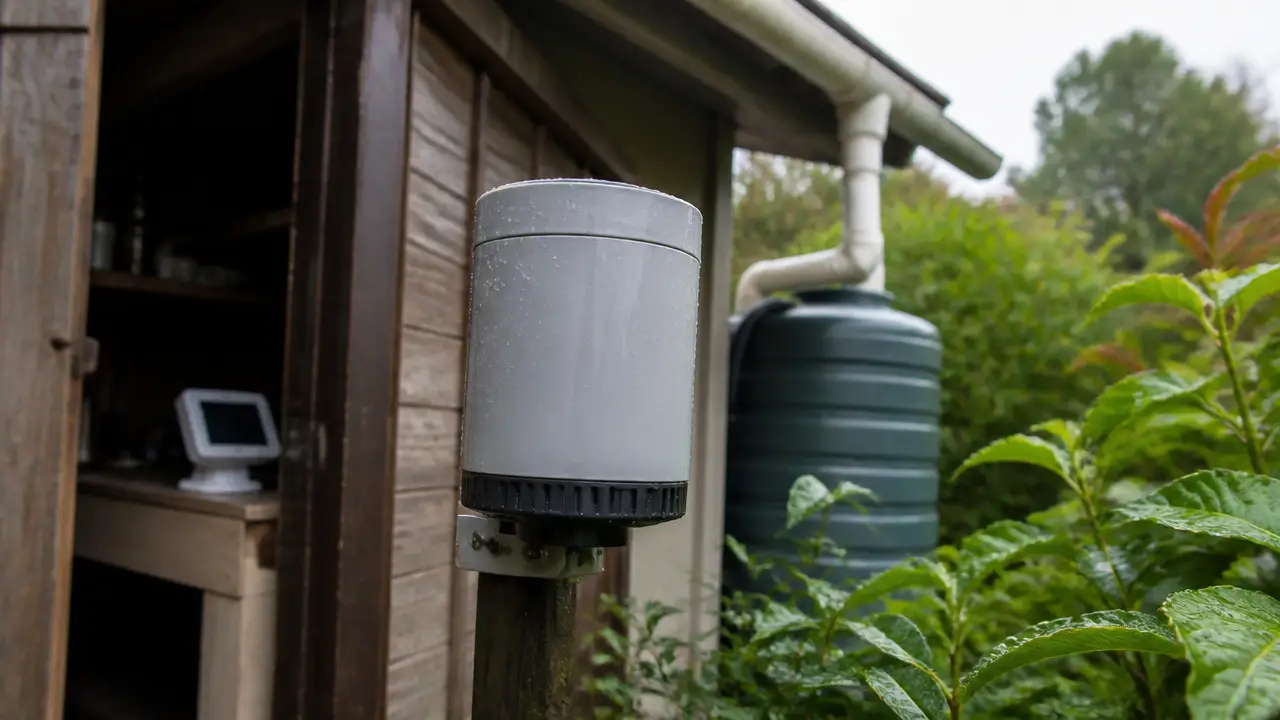
Compare digital rain gauges by rainfall history, wireless range, Wi-Fi needs, power source, display, and maintenance for rainwater-harvesting monitoring.
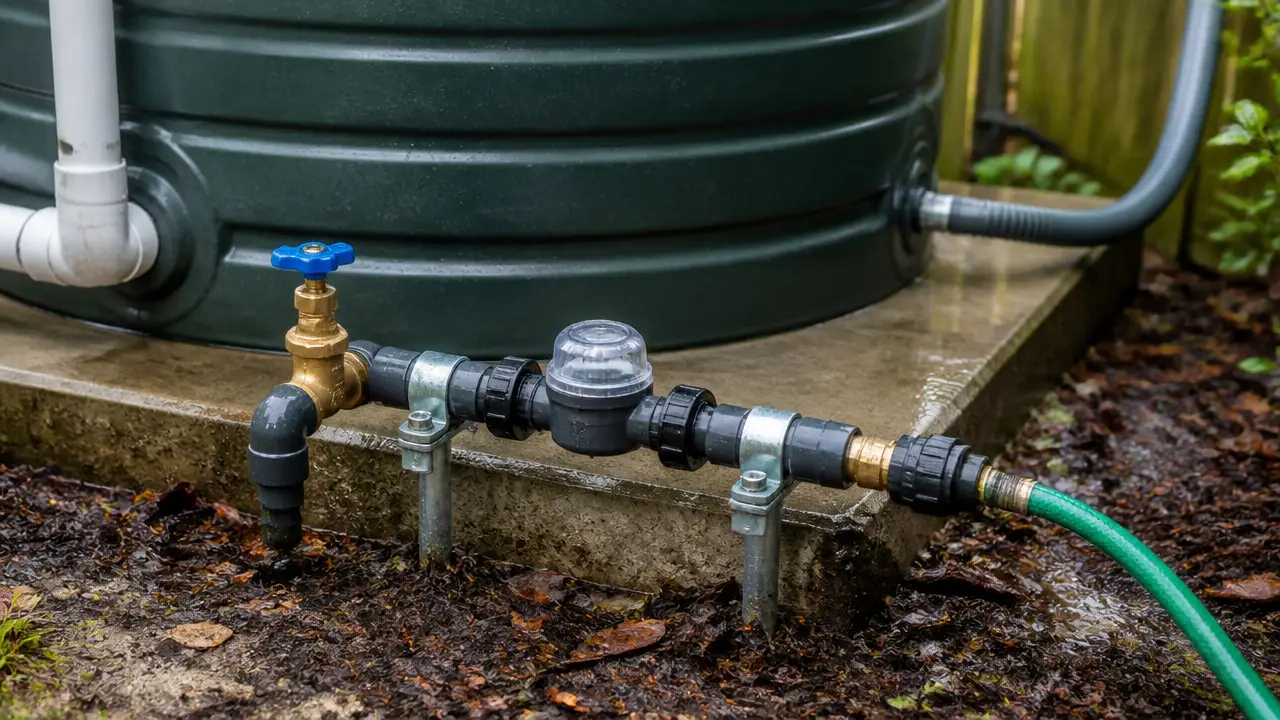
Compare water flow meters for rainwater hoses by range, brass connections, screen position, usage totals, leak risk, and low-pressure limits before installation.
Float switches differ in mechanism, orientation, contact rating, cable, materials, mounting, and control logic. Learn how to match one to a water system.
Stop uncontrolled rainwater tank overflow with a correctly sized screened outlet, secure piping, safe discharge route, and maintained downstream drainage.
A rain barrel can run low-pressure drip irrigation when elevation, available head, clean water, tubing, emitters, and zone size are matched to gravity flow.
Smart water meters reveal usage and possible leaks, but value depends on accuracy, data access, connectivity, installation, privacy, and subscription costs.
Smart water leak detectors can be worthwhile for early alerts and automatic shutoff. Compare sensor coverage, reliability, connectivity, valve fit, and upkeep.
Choose a float switch by matching pump or valve logic, contact rating, liquid compatibility, mounting space, switching range, cable length, and failure mode.
Some soil pH meters are not designed for direct water testing and may give unreliable readings. Learn how probe type, calibration, and sample method affect accuracy.