How to Connect Multiple IBC Totes Together?
Connect IBC totes through equal lower branches to a supported manifold. Add isolation valves, allow expansion, keep bases level, and size overflow safely.

Roof collection, tank plumbing, fittings, monitoring, and controls.
Connect IBC totes through equal lower branches to a supported manifold. Add isolation valves, allow expansion, keep bases level, and size overflow safely.
Choose an adapter by identifying both connection types, dimensions, thread standards, material, seals, pressure, and water use. Do not rely on nominal size.
Common IBC capacities are about 275 and 330 gallons, with other sizes available. Compare footprint, valve, cage, filled weight, access, and transport limits.
Many IBC tote valves use an S60x6 buttress outlet, called 2-inch IBC thread, but alternatives exist. Measure diameter and pitch before buying an adapter.
An IBC tote should not hold full water without its cage. The inner bottle can bulge, shift, or fail; use the matched cage and supported pallet base.

Extra storage works best when linked barrels share water freely. Compare six kits by hose diameter, connection length, wall fittings, and setup needs.

Link multiple barrels with fewer leaks. Compare six connector kits by hose size, barrel spacing, bulkhead fit, flow path, and installation requirements.
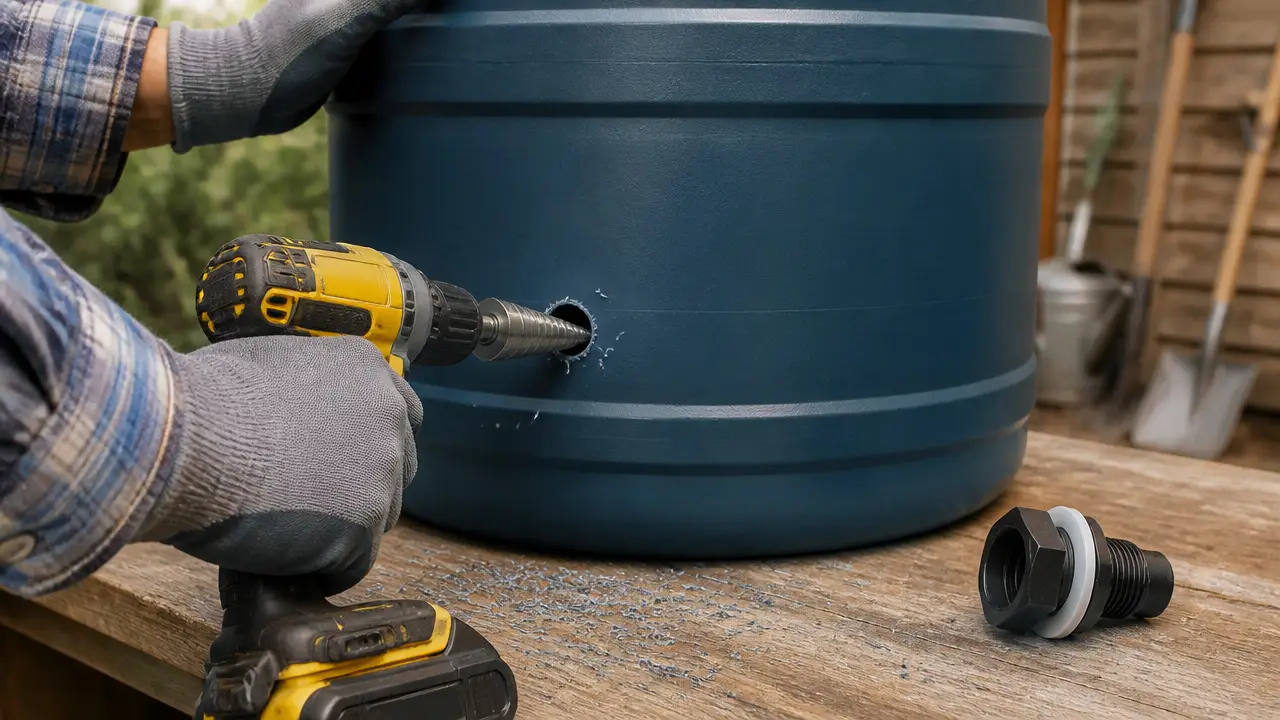
Compare step drill bits for rain barrels by hole range, shank style, cut control, and kit size so you can drill cleaner openings for spigots and fittings.
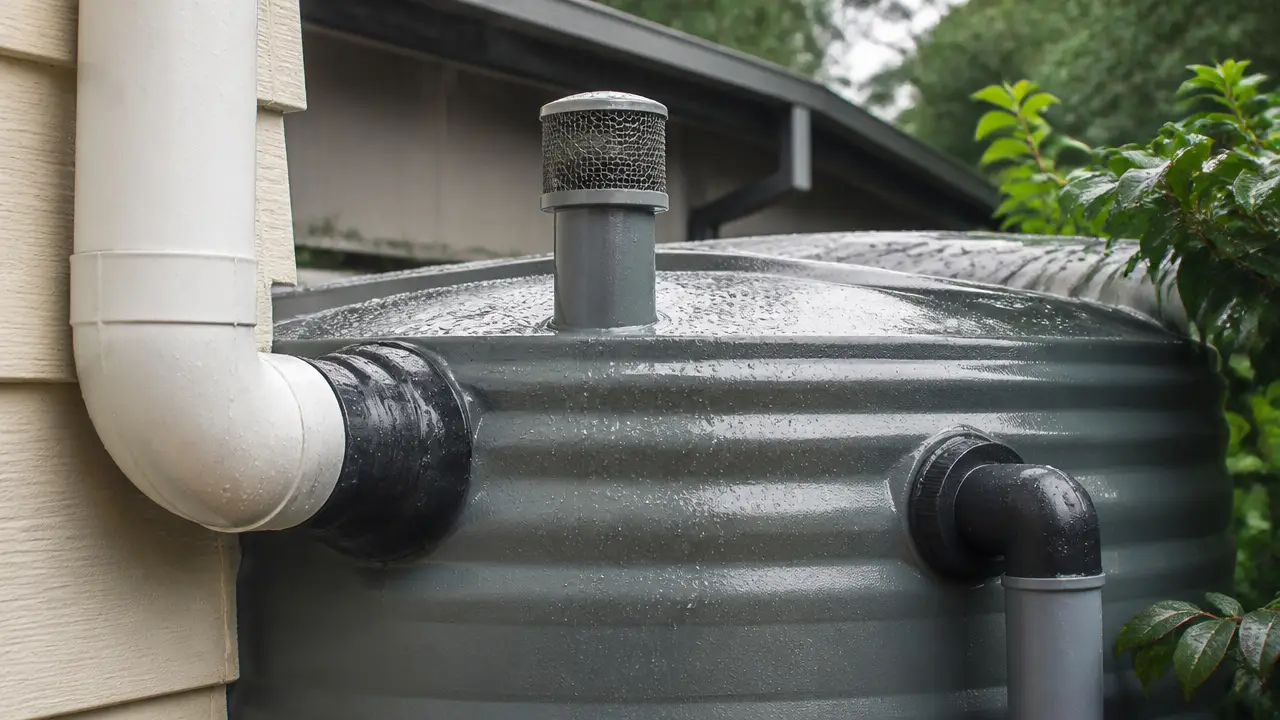
A screened tank vent allows airflow while limiting insect entry. Compare five rainwater tank vents by pipe size, threads, exposure, and adapter needs.
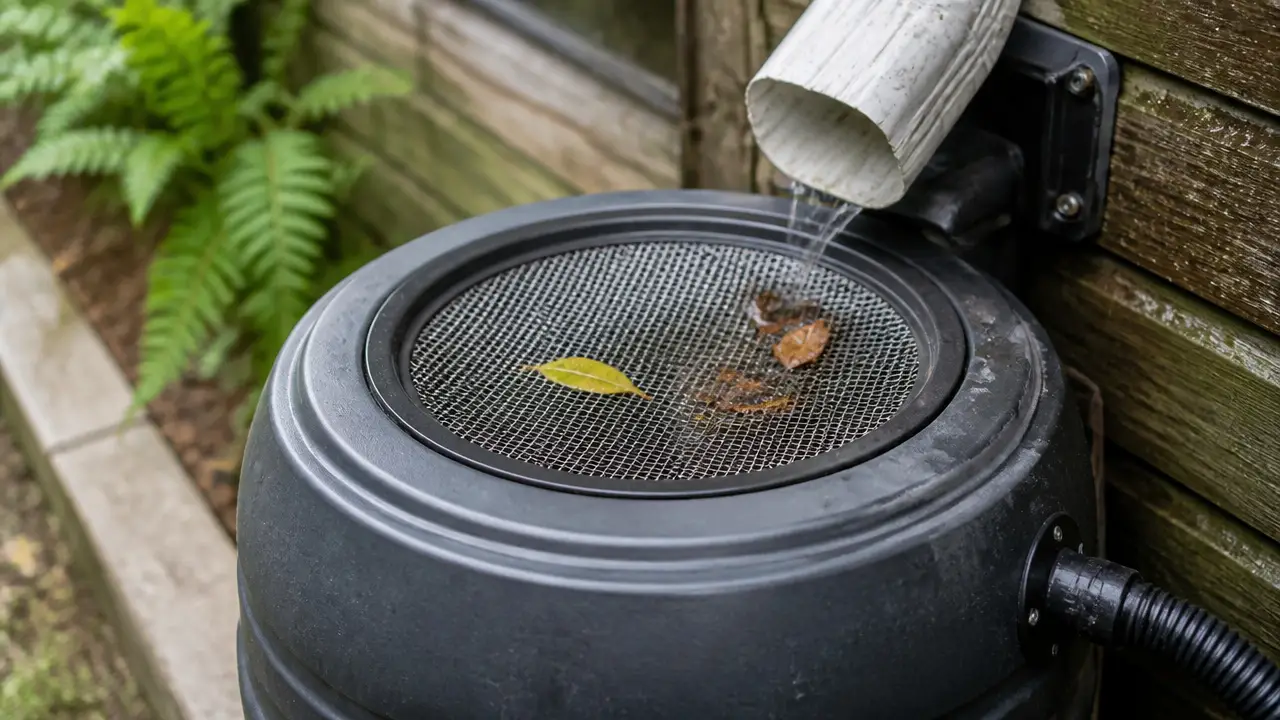
Keep leaves, insects, and larger debris out of stored water. Compare five rain barrel screens by opening style, fit, mesh coverage, and fastening.