5 Best Transfer Pumps for Rainwater Tanks, Barrels, and Tank-to-Tank Moves
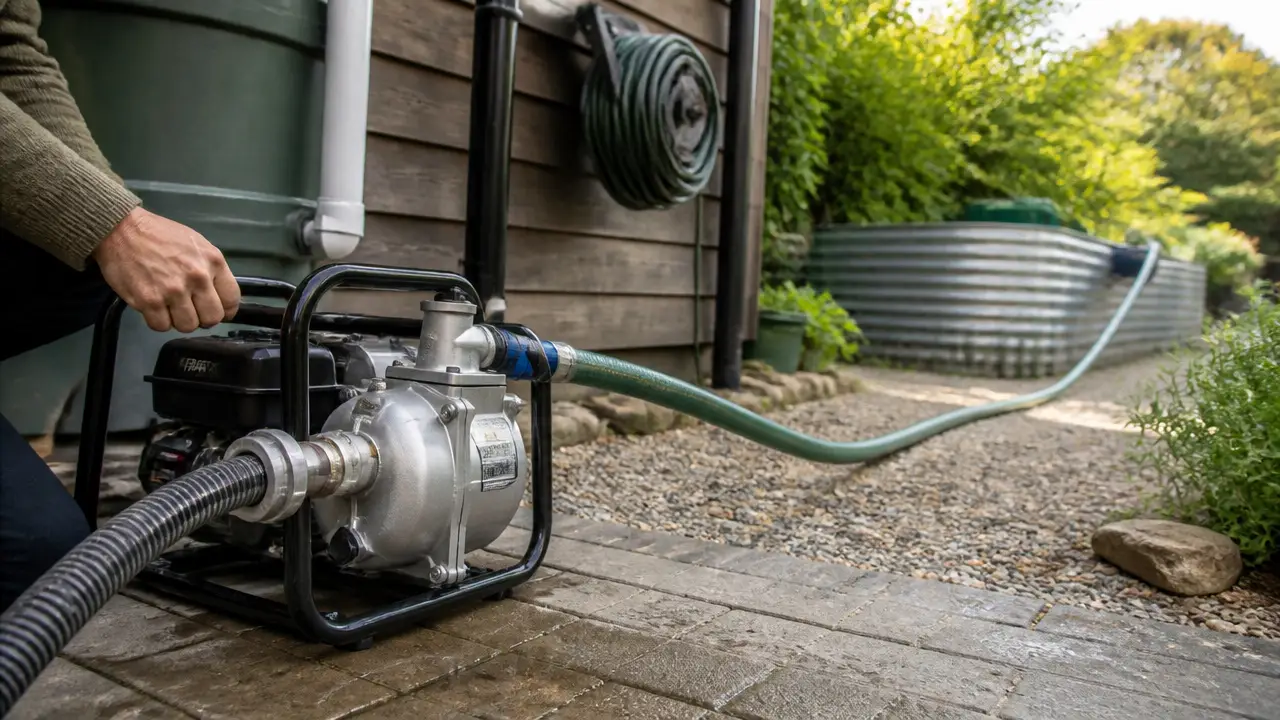
Move stored rainwater reliably with a transfer pump matched to your power source, discharge head, priming needs, hose size, and expected runtime.

Powered pumps for barrels, tanks, and rainwater systems.
Move stored rainwater reliably with a transfer pump matched to your power source, discharge head, priming needs, hose size, and expected runtime.
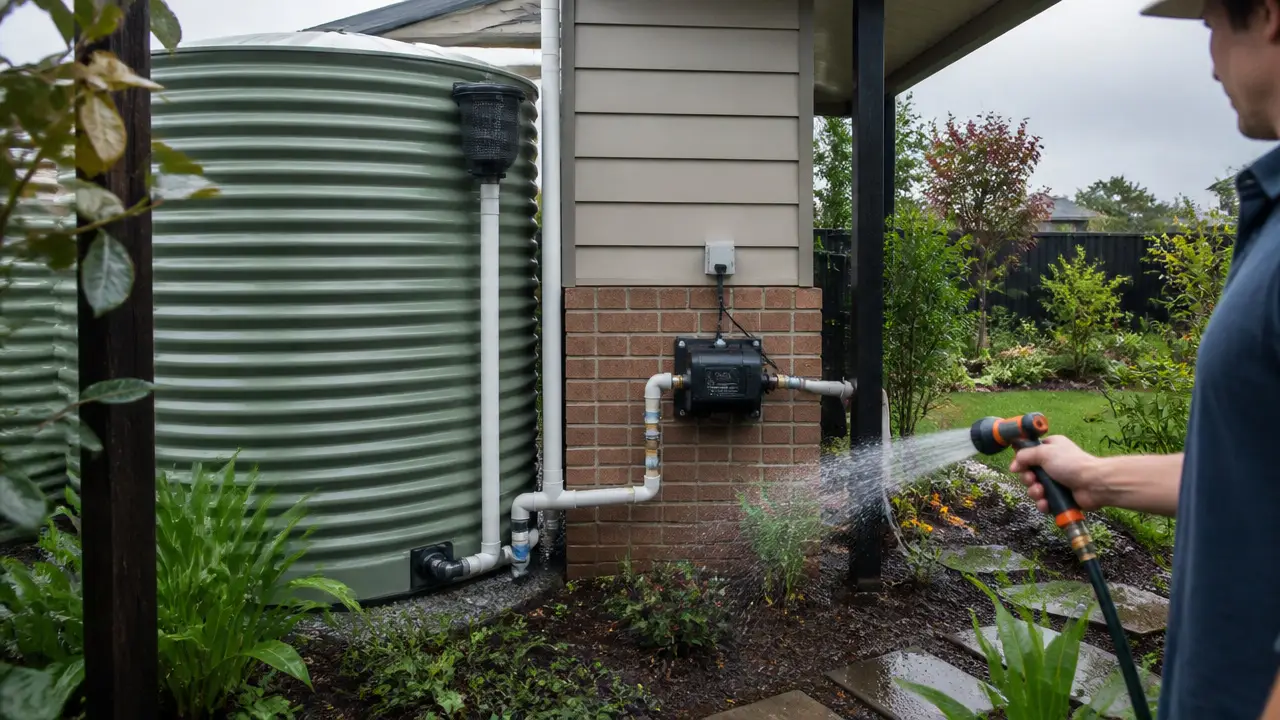
Compare on-demand rainwater pumps by automatic pressure switch, flow, 12V or 115V power, self-priming lift, and cycling behavior for small systems.
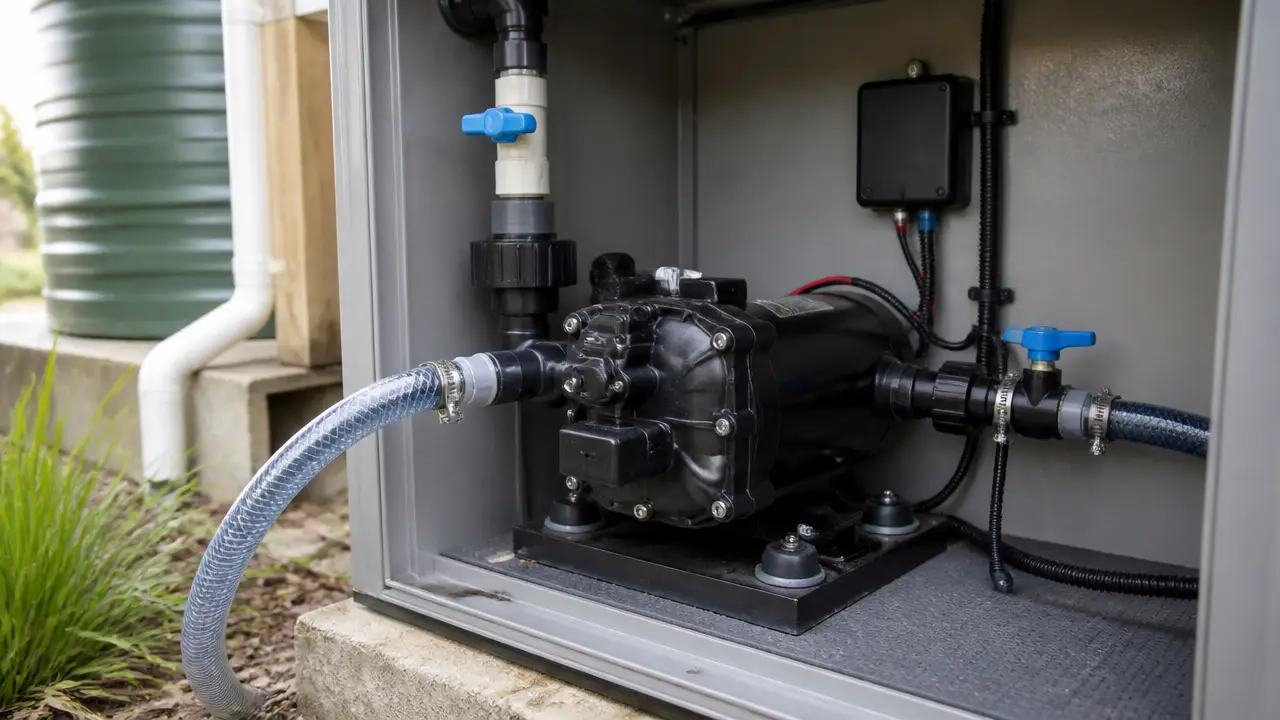
Compare diaphragm pumps for rainwater systems by flow, pressure, self-priming lift, bypass design, power supply, and cycling behavior for small systems.
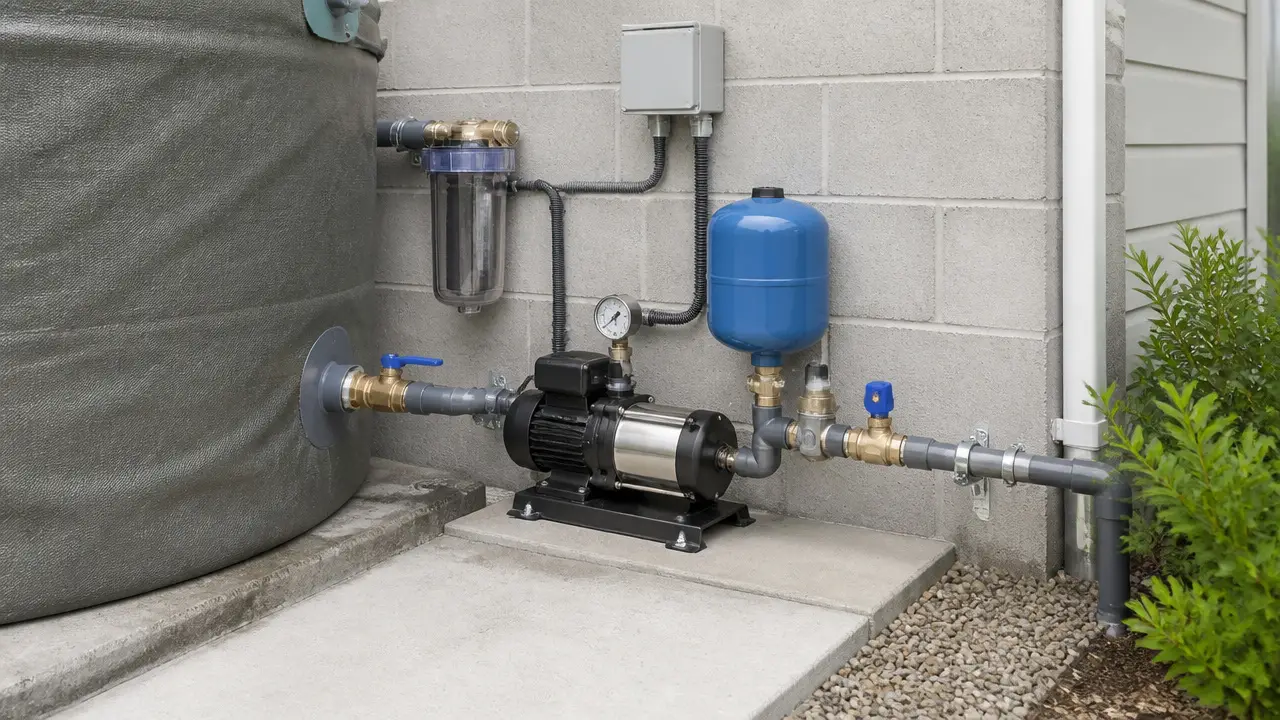
Steadier rainwater pressure starts with a booster pump matched to your flow, shutoff pressure, power source, self-priming lift, and demand controls.

Compare submersible pumps for rainwater tanks by flow, lift, automatic sensing, outlet size, and low-water drainage so the pump fits the job.
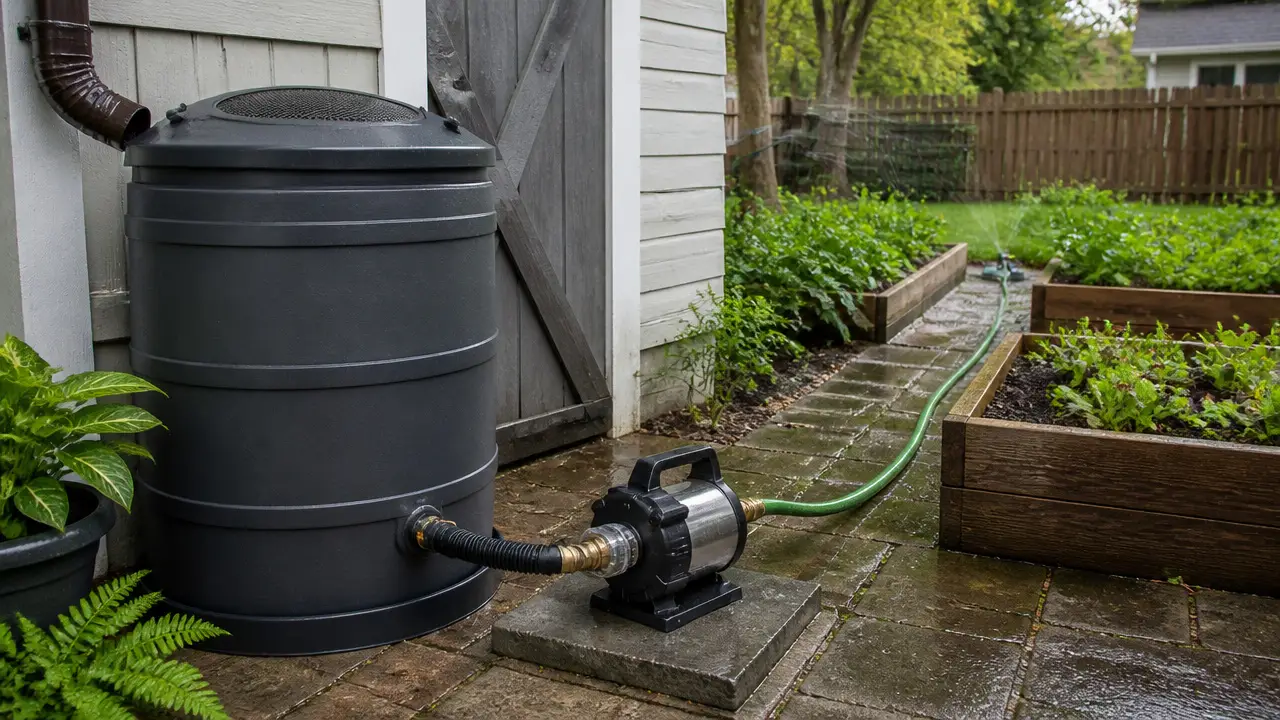
Compare rain barrel pumps by flow rate, lift, submersible or transfer-pump layout, hose connection, and runtime limits so stored water reaches the right outlet.
Increase rain-barrel pressure by raising the barrel, reducing hose friction and flow demand, or adding a sized pump. Keep support and plumbing safe.
A rain barrel needs no pump for gravity use, but irrigation, elevation, long hoses, or sprinklers may require one. Compare pressure needs with available head.
Choose a rainwater pump from required flow, total head, tank position, water quality, pipe size, power, duty cycle, controls, noise, and the manufacturer's curve.
A rain barrel need not sit under a downspout if a sealed, sloped diverter reaches it. Preserve inflow, bypass, overflow, support, and maintenance access.