As an affiliate, we may earn a commission from qualifying purchases. We get commissions for purchases made through links on this website from Amazon and other third parties.
Drinking water with a TDS reading of about 30 ppm is not generally expected to harm a healthy person simply because the TDS is low. If the water comes from a safe, properly treated source, you may notice nothing more than a light or “flat” taste.
The important point is that 30 TDS does not prove the water is safe to drink. TDS tells you how much dissolved material is in the water. It does not tell you what those materials are, and it does not reliably detect germs or many harmful chemicals.
What Does 30 TDS Mean?
TDS stands for total dissolved solids. These are substances dissolved in water, including minerals and salts such as:
- Calcium
- Magnesium
- Sodium
- Potassium
- Bicarbonate
- Chloride
- Sulfate
A reading of 30 ppm means the water contains roughly 30 milligrams of dissolved solids per liter of water.
That is a fairly low level of dissolved minerals.
The World Health Organization does not set a health-based minimum or maximum guideline value for TDS itself. Its current drinking-water guidance says TDS at levels normally found in drinking water is not considered a health concern, although TDS can affect how water tastes and feels.
In the United States, the EPA lists 500 mg/L TDS as a secondary drinking-water standard. Secondary standards mainly address things such as taste, staining, deposits, and other nuisance issues. They are not the same as health-based contaminant limits.
So you should not treat 500 ppm as a dividing line between “safe” and “unsafe.”
What Will Happen If You Drink 30 TDS Water?
If the water has been properly treated and does not contain harmful contaminants, probably nothing unusual will happen.
Your body can still use the water for hydration. A TDS level of 30 does not by itself mean that the water is dangerous or that it will immediately remove minerals from your body.
You may notice a difference in taste. Water containing very little dissolved mineral content can taste flatter than mineral-rich tap or well water.
The bigger question is where the water came from.
A glass of properly treated reverse-osmosis water at 30 TDS is very different from untreated roof runoff that also happens to measure 30 TDS.
Both can give the same meter reading while having very different health risks.
Low TDS Does Not Mean Pure or Safe Water
This is one of the biggest limitations of a TDS meter.
A TDS meter mainly responds to the water's electrical conductivity. Dissolved ions increase conductivity, so the meter uses that measurement to estimate total dissolved solids.
It cannot tell you exactly which substances are present.
For example, a low TDS reading does not rule out:
- Disease-causing bacteria
- Viruses
- Parasites
- Lead
- Arsenic
- Pesticides
- Fuel or solvent contamination
- Other chemicals present in very small amounts
Some harmful chemicals can cause problems at concentrations far below the level needed to make a noticeable change in the overall TDS reading.
CDC treats TDS as a water-quality indicator, not as a complete water-safety test. Testing for germs and individual chemicals is still needed when the water source is not already monitored as a public drinking-water supply.
In other words:
30 TDS means low dissolved mineral content. It does not mean 30 TDS equals safe drinking water.
What If the 30 TDS Water Comes From Reverse Osmosis?
A reading around 30 TDS can occur after reverse-osmosis treatment, depending on the source water and the system.
If your incoming water has much higher TDS and the RO system lowers it substantially, the meter can be useful for watching how the membrane is performing over time.
But TDS alone should not be used to decide whether the finished water is safe.
For example, an RO system may include several treatment stages:
- Sediment filtration
- Carbon filtration
- Reverse-osmosis membrane
- Additional carbon treatment
- Optional remineralization or other treatment
The required setup depends on what is actually present in the source water.
Changing from 30 TDS to 20 TDS does not automatically make the water safer, just as increasing it to 80 TDS does not automatically make it healthier.
If you rely on a private water source, laboratory testing is more useful than trying to reach a particular TDS number.
What If 30 TDS Comes From Rainwater?
Be more cautious.
Guidance on interpreting a 29-ppm TDS reading helps assess the additional evidence needed to confirm the suspected risk.
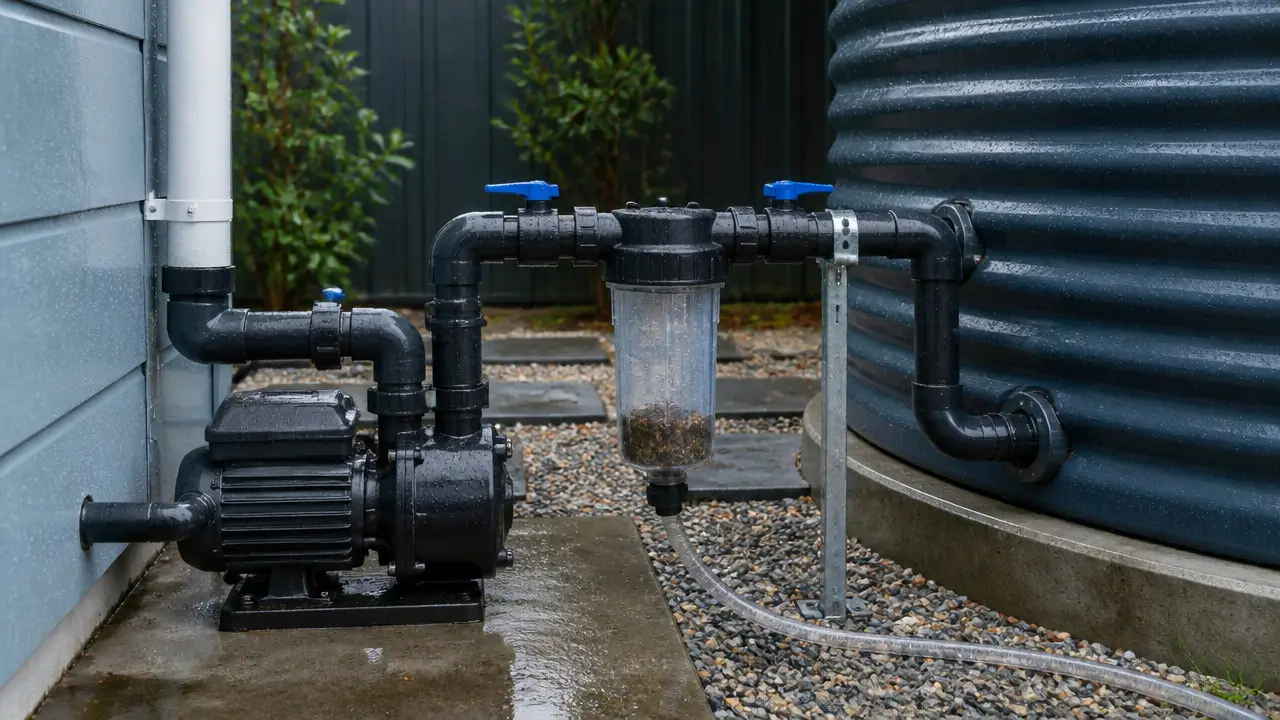
Rainwater itself may contain relatively little dissolved mineral material. That means collected rainwater can sometimes produce a low TDS reading even when it is not suitable for drinking.
Roof runoff can pick up contaminants from:
- Bird and animal droppings
- Dust
- Roofing materials
- Gutters
- Smoke and airborne pollution
- Storage tanks
- Pipes and fittings
- Insects and organic debris
CDC specifically warns that collected rainwater is not necessarily safe to drink without appropriate control of germs and chemicals. It recommends regular testing when rainwater is used for drinking, cooking, or bathing.
A first-flush diverter can improve collected rainwater quality by sending away the first runoff from a storm, which often carries more roof dirt and contamination. It is useful prefiltration, but it does not make the remaining rainwater potable by itself.
For drinking-water use, think about the entire system:
collection surface → debris control → first flush → storage → filtration → treatment → protected plumbing → testing → maintenance
No single TDS reading can replace those steps.
Should You Add Minerals to 30 TDS Water?
Not automatically.
Some reverse-osmosis systems include a remineralization stage because people prefer the taste or because the water chemistry works better for their plumbing and equipment.
But there is no universal rule saying drinking water must be raised above a certain TDS number for health.
The WHO's current guidance does not establish a health-based TDS value for drinking water.
If you are considering remineralization, decide based on factors such as:
- Taste
- pH
- Alkalinity
- Plumbing compatibility
- Your treatment system
- Actual water-test results
Do not add minerals simply to make a TDS meter display a particular number.
How to Know Whether 30 TDS Water Is Safe to Drink
Start with the water source rather than the meter reading.
If it comes from a regulated public water system, check your utility's water-quality information if you have concerns.
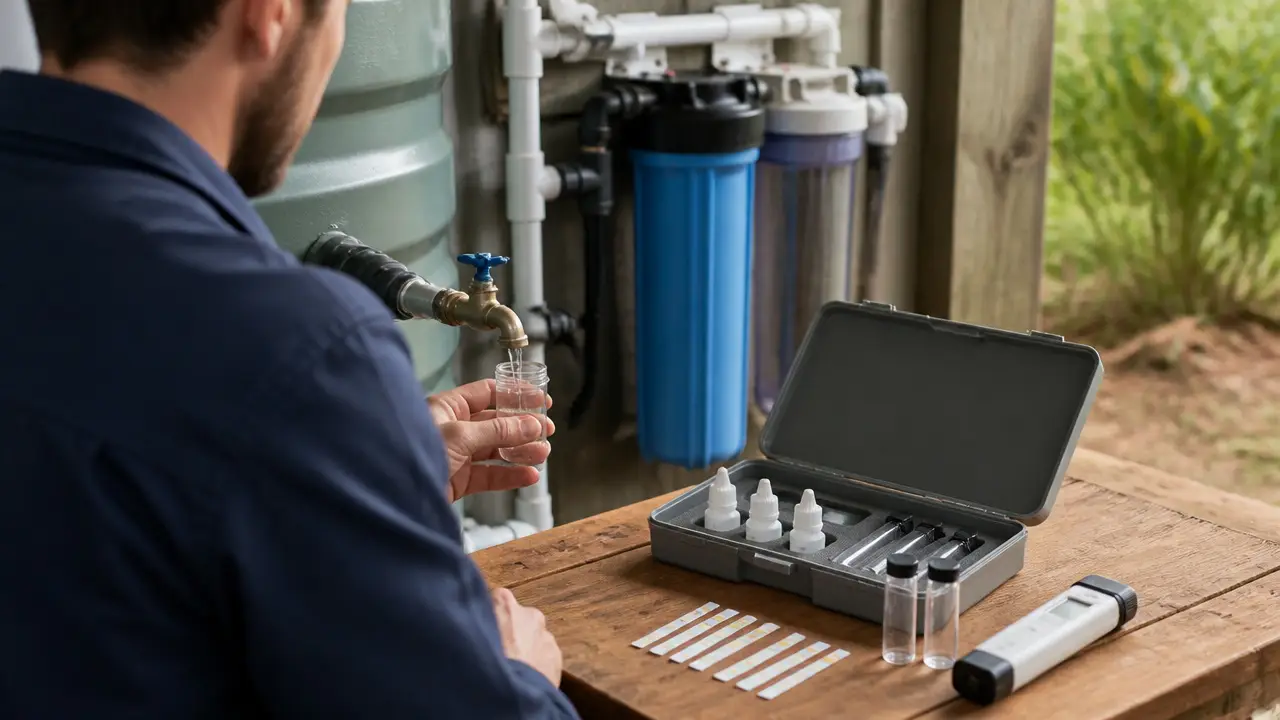
If it comes from a private well, cistern, rainwater tank, or another private source, use appropriate laboratory testing. CDC recommends testing private drinking-water sources for relevant germs and chemicals rather than relying on appearance, taste, or simple indicator readings.
For collected rainwater intended for drinking, testing and treatment should be based on the actual risks in the collection system and local health guidance.
A TDS meter can still be useful. It can help you notice changes in mineral concentration or track the performance of some treatment equipment. It just cannot answer the most important question by itself:
Is this water safe to drink?
Frequently Asked Questions
Is 30 TDS water too low to drink?
Not necessarily. A TDS reading of 30 ppm is low, but low TDS alone does not make drinking water unsafe. The safety of the water depends on the source, contaminants, treatment, and testing.
Will drinking 30 TDS water cause mineral deficiency?
A TDS reading alone cannot tell you whether your diet or mineral intake is adequate. There is no established drinking-water TDS number that guarantees proper mineral nutrition. If you have a medical reason to manage minerals or electrolytes, follow advice from your healthcare professional.
Is 30 TDS good for reverse-osmosis water?
It can be a normal reading for treated RO water. What matters more is whether the system is designed for the contaminants in the source water, is maintained correctly, and produces water that meets the required drinking-water standards.
Does 30 TDS mean the water is pure?
No. TDS only estimates dissolved solids. Water with a reading of 30 ppm can still contain germs or harmful chemicals that a TDS meter cannot identify.
Is 30 TDS rainwater safe to drink?
Not based on the TDS reading alone. Roof-collected rainwater can contain germs and chemicals even when its TDS is very low. Drinking-water use requires suitable collection, treatment, regular testing, maintenance, and compliance with applicable local requirements.
What TDS level should drinking water have?
There is no single health-based TDS target that applies to all drinking water. WHO does not establish a health-based guideline value for TDS itself. Individual contaminants and the overall safety of the water are more important.
Should I remineralize water with 30 TDS?
Only if there is a reason to do so, such as taste or water-chemistry needs. Remineralization should not be done simply to reach an arbitrary TDS number.