As an affiliate, we may earn a commission from qualifying purchases. We get commissions for purchases made through links on this website from Amazon and other third parties.
Rainwater can often be stored for weeks or even months for watering plants if you keep it covered, shaded, and reasonably clean. There is no fixed expiration date for irrigation water.
What matters more than age is what happened to the water while it was stored. Water that collects leaves, animal waste, chemicals, mosquitoes, or heavy algae growth may no longer be a good choice for your plants.
How Long Does Stored Rainwater Last for Plants?
For garden use, rainwater can be stored much longer than water meant for drinking.
A clean rain barrel or tank can hold irrigation water for months when:
- The container has a secure lid.
- Sunlight cannot easily reach the water.
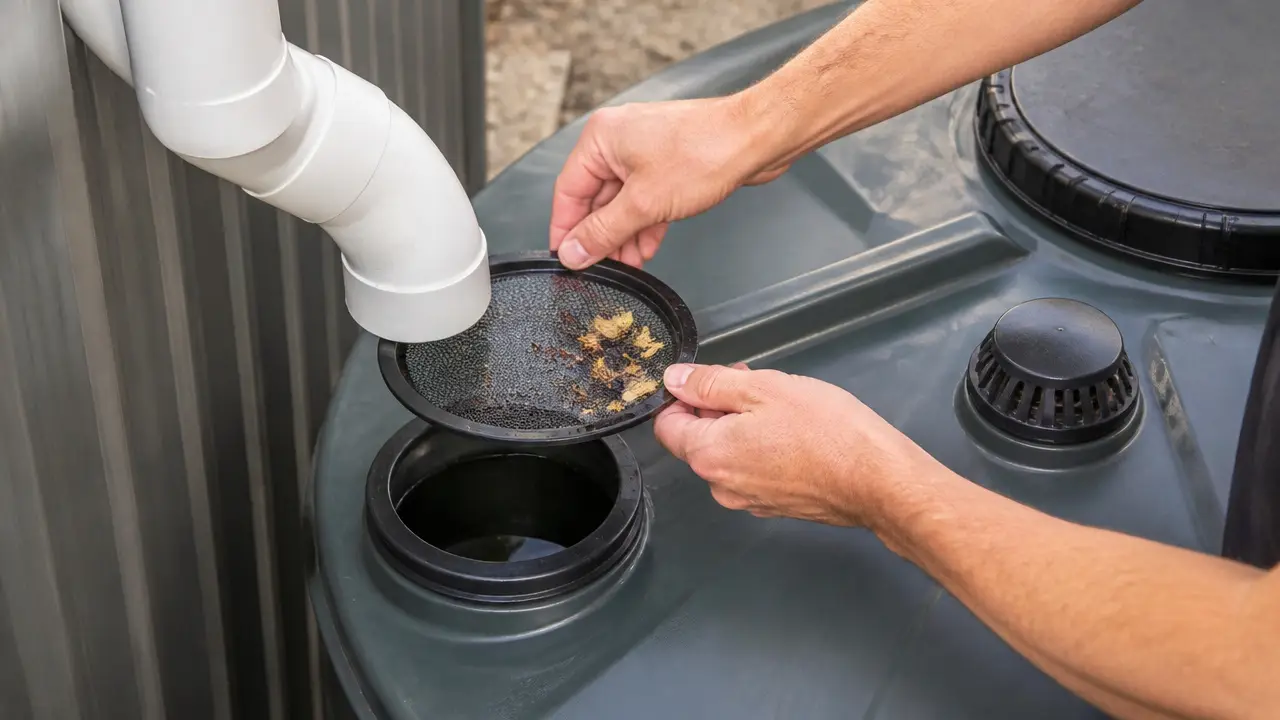
- Gutters and screens keep most debris out.
- Mosquitoes cannot enter.
- The tank is cleaned when sediment builds up.
- Chemicals cannot wash into the collection system.
You do not need to empty your rain barrel simply because the water has been sitting for several weeks.
However, check the water before using it if it has been stored for a long time.
Does Rainwater Go Bad?
Rainwater does not spoil like food. But its quality can get worse during storage.
Roof runoff can carry dirt, leaves, pollen, bird droppings, insects, roofing debris, and other material into a barrel or tank. Once stored, that material can settle or break down.
Problems are more likely when water is warm and exposed to sunlight.
You may notice:
- Algae growing inside the container
- A strong or rotten smell
- Mosquito larvae
- Thick organic material
- Heavy sediment
- A slimy layer on tank surfaces
A little sediment at the bottom of a rain barrel is common. Strong odors, heavy growth, or obvious contamination deserve more attention.
Keep Sunlight Out of Your Rain Barrel
Sunlight is one of the biggest reasons stored rainwater develops algae.
Use an opaque barrel or tank whenever possible. Keep clear or translucent containers covered so light cannot reach the water.
Placing the container in shade can also help, although the container should still be designed to block light.
Keeping the water cooler usually slows biological growth as well.
Keep Leaves and Debris Out
Cleaner water going into the tank usually means fewer problems later.
A basic rainwater collection system may use:
- A gutter screen or leaf guard.
- A screened inlet.
- A first-flush device when appropriate.
- A covered storage tank.
A first flush diverts some of the first roof runoff from a rain event. That early runoff often carries more dust, pollen, droppings, and loose debris from the roof.
You do not need a complicated treatment system just to water most garden plants, but keeping large debris out makes storage much easier to manage.
Prevent Mosquitoes
Standing water can become a mosquito breeding site if insects can reach it.
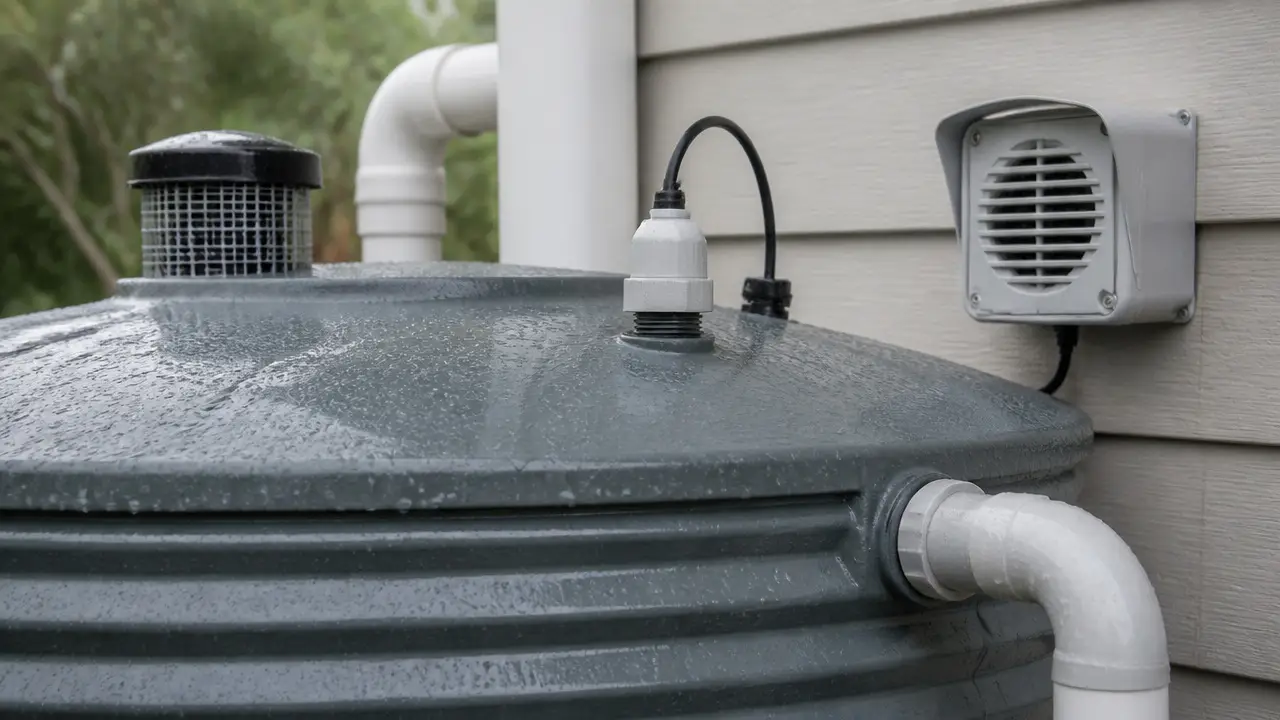
Cover every opening with a lid or fine screen. Pay attention to:
- Tank inlets
- Overflow pipes
- Vents
- Gaps around downspouts
- Open watering cans and buckets
Check screens for holes during the growing season.
A covered rain barrel is much easier to manage than an open container.
What If the Rainwater Smells Bad?
Stored rainwater should not have a strong sewage-like or rotten smell.
Bad odors often mean organic material such as leaves has been decomposing in the container.
If the water smells strongly foul, avoid spraying it directly onto vegetables, herbs, or other edible parts of plants. Emptying and cleaning the barrel may be the better choice when there is heavy organic buildup or obvious contamination.
Do not climb inside a large cistern to clean it. Tanks can be confined spaces and can be dangerous to enter. Use cleaning methods that can be performed safely from outside or hire a qualified service when needed.
Can You Use Old Rainwater on Vegetable Gardens?
With safe rainwater storage duration, you can compare this detail’s place in the collection and delivery chain.
Rainwater is commonly used for garden irrigation, but remember that roof-collected water can contain contaminants.
For edible plants, a cautious approach is to apply the water to the soil around the plant rather than spraying it over leaves, fruits, or vegetables that you plan to eat.
This is especially useful for:
- Lettuce and other leafy greens
- Tomatoes
- Peppers
- Strawberries
- Herbs
- Other crops eaten raw
Drip irrigation or watering near the base of the plant can reduce contact between stored roof runoff and edible plant parts.
The condition and material of your roof also matter. Do not collect runoff for garden use from surfaces where you know harmful chemicals, treatments, or other contaminants are present.
How Often Should You Empty a Rain Barrel?
You do not need to empty a healthy rain barrel on a strict schedule.
Instead, inspect it from time to time.
Clean it when you see a significant buildup of:
- Sediment
- Sludge
- Leaves
- Algae
- Organic debris
Cleaning frequency depends heavily on your roof, gutters, trees, climate, and collection setup.
A barrel under a roof surrounded by trees may need attention much sooner than a well-screened tank collecting from a clean roof.
What About Rainwater Stored Over Winter?
Freezing is often a bigger concern than water age.
Water expands when it freezes. A full barrel, filter housing, valve, pipe, or pump can be damaged if trapped water freezes inside it.
In freezing climates, follow the winter storage instructions for your particular tank and plumbing setup. Many simple rain barrels are drained and disconnected before hard freezes.
Large tanks designed for year-round use need suitable freeze protection for the tank, valves, pipes, pumps, and other components.
A Simple Rule for Stored Garden Water
Do not judge rainwater only by how many days it has been stored.
Instead, ask:
- Is the tank covered?
- Is the water protected from sunlight?
- Are mosquitoes kept out?
- Is there heavy algae or sludge?
- Does the water have a strong foul smell?
- Could chemicals or other contaminants have entered it?
If the system stays clean and protected, you can usually keep rainwater available for garden irrigation between rainstorms rather than dumping it because it has reached an arbitrary age.
Frequently Asked Questions
Can I use month-old rainwater on my plants?
Usually, yes. Month-old rainwater can still be useful for irrigation if it has been stored in a covered, clean container and does not show signs of serious contamination.
Can I keep rainwater all summer?
You can store rainwater through the summer if your tank is suitable for long-term storage. Keep it covered, block sunlight, prevent mosquito access, and inspect it for sediment and organic buildup.
Is green rainwater safe for plants?
A small amount of algae does not automatically make water unusable for ornamental plants, but green water is a sign that too much light is reaching the tank. Correct the storage problem and clean the tank if algae becomes heavy.
Should I pour out rainwater that smells bad?
A strong rotten or sewage-like smell can mean organic material is decomposing in the barrel. If the water is heavily fouled, emptying and cleaning the container is generally better than continuing to store it.
Does stored rainwater need chlorine for garden plants?
Normally, you do not need to disinfect rainwater simply to water ordinary garden plants. Good collection, covered storage, debris control, and regular maintenance are usually more important for a basic irrigation system.
Can mosquitoes grow in a sealed rain barrel?
A properly sealed and screened rain barrel greatly reduces mosquito access. Check the inlet, overflow, vent, lid, and other openings because even small gaps can allow mosquitoes into the stored water.
Can I store rainwater indefinitely?
There is no useful fixed expiration date for irrigation water, but storage conditions change over time. Long-term storage requires a suitable tank, protection from light and pests, and periodic inspection and cleaning.