As an affiliate, we may earn a commission from qualifying purchases. We get commissions for purchases made through links on this website from Amazon and other third parties.
What Does First Flush Mean in Rainwater Harvesting?
In a rainwater harvesting system, first flush means diverting the first portion of rainwater that runs off a roof before allowing the cleaner water that follows to enter the storage tank.
That first runoff can carry more dirt and debris than later runoff. A first-flush diverter sends some of this early water away from the tank.
First flush is a useful prefiltration step, but it does not make rainwater clean, sterile, or safe to drink.
Why the First Rainwater Is Diverted
Between rainstorms, material can collect on a roof and in the gutters. This may include:
- Dust
- Pollen
- Leaves
- Bird and animal droppings
- Insects
- Soot and airborne particles
- Small pieces of roofing material
When rain begins, some of this material is washed toward the downspout.
The first part of the runoff often carries a higher amount of this contamination. Diverting it can reduce the amount that reaches a rain barrel, IBC tote, or larger cistern.
A first-flush system works best as one part of a larger collection system that also includes good roof drainage, gutter cleaning, screens, and tank maintenance.
How a First-Flush Diverter Works
A typical system has a branch in the downspout before the pipe reaches the tank.
When rain starts, water enters the first-flush chamber. The chamber holds or drains away a set amount of runoff.
Once the chamber is filled or the diversion period has passed, later rainwater continues toward the storage tank.
The exact design varies. Common arrangements include:
- Vertical first-flush pipes
- Slowly draining chambers
- Ball-type diverters
- Manual diversion valves
- Automatic diversion devices
The important idea is the same: keep the first, dirtier roof runoff out of the main storage tank.
First Flush Is Not the Same as a Filter
A first-flush diverter and a filter do different jobs.
A first-flush system rejects an early portion of runoff. A filter removes certain particles from water that passes through it.
The explanation of limits in “Are First Flush Diverters Worth It?” adds a practical check before the surrounding system is finalized.
For example, a system might use:
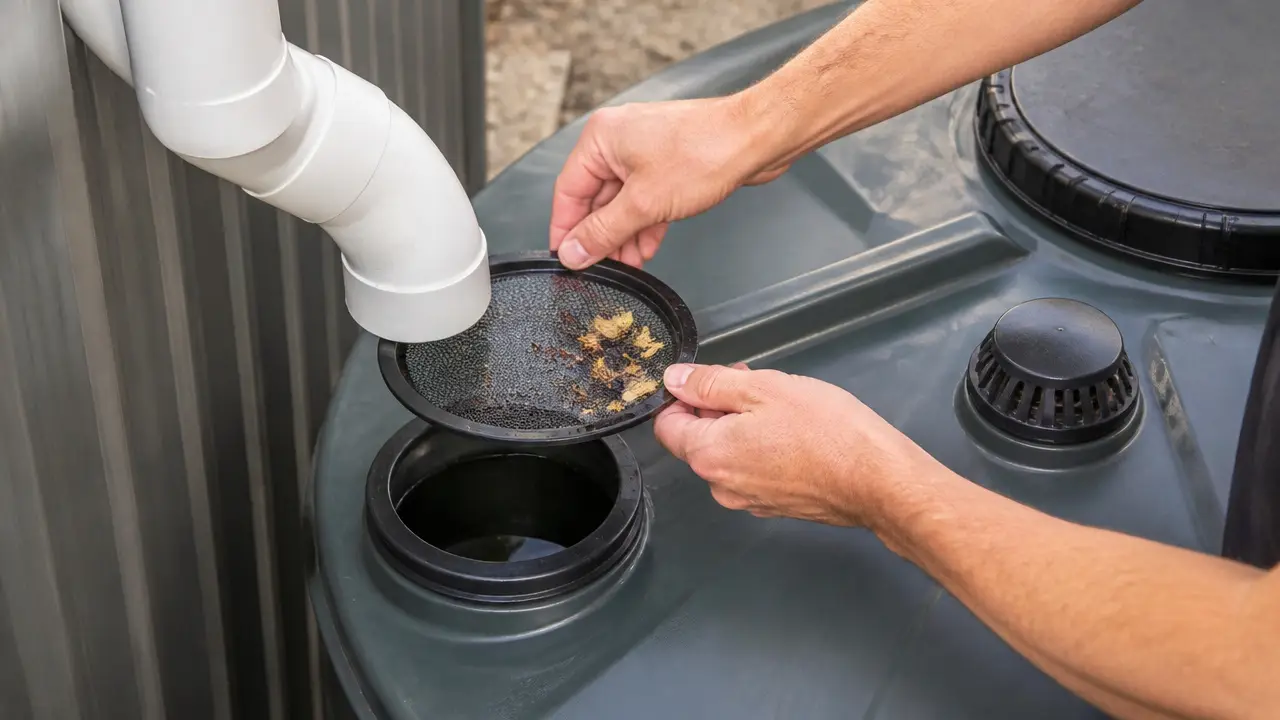
- A gutter screen to stop large leaves
- A first-flush diverter to discard early runoff
- An inlet screen or sediment filter to catch smaller material
- Additional treatment when required for the intended water use
Using a first flush does not eliminate the need for screens, cleaning, or other treatment where those are needed.
How Much Water Should a First Flush Divert?
There is no single first-flush volume that is right for every rainwater system.
The amount depends on factors such as:
- Roof collection area
- How dirty the roof tends to become
- Time between rain events
- Nearby trees
- Birds and other animals
- Air pollution
- Roofing material
- Intended use of the collected water
A small garden shed may need a very different setup from a large house roof.
Diverting more water can reduce the amount of early runoff entering the tank, but it also reduces the amount of rainwater you collect. In areas with light or infrequent rainfall, wasting too much water on every storm may be impractical.
First-flush sizing should therefore be based on the collection area and local conditions rather than an arbitrary pipe length.
Where the First-Flush Diverter Goes
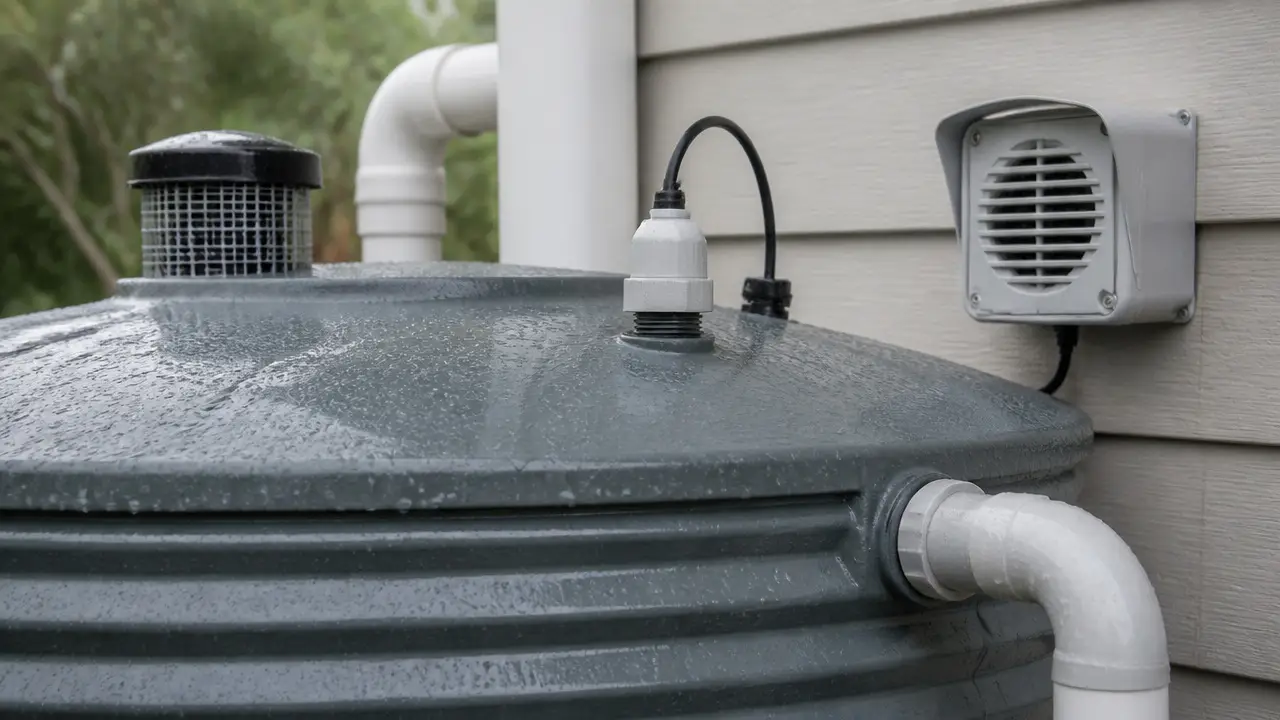
The diverter normally goes after the roof and gutters but before the storage tank.
A simple flow path looks like this:
Roof → gutter → leaf screen → first-flush diverter → tank inlet → storage tank
The exact order can vary with the system design.
Large leaves and sticks should usually be stopped before they enter the first-flush chamber. Otherwise, the chamber can clog quickly.
Does Every Rain Barrel Need a First Flush?
Not always.
Evaluate complete overview of rainwater harvesting to compare this decision in the broader rainwater layout.
A basic rain barrel used only for ornamental garden watering may work without a dedicated first-flush device, especially if the roof and gutters are kept clean and the barrel has effective screening.
A first flush becomes more useful when:
- The roof collects a lot of dust or debris
- Birds frequently use the roof
- The system has a large collection area
- Water is stored for long periods
- Sediment buildup in the tank is a problem
- Better incoming water quality is important for the intended use
For larger tanks, reducing incoming dirt can also make long-term cleaning easier.
First Flush and Drinking Water
A first-flush diverter alone cannot make roof-collected rainwater potable.
Potable means suitable for drinking.
Roof runoff can contain microorganisms, chemicals, metals, roofing contaminants, and other pollutants that are not reliably removed by simply discarding the first part of a storm.
If rainwater will be used for drinking, food preparation, or other potable purposes, it should be treated as a complete water-safety system. That can involve suitable collection surfaces, prefiltration, appropriate treatment stages, current laboratory testing, regular maintenance, and compliance with applicable local requirements.
The required treatment depends on the source water and its intended use. A qualified water-treatment professional or local health authority can help when drinking-water safety is involved.
The technical overview “What Is a First Flush Diverter for a Rain Barrel?” connects this choice to the way the complete rainwater system performs.
First-Flush Diverters Need Maintenance
A dirty or blocked diverter may stop working correctly.
Inspect it periodically for:
- Leaves
- Mud
- Insects
- Algae or biofilm
- Blocked drain holes
- Damaged seals
- Stuck balls or valves
- Mosquito access
A slow-drain first-flush chamber also needs to empty between suitable rain events. If it stays full, the next storm may bypass the intended first flush.
Follow the design requirements of your particular system rather than assuming it resets automatically.
First Flush Does Not Replace Roof and Gutter Cleaning
A diverter works better when there is less contamination to handle.
Keep gutters clear and remove heavy debris from accessible roof drainage areas using safe methods. Avoid unsafe roof access. If roof cleaning requires working at height or on a steep or slippery surface, use a qualified professional.
Keeping leaves and sediment out of the system can reduce:
- Tank sludge
- Clogged screens
- Pump problems
- Irrigation blockages
- Odors
- Maintenance frequency
First flush should be seen as an extra barrier, not a substitute for basic system care.
Frequently Asked Questions
What is first flush in simple terms?
First flush is the first rainwater that runs off a roof at the beginning of a storm. A first-flush diverter keeps some of this early runoff out of the storage tank because it may carry more dirt and contamination.
Is first flush necessary for rainwater harvesting?
It is not required for every simple system, but it can improve the quality of water entering a tank and reduce sediment buildup. Its usefulness depends on the roof, surrounding environment, tank size, and intended water use.
Does first flush make rainwater safe to drink?
No. First flush is only a prefiltration measure. It does not reliably remove microorganisms, dissolved chemicals, metals, or other contaminants that may be present in roof runoff.
Where should a first-flush diverter be installed?
It is usually installed in the downspout system before rainwater enters the storage tank. Large debris screens are often placed upstream of it.
Does a first-flush diverter empty by itself?
Some designs do, while others require manual draining or resetting. Automatic systems commonly use a small drain opening or valve, which must remain clean to work properly.
Can a first-flush system reduce sediment in a rain tank?
Yes. Diverting dirty early runoff can reduce the amount of dust and fine debris entering the tank, although it will not prevent all sediment from accumulating.
Is a first-flush diverter the same as a leaf filter?
No. A leaf filter catches larger physical debris. A first-flush diverter discards part of the early roof runoff. Many systems use both.