As an affiliate, we may earn a commission from qualifying purchases. We get commissions for purchases made through links on this website from Amazon and other third parties.
A cold water tank should usually be insulated if it sits in a place that can get very cold or very warm. Insulation helps slow heat gain in summer and heat loss in winter. It can also lower the chance of frozen water and pipes in an unheated loft, garage, shed, or other exposed space.
Insulation is not always needed. A tank inside a temperature-controlled part of the house may get little benefit. A buried rainwater cistern is also protected by the surrounding ground and normally does not need the same type of insulation as an above-ground tank.
The important point is that insulation slows temperature changes. It does not actively cool the water, and it cannot guarantee that an exposed tank will not freeze.
Why Insulate a Cold Water Tank?
There are two main reasons: keeping the water from getting too warm and reducing freezing risk.
Water stored in a hot space can warm well above the incoming water temperature. This may affect water quality, especially when water remains in the tank for a long time.
For household cold-water systems, UK guidance recommends keeping stored and distributed cold water below 20°C where practical. Keeping the tank in a cool location and insulating it are two ways to help.
Cold weather creates a different problem. Water expands when it freezes. A frozen tank, valve, fitting, or pipe can crack and leak after the ice thaws.
Insulation slows that heat loss, giving the tank more protection during short cold periods.
Which Cold Water Tanks Benefit Most From Insulation?
Insulation is most useful when the tank is exposed to large temperature swings.
Tanks in an Unheated Loft
A loft tank is one of the clearest cases for insulation.
Modern loft insulation keeps more heat inside the rooms below. That is good for the house, but it can make the loft itself colder during winter.
For this reason, cold-water tanks and pipes in cold lofts are commonly insulated. UK guidance also recommends insulating the sides and top of loft cisterns while leaving the area beneath the tank uninsulated so some heat from the home can reach it.
Do not assume this arrangement applies to every building or climate. Follow local building requirements and the tank manufacturer's instructions.
Tanks in Garages and Sheds
An unheated garage or shed can become almost as cold as the outdoor air.
Insulation can help during brief cold spells, but it may not be enough if temperatures remain below freezing for many hours or days.
In a freezing climate, also consider:
- exposed pipes and valves
- tank outlets
- pumps and filters
- overflow pipes
- low-flow sections where water sits still
These smaller parts may freeze before the main tank does.
Outdoor Above-Ground Tanks
Outdoor tanks can be affected by both heat and cold.
A dark tank sitting in direct sun can absorb considerable heat. Insulation, shade, or a better tank location can reduce heat gain.
In winter, insulation slows cooling but does not create heat. Once an insulated tank remains in freezing conditions long enough, its contents can still freeze.
That means insulation should be one part of a cold-weather plan rather than the only protection.
Buried Cisterns
A properly installed underground cistern usually gets substantial temperature protection from the surrounding soil.
Extra tank insulation may not be necessary unless the system design, tank manufacturer, local frost conditions, or installation requirements call for it.
The more vulnerable parts are often above ground, such as access covers, pipes, pumps, filters, and connections.
What About Rainwater Storage Tanks?
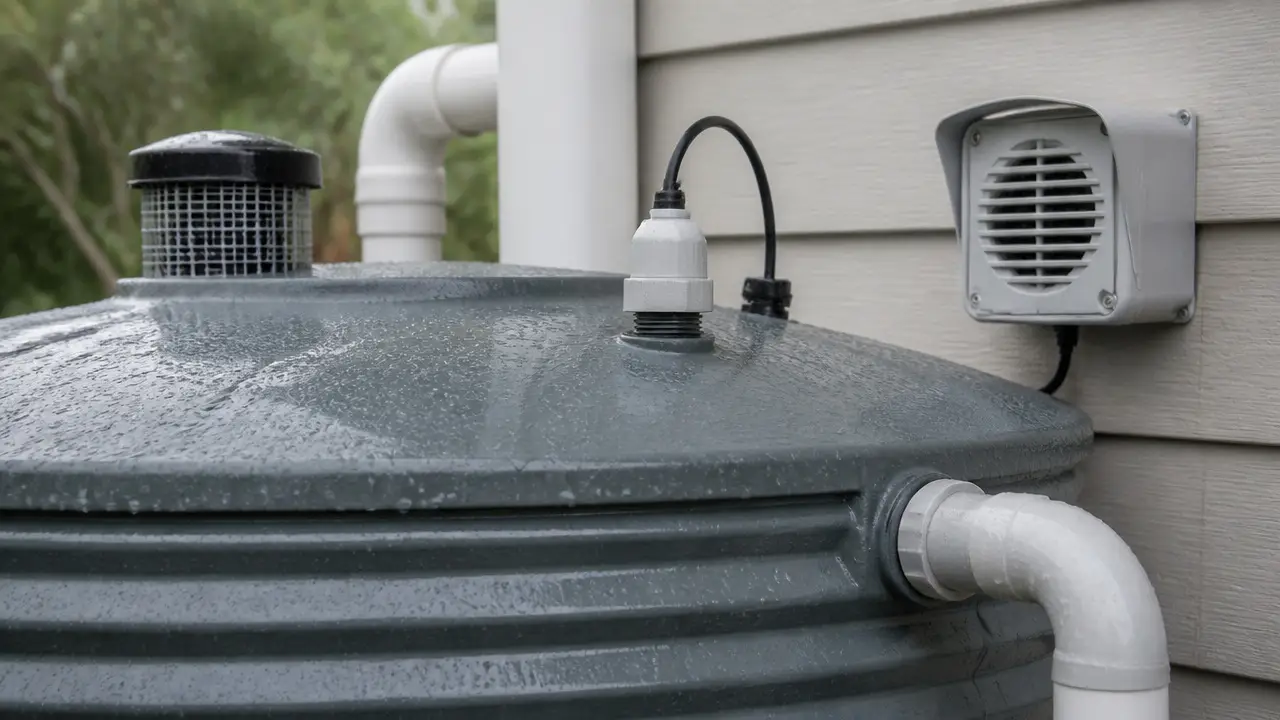
Rainwater tanks have many of the same temperature concerns as household cold-water cisterns.
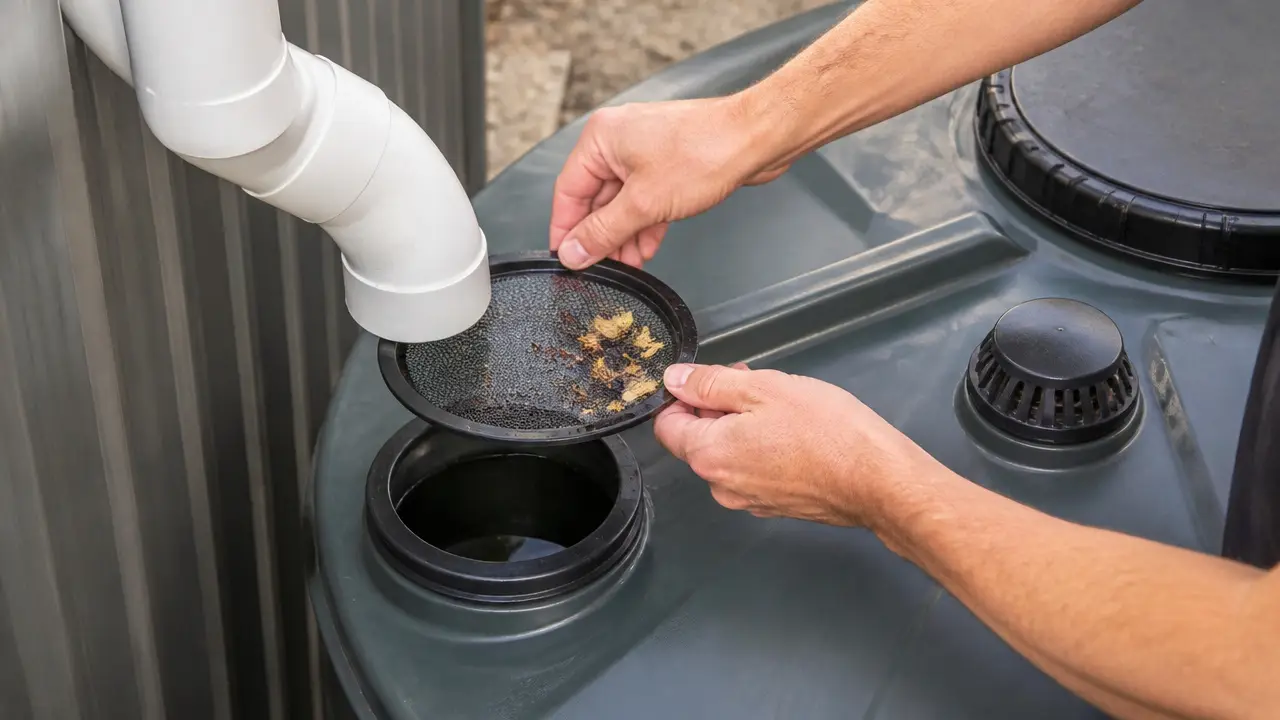
Keeping collected rainwater cool is generally preferable because warm, stagnant water can encourage biological growth and reduce water quality.
Insulation can help, but tank location is often just as important.
A rainwater tank normally does better when it is:
- protected from direct sunlight
- fitted with an opaque, secure cover
- sized so water does not sit unused for excessive periods
- protected from freezing where needed
- connected with pipes and fittings suited to the local climate
For above-ground systems, shading the tank may sometimes provide more practical summer protection than adding thick insulation around the entire tank.
Do not rely on insulation to make stored rainwater suitable for drinking. Potable means water that is suitable for human consumption. Drinking-water use requires appropriate collection, treatment, maintenance, testing, and compliance with local requirements.
Should the Pipes Be Insulated Too?
Often, yes.
Insulating the tank but leaving its pipes exposed can leave weak points in the system.
Water Regs UK recommends protecting cold-water cisterns and associated pipework from freezing and excessive warming when they are at risk.
Pay particular attention to pipes running through:
- lofts
- crawl spaces
- exterior walls
- unheated garages
- sheds
- outdoor pump areas
Valves and fittings can also be vulnerable.
Pipe insulation must fit properly around the pipe. Gaps at elbows, tees, valves, and connections reduce its effectiveness.
Should You Insulate Under a Loft Water Tank?
Not always.
For a traditional cold-water tank sitting in a cold loft above heated rooms, common UK guidance is to insulate the tank's sides and top but not directly beneath it. Leaving the bottom exposed allows some heat from the room below to reach the tank.
Alongside protecting a water storage tank from freezing, verify weather protection that preserves maintenance access.
This setup is different from an outdoor rainwater tank sitting on a concrete pad or tank base.
Do not copy the loft arrangement to another installation without considering how the tank is supported and where its heat comes from.
Never alter a tank base or support structure just to add insulation unless the tank manufacturer allows it. A full tank is very heavy, and the base must support that load evenly.
How Much Insulation Does a Tank Need?
There is no single thickness that is correct for every tank.
The amount depends on:
- tank material
- tank size
- indoor or outdoor location
- local minimum temperature
- how long freezing weather lasts
- summer heat and sun exposure
- whether nearby space is heated
- how often the water is replaced
- insulation material and thermal performance
Use insulation intended for the environment where the tank is installed. Outdoor materials need protection from rain, ultraviolet light, pests, and physical damage.
For a household cistern, also use materials that are appropriate around potable-water systems where required. Materials that could contaminate stored water or produce unsuitable condensation should not contact the water or relevant internal surfaces.
Insulation Does Not Solve Stagnant Water
Keeping water cold does not fix poor turnover.
Turnover means old stored water is regularly replaced by fresh water as the system is used.
A tank that is much larger than needed may hold water for a long time. For household cold-water systems, avoiding excessive storage and stagnant areas is an important part of maintaining water quality.
The same basic idea matters in a rainwater system. A huge storage tank may be useful where rainfall is seasonal, but water quality still depends on collection conditions, storage design, cleaning, and intended use.
Insulation Does Not Guarantee Freeze Protection
This limitation matters in cold climates.
Insulation only slows the movement of heat. Imagine putting a cold drink in an insulated cooler. The cooler keeps the temperature from changing quickly, but it cannot hold that temperature forever.
A water tank works the same way.
During prolonged freezing weather, an above-ground tank may eventually become cold enough to freeze even with good insulation.
Depending on the system, winter protection may involve draining exposed sections, placing vulnerable equipment in a protected enclosure, locating pipes below the local frost depth, or designing the system for seasonal shutdown.
Electrical heaters and heat-trace systems introduce electrical and fire risks around water. Installation should follow the equipment manufacturer's requirements and applicable electrical rules. Use a qualified electrician where required.
Do Not Forget Heat Protection
Cold-water insulation is not only about winter.
A tank near hot pipes, heating equipment, an uninsulated roof, or direct sunlight can absorb unwanted heat.
The Drinking Water Inspectorate advises keeping household water-storage tanks insulated, away from sunlight, and away from heat sources so that stored water remains as cold as practical.
For an outdoor rainwater tank, a shaded position can help considerably. An opaque tank also limits light entering the stored water, which helps discourage algae.
When Insulation May Not Be Necessary
You may not need extra insulation when the tank is:
- inside conditioned living space
- naturally protected from temperature extremes
- buried at an appropriate depth
- installed in a climate with little freezing risk and little heat exposure
- already supplied with suitable factory insulation
Even then, check the pipes and fittings separately. A protected tank can still have an exposed pipe that freezes or becomes excessively warm.
A Simple Way to Decide
Look at where the tank spends the hottest and coldest parts of the year.
If that space can freeze, become very hot, or experience large temperature swings, insulating the tank is usually worthwhile.
For most systems, think beyond the tank itself. The complete path matters:
Tank → outlet → valves → pipes → pump → filters → point of use
Protecting the tank while leaving the rest exposed may simply move the problem to another part of the system.
Frequently Asked Questions
Does a plastic cold water tank need insulation?
It can. Plastic slows heat transfer somewhat, but the tank can still become hot or freeze when exposed to extreme temperatures. Insulation is useful for plastic tanks in cold lofts, garages, sheds, and exposed outdoor locations.
Will insulating a water tank stop it from freezing?
Not indefinitely. Insulation slows heat loss but does not generate heat. A tank may still freeze during long periods of subfreezing weather.
Should I insulate an outdoor rainwater tank?
It can help in climates with temperature extremes. Shade is also useful for reducing summer heat. In freezing climates, protect pipes, valves, pumps, and filters as well as the tank.
Should the bottom of a cold water tank be insulated?
It depends on the installation. For traditional loft cisterns in the UK, guidance commonly recommends insulating the sides and top while leaving the underside uninsulated so heat from the building below can reach the tank. Outdoor and other tank installations may require a different approach.
Do cold water pipes need insulation?
They should be insulated when they are at risk of freezing or excessive warming. Pipes in unheated lofts, garages, sheds, crawl spaces, and outdoor areas often benefit most.
Can insulation keep stored water below 20°C?
It can help slow heat gain, but it cannot actively cool the water. Tank location, shade, water turnover, nearby heat sources, and incoming water temperature also matter. UK guidance recommends designing household cold-water systems to keep stored and distributed water below 20°C where practical.
Does insulating a rainwater tank make the water safe to drink?
No. Insulation only helps control temperature changes. It does not remove microbes, chemicals, metals, or other contaminants. Drinking-water use requires a suitable whole-system approach that may include collection controls, prefiltration, treatment, maintenance, current laboratory testing, and compliance with local requirements.