As an affiliate, we may earn a commission from qualifying purchases. We get commissions for purchases made through links on this website from Amazon and other third parties.
For most homes, 45 to 60 psi is a good water-pressure range. PSI means pounds per square inch, a unit used to measure water pressure.
The U.S. EPA WaterSense program recommends incoming household water pressure between 45 and 60 psi. This range gives most fixtures and appliances enough pressure while reducing stress on pipes, valves, hoses, and fittings.
Pressure does not need to be exactly the same in every house. Pipe size, elevation, water demand, and the water source all affect what you see at a faucet.
What Is a Good Water Pressure for a House?
A useful guide is:
| House Water Pressure | What It Usually Means |
|---|---|
| Below 30 psi | Often feels weak |
| 30–40 psi | Usable, but may feel low |
| 45–60 psi | Good range for most homes |
| 60–80 psi | Strong; may be higher than needed |
| Above 80 psi | Too high for many residential plumbing systems |
EPA WaterSense recommends 45 to 60 psi for incoming service pressure.
The 80 psi number is also important. The 2024 International Residential Code, for example, limits static water pressure to 80 psi and calls for a pressure-reducing valve when the main supply exceeds that level. Local plumbing codes can differ, so check the rules that apply where you live.
As of August 2026, the EPA also notes that most U.S. plumbing codes require a pressure-regulating valve when domestic supply pressure exceeds 80 psi.
Static Pressure and Flowing Pressure Are Different
When checking house pressure, it helps to understand two measurements.
Static pressure is the pressure in the plumbing when no water is running.
Flowing pressure, sometimes called dynamic pressure, is the pressure while water is moving through the pipes.
For example, your gauge might show 55 psi when everything is off. When someone turns on a shower, washing machine, and outdoor faucet at the same time, the pressure may fall.
A small drop is normal. A large drop can point to another problem, such as:
- An undersized supply pipe
- A partly closed valve
- A clogged filter
- A failing pressure regulator
- A weak pump
- A restricted pipe
- Heavy water use at the same time
This difference matters with rainwater systems too. A pump may reach 60 psi when no water is moving but fail to maintain useful pressure when several fixtures are open.
Is 40 PSI Enough for a House?
Yes, 40 psi can be enough for many homes.
You should usually be able to run normal faucets, toilets, showers, and appliances at this pressure. However, the pressure may feel weak if the house has long pipe runs, small pipes, multiple floors, or several fixtures running at once.
If your static pressure is around 40 psi but falls sharply when water is used, increasing the pressure setting may not solve the real problem. Check for restrictions and flow problems first.
The EPA considers pressure much below its recommended 45-to-60-psi range worth investigating, including checking for leaks.
Is 50 or 60 PSI Good Water Pressure?
Yes. 50 to 60 psi is a good target for most residential plumbing systems.
At this pressure, you normally have enough force for showers and household fixtures without placing unnecessary pressure on plumbing components.
More pressure is not always better.
Increasing pressure can increase water flow through some fixtures. It can also place more stress on:
- Washing machine hoses
- Toilet fill valves
- Faucet cartridges
- Water heater connections
- Flexible supply lines
- Filters and filter housings
- Appliance inlet valves
- Pipe joints
A house that works well at 50 or 55 psi usually gains little from being pushed toward 80 psi.
Is 80 PSI Too High?
80 psi is the upper limit used by many plumbing codes, not a good everyday target for most houses.
The International Plumbing Code requires a pressure-reducing valve where pressure inside a building exceeds 80 psi static.
If you measure pressure near or above 80 psi, do not simply assume that strong pressure is beneficial. Check whether the home has a pressure-reducing valve, often shortened to PRV.
A PRV is installed in the water supply line to lower high incoming pressure to a safer level.
High pressure can contribute to leaks, premature equipment wear, and excess water use.
If the PRV needs replacement or changes to the main plumbing are required, that is normally a job for a qualified plumber.
How to Check Your House Water Pressure
A simple pressure gauge can give you a useful first reading.
Choose a gauge made for household water systems that can connect to a hose-thread outlet.
1. Turn off water-using fixtures
Make sure faucets, showers, washing machines, irrigation valves, and other water users are off.
This gives you the static pressure.
2. Attach the gauge
A common testing point is an outdoor hose bib, sometimes called a hose faucet.
The EPA also notes that a washing machine cold-water connection or suitable first-floor cold-water faucet can be used.
3. Open the valve fully
Read the pressure on the gauge.
For most homes, a reading around 45 to 60 psi is a useful target.
4. Check the pressure while water is running
Leave the gauge connected and open another faucet or shower.
If the pressure falls a little, that is normal. If it falls dramatically, you may have a flow restriction or supply problem rather than simply low static pressure.
Why House Water Pressure Can Be Too Low
Review practical considerations for 120 psi a high water pressure to assess controls suited to expected flow and connected pipework.
Low pressure has many possible causes.
Before adding a pump or changing a regulator, check the simple causes first.
Partly closed valves
A main shutoff valve that is not fully open can restrict flow.
Clogged filters
Whole-house sediment filters can slowly collect debris. Pressure may look acceptable before the filter but fall after it.
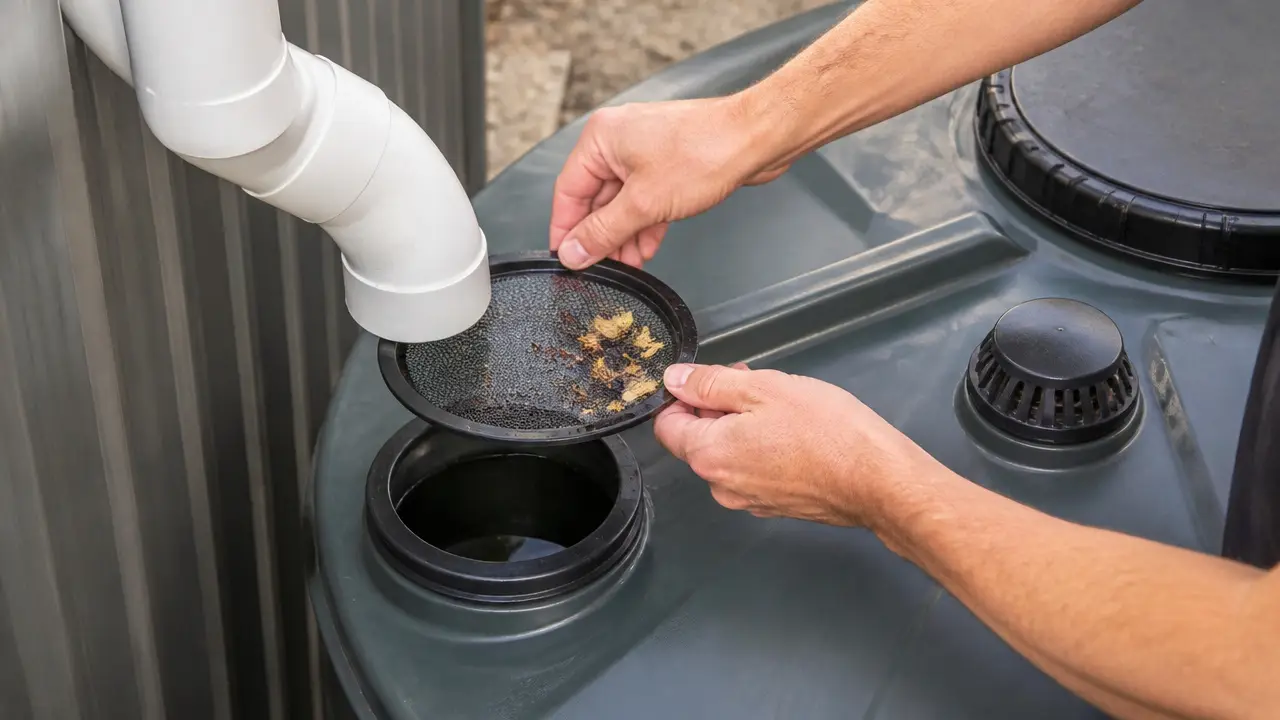
This is especially important in rainwater systems, where sediment filters need regular inspection and cleaning or replacement.
Failing pressure regulator
A worn PRV can cause low, high, or unstable pressure.
Pipe restrictions
Old pipes can become restricted by mineral deposits or corrosion.
Leaks
A significant plumbing leak can reduce the pressure available to fixtures.
Supply limitations
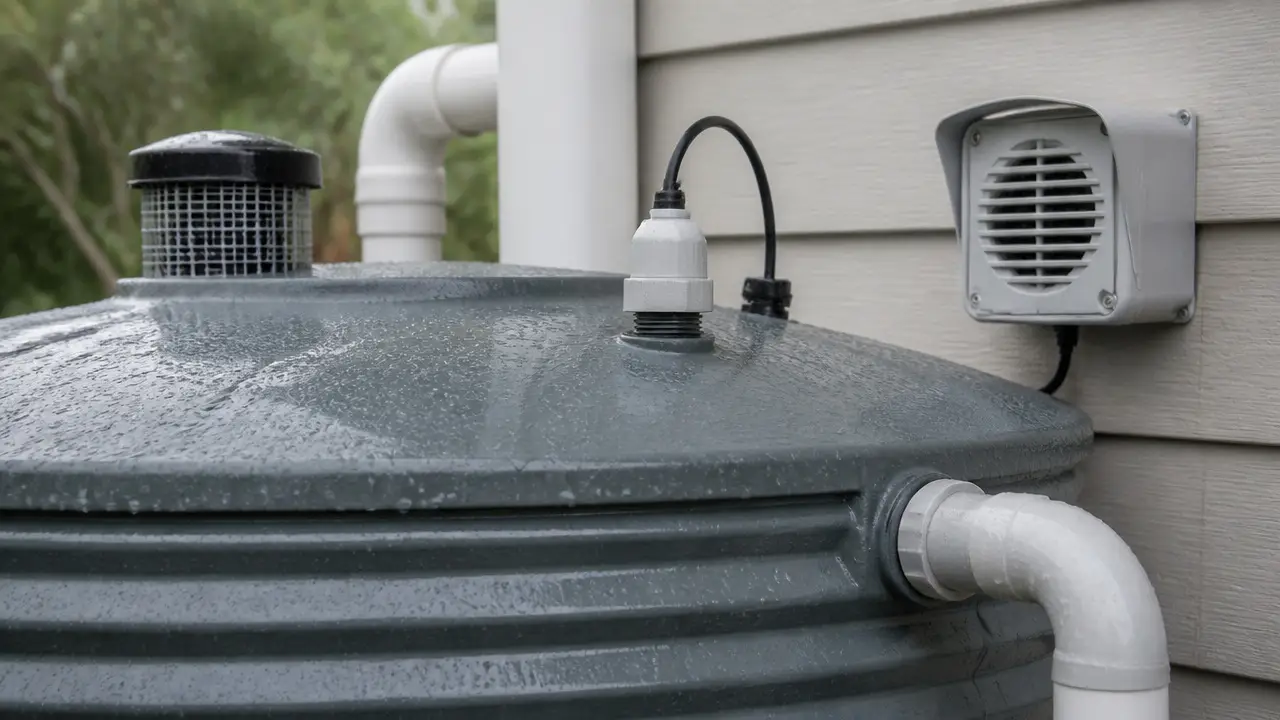
A municipal water main, well pump, rainwater pump, or storage system can only provide a certain amount of water.
Pressure and flow rate are not the same thing. Flow rate is how much water moves over time, usually measured in gallons per minute, or GPM.
You need enough of both.
What PSI Should a Rainwater System Supply to a House?
A rainwater system serving household fixtures usually needs to provide pressure similar to the pressure those fixtures would receive from a normal household water supply.
For many applications, that puts the useful operating range around 45 to 60 psi. The exact setup depends on the fixtures being supplied and the pump manufacturer's operating limits.
The plumbing code also treats pumped rainwater pressure carefully. Under the International Plumbing Code provisions for non-potable rainwater systems, a pressure-reducing valve is required when pump pressure exceeds 80 psi static.
Do not choose a rainwater pump based on maximum PSI alone.
Also consider:
- Required flow rate
- Height the water must be lifted
- Pipe size and length
- Pressure loss through filters
- Number of fixtures used together
- Pump start and stop settings
- Pressure tank requirements
- Dry-run protection
Head height is the vertical distance a pump must lift water. Greater height requires more pump pressure.
Filters also create resistance. A dirty filter can reduce pressure even when the pump itself is working correctly.
Rainwater used inside a house must also be kept properly separated from potable plumbing where required. Potable means water intended and suitable for drinking. Non-potable means water that is not supplied as drinking water. Follow current local plumbing and cross-connection rules for any system connected to household piping.
Do Not Fix Every Low-Pressure Problem With a Bigger Pump
Low pressure does not always mean you need more pump power.
Suppose a rainwater pump reaches 55 psi when all valves are closed but the shower becomes weak when irrigation starts.
The problem could be insufficient flow rather than insufficient maximum pressure. It could also be caused by a small pipe, clogged filter, long pipe run, or excessive elevation.
Installing a larger pump without finding the cause can create new problems. It may exceed the pressure limits of tanks, filter housings, valves, fittings, or appliances.
Check the whole path from the water source to the fixture.
When to Call a Plumber or Pump Professional
Get qualified help if:
- Static pressure is above 80 psi.
- Pressure changes sharply without an obvious reason.
- The PRV needs repair or replacement.
- Pipes bang when valves close.
- You see repeated leaks or failed supply hoses.
- A pressure pump cycles rapidly.
- A well or rainwater pump will not shut off.
- You need to connect rainwater plumbing to household plumbing.
- You are unsure about backflow or cross-connection protection.
Pressure systems store energy. Pumps, pressure tanks, regulators, and electrical controls should be installed within their rated limits.
Frequently Asked Questions
What PSI should house water pressure be?
For most homes, 45 to 60 psi is a good target. This provides useful pressure for common fixtures without putting unnecessary stress on the plumbing system.
Is 70 psi too high for house water pressure?
Seventy psi is below the 80 psi maximum used by many plumbing codes, but it is higher than most homes need. A lower setting around 45 to 60 psi is often enough for normal household use.
Is 30 psi too low for a house?
Thirty psi can provide water, but many people will notice weak showers or slow flow when several fixtures are used. Check the pressure while water is running before deciding what needs to change.
How do I know if my water pressure is too high?
Attach a water pressure gauge to a suitable hose-thread connection and check the static pressure with water fixtures turned off. Pressure approaching or exceeding 80 psi should be investigated.
Can I adjust my home's water pressure?
Some homes have an adjustable pressure-reducing valve. Adjustment should stay within the valve, plumbing, fixture, and local-code limits. If you are unsure about the valve or pressure changes unexpectedly, have a plumber check it.
What pressure should a rainwater pump provide?
It depends on the fixtures, pipe layout, height, filters, and required flow. Systems supplying household-style fixtures often operate in a range similar to normal residential pressure, but the pump must be sized for both pressure and flow.
Why is my pressure good until I turn on several faucets?
Static pressure can be normal even when the system cannot supply enough flow. Small pipes, clogged filters, weak pumps, restrictions, long pipe runs, or high water demand can cause pressure to fall while water is moving.