As an affiliate, we may earn a commission from qualifying purchases. We get commissions for purchases made through links on this website from Amazon and other third parties.
A UV water treatment system can last for many years, but the UV lamp usually needs replacement much sooner. For many residential systems, the lamp is rated for about 9,000 hours of operation, or roughly one year of continuous use. VIQUA and Pentair both recommend annual replacement for many standard residential UV lamps.
Some newer systems use longer-life lamps with replacement intervals of about two years. Always follow the schedule for the specific UV unit rather than assuming every lamp lasts the same amount of time.
UV Lamp Life vs. UV System Life
When people ask how long a UV water filter lasts, they may be talking about two different things.
The UV lamp is a maintenance part. It gradually produces less useful UV light as it ages, even if it still appears to be glowing.
The rest of the UV system includes parts such as:
- Stainless-steel treatment chamber
- Quartz sleeve
- Controller or ballast
- UV sensor on some systems
- Seals and O-rings
- Electrical connections
These parts do not normally need yearly replacement. A properly installed system can continue through many lamp replacement cycles. Their actual lifespan depends on the equipment, water conditions, operating environment, and maintenance.
Technically, UV is also a disinfection treatment rather than a filter. It exposes water to ultraviolet light but does not physically strain sediment from the water.
How Long Does a UV Lamp Last?
For a typical continuously operating residential system, plan on replacing a standard UV lamp about once every 12 months.
VIQUA states that most of its UV lamps have a useful life of about 9,000 hours. Pentair gives the same approximate 9,000-hour effective life for many residential systems and recommends annual replacement.
Nine thousand hours is a little more than a calendar year, but replacement recommendations are based on dependable UV output rather than waiting for the lamp to completely fail.
That distinction matters.
A UV lamp can still light up after its effective treatment life has passed. Visible light does not tell you whether it is still supplying the UV dose the system was designed around.
Longer-life lamps are available
Not every UV lamp follows the one-year rule. Some systems use different lamp technology and specify longer replacement intervals. For example, certain amalgam-lamp systems use a two-year schedule.
Use the replacement lamp and schedule listed for your exact unit. Do not extend the interval simply because another UV system advertises a longer lamp life.
Why UV Lamps Need Replacement Before They Burn Out
UV lamp output decreases with age.
The lamp may remain electrically functional while producing less effective germicidal UV radiation. EPA guidance notes that lamp output declines over time and that replacement should follow the lamp's rated or guaranteed service life.
That is why running a UV lamp until it goes dark is not a good maintenance strategy when the system is being relied on for microbiological treatment.
Many residential systems include a lamp-life timer or controller alarm. Reset that timer only after installing the correct replacement lamp.
The Quartz Sleeve Also Affects UV Performance
Most UV systems place the lamp inside a clear quartz sleeve. The sleeve keeps water away from the lamp while allowing UV light to pass into the treatment chamber.
The sleeve usually does not have a simple annual replacement schedule. Instead, it needs inspection and cleaning.
Minerals, iron, sediment, and other deposits can coat the quartz. VIQUA notes that this coating reduces the amount of UV light reaching the water. A sleeve that cannot be cleaned completely, or one that becomes scratched or cracked, should be replaced.
So a new UV lamp behind a heavily fouled quartz sleeve may still give poor treatment performance.
Water Quality Can Shorten the Effective Maintenance Interval
UV works best when light can pass through the water easily.
Cloudy water, suspended sediment, mineral deposits, and other material can interfere with UV treatment. That is one reason UV systems are commonly installed after appropriate pretreatment.
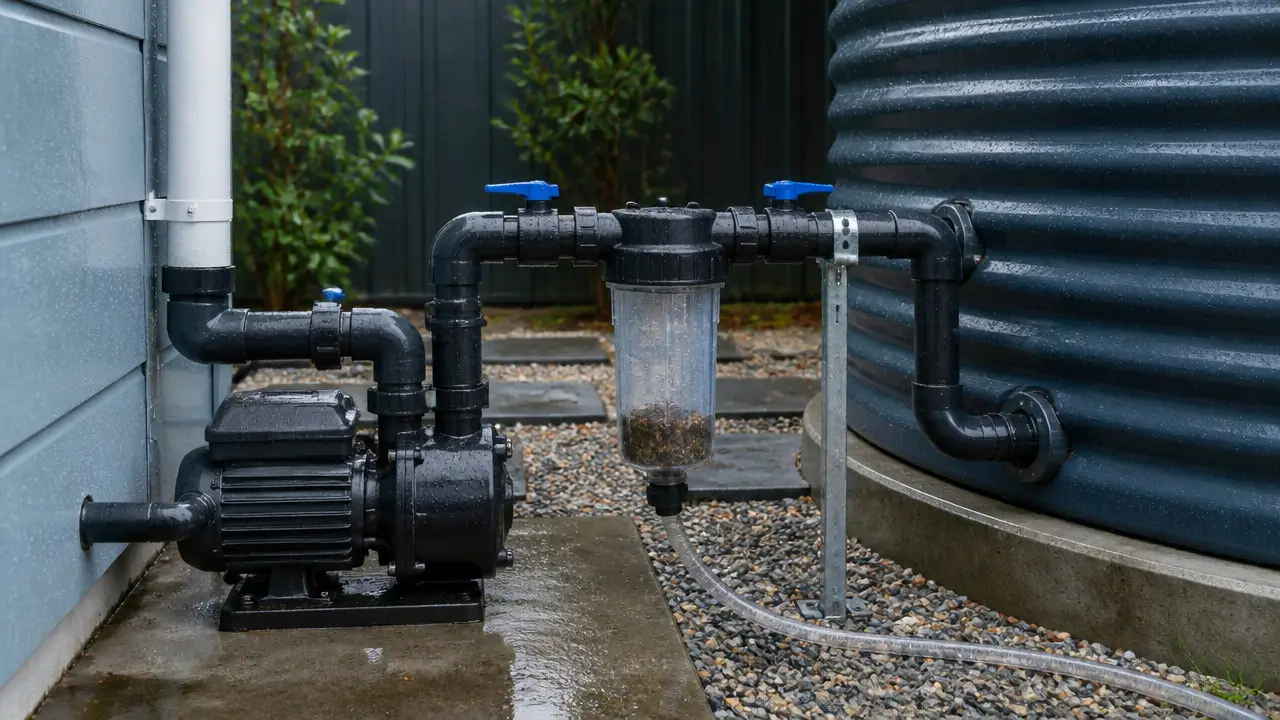
For a rainwater system, the treatment path might include roof-debris control, first-flush management, storage management, and sediment filtration before the water reaches the UV chamber. A first flush diverts some of the initial roof runoff, which can carry a higher load of accumulated debris.
The exact treatment stages depend on the water source and intended use.
A prefilter also has its own replacement schedule. Changing the UV lamp does not replace the need to maintain sediment filters or clean the quartz sleeve.
Should You Turn a UV System Off to Make the Lamp Last Longer?
Account for key facts about the downside of UV disinfection water to understand installation details that support reliable daily use.
Usually, no.
Residential UV systems designed for continuous treatment are generally intended to stay on. VIQUA recommends leaving its systems operating even when water is not being used so untreated water cannot pass through while the lamp is off.
Frequent switching is therefore not a good way to stretch lamp life.
Follow the manufacturer's instructions when shutting a system down for winterization, servicing, draining, or extended seasonal storage.
A Practical UV Maintenance Schedule
A simple maintenance routine looks like this:
| Part | Practical approach |
|---|---|
| Standard UV lamp | Commonly replace about every 12 months |
| Long-life UV lamp | Follow its specified schedule; some are about 2 years |
| Quartz sleeve | Inspect and clean as required |
| Sediment prefilter | Replace based on the filter and water conditions |
| O-rings and seals | Inspect during service |
| Controller and alarms | Confirm they are operating normally |
| UV sensor, if fitted | Maintain according to the system manual |
Do not use this table in place of the manual for your particular system. Lamp designs, sensors, pretreatment needs, and maintenance schedules vary.
Signs Your UV System Needs Attention
Service the system if you notice:
- A lamp-replacement warning
- A UV intensity alarm
- A lamp-failure alarm
- Visible deposits on the quartz sleeve
- Repeatedly dirty sediment filters
- Leaks around the sleeve or seals
- A damaged electrical connection
- Unexpected controller warnings
An alarm should not simply be reset without finding the cause.
Low UV intensity, for example, could result from an aging lamp, a dirty quartz sleeve, poor water clarity, or another system problem.
Does UV Make Stored Rainwater Safe to Drink?
Not by itself.
UV can be an important microbiological treatment stage, but it does not remove sediment, dissolved chemicals, metals, salts, or every other possible contaminant. NSF describes UV treatment under NSF/ANSI 55 as treatment intended for specific microbiological purposes, with different requirements for Class A and Class B systems.
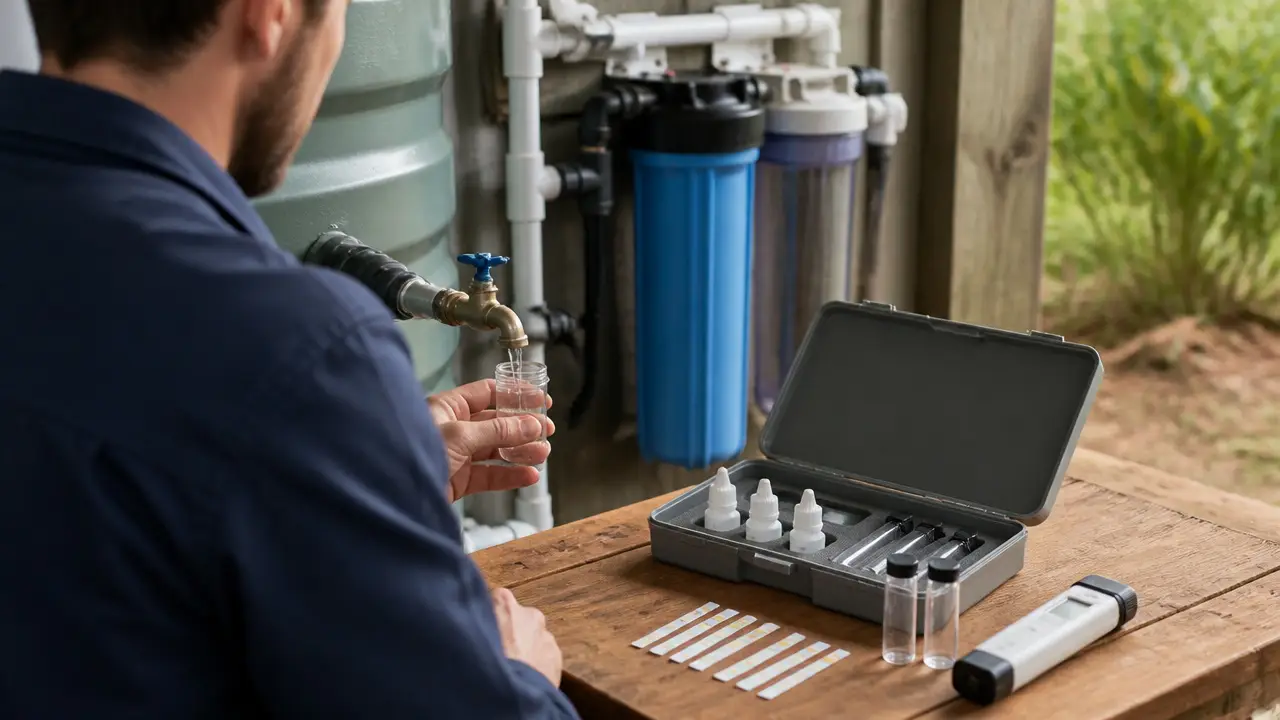
For rainwater intended for drinking, treat safety as a whole-system decision. Suitable collection surfaces, debris control, storage, pretreatment, properly sized treatment equipment, ongoing maintenance, and current laboratory water testing can all matter.
A working UV lamp alone does not establish that collected rainwater is potable, meaning suitable for drinking. Local requirements may also apply to potable rainwater systems.
How to Get the Longest Useful Life From a UV System
The best way to extend system life is not to delay lamp replacement. Instead:
- Keep sediment and debris from reaching the UV unit.
- Maintain upstream filters.
- Inspect and clean the quartz sleeve.
- Use the exact replacement lamp specified for the system.
- Keep the controller and electrical components dry.
- Protect equipment from freezing where applicable.
- Do not exceed the system's rated flow.
- Respond to alarms instead of simply resetting them.
- Follow the manufacturer's shutdown and restart procedure.
Flow rate means how much water passes through the unit over a given time. If water moves through a UV chamber faster than the system was designed to handle, exposure to UV light may be inadequate even with a new lamp.
Frequently Asked Questions
Do UV water filters really need a new bulb every year?
Many do. Standard residential UV lamps commonly have an effective life of about 9,000 hours and are replaced annually. Some systems use lamps with longer replacement schedules, so check the manual for your exact unit.
Can I keep using a UV bulb if it still lights up?
You should not rely on visible light as proof that the lamp is still providing its designed UV output. UV output declines as lamps age, which is why manufacturers specify a replacement interval.
Does turning the UV light off at night make it last longer?
For systems designed for continuous water treatment, that is generally not recommended. Keeping the UV unit operating prevents water from passing through while treatment is unavailable.
How often should I clean the quartz sleeve?
There is no single interval that fits every water supply. Inspect it during regular servicing and clean it when deposits form. Water with more minerals, iron, or other fouling material may require more frequent attention.
Does the quartz sleeve need to be replaced every year?
Usually not simply because a year has passed. It should be replaced if it is cracked, scratched, damaged, or cannot be cleaned adequately.
Will UV remove sediment from rainwater?
No. UV is a disinfection process, not a sediment filter. Suspended material should be controlled with suitable collection practices and pretreatment before the UV stage when required.
Can an old UV lamp make rainwater unsafe?
An aging lamp can produce less effective UV output. If UV is being relied on as a treatment stage, operating beyond the specified lamp life can reduce confidence that the required UV dose is being delivered. Drinking-water safety still depends on the complete collection and treatment system, not just the lamp.