As an affiliate, we may earn a commission from qualifying purchases. We get commissions for purchases made through links on this website from Amazon and other third parties.
UV water purifiers really do work, but only for the job they are designed to do. A properly sized and maintained ultraviolet system can disinfect clear water by inactivating bacteria, viruses, and parasites. It does not remove dirt, metals, salts, pesticides, or most other chemicals.
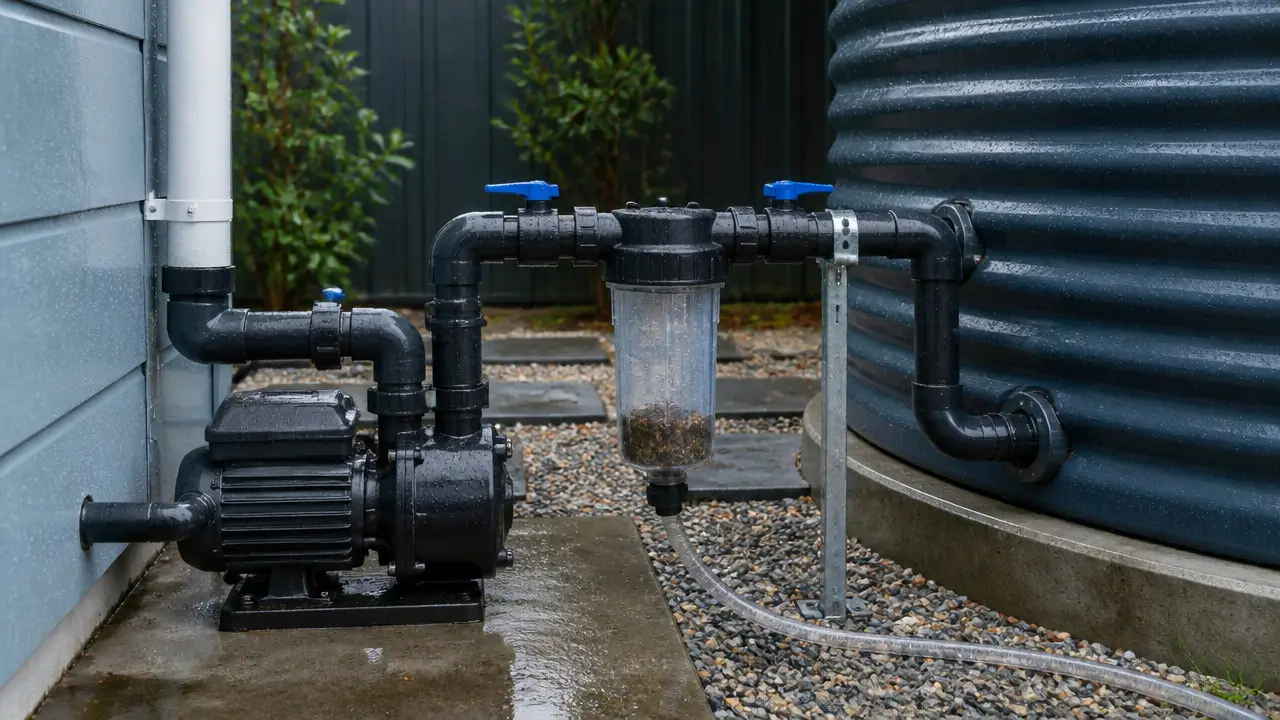
That distinction matters with rainwater. Roof runoff can contain both germs and chemicals. A UV unit can be a useful final disinfection stage, but it should not be treated as a complete rainwater treatment system. CDC guidance says UV systems work better when the water is filtered before it reaches the UV chamber.
How a UV Water Purifier Works
A UV system passes water through a chamber containing an ultraviolet lamp. The UV light damages microorganisms so they can no longer reproduce normally.
Unlike a sediment filter, the UV unit does not physically catch the germs. Water flows through the chamber while the light disinfects it.
This makes UV very different from common filters:
- A sediment filter catches suspended particles.
- An activated carbon filter can address certain chemicals, tastes, and odors, depending on its design.
- Reverse osmosis separates many dissolved contaminants from water.
- UV disinfects microorganisms without removing them from the water.
For a rainwater system, these treatment methods may need to work together rather than compete with one another.
What Does UV Treatment Kill or Inactivate?
A correctly designed UV system can be effective against many:
- Bacteria
- Viruses
- Protozoan parasites
CDC lists UV systems with prefiltration as effective treatment for parasites, bacteria, and viruses.
This is why UV is used in home treatment systems as well as larger water-treatment plants.
But effectiveness depends on the system delivering enough UV exposure to the microorganisms. Simply putting a UV lamp somewhere in a water line does not guarantee proper disinfection.
What UV Does Not Remove
This is where the word purifier can be misleading.
UV treatment does not normally remove:
- Sediment
- Mud or rust
- Dissolved salts
- Lead
- Arsenic
- Nitrates
- Most pesticides
- Other dissolved chemicals
- Hardness minerals
- Bad tastes or odors
CDC specifically notes that household UV treatment with prefiltration does not remove chemicals.
That is especially important for collected rainwater. Water can pick up chemicals from roofing materials, gutters, pipes, storage materials, air pollution, and other surfaces. It can also pick up germs from bird or animal droppings.
A UV lamp can address part of that problem. It cannot address all of it.
Why Clear Water Matters So Much
UV light needs to reach the microorganisms in the water.
If the water is cloudy, particles can block the UV light. A germ hidden behind a particle may receive less UV exposure than the system was designed to provide.
CDC therefore recommends filtering water before UV treatment and notes that UV does not work well in cloudy water.
This is one reason a UV unit usually belongs near the end of a treatment system rather than directly after a rainwater tank.
A basic rainwater treatment path might look something like:
roof protection → debris screening → first flush → storage → sediment filtration → other treatment if needed → UV disinfection
A first flush device diverts some of the first runoff from a storm. That first runoff often carries more roof dirt and contamination. It can improve incoming rainwater quality, but it is not a substitute for treatment when water will be used for drinking.
The exact treatment stages should depend on the water source, test results, and intended use.
Flow Rate Can Make or Break a UV System
Every UV system is designed to treat water within certain operating limits.
Flow rate means how much water moves through the system during a given amount of time.
If water moves through the UV chamber faster than the unit was designed for, it may receive less UV exposure. That can reduce disinfection performance.
This means you should not size a UV unit only by pipe diameter.
You also need to consider the highest flow the system may experience when several fixtures are operating at once. A cabin supplying one faucet has very different needs from a house supplying showers, sinks, and appliances at the same time.
Do not assume that installing a larger pipe or pump automatically improves the UV system. A stronger pump may actually create a problem if it pushes water through the UV chamber above its rated treatment flow.
Prefilters Help the UV Unit Do Its Job
Rainwater often carries very fine suspended material even after larger leaves and debris have been removed.
Sediment filtration before the UV chamber helps reduce particles that can interfere with UV exposure.
The correct filter arrangement depends on the water. Some systems use more than one sediment stage, moving from a coarser filter to a finer one.
A filter's micron rating describes the size of particles it is designed to capture. A micron is one-millionth of a meter.
Do not choose a very fine filter simply because a lower micron number sounds safer. Finer filtration can also increase pressure loss and require more frequent cartridge changes. The filter system has to match the pump, plumbing, expected sediment load, and required flow.
Water testing may also show that treatment beyond sediment filtration is needed.
UV Does Not Keep Protecting the Water After Treatment
One important limitation of UV is that it does not leave a disinfectant behind in the water.
CDC notes that UV can disinfect water effectively at the treatment point, but unlike disinfectants such as chlorine, it does not continue disinfecting water as it travels through pipes.
This matters if treated water then enters:
- Dirty plumbing
- A contaminated pressure tank
- A long distribution line
- Another storage tank
- Plumbing with stagnant sections
Water can potentially become contaminated again after it has passed through the UV unit.
Good system design therefore includes clean downstream plumbing and sensible placement of the UV chamber. Adding a UV system to badly contaminated plumbing without addressing the rest of the system is not a complete fix.
UV Systems Need Electricity
Most household UV systems depend on electrical power.
If the lamp goes out, the system no longer provides UV treatment even though water may still be able to flow through the plumbing.
That is an important concern for cabins, off-grid systems, and homes with frequent outages.
Depending on the system, useful safeguards may include:
- Lamp-status indicators
- Audible or visible alarms
- UV intensity monitoring
- Automatic shutoff controls
- Backup electrical power
Features vary by system, so check exactly what a unit monitors. A glowing indicator does not automatically prove that the water received the required treatment.
The Lamp and Sleeve Need Maintenance
Understanding UV disinfection contact time helps assess service needs that influence lifecycle performance.
UV systems are not maintenance-free.
The UV lamp gradually loses useful output as it ages. It may still appear to be glowing even when replacement is due according to the manufacturer's schedule.
Many systems also place the lamp inside a clear quartz sleeve that separates it from the water. Deposits on that sleeve can reduce the amount of UV light reaching the water.
Hardness minerals, iron, sediment, or other material can contribute to fouling.
Typical upkeep can include:
- Replacing the lamp at the specified interval
- Inspecting and cleaning the quartz sleeve
- Replacing damaged seals or sleeves
- Changing upstream filter cartridges
- Checking alarms and sensors
- Inspecting the chamber for leaks
- Confirming that flow remains within system limits
Follow the manufacturer's service instructions rather than using one maintenance schedule for every UV system.
NSF Class A and Class B UV Systems Are Not the Same
If UV treatment is being considered for drinking water, certification claims deserve careful attention.
NSF/ANSI 55 covers ultraviolet microbiological water treatment systems. NSF describes two important categories.
Class A systems are designed to disinfect contaminated water and inactivate or remove microorganisms, including bacteria, viruses, and cysts.
Class B systems are intended to reduce normally occurring, non-disease-causing bacteria in drinking water that has already been disinfected.
A Class B unit should therefore not be assumed to provide the same level of protection as a Class A system for untreated rainwater, well water, or another potentially contaminated source.
Also check whether the specific model is currently certified. A manufacturer's general statement about meeting a standard is not the same as confirming that the exact unit you are buying appears in the certification listing.
Does UV Make Rainwater Safe to Drink?
Not by itself.
Collected rainwater is not automatically potable. Potable means suitable for drinking.
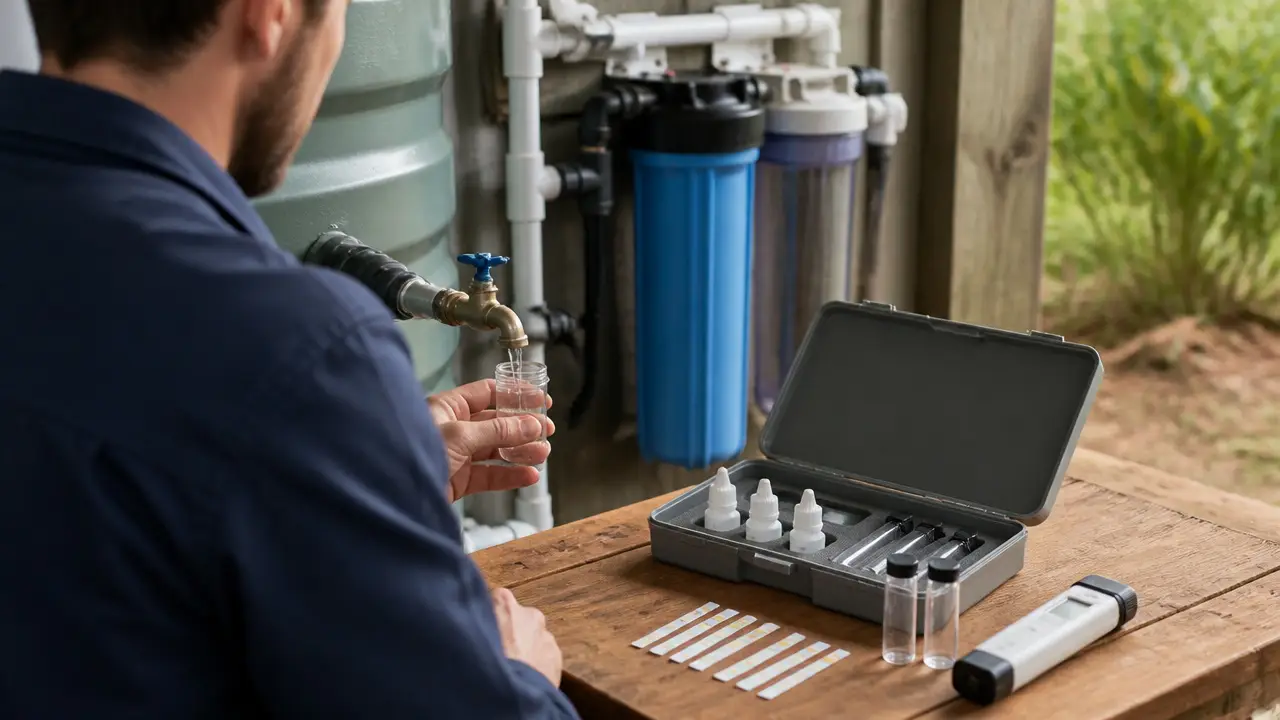
Rainwater can contain microorganisms as well as chemicals. CDC recommends regular testing for germs and chemicals when collected rainwater is used for drinking, cooking, or bathing.
For drinking-water use, think of UV as one stage in a whole system.
That system may need to address:
- Roof and collection materials
- Leaves and large debris
- First-flush runoff
- Clean, covered storage
- Sediment and cloudiness
- Specific chemical contaminants found by testing
- Microbiological disinfection
- Clean downstream plumbing
- Regular maintenance
- Ongoing laboratory testing
The required treatment depends on what is actually in the water. No single UV lamp, filter, meter, or home test strip can establish that an entire rainwater system produces safe drinking water.
For potable rainwater, use a qualified laboratory to guide testing and check current health department and local plumbing requirements. A water-treatment professional can also help when chemical contamination, whole-house plumbing, pressure equipment, or several treatment stages are involved.
Effectiveness depends on water clarity and maintenance, so consider the advantages and disadvantages of UV purification as a complete treatment stage.
When a UV System Makes Sense
UV can be a strong choice when the main remaining concern is microbiological contamination and the water has already been properly prepared for UV treatment.
It can make sense for systems such as:
- Treated rainwater supplying a home or cabin
- Private well systems with an identified microbiological treatment need
- Point-of-use drinking-water systems
- Whole-house systems where water quality meets the UV unit's operating requirements
UV is especially attractive because it disinfects without continually adding a chemical disinfectant to the water.
But that advantage also creates its main limitation: there is no ongoing disinfectant residual after the water leaves the UV chamber.
When UV Is Not Enough
UV alone is a poor answer when the water has problems such as:
- Heavy sediment or cloudiness
- Chemical contamination
- Heavy metals
- High dissolved mineral levels
- Unknown water quality
- Poorly maintained storage
- Dirty downstream plumbing
- Flow beyond the UV system's design capacity
In those cases, adding a larger UV lamp does not solve the underlying problem.
The first step should be understanding the water quality and the intended use.
Garden irrigation from a rain barrel does not normally need the same treatment system as water intended for drinking. Matching treatment to the final use avoids unnecessary equipment while keeping higher-risk uses appropriately conservative.
So, Do UV Water Purifiers Really Work?
Yes. UV water treatment is a proven way to disinfect water when the system is correctly selected, installed, operated, and maintained.
But a better name for most household units would be a UV disinfection system rather than a complete water purifier.
UV can deal with many disease-causing microorganisms. It cannot remove every contaminant that may be present in rainwater or another untreated source.
For a rainwater system, the best way to think about UV is:
Clean the water enough for UV to work, treat any other known contaminants with the appropriate process, then use UV as a final microbiological disinfection stage where appropriate.
For drinking water, back that treatment plan with current laboratory testing, ongoing maintenance, and applicable local health and plumbing requirements.
Frequently Asked Questions
Does UV light kill bacteria in water?
A properly designed UV system can inactivate many bacteria when the water receives enough UV exposure. The water must also meet the unit's operating requirements. Cloudiness and excessive flow can reduce performance.
Does a UV water purifier remove viruses?
UV systems designed for microbiological disinfection can inactivate viruses. The specific system must be designed and rated for that job. Do not assume every UV device provides the same treatment performance.
Do I need a filter before a UV water purifier?
Usually, yes. Prefiltration helps remove particles that can block UV light from reaching microorganisms. CDC specifically recommends filtering water before UV treatment, especially when the water may be cloudy.
Does UV remove lead, pesticides, or other chemicals?
No. Standard household UV disinfection does not remove chemicals such as lead simply by exposing the water to UV light. Chemical contaminants require treatment chosen for the particular contaminant.
Can I use a UV purifier on rainwater?
Yes, UV can be one treatment stage in a rainwater system. It should not be the only step used to make collected rainwater suitable for drinking. Rainwater intended for drinking should be tested for both germs and chemicals, with treatment selected for the contaminants found.
What happens if the power goes out?
An electrically powered UV unit stops providing UV treatment when it loses power. Some systems have alarms, automatic water shutoff, or monitoring features. If continuous treatment is important, power loss needs to be considered when designing the system.
How often does a UV lamp need to be replaced?
Replacement intervals vary by lamp and system. Follow the manufacturer's specified service schedule rather than waiting for the lamp to stop glowing. The quartz sleeve, filters, sensors, and other components may also need routine cleaning or replacement.