As an affiliate, we may earn a commission from qualifying purchases. We get commissions for purchases made through links on this website from Amazon and other third parties.
Collapsible water bottles can be worth it when saving space and weight matters more than having a rigid, durable bottle. They work well for travel, hiking, day trips, emergency kits, and keeping a spare bottle in a bag.
They are less appealing for everyday use if you want a bottle that stands firmly, is easy to scrub, handles rough treatment, or fits neatly into a cup holder.
The biggest differences are not just capacity and material. Look at how easy the bottle is to fill, drink from, dry, clean, and store.
When a Collapsible Water Bottle Makes Sense
A collapsible bottle is designed to become much smaller when it is empty. Some fold or roll up. Others use soft walls that flatten as you drink.
That can solve a real problem when an empty rigid bottle would otherwise take up valuable space.
A collapsible bottle can be useful for:
- Hiking and walking
- Air travel
- Camping
- Daypacks
- Bike bags
- Emergency or evacuation kits
- Keeping a backup bottle in a vehicle or backpack
- Carrying extra water capacity only when needed
For normal use around the house, office, or workshop, the space savings may not matter enough to offset the drawbacks.
The Main Advantages
They Take Up Less Space When Empty
This is the main reason to buy one.
A normal one-liter bottle still occupies roughly the same amount of room after you drink the water. A collapsible bottle may flatten, fold, or roll down to a much smaller package.
That makes a noticeable difference in a small backpack or suitcase.
They Are Usually Lightweight
Soft bottles need less rigid material than many hard bottles.
That can make them useful when you are already carrying several liters of water or trying to keep a daypack light.
The weight difference is less important for someone who mainly carries a bottle from the kitchen to a car or desk.
You Can Carry Extra Capacity Without Much Bulk
A second collapsible bottle can stay empty until you need it.
For example, you might carry one rigid bottle for normal drinking and keep a larger collapsible container folded inside your pack. You can fill it when you reach a reliable water source or when you need extra storage.
This is often more practical than carrying two bulky bottles all day.
Soft Bottles Can Shrink as You Drink
Some designs collapse as water leaves the container.
That reduces the amount of empty bottle you have to pack later. It may also keep water from sloshing as much as it does inside a partly filled rigid bottle.
Where Collapsible Bottles Are Worse
Space savings come with compromises.
They Can Be Awkward to Hold
A rigid bottle keeps its shape whether it is full or nearly empty.
A soft bottle may bend, sag, or flop around as the water level drops. Drinking with one hand can become less convenient.
Some bottles improve this with a structured base or reinforced neck, but they still usually feel less solid than a standard bottle.
They May Be Hard to Stand Upright
A full collapsible bottle may stand reasonably well. A half-empty one may not.
That can become annoying on:
- Desks
- Picnic tables
- Campsite tables
- Vehicle floors
- Uneven ground
If you frequently set your bottle beside you while working, a rigid bottle is usually easier to live with.
Cleaning Can Be More Difficult
Cleaning is one of the biggest practical drawbacks.
Soft sides can fold together and create areas that are difficult to reach. Narrow openings make the problem worse.
A bottle that accepts a bottle brush or allows good access to the inside is easier to maintain.
Pay particular attention to:
- Threads
- Bite valves
- Drinking spouts
- Straws
- Caps
- Silicone folds
- Corners near the base
These areas can hold moisture and residue.
For a bottle used only with plain drinking water, regular washing and complete drying are still important. Drinks containing sugar, milk, protein mixes, flavoring, or electrolytes generally create more cleaning work.
Drying Can Take Longer
A rigid wide-mouth bottle can usually be placed upside down or left open to air dry.
A soft bottle may collapse on itself while drying. That can trap moisture between the walls.
A bottle that can be held open while drying is much easier to maintain.
Are Collapsible Water Bottles Durable?
They can be durable enough for their intended use, but they usually should not be treated exactly like a thick rigid bottle.
Soft bottles can experience wear from:
- Repeated folding
- Sharp objects
- Rough surfaces
- Pinching
- Cap connections
- Seams
- Extreme heat
- Long-term UV exposure
The weak point is often not the middle of the bottle. Leaks are more likely to develop around seams, welded areas, fittings, caps, or places that are repeatedly folded.
Do not assume that because a bottle is flexible it can be folded sharply in any direction. Follow the manufacturer's storage instructions when available.
Are Collapsible Bottles Safe for Drinking Water?
A collapsible design by itself does not make a bottle safe or unsafe.
What matters is the material, how the bottle is manufactured, what the manufacturer says it is intended to hold, and how you clean and use it.
For drinking water, choose a container specifically sold for beverage or drinking-water use. Follow any temperature limits and cleaning instructions provided by the manufacturer.
Do not assume an unknown soft container is suitable for drinking simply because it can physically hold water.
Also inspect an older bottle before filling it. Replace it if you find significant deterioration such as:
- Cracking
- Peeling layers
- Persistent odors
- Damaged seams
- Leaking fittings
- Interior surfaces that cannot be cleaned properly
A strange taste or smell should not simply be covered with flavored drink mix.
Can You Put Rainwater in a Collapsible Bottle?
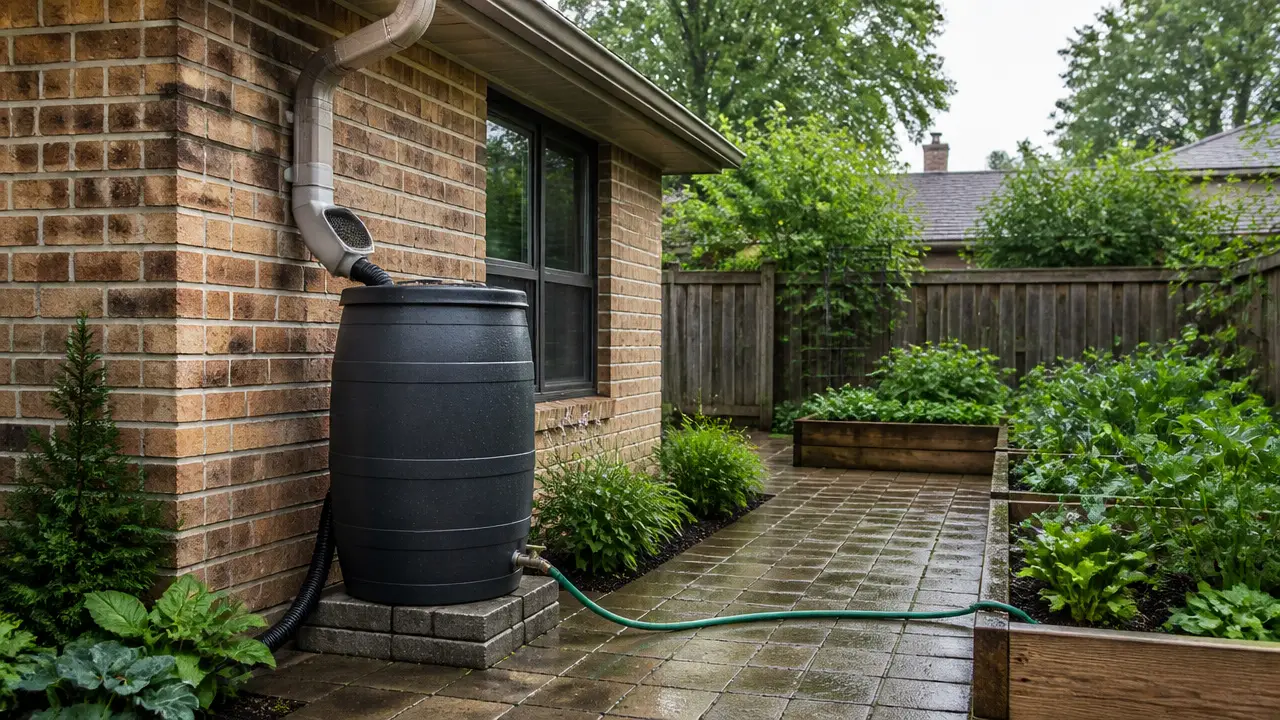
You can use a suitable bottle as a temporary container for water, but the bottle does not make untreated rainwater safe to drink.
Roof runoff can contain dirt, bird or animal waste, microorganisms, roofing debris, and other contaminants.
If rainwater is intended for drinking, safety depends on the entire system. That can include suitable collection surfaces, debris control, first-flush management, storage practices, treatment, maintenance, and appropriate water testing.
A first flush system diverts some of the initial roof runoff so that part of the dirt accumulated on the roof does not immediately enter storage.
Do not treat a collapsible drinking bottle as a purification device.
Explore recommended collapsible water containers for camping and backup storage to evaluate cleaning access for sediment and odor control.
For non-potable uses such as carrying water to plants, the requirements may be much simpler. Non-potable means water that is not intended for drinking.
Collapsible vs. Rigid Water Bottles
Neither type is always better.
| Feature | Collapsible Bottle | Rigid Bottle |
|---|---|---|
| Empty storage space | Excellent | Poor |
| Weight | Usually low | Varies |
| Easy one-handed drinking | Varies | Usually good |
| Stands upright | Sometimes | Usually |
| Easy scrubbing | Varies | Often easier |
| Cup-holder fit | Often inconsistent | Usually better |
| Resistance to crushing | Not important because walls flex | Usually good |
| Resistance to punctures | Can be a concern | Usually better |
| Extra backup capacity | Excellent | Bulky |
| Everyday desk use | Fair | Excellent |
A collapsible bottle is often better as a travel tool. A rigid bottle is usually better as an everyday object.
What to Look for Before Buying One
A Practical Opening
A wider opening makes filling and cleaning easier.
A very narrow opening may work well for drinking but make it difficult to scrub or inspect the inside.
Think about where you will fill it too. Filling a floppy bottle from a shallow sink or small faucet can be surprisingly awkward.
A Secure Cap
A space-saving bottle is not useful if it leaks inside your backpack.
Look for a closure that cannot easily open when squeezed or bumped.
Remember that flexible bottles are compressed by other objects in your bag. That pressure can expose a weak cap more quickly than with a rigid container.
An Easy-to-Clean Design
Simple is usually easier to maintain.
Every extra valve, straw, fold, gasket, or complicated drinking mechanism creates another surface that needs cleaning.
That does not mean those features are bad. Just make sure you are willing to maintain them.
A Shape You Can Actually Drink From
Imagine the bottle half full rather than completely full.
Can you hold it comfortably?
Can you drink while walking?
Does it need two hands?
Will it fall over every time you set it down?
These everyday details often matter more than how small the bottle looks when folded.
The Right Capacity
Larger is not automatically better.
Water is heavy. A larger bottle simply gives you the option to carry more of it.
Choose capacity based on where you can refill and how you plan to carry the water rather than choosing the biggest container available.
When a Collapsible Bottle Is Probably Worth It
A collapsible bottle makes the most sense when empty space is a real constraint.
Good examples include someone who:
- Travels with a small bag
- Wants spare water capacity while hiking
- Needs an emergency backup container
- Has limited storage in a cabin or camper
- Wants a bottle that disappears into a pack after use
- Sometimes needs extra capacity but not every day
In those situations, the drawbacks can be minor compared with the space savings.
When a Regular Bottle Is Better
Choose a rigid bottle if you mainly want something dependable for everyday drinking.
A normal bottle is often the better choice if you:
- Use it at a desk
- Put it in a vehicle cup holder
- Regularly drink flavored beverages
- Want easy cleaning
- Need it to stand upright
- Frequently use the bottle with one hand
- Throw it into bags with tools or sharp objects
- Do not care how much space it takes when empty
There is also no reason you have to choose only one type.
A rigid bottle can be your main drinking bottle while a collapsible bottle serves as spare capacity.
How to Make a Collapsible Bottle Last Longer
Do not treat flexibility as unlimited durability.
Wash the bottle according to its care instructions and allow it to dry thoroughly before long-term storage.
Avoid storing it wet and tightly folded.
Check the cap, seams, and connection points regularly. If you use it only occasionally, inspect it before a trip rather than discovering a leak after you fill it.
Keep sharp tools, hooks, knives, and rough metal gear away from thin bottle walls inside a backpack.
Temperature limits also matter. Do not pour very hot liquids into a bottle unless its manufacturer specifically says the container is suitable for that use.
So, Are Collapsible Water Bottles Worth It?
Yes, for the right job.
A good collapsible bottle can save meaningful space and add very little bulk when empty. That makes it especially useful for travel, hiking, backup water storage, and situations where carrying an empty rigid bottle is inconvenient.
For everyday drinking, rigid bottles remain easier to hold, clean, dry, and set down.
Think of a collapsible bottle as specialized gear rather than an automatic replacement for a normal water bottle. If compact storage solves a problem you actually have, it can be well worth owning.
Frequently Asked Questions
Do collapsible water bottles leak easily?
A properly made and undamaged bottle should not normally leak, but flexible bottles can place more pressure on caps, seams, and fittings when squeezed inside a bag. Inspect these areas regularly and replace a bottle that develops damage.
How long do collapsible water bottles last?
There is no single lifespan. It depends on the material, construction, frequency of use, cleaning, folding, heat exposure, and physical wear. Inspect the bottle rather than relying only on its age.
Can I freeze water in a collapsible bottle?
Only do this if the manufacturer says the bottle is suitable for freezing. Water expands when it freezes, and completely filling a container before freezing can put extra stress on seams and closures.
Can you put hot water in a collapsible bottle?
Not unless the manufacturer specifically lists the bottle as suitable for the temperature involved. Flexible materials can have very different heat limits.
Are collapsible bottles good for hiking?
They can be excellent for hiking because they are light and take up little room after the water is used. They are especially useful as extra capacity alongside a more structured drinking bottle or hydration system.
Are collapsible bottles hard to clean?
Some are. Narrow openings, soft walls, straws, valves, and complex caps can make cleaning and drying harder. A simple wide-mouth design is generally easier to maintain.
Can I store water long term in a collapsible bottle?
A collapsible drinking bottle is usually more useful for carrying water than for permanent water storage. For longer storage periods, use containers specifically intended for that purpose and follow appropriate water-storage and sanitation practices.