As an affiliate, we may earn a commission from qualifying purchases. We get commissions for purchases made through links on this website from Amazon and other third parties.
Collapsible water bottles are generally safe to drink from when they are made for beverage use, used within the maker’s temperature limits, and kept clean. The main concerns are not that the bottle collapses. They are the material touching the water, how well the bottle can be cleaned, damage from wear, and whether the water itself is safe to drink.
A flexible bottle from an unknown source, a bottle with a strong chemical smell, or one that is cracked, peeling, sticky, or difficult to clean is a different matter. Replace it rather than trying to extend its life.
What Makes a Collapsible Water Bottle Safe?
A collapsible bottle should be designed specifically to hold drinking water or other beverages.
In the United States, the FDA regulates substances intended to come into contact with food and drinks. The safety of a food-contact material depends partly on the substance and partly on its intended conditions of use.
For a reusable collapsible bottle, look for clear information from the manufacturer about:
- The material used for the bottle.
- Whether it is intended for food or beverage contact.
- The temperatures it can handle.
- Whether it can hold hot liquids.
- How it should be cleaned.
- Whether the cap, valve, liner, and other water-contact parts have the same intended use.
A vague claim such as "eco-friendly plastic" tells you very little about whether the bottle is suitable for drinking water.
Common Collapsible Bottle Materials
Several flexible materials can be used in collapsible bottles. The material alone does not tell you whether a particular bottle is safe. Its formulation and intended use also matter.
Silicone
Some collapsible bottles use silicone because it can bend repeatedly without needing very thin walls.
Silicone bottles may be fairly easy to clean if they have wide openings. Some models can also tolerate higher temperatures than many thin plastic bottles, but temperature limits vary. Do not assume every silicone bottle can hold boiling water.
TPU
Thermoplastic polyurethane, usually shortened to TPU, is commonly used for flexible reservoirs, soft bottles, and hydration equipment.
TPU can make a very light bottle that folds or rolls when empty. Its thin walls can also make the inside harder to scrub than a rigid bottle.
The useful question is not simply whether the bottle contains TPU. Check that the specific material and finished bottle are intended for beverage contact.
Polyethylene and Other Plastics
Flexible polyethylene and related plastics can also be used in water containers.
Again, the plastic name is only part of the picture. Food-contact materials can contain polymers, colorants, stabilizers, adhesives, and other components. FDA rules therefore address substances used in food-contact applications and their conditions of use rather than treating every item made from one general type of plastic as identical.
Does "BPA-Free" Mean a Bottle Is Safe?
Not by itself.
"BPA-free" tells you something about one chemical. It does not tell you everything about the bottle's materials, manufacturing quality, temperature limits, or cleanliness.
BPA, or bisphenol A, has historically been used in some polycarbonate beverage containers. The FDA currently states that approved uses of BPA in food containers and packaging are safe under their authorized conditions of use.
You do not need to reject a bottle simply because another bottle advertises itself more loudly as BPA-free. Instead, look at the entire product:
- Is it made for drinking?
- Does the manufacturer identify the material?
- Are use and temperature limits provided?
- Can you clean all surfaces that contact the water?
- Is the bottle still in good condition?
"BPA-free" should not be treated as a complete safety certification.
Cleaning Is Often the Bigger Issue
Flexible bottles have one disadvantage that is easy to overlook: folds and narrow openings can be harder to clean and dry.
Moisture left inside can support microbial growth. Residue becomes an even bigger problem if you put juice, sports drinks, flavored water, or other nutrient-containing liquids in the bottle.
CDC guidance for safe water containers emphasizes regular cleaning and keeping drinking-water containers protected from contamination.
For an everyday collapsible bottle:
- Empty it after use.
- Wash it according to the manufacturer's instructions.
- Pay attention to the threads, cap, bite valve, drinking nozzle, and folds.
- Rinse away cleaning residue.
- Leave the bottle open long enough to dry fully before storing it.
If the manufacturer says the bottle is dishwasher-safe, follow its instructions about rack position and temperature. Do not assume a soft bottle can tolerate a dishwasher just because a rigid bottle can.
Watch the Cap and Drinking Valve
The bottle body may look clean while the cap is not.
Small valves and silicone seals can trap moisture and residue. If they are removable, take them apart as the manufacturer directs.
Persistent slime, mold growth, or contamination inside a part you cannot reach is a good reason to replace that part or the bottle.
Be Careful With Hot Water
Do not pour boiling water into a collapsible bottle unless the manufacturer specifically permits it.
Food-contact materials can be authorized or designed for different conditions, including room-temperature use, hot filling, boiling-water exposure, or higher-temperature cooking. Those conditions are not interchangeable.
Heat can also cause practical problems with a soft bottle:
- The walls may become easier to deform.
- Seams can be stressed.
- Caps can leak.
- Flexible material may soften.
- Hot water can squeeze out unexpectedly when the bottle is handled.
Even if the material itself tolerates high temperatures, a soft bottle full of very hot water can be difficult to handle safely.
Follow the manufacturer's maximum liquid temperature instead of guessing from the material name.
What About a Plastic Taste or Smell?
A new collapsible bottle may sometimes have an odor or give water a noticeable taste.
Wash and air out a new bottle as directed before regular use.
For the value of collapsible water bottles, first evaluate purchase price with maintenance and service life.
A persistent strong chemical odor deserves more caution. If repeated washing and airing do not remove it, especially when the manufacturer provides little information about the bottle's materials, replacing the bottle is reasonable.
Also replace a bottle if its smell changes after heat exposure or damage.
Taste and odor cannot prove that water or a bottle is chemically safe. They are simply useful signs that something may need attention.
When Should You Replace a Collapsible Bottle?
Flexible bottles are repeatedly folded, squeezed, rolled, and flattened. Eventually, that mechanical wear can damage them.
Consider replacing the bottle if you find:
- Cracks or pinholes.
- Splitting seams.
- Peeling or flaking material.
- A sticky or unusually rough inner surface.
- Permanent contamination you cannot clean away.
- Mold in an inaccessible area.
- A damaged drinking valve.
- Persistent unexplained odors.
- Leaks around welded seams or fittings.
Surface staining alone does not always mean the bottle is unsafe, but a physical change in the material deserves more attention.
Do not repair a drinking-water bottle with random glue, sealant, tape, or coating unless that repair method is specifically intended for the bottle. An adhesive that works mechanically is not automatically suitable for repeated drinking-water contact.
Are Cheap Collapsible Water Bottles Safe?
Price alone cannot answer that question.
A simple inexpensive bottle from a manufacturer that clearly identifies its materials and intended use can be a better choice than a more expensive bottle with vague specifications.
Be more cautious when a listing does not tell you:
- What material contacts the water.
- Whether the bottle is intended for beverages.
- Who made or imported it.
- What temperatures it can handle.
- How it should be cleaned.
Avoid using containers originally intended for chemicals, fuel, cleaners, pesticides, or other non-food substances as makeshift drinking bottles. CDC guidance specifically warns against using water-storage containers that previously held toxic chemicals.
Can You Put Rainwater in a Collapsible Bottle?
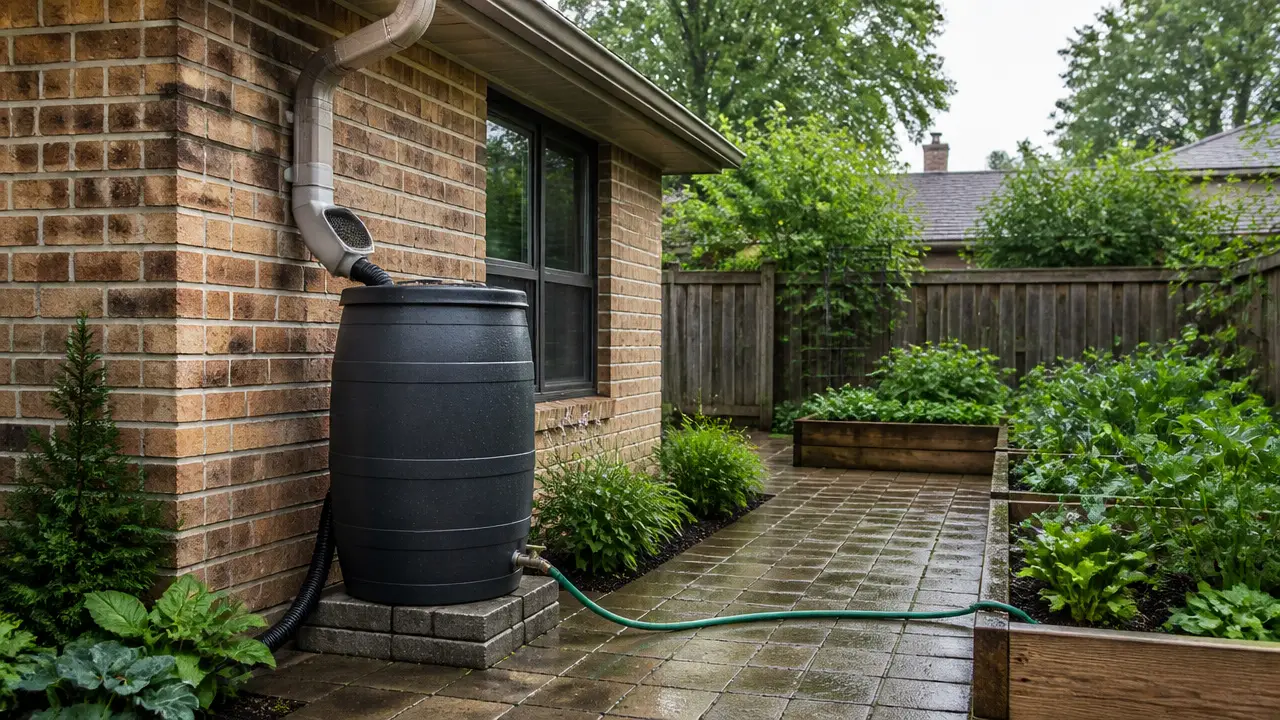
You can physically carry rainwater in a suitable drinking-water bottle, but the bottle does not make the rainwater safe to drink.
That distinction matters.
Roof runoff can collect material from:
- Roofing surfaces.
- Gutters.
- Bird and animal droppings.
- Dust.
- Leaves and organic debris.
- Storage tanks.
- Pumps and plumbing.
A collapsible bottle is only the final container. It is not a water-treatment stage.
If collected rainwater is intended for drinking, treat it as a whole-system water-quality decision. Suitable collection, prefiltration, appropriate treatment, maintenance, and current water testing may all be needed. Local drinking-water and rainwater-use rules also apply.
Do not assume that filling a clean bottle from a rain barrel, IBC tote, or cistern makes that water potable.
Potable means suitable for drinking. Non-potable means water that is not intended or established as safe for drinking.
Collapsible vs. Rigid Bottles
Neither design is automatically safer.
A rigid bottle may be easier to scrub and inspect. A collapsible bottle saves space and weight.
For regular use, the practical differences look like this:
| Factor | Collapsible bottle | Rigid bottle |
|---|---|---|
| Storage when empty | Excellent | Takes full space |
| Weight | Often very low | Usually higher |
| Interior cleaning | Can be difficult | Often easier |
| Drying | Folds may trap moisture | Usually easier |
| Inspection | Interior may be hard to see | Often easier |
| Durability | Can crease or puncture | Usually resists punctures better |
| Packing | Very convenient | Less compact |
For hiking, travel, gardening, or carrying backup water, the compact design may be worth the extra cleaning care.
For daily household use, a wide-mouth rigid bottle can be simpler to maintain.
How to Choose a Safer Collapsible Bottle
You do not need to become a plastics expert.
Focus on a few practical questions before using one regularly:
- Is it actually intended for drinking water? Avoid repurposing unrelated flexible containers.
- Does the manufacturer identify the material? Clear information is preferable to vague marketing claims.
- Are temperature limits provided? This is especially important if you may add hot water.
- Can you clean it properly? Check the opening, folds, valve, and cap.
- Can it dry completely? A bottle that stays damp between uses can become difficult to maintain.
- Is it still in good condition? Flexible containers are consumable items. Replace them when the material or seams begin to deteriorate.
Frequently Asked Questions
Are silicone collapsible water bottles safe?
Silicone bottles made for beverage use can be suitable for drinking water. Check the manufacturer's food-contact information and temperature limits. The word "silicone" alone does not establish the quality or intended use of a particular bottle.
Is TPU safe for drinking water bottles?
TPU is used in many flexible water containers. Whether a specific TPU bottle is suitable depends on its formulation, manufacturing, and intended conditions of use. Choose a bottle specifically made and labeled for beverage use.
Can I leave water in a collapsible bottle overnight?
Usually, clean drinking water can remain in a clean bottle for ordinary short-term use. The more important issue is keeping the bottle clean and preventing contamination. Empty, wash, and fully dry it regularly rather than continually topping it up.
Can mold grow inside a collapsible water bottle?
Yes. Moisture and residue can remain in folds, caps, valves, and drinking nozzles. Clean the bottle regularly and let it dry fully. Replace parts that remain contaminated despite proper cleaning.
Can I put boiling water in a collapsible bottle?
Only if the manufacturer specifically states that the complete bottle is designed for that temperature. Do not assume silicone, TPU, or another flexible material automatically makes the bottle suitable for boiling water.
Should I stop using a bottle that tastes like plastic?
Wash and air out a new bottle according to its instructions. If a strong taste or chemical odor persists, or appears after the bottle has been overheated or damaged, stop using it and consider replacing it.
Does a collapsible bottle make collected rainwater safe to drink?
No. A bottle stores water; it does not make contaminated water potable. Drinking collected rainwater requires suitable collection, treatment, maintenance, testing, and compliance with applicable local requirements.