
As an affiliate, we may earn a commission from qualifying purchases. We get commissions for purchases made through links on this website from Amazon and other third parties.
Best Overall
Best Removable Lid
Best Slim Design
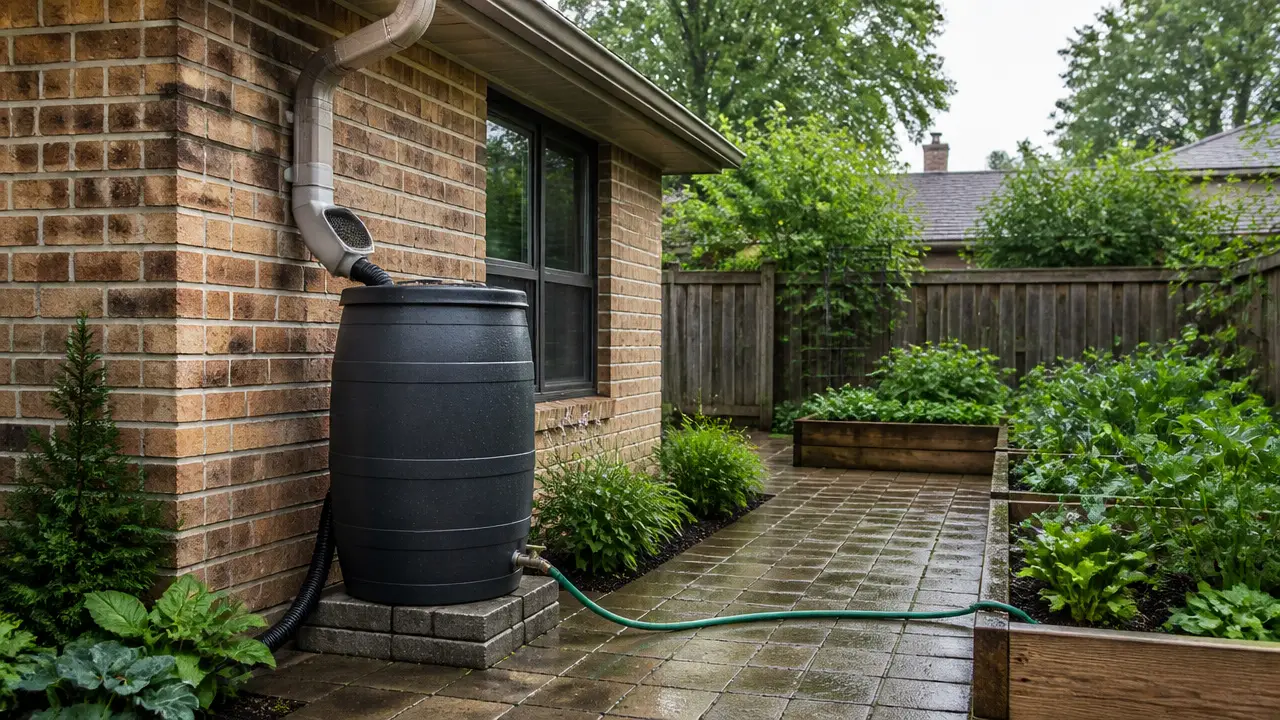
A good rain barrel should do more than hold roof runoff. It needs to fit beside the house, accept water without letting in a steady stream of debris, give you usable access to the stored water, and send overflow somewhere safe when a storm fills it.
The biggest mistake is choosing by capacity alone. A barrel that is too wide for the downspout location, hard to clean, low to the ground, or prone to leaking around the outlet can be more trouble than a slightly smaller model that fits the site well.
The six barrels here cover flat-back designs, removable lids, a planter-top model, and a narrow barrel for tighter spaces. For most homes, start with footprint, lid and screen access, spigot height, overflow routing, and how you plan to use the water.
Rain Barrels at a Glance
| Product | Best For | Main Strength | Main Tradeoff |
|---|---|---|---|
| RTS Home Accents Flat-Back Rain Barrel | Straightforward backyard setup | Flat back, brass spigot, screened inlet | Capacity details are inconsistent, so size planning should use the barrel you receive |
| RTS Premium Eco Rain Barrel | Easier top access | Removable lid makes filling and inspection simpler | Spigot and body-leak complaints deserve inspection at setup |
| FCMP Outdoor Slim Line Rain Barrel | Narrow spaces | Slim profile and flat-back placement | Long-term cracking and hardware issues appear in some use |
| Savannah Colonial Rain Saver | Decorative garden areas | 42-gallon barrel with planter top and two metal spigots | Low gravity pressure and cleaning access are limitations |
| FCMP Raincatcher 4000 | Stable flat-back placement | Established rain-catcher layout with screened top | Hose fitting and leak complaints are mixed |
| RTS ECO Flat-Back Rain Barrel | Recycled-plastic design | Flat back and compact wall-side placement | Screen fit, bowing, and spigot leaks need attention |
Start With the Space, Not the Gallon Number
A full rain barrel is heavy. Water weighs a little over eight pounds per gallon, so the base needs to be level, firm, and able to carry the load. Do not rely on soft soil, loose pavers, or an unstable stand.
Measure the wall area, downspout location, and the distance needed for the overflow hose before buying. A flat-back barrel can save space, but the wall still needs enough clearance for hoses, fittings, and any bulging that develops when the barrel is full.
Spigot height matters too. Gravity provides the pressure, so a low outlet may work for filling a bucket but feel weak through a long garden hose. A stable stand can improve clearance and pressure, provided it is rated for the filled barrel.
A Practical Flat-Back Barrel for Most Yards
1 / 6
RTS Home Accents Flat-Back Rain Barrel

Design
Flat back
Material
Plastic
Spigot
Brass
Footprint
21 x 19 x 34 in documented
The RTS Home Accents flat-back model is the easiest all-around choice here because its design solves the common backyard problems without adding much complexity. The flat rear side lets it sit close to a wall or fence, and the brass spigot gives you a more substantial outlet than the light plastic taps found on many basic barrels. A screened top helps keep larger debris out as roof water enters.
Setup is simple when the downspout and barrel inlet already line up. The barrel generally feels solid, the spigot works well, and installation is quick. The main caution is fit: it works best when the downspout location and available wall depth match the barrel rather than forcing it into a cramped corner.
Its capacity details conflict, so the recommendation does not depend on a gallon claim. Choose it for the flat-back form, screened inlet, and brass outlet, then size the rest of the system around the actual barrel specification you receive.
Why It Works
- Flat-back shape suits wall-side and fence-side placement.
- Brass spigot gives a durable-feeling water outlet.
- Screened inlet helps stop larger roof debris from entering storage.
- Straightforward design makes it easy to pair with a diverter or downspout feed.
What To Keep In Mind
- Do not plan the system around a conflicted capacity figure.
- A stand may be useful if you need bucket clearance or more gravity pressure.
- Measure the downspout location before setting the barrel in place.
A Removable-Lid Barrel for Easier Access
2 / 6
RTS Premium Eco Rain Barrel With Removable Lid

Lid
Removable
Material
Polyethylene
Design
Flat back
Stand
Optional
This RTS Premium model is the better fit when top access matters. A removable lid makes it easier to inspect the inside, retrieve something that falls into the barrel, or fill a watering can directly from the top. That can be a real advantage over closed-top designs when seasonal cleaning is part of your routine.
The barrel uses a flat-back shape and recycled-plastic construction. The openable top is genuinely convenient, but the outlet deserves close attention at setup. Some units developed drips around the spigot or body, while others stayed watertight after a replacement tap was installed.
Its capacity details are inconsistent, so this pick is about access rather than maximum storage. If you want a barrel you can open without taking apart the inlet hardware, it has the clearest role in this group.
Why It Works
- Removable lid improves inspection and cleaning access.
- Flat-back design keeps the barrel closer to a wall.
- Top access can make filling a watering can faster than waiting on a low spigot.
- Optional stand support is available for users who need outlet clearance.
What To Keep In Mind
- Inspect the spigot and barrel body for leaks as soon as the system fills.
- Use a stable base; a full barrel should never sit on an improvised weak stand.
- Conflicting capacity details make top access, rather than volume, the deciding benefit.
A Slim Barrel for Tight Side Yards
3 / 6
FCMP Outdoor Slim Line Rain Barrel

Design
Slim line
Back
Flat
Included Hardware
Hose, valve, overflow hose and linking hardware
Material
Polyethylene product claim
The FCMP Slim Line is built for places where depth is the limiting measurement. Its narrow, flat-back form can fit along a house, shed, or fence where a round barrel would project too far into a walkway. The package also includes useful connection hardware such as a hose, shut-off valve, overflow hose, and linking parts.
That makes it attractive for a compact multi-barrel setup, but durability is the tradeoff. Some barrels cracked within a year, and small hardware can pull loose. Its dimension, material, and capacity details conflict, so those numbers should not drive your purchase.
Choose this model when the site genuinely needs a slim profile. If you have room for a wider barrel, the first two picks give you fewer reasons to accept the durability uncertainty.
Why It Works
- Slim-line shape fits tighter wall-side locations.
- Flat back simplifies placement under a downspout.
- Included overflow and linking hardware can reduce extra parts shopping.
- Side connections support expansion with another compatible barrel.
What To Keep In Mind
- Some barrels have cracked during the first year of use.
- Small hose-retaining hardware can loosen.
- Conflicting dimension and capacity details make the slim profile the safer basis for comparison.
A Decorative Barrel With a Planter Top
4 / 6
Savannah Colonial Style Rain Saver

Capacity
42 gal
Top
Planter
Spigots
Two metal
Material
Polyethylene
The Savannah Rain Saver treats the barrel as part of the landscape instead of something to hide behind a shed. It combines a 42-gallon rain barrel with a one-cubic-foot planter top, so flowers or herbs can soften the look of the storage container. Two metal spigots give separate options for filling a container or connecting a hose.
A mesh screen helps block debris, and a front-routed overflow path moves excess water away from the back of the barrel. The practical downside is gravity pressure. Like most barrels, it will not push water strongly through a hose unless the outlet has enough elevation over the watering area.
Cleaning access is also less convenient than a true removable-lid barrel. Choose it when appearance and planter function matter as much as simple water storage.
Why It Works
- Planter top turns the barrel into a garden feature.
- 42-gallon capacity is useful for small-to-medium garden watering needs.
- Two metal spigots offer flexible water access.
- Mesh inlet and routed overflow address two common barrel problems.
What To Keep In Mind
- Gravity-fed hose pressure can be weak without added elevation.
- Internal cleaning access is less convenient than a removable-lid design.
- Measure carefully; the decorative body can take more space than expected.
A Traditional Flat-Back Raincatcher
5 / 6
FCMP Outdoor Raincatcher 4000

Design
Flat back
Inlet
Screened top
Material
Polyethylene product claim
Use
Garden and backyard storage
The FCMP Raincatcher 4000 is a conventional flat-back barrel aimed at a permanent spot beside the house. Its screened top accepts downspout water, while the flat rear profile helps the barrel sit closer to the wall. It is a familiar layout that does not require much explanation once the base and overflow route are prepared.
The main concern is the outlet hardware. Some barrels stay leak-free, while others develop loose hose fittings or leaks around the connection. Elevation also matters because the bottom outlet sits low; placing the barrel on a stable raised base can make a watering can or hose easier to use.
Its material, dimension, and capacity details conflict. This is a fit-first choice for readers who like the classic Raincatcher layout, not one to select by an uncertain measurement.
Why It Works
- Flat-back body works well beside walls and fences.
- Screened top limits larger debris entering the barrel.
- Low outlet supports bucket, watering-can, or hose use when properly elevated.
- Familiar layout is easy to integrate with a normal downspout setup.
What To Keep In Mind
- Hose-fitting leaks are a recurring complaint.
- A dark barrel in direct sun can heat the stored water.
- Conflicting capacity and dimension details make the layout the safer basis for comparison.
A Recycled-Plastic Flat-Back Option
6 / 6
RTS Home Accents ECO Flat-Back Rain Barrel

Design
Flat back
Material
Plastic
Construction
Recycled-plastic product claim
Color
Black
The RTS ECO barrel appeals to buyers who want a simple flat-back container made with recycled plastic. Its narrow wall-side form leaves more room around patios and garden paths than a broad round barrel, and the basic top screen keeps larger debris from dropping directly into the stored water.
The tradeoffs are more pronounced than with the top picks. Problems include poor screen fit, bowing when full, spigot leaks, and occasional shipping defects. Leave a little clearance behind any flat-back barrel rather than wedging it tightly against a wall; a plastic tank can change shape when it carries hundreds of pounds of water.
Its capacity details conflict, so this model makes the most sense when recycled-plastic construction and the flat-back shape are the priorities and you are willing to inspect the screen and outlet closely during setup.
Why It Works
- Flat back helps conserve wall-side space.
- Recycled-plastic construction is the main differentiator.
- Top screening helps reduce larger debris in storage.
- Simple design is easy to understand and service.
What To Keep In Mind
- Screen fit and spigot sealing have been inconsistent.
- The body may bow when full, so leave wall clearance.
- Inspect the barrel before installation for shipping damage or malformed openings.
What Size Rain Barrel Do You Need?
A roof can deliver a surprising amount of water in one storm. Roughly 0.6 gallons can be collected from each square foot of roof for every inch of rain before real-world losses. That means even a modest roof section can fill a household rain barrel quickly.
A larger barrel is useful only if you have room for it and will use the water. Two linked barrels can be easier to place than one oversized tank, but linking adds fittings and another potential leak point.
For garden use, think about how many watering cans or hose sessions you expect between storms. For overflow control, assume the barrel will eventually fill and plan where the extra water will go before the first heavy rain.
Features That Matter More Than Styling
A Screen You Can Inspect
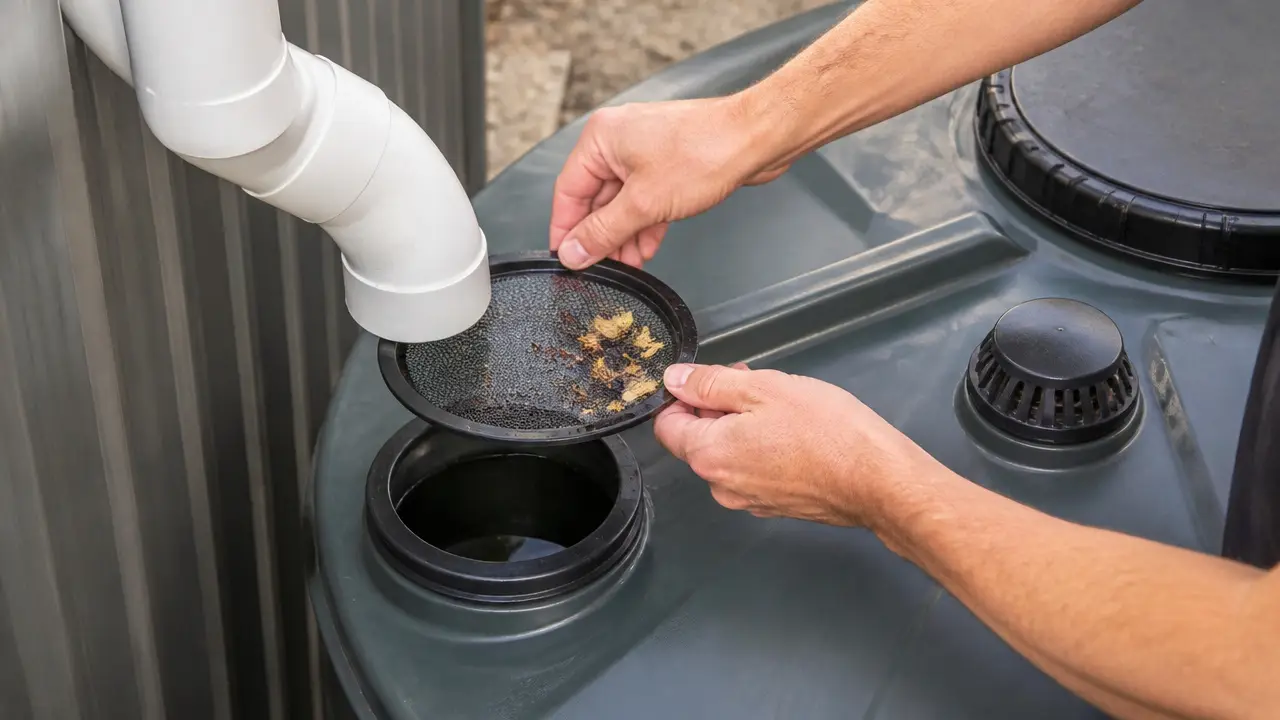
Leaves, roof grit, and insects can collect around the inlet. A removable or accessible screen is much easier to maintain than a permanently awkward opening.
A Useful Overflow Path
Overflow should move away from foundations, doors, crawlspaces, and walkways. A barrel without a clear overflow route can create a drainage problem during the exact storm when it fills fastest.
Spigot Height
A very low spigot may be difficult to use with a watering can. Raising the barrel on a properly rated platform can help, but the support must safely carry the filled weight.
Cleaning Access
A removable lid is the easiest design to inspect. Closed-top barrels can still work well, but make sure the inlet gives you enough access for seasonal debris removal.
Expansion Connections
Some barrels have side ports for linking a second container. That is useful when your roof fills the first barrel quickly, but only if the connection kit matches and both barrels sit level.
Common Rain Barrel Problems
Leaks Around the Spigot
Most outlet leaks start with a loose fitting, damaged washer, crossed threads, or a poorly seated bulkhead. Empty the barrel below the fitting before correcting it rather than trying to tighten a loaded plastic wall aggressively.
Weak Hose Flow
A rain barrel does not create municipal water pressure. A hose works best when the barrel is elevated and the watering point is lower than the water level. Long hoses and uphill runs reduce useful flow.
Mosquitoes
Keep openings screened and lids closed. Overflow ports and unused hose connections also need protection because mosquitoes need only a small opening to reach standing water.
Algae
Light encourages algae growth. Opaque barrels and shaded placement help. Regular turnover and cleaning matter more than trying to solve the problem after the water turns green.
Winter Damage
Water expands when it freezes. In freezing climates, follow the barrel maker's winter instructions, which may include draining, disconnecting, or storing the barrel before hard freezes.
Frequently Asked Questions
Is a 50-gallon rain barrel enough for a garden?
It can be enough for a small garden or supplemental watering, but roof area, rainfall, plant demand, and the time between storms matter more than one barrel size. A barrel may fill quickly during rain and empty quickly during a dry week.
Should a rain barrel be raised off the ground?
Raising it can improve spigot clearance and gravity flow. Use only a level, stable support that can carry the full water load.
Can I connect two rain barrels together?
Yes, when both barrels have compatible linking ports or a properly installed connector kit. Keep them at the same level so water can balance between containers.
Does a rain barrel need an overflow hose?
Yes, it needs a safe overflow path. Once the barrel fills, incoming roof water still has to go somewhere. Route that water away from the building and other problem areas.
How do I keep mosquitoes out of a rain barrel?
Use a tight lid, intact inlet screen, protected overflow openings, and no unnecessary gaps. If a labeled mosquito-control product is used, follow its directions and make sure it fits the intended use of the stored water.
Can rain-barrel water be used for drinking?
Do not assume roof runoff is safe to drink. Drinking-water use is a whole-system decision involving roof and storage materials, treatment, local requirements, and current water testing.
How often should I clean a rain barrel?
Inspect the inlet screen regularly and clean the barrel whenever sediment, odor, algae, or debris begins to build. A seasonal cleaning is common, but dirty roofs or heavy tree cover may require more frequent maintenance.
If your barrel needs a better outlet, compare rain barrel spigots by thread, wall fit, and sealing approach. To keep roof debris and insects out, rain barrel screens cover both inlet inserts and larger mesh covers. When storm water needs a safer exit, rain barrel overflow kits explain hose and overflow-routing options. For standing-water prevention after the barrel is screened, mosquito control products for rain barrels compare labeled larval-control formats and their tradeoffs.