4 Best Filter Housings for Rainwater Systems
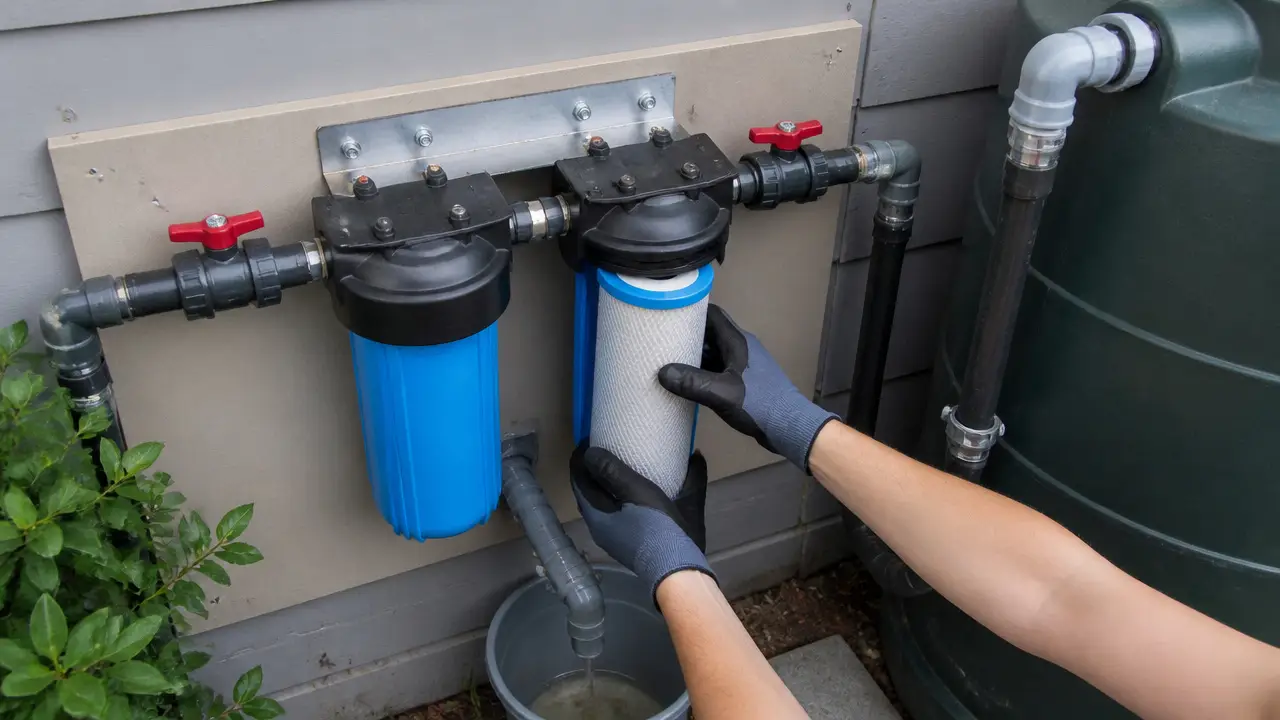
Cartridge size, port fit, service access, pressure limits, and leak history determine which rainwater filter housing will stay practical to maintain.

Rainwater filtration, purification, testing, and safety boundaries.
Cartridge size, port fit, service access, pressure limits, and leak history determine which rainwater filter housing will stay practical to maintain.
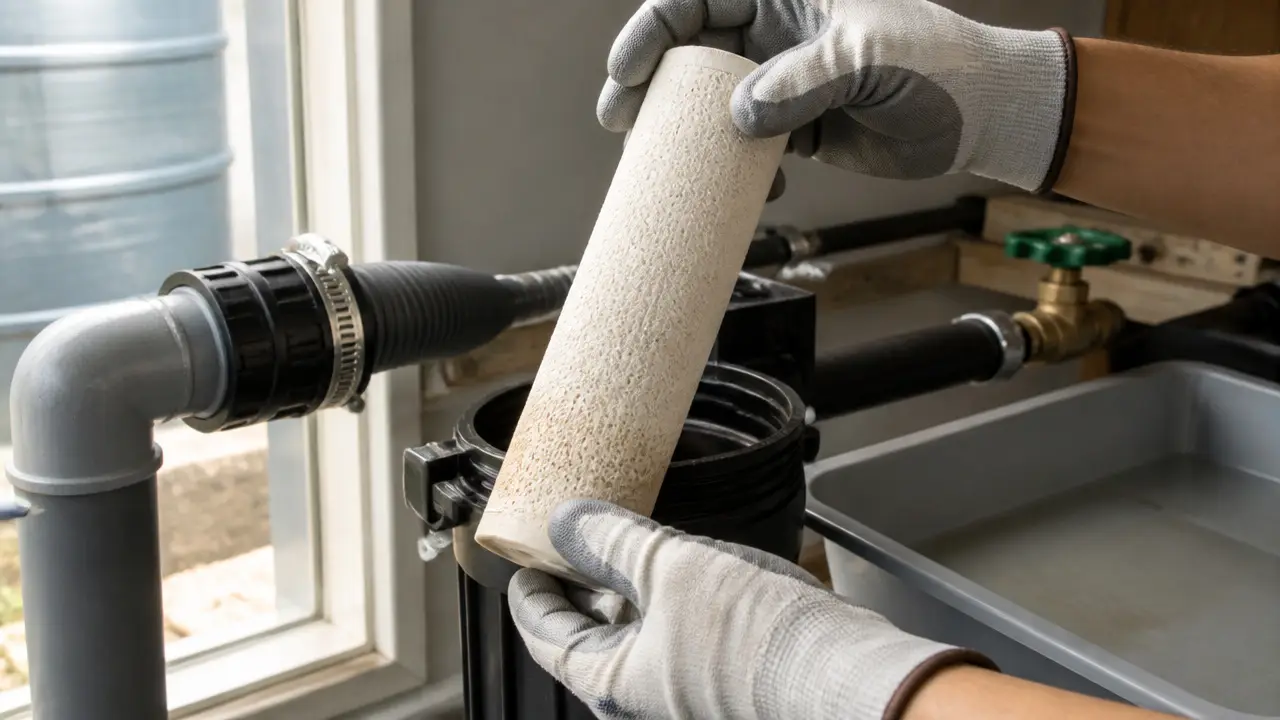
Compare ceramic rainwater filters by gravity-system fit, candle size, flow, certification scope, maintenance, and replacement needs for point-of-use treatment.
Carbon filters can reduce certain tastes, odors, and organic chemicals in rainwater, but not every hazard. Learn their limits and the treatment stages still needed.
Ceramic water filters can physically remove sediment and many microbes when properly rated and maintained. Understand pore size, limitations, cleaning, and safe use.
Carbon filters may capture some microplastics depending on pore size and design, but carbon's main role is adsorption. Learn which barriers offer better control.
Activated carbon filters work well on certain tastes, odors, chlorine, and organic compounds, but performance depends on media, contact time, flow, and maintenance.
A UV water treatment system's lamp commonly follows a timed replacement schedule, while other parts last longer. Learn what affects service life and performance.
Build a DIY rainwater filter with debris exclusion, first-flush control, settling, and suitable filter media while keeping potable-water limits in mind.
Water filter life ranges from months to years based on the technology, water quality, capacity, usage, and maintenance. Compare common replacement intervals.
Ceramic water filter life varies with water quality, cleaning, damage, and manufacturer limits. Learn when it can be cleaned and when replacement is due.