As an affiliate, we may earn a commission from qualifying purchases. We get commissions for purchases made through links on this website from Amazon and other third parties.
A ceramic water filter does not have one fixed lifespan. Some ceramic filter elements may last for several months to several years, depending on the filter design, how much water passes through it, how dirty that water is, and how often the element is cleaned.
The safest rule is to follow the filter maker’s rated water capacity, replacement schedule, or minimum ceramic thickness. Replace the element sooner if it cracks, chips, becomes damaged, or cannot restore normal flow after cleaning.
For rainwater systems, good roof screening and sediment control can make a big difference. A ceramic element that receives relatively clear water will usually need less cleaning than one that constantly catches roof grit, dust, pollen, and tank sediment.
What Determines How Long a Ceramic Water Filter Lasts?
Ceramic filters work by passing water through very small pores in a hard ceramic material. Those pores trap certain particles and microorganisms.
Over time, material collects on the outside of the ceramic. This often slows the flow before the ceramic itself has reached the end of its useful life.
Several factors control how quickly this happens.
Water quality
Dirty or cloudy water clogs ceramic filters faster.
Rainwater can carry:
- Dust
- Pollen
- Fine roof debris
- Bird and animal contamination
- Sediment from gutters
- Organic material
- Sediment stirred up inside a storage tank
A filter used on clear, well-prefiltered water may operate much longer between cleanings than the same filter receiving untreated roof runoff.
Amount of water used
A filter serving one drinking-water tap handles far less water than a filter supplying a larger household.
If the manufacturer gives the filter life as a number of gallons or liters, that capacity matters more than simply counting months.
For example, two households could install identical filters on the same day. The household filtering more water may reach the replacement capacity much sooner.
Prefiltration
Keeping larger material away from the ceramic element usually reduces clogging.
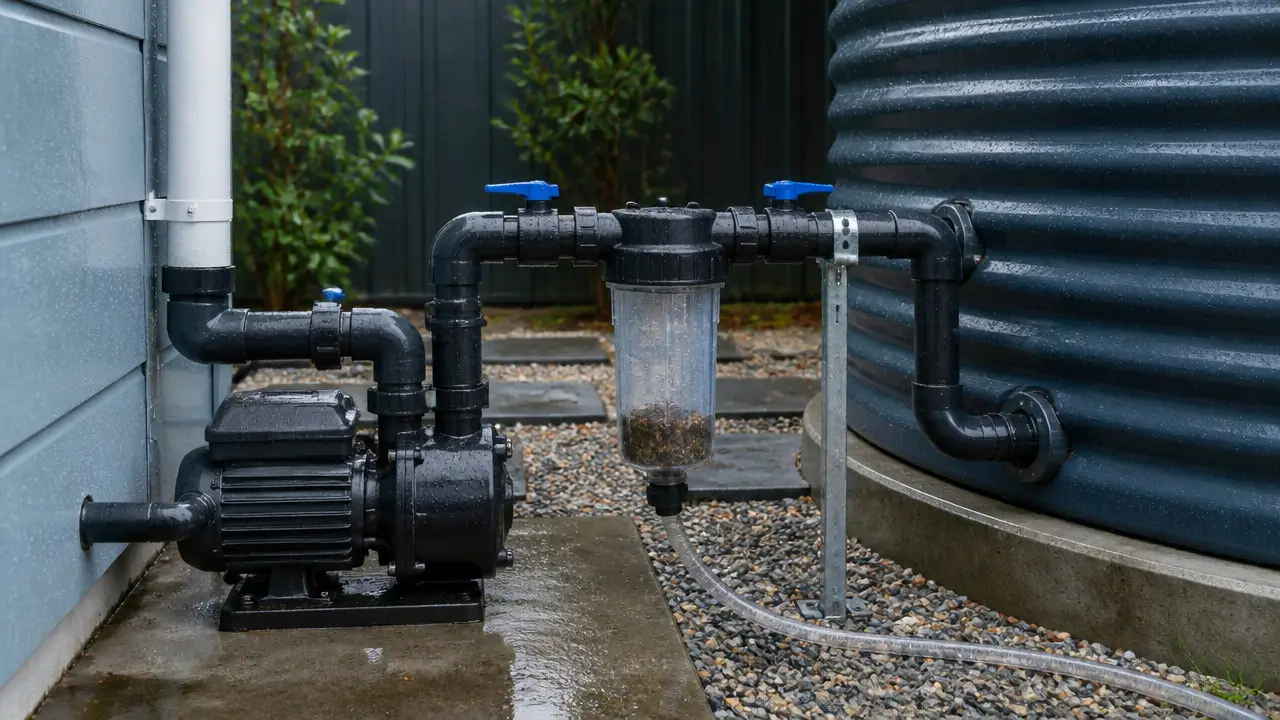
A rainwater system may use several steps before fine filtration, such as gutter screens, inlet screens, settling, or sediment filters.
A first-flush diverter can also help in some systems. It directs the first portion of roof runoff away from storage or treatment because that initial runoff may carry a heavier load of roof debris and contamination.
Prefiltration does not guarantee safe water. It simply reduces the amount of material that later treatment stages must handle.
How often the ceramic is cleaned
Many ceramic elements can be gently cleaned when their flow rate drops.
The flow rate is simply how much water the filter can produce over a certain amount of time.
Cleaning removes material that has collected on the ceramic surface. This can restore flow and allow the filter to continue operating.
However, cleaning does not make a ceramic element last forever.
Each cleaning may remove a small amount of ceramic. Eventually, the element can become too thin to use safely.
Slower Flow Does Not Always Mean the Filter Is Worn Out
A major advantage of many ceramic filters is that surface clogging can sometimes be cleaned away.
If water production gradually becomes slower, the filter may simply need cleaning rather than replacement.
Follow the manufacturer's cleaning directions. Different ceramic elements have different limits.
In general, avoid using harsh cleaning methods unless the manufacturer specifically allows them. Aggressive scraping or inappropriate chemicals can damage the element.
After cleaning, inspect the ceramic carefully.
If the flow improves and the element remains within the manufacturer's allowable dimensions, it may still have useful life left.
If flow remains very poor even after proper cleaning, replacement may be necessary.
How Do You Know When a Ceramic Filter Needs Replacement?
Do not judge the filter only by how it looks.
Replace the element when any of these conditions apply:
- It has reached the manufacturer's stated capacity.
- It has reached the recommended replacement interval.
- It has worn down to the manufacturer's minimum allowable thickness or diameter.
- It is cracked.
- It is chipped or otherwise damaged.
- Its seals or mounting surfaces can no longer form a reliable connection.
- Proper cleaning no longer restores adequate water flow.
- The manufacturer specifies replacement after a certain event or operating condition.
A cracked ceramic element is especially important. Water may pass through the crack instead of through the intended pores in the ceramic.
That bypass can defeat the filtration process even when the filter still appears to produce clear water.
Can You Keep Cleaning a Ceramic Filter Forever?
No.
Reusable ceramic elements can often be cleaned several times, but cleaning gradually wears away the ceramic surface.
Some manufacturers provide a measuring gauge or specify a minimum outside diameter. Once the element reaches that limit, it should be replaced even if it still passes water.
Check typical water-filter service life to compare how to interpret the readings without assuming complete safety.
Never keep using an element simply because it has not broken apart.
The manufacturer's wear limit is there to maintain the intended filter performance.
How to Make a Ceramic Filter Last Longer in a Rainwater System
The best way to extend service life is to keep unnecessary sediment from reaching it.
Start earlier in the rainwater system rather than expecting the ceramic filter to catch everything.
A useful treatment path might include:
Roof and gutters → debris screening → storage → sediment control → ceramic filtration → any additional treatment required for the intended use
The exact arrangement depends on your water source and how you plan to use the water.
Keep gutters reasonably clean and prevent leaves and large debris from entering the tank. Avoid drawing water directly from heavy sediment at the bottom of a tank when the system design provides another option.
If fine sediment is a constant problem, a separate sediment filter ahead of the ceramic element may reduce how frequently the ceramic surface becomes clogged.
Also inspect and maintain the rest of the system. A neglected storage tank can continually send new sediment and organic material toward the filter.
Does a Ceramic Filter Make Rainwater Safe to Drink?
Not by itself.
Ceramic filtration can reduce certain microorganisms and particles, but performance varies with pore size, filter construction, manufacturing quality, and the specific contaminants involved.
WHO evaluates household water-treatment technologies based on their ability to reduce different groups of microorganisms because filtration technologies do not all provide the same level of protection.
Ceramic filtration also should not be assumed to remove dissolved chemicals or every type of microorganism. WHO guidance takes a whole-system approach to drinking-water safety rather than treating one device as a complete solution.
If collected rainwater will be used for drinking, cooking, or other potable uses, plan the entire system around that goal. Potable means suitable for drinking.
That may involve suitable collection surfaces, debris control, first-flush management where appropriate, protected storage, prefiltration, treatment designed for the identified hazards, ongoing maintenance, and current laboratory testing. Applicable local drinking-water and plumbing requirements also matter.
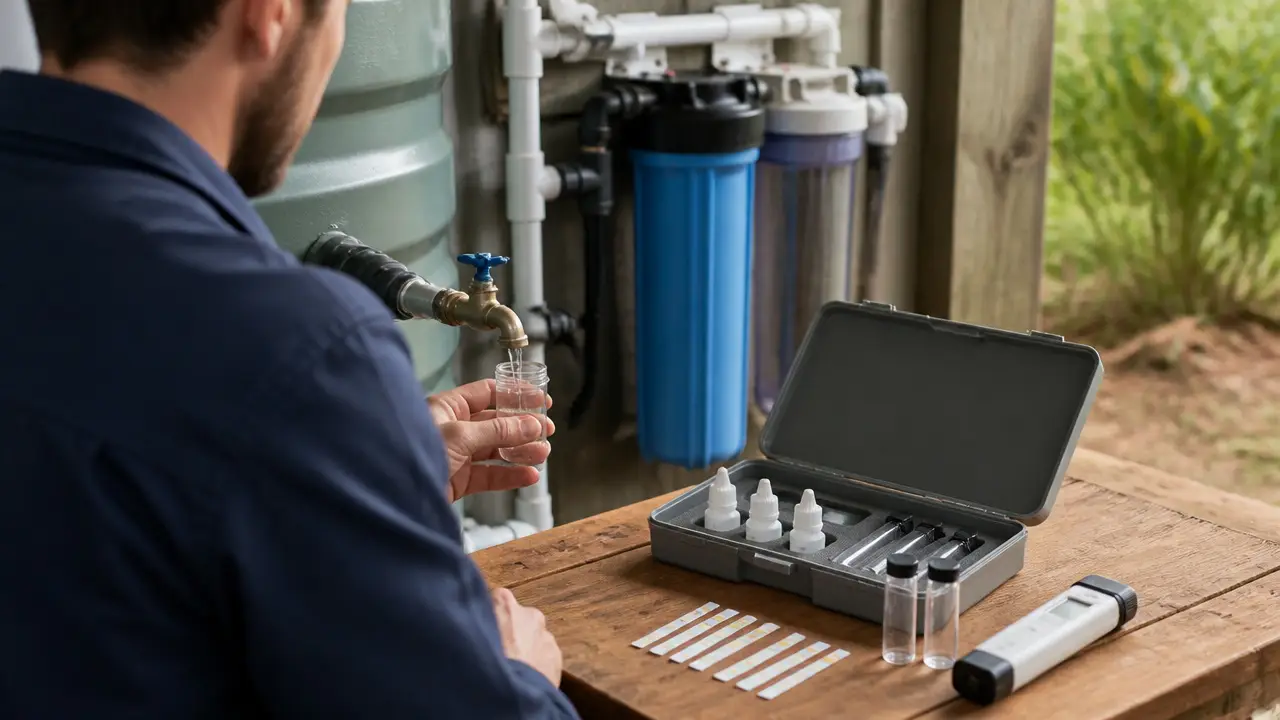
Do not use clear appearance, taste, smell, a home meter, or the condition of the ceramic filter as proof that stored rainwater is safe to drink.
Ceramic Filter Life vs. Cleaning Interval
These two terms are easy to confuse.
The cleaning interval is how long you can normally operate before buildup reduces flow enough that the ceramic needs cleaning.
The filter lifespan is how long the element can remain in service before it reaches its rated capacity, wear limit, replacement date, or another reason for replacement.
A ceramic filter might therefore need cleaning several times during the life of one element.
If you find yourself cleaning it much more frequently than expected, look upstream. Excess sediment entering the filter may be the real problem.
Keep a Simple Maintenance Record
You do not need a complicated log.
Record:
- Installation date
- Approximate water use
- Cleaning dates
- Replacement date or rated capacity
- Any measurements required by the manufacturer
- Cracks, chips, or other damage noticed during inspection
This is especially useful when a filter is part of a cabin, rainwater tank, IBC tote system, or seasonal setup where several months may pass between visits.
It also prevents an old filter from staying in service simply because nobody remembers when it was installed.
Frequently Asked Questions
How many years does a ceramic water filter last?
There is no universal number. Depending on its design, water quality, water use, and manufacturer limits, a ceramic element may remain usable for several months to several years. Always use the manufacturer's capacity or wear limit as the main replacement guide.
How often should I clean a ceramic water filter?
Clean it according to the manufacturer's instructions, usually when water flow noticeably decreases. Very dirty or sediment-heavy water can make cleaning necessary more often.
Can I reuse a ceramic water filter after cleaning it?
Many ceramic elements are designed to be cleaned and reused. However, each cleaning can wear away some ceramic. Stop using the element once it reaches the manufacturer's minimum allowable thickness or other replacement limit.
Why is my ceramic filter getting slower?
Fine sediment and other material may be blocking pores on the ceramic surface. Proper cleaning may restore the flow. If it does not, the element may be heavily clogged, worn, or ready for replacement.
Should I replace a cracked ceramic filter?
Yes. Replace a cracked or damaged ceramic element. A crack can allow water to bypass the intended filtration path.
Will prefiltration make my ceramic filter last longer?
It often can. Removing leaves, grit, and sediment before water reaches the ceramic reduces the amount of material that can clog its pores. This is particularly useful with collected rainwater.
Is ceramic-filtered rainwater safe to drink?
Ceramic filtration alone should not be treated as proof that rainwater is potable. Drinking-water use requires a whole-system approach based on the source, possible contaminants, suitable treatment, maintenance, laboratory testing, and applicable local requirements.