As an affiliate, we may earn a commission from qualifying purchases. We get commissions for purchases made through links on this website from Amazon and other third parties.
A water filter does not have one standard lifespan in years. Many replaceable filter cartridges last only a few months. Some larger media filters and reverse osmosis membranes can last several years.
The best way to judge filter life is by its rated service cycle. This may be listed as a number of gallons, months of use, or both. NSF says filters should be replaced at the maker’s recommended interval because clogged or exhausted filter media may no longer reduce contaminants as intended.
How Long Different Water Filters Last
Here is a useful general guide.
| Filter type | General lifespan pattern |
|---|---|
| Sediment cartridge | Usually months, not years |
| Activated carbon cartridge | Usually months |
| Refrigerator or faucet filter | Usually months |
| Under-sink cartridge | Often months to about a year, depending on the system |
| Reverse osmosis prefilters | Usually replaced more often than the membrane |
| Reverse osmosis membrane | May last several years |
| Large whole-house media tank | May last several years before the media needs replacement |
| Washable or reusable sediment filter | May last years, but requires regular cleaning |
These are general patterns, not replacement schedules. Always use the service life stated for your exact filter.
EPA guidance also recommends replacing filters according to the manufacturer's schedule rather than assuming they remain effective because the water still looks or tastes normal.
Why Some Filters Last Months and Others Last Years
A filter's lifespan depends on what it does and how much material it contains.
A small cartridge has limited space for trapped dirt or contaminants. A large tank filled with filtration media has much more capacity.
Water quality also matters. A filter receiving clean municipal water may last longer than the same filter receiving water with a heavy sediment load.
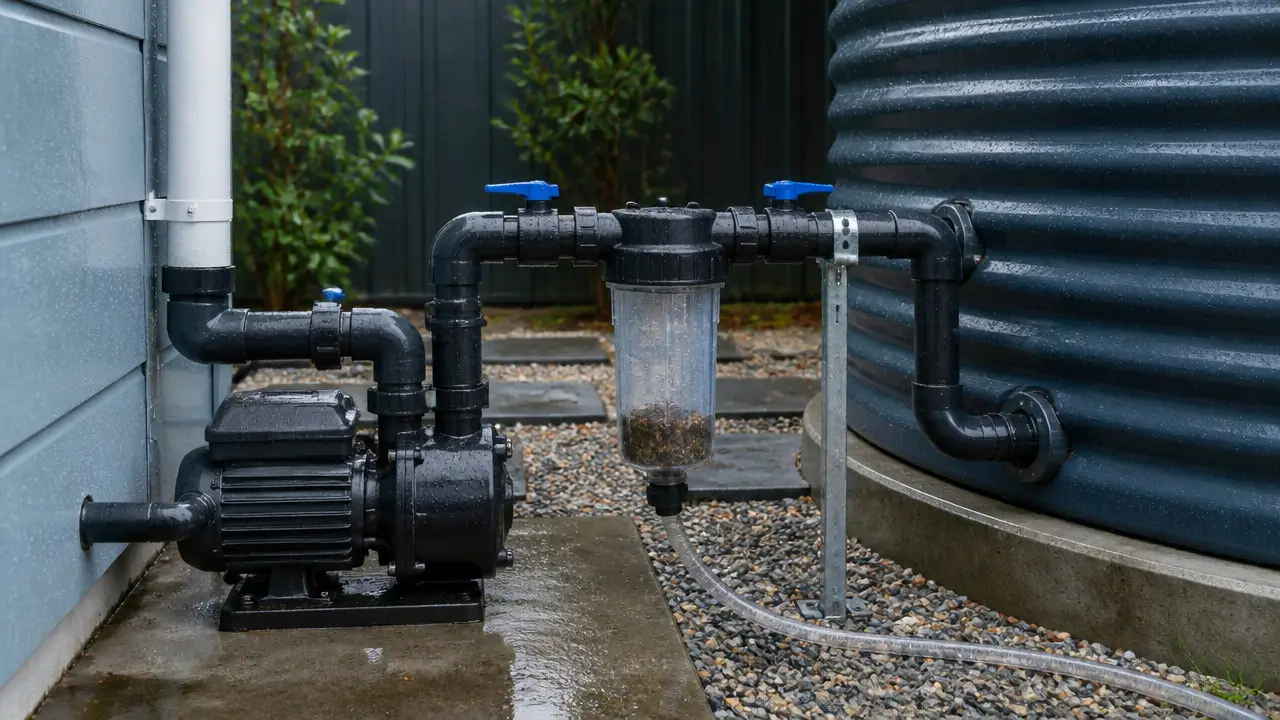
For a rainwater system, filter life can change greatly from one property to another. Roof debris, pollen, dust, algae, tank sediment, and poor prefiltration can all make cartridges clog faster.
Gallon Capacity Matters More Than Calendar Age
Many filters have a rated capacity such as a certain number of gallons.
For example, imagine a filter is rated for a certain water volume. A household using little filtered water may take much longer to reach that limit than a household filtering hundreds of gallons every week.
This is why two identical filters installed on the same day may not need replacement at the same time.
NSF notes that certified treatment systems may list a rated service cycle, which tells you how much water can pass through the filter before replacement is required.
If the manufacturer gives both a gallon limit and a time limit, follow whichever limit is reached first.
Sediment Filters Usually Do Not Last for Years
Sediment cartridges catch particles such as:
- Dirt
- Rust
- Sand
- Roof grit
- Tank sediment
- Other suspended particles
A micron rating describes the approximate size of particles a filter is designed to catch. A smaller micron rating catches smaller particles, but it may also clog faster when the incoming water contains a lot of debris.
As dirt fills the cartridge, water has a harder time passing through it. Flow often drops and pressure loss increases.
In a rainwater system, a sediment cartridge may need attention much sooner if water enters the tank with a lot of roof debris.
Leaf screens, inlet screening, settling, and suitable prefiltration can reduce the load on the finer filter stages.
Carbon Filters Have Limited Capacity
Activated carbon works differently from a simple sediment screen.
Some substances attach to the surface of the carbon. This process is called adsorption. Over time, the useful surface area becomes filled.
The problem is that an exhausted carbon filter may still allow water to flow normally. You cannot reliably determine its remaining treatment ability by looking at the water.
NSF specifically notes that reduced flow can reveal a clogged mechanical filter, while exhausted adsorption media may not provide such an obvious warning.
This is one reason carbon filters should be replaced according to their rated capacity and maintenance schedule.
Reverse Osmosis Filters Have Several Lifespans
A reverse osmosis, or RO, system normally contains several treatment stages.
It may include:
- A sediment prefilter
- One or more carbon filters
- An RO membrane
- A final carbon filter
The cartridges usually need replacement more often than the membrane.
The RO membrane is the part that separates many dissolved substances from the water. With suitable incoming water and good prefiltration, a membrane may remain in service for years. Poor water quality, scaling, chlorine exposure where the membrane is not designed for it, or neglected prefilters can shorten its life.
Follow the system manufacturer's replacement schedule instead of replacing every RO component at the same interval. EPA notes that RO systems can have membranes and other parts that require replacement at different times.
Whole-House Filters Can Mean Two Different Things
"Whole-house filter" can describe very different equipment.
Cartridge systems
These use replaceable cartridges inside filter housings. The housing itself can stay installed for years, but the cartridge inside normally needs much more frequent replacement.
Do not confuse the life of the filter housing with the life of the filter media.
Large media tanks
Some whole-house treatment systems use a large tank filled with carbon or another treatment media.
The equipment may stay in place for many years, while the media is replaced or serviced less often than a cartridge. Actual media life depends on the system design, water quality, water use, contaminant load, and manufacturer's capacity rating.
Rainwater Filters May Need More Frequent Attention
Reviewing key facts about the lifespan of a whole house water filtration system helps evaluate a reliable match among connected components.
Rainwater can place a different load on filtration equipment than treated utility water.
Water running across a roof can pick up:
- Dust
- Pollen
- Leaves
- Insect material
- Bird and animal waste
- Roofing debris
- Other contaminants
A first-flush system diverts some of the first roof runoff away from the storage tank. This can reduce some of the material entering the tank, but it does not make the remaining rainwater automatically safe to drink.
A useful rainwater system normally protects finer filters in stages. For example:
roof screening → storage and settling → coarse filtration → finer treatment as needed for the intended use.
Better prefiltration can help expensive or fine filters last longer.
Signs a Filter May Need Replacement
Possible signs include:
- Noticeably lower water flow
- Greater pressure loss across the filter
- A visibly dirty sediment cartridge
- A filter-change indicator
- Reaching the rated gallon capacity
- Reaching the manufacturer's time limit
Taste, smell, and appearance are not reliable ways to confirm that a drinking-water filter is still reducing contaminants.
A filter can look clean and still have exhausted treatment media.
Do Not Stretch Filter Life to Save Cartridges
Running a cartridge well past its rated service life can reduce treatment performance.
EPA specifically warns that filters are effective only when properly maintained and that failing to replace them according to the recommended schedule can increase exposure to contaminants the filter was intended to reduce.
Replacement cartridges also need to fit correctly. Cartridges are not necessarily interchangeable just because they have similar dimensions. Poor fit can allow water to travel around the filter rather than through the media.
How to Make a Water Filter Last Longer
You should not try to extend a filter beyond its rated capacity, but you can reduce unnecessary loading.
For a rainwater or storage system:
- Keep gutters and roof screens maintained.
- Prevent leaves and large debris from entering storage.
- Use suitable coarse filtration before fine cartridges.
- Keep sediment from the bottom of a tank out of the pump intake when the system design allows it.
- Clean reusable prefilters as required.
- Replace clogged sediment stages before they place excessive load on later stages.
- Follow the manufacturer's flow and pressure limits.
Using a finer filter than you actually need can also cause rapid clogging. Choose the micron rating based on the job that filter needs to perform and the treatment stages that come after it.
What About Filters Used for Drinking Rainwater?
Do not use filter age alone to decide whether rainwater is safe to drink.
Potable means suitable for drinking. Making collected rainwater potable is a whole-system water-quality issue, not simply a matter of installing a cartridge.
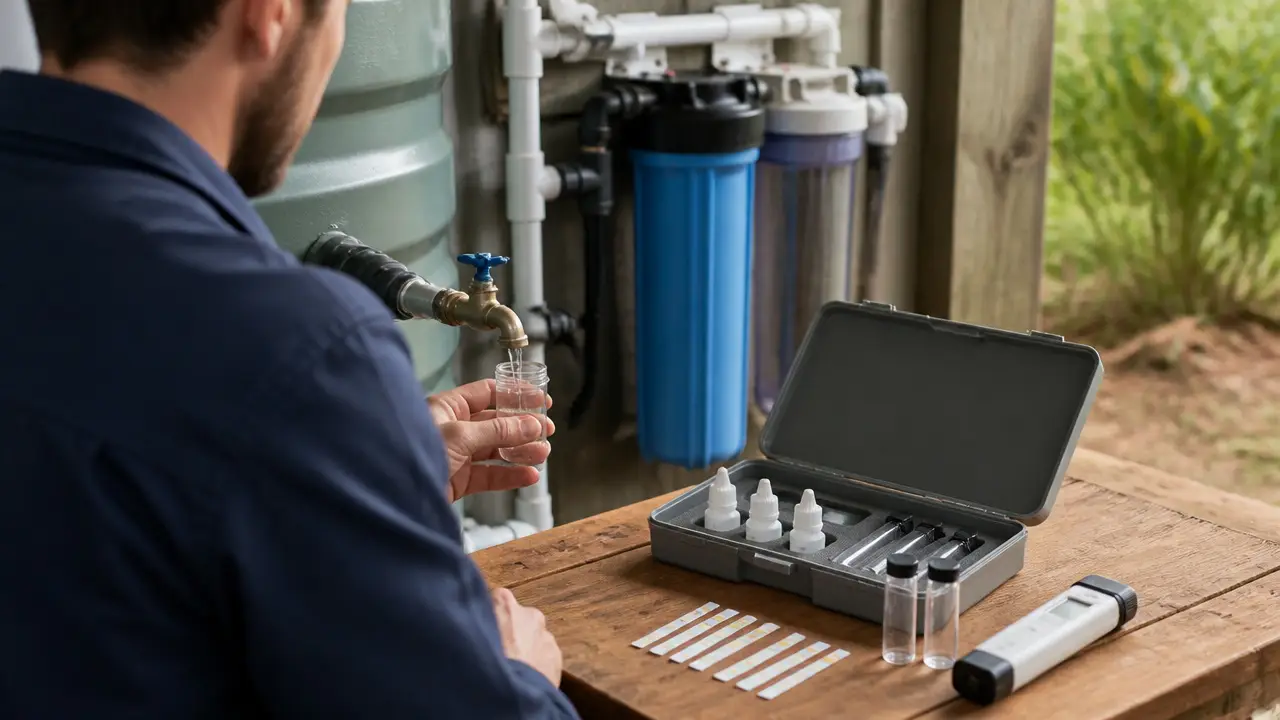
It can require suitable collection, prefiltration, appropriate treatment for the contaminants present, correct operation, regular maintenance, current laboratory testing, and compliance with applicable local requirements.
A sediment or carbon filter by itself does not establish that roof runoff is safe for drinking.
The Simple Rule
For most water filters, think in months or rated gallons rather than years.
Some membranes and large treatment-media systems can remain in service for several years, but small replaceable cartridges generally cannot.
Check three things on your filter:
- The recommended replacement time
- The rated gallon capacity
- Any pressure, flow, or maintenance indicators
Replace the filter when the manufacturer's specified limit is reached rather than waiting for the water to look different.
Frequently Asked Questions
Can a water filter last 5 years?
Some large treatment-media systems or certain membranes may remain in service for several years. Most small replaceable cartridges are not designed to last five years. Follow the rated service life for the exact filter.
Can a water filter last 10 years?
The equipment or housing may last 10 years or longer, but that does not mean the filter media lasts that long. Most cartridges require much more frequent replacement.
What happens if I do not change my water filter?
The filter may clog, reduce flow, or stop reducing contaminants as intended. EPA and NSF recommend replacing filters according to the manufacturer's maintenance schedule.
How do I know when my water filter is worn out?
Check its rated gallons, recommended replacement date, and any filter-change indicator. A large drop in flow can also indicate a clogged filter. Do not rely only on taste, smell, or appearance.
Do unused water filters expire?
An unused replacement cartridge may have storage requirements or a shelf life set by its manufacturer. Check the packaging and manufacturer's instructions, especially if the cartridge has been stored for several years or in very hot, cold, or damp conditions.
Do rainwater filters wear out faster?
They can. Roof runoff may contain sediment, pollen, organic debris, and other material that loads filters quickly. Good screening and prefiltration can reduce the amount reaching finer filters.
Does a dirty filter mean the water is unsafe?
A dirty filter shows that it has captured material, but appearance alone cannot tell you whether water is safe or unsafe. For drinking-water use, treatment performance and water quality must be evaluated based on the contaminants of concern and appropriate testing.