
As an affiliate, we may earn a commission from qualifying purchases. We get commissions for purchases made through links on this website from Amazon and other third parties.
Best Overall
Best Replacement Candles
Best Fluoride-Focused Candle
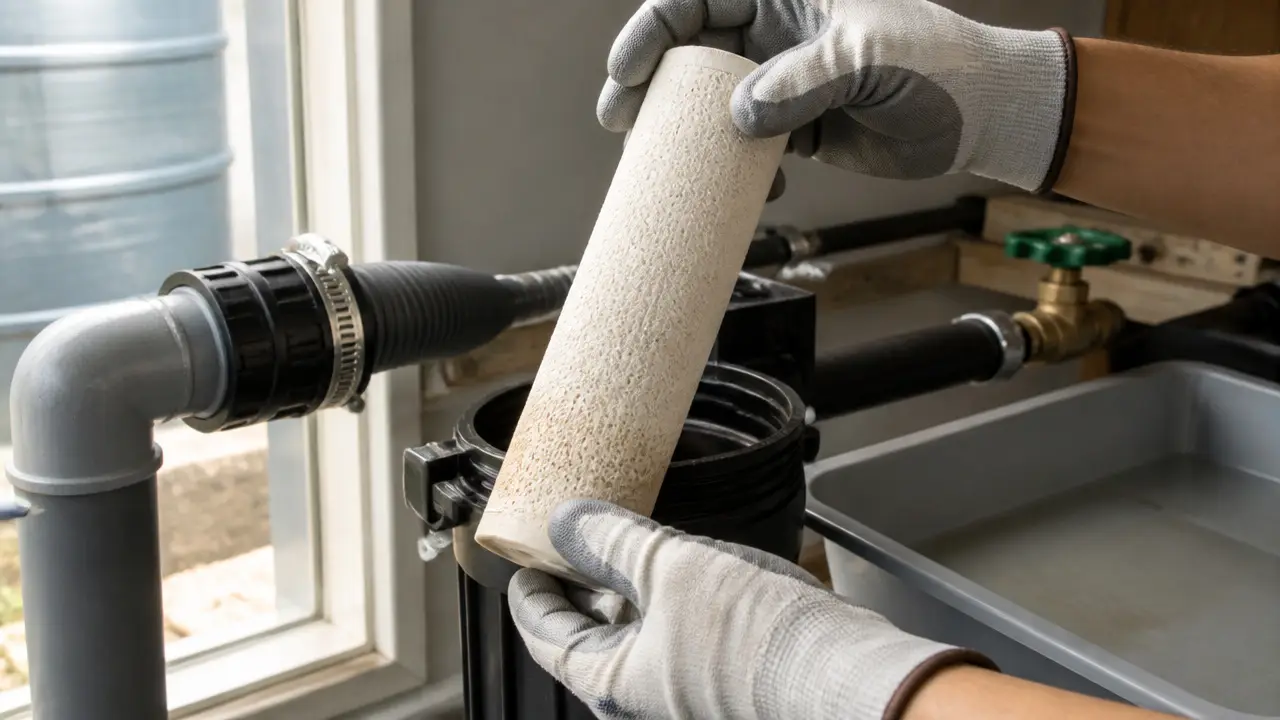
Ceramic filtration can be useful as a slow, point-of-use treatment stage after rainwater has already been collected cleanly, screened, and managed through the upstream treatment the intended use requires. Ceramic elements use a porous structure to physically block particles, while some products combine the ceramic shell with additional media for supported chemical-treatment targets.
The important distinction is that “ceramic filter” does not mean every candle has the same pore structure, media, certification, flow, or contaminant-reduction scope. Match the exact replacement element to the gravity housing and use only the treatment claims that belong to that exact element.
For drinking-water use, do not make a decision from one filter cartridge alone. Roof runoff safety depends on collection surfaces, storage, pretreatment, microbial risk, treatment barriers, maintenance, local requirements, and current testing.
Ceramic Water Filters at a Glance
| Product | Best For | Main Strength | Main Tradeoff |
|---|---|---|---|
| British Berkefeld Gravity System | Complete countertop setup | Stainless gravity system supplied with two Ultra Sterasyl ceramic elements | Gravity flow can be slow and spigot leakage has occurred |
| Ultra Sterasyl 2-Pack | Existing compatible gravity cans | Established ceramic replacement format with broad gravity-system fit | Flow is slower than some alternative gravity elements |
| AquaCera CeraMetix-GF | Targeted fluoride-oriented gravity treatment | Ceramic composite element with supported fluoride-focused claims | Defective-element complaints and complex claim set require careful model matching |
| ProOne G-Series | Compact gravity replacement | No priming product claim and broad gravity-system positioning | Size substitutions, slow flow, and quality complaints reduce confidence |
Ceramic Filters Need Clean Inlet Water
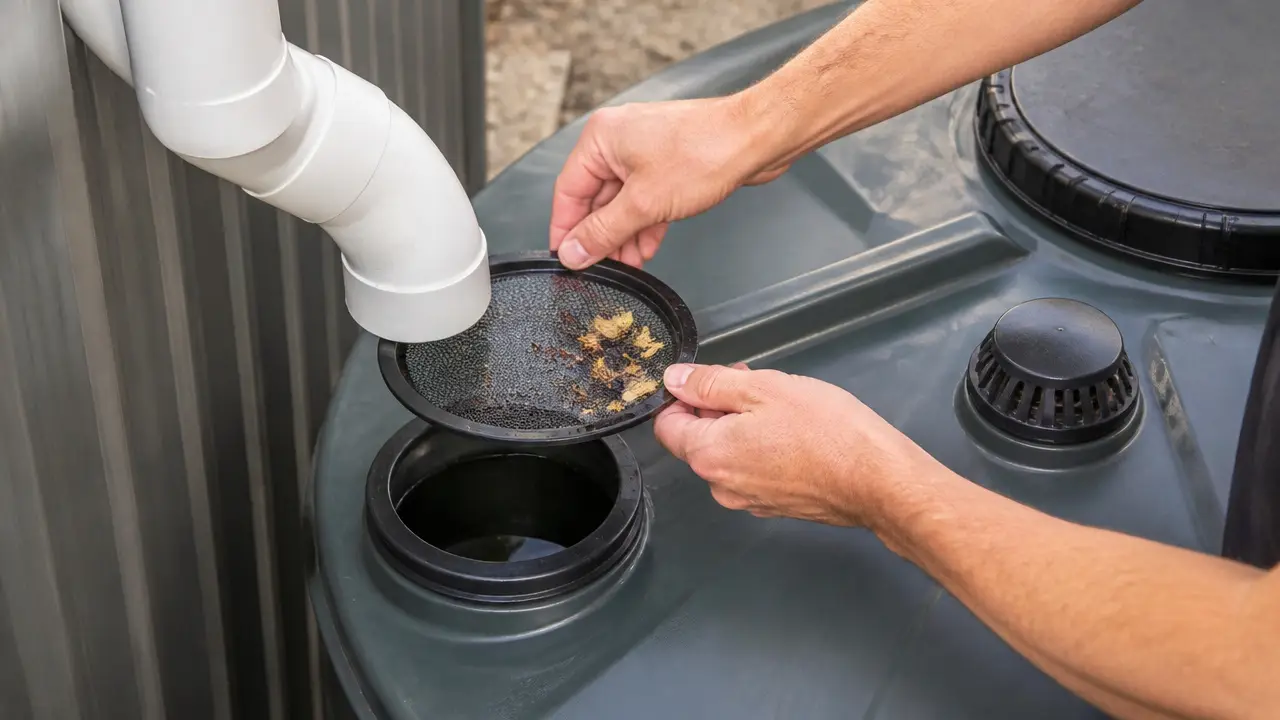
A gravity ceramic candle is not a substitute for a leaf screen, first flush, or tank sediment filter. Fine ceramic pores can clog rapidly if roof grit, algae, or tank sludge reaches the element.
Use coarse filtration before storage and remove suspended sediment before the ceramic stage whenever practical. If flow slows, follow the element's cleaning instructions rather than scraping or sanding it beyond the manufacturer's limits.
Gravity systems also need patience. They trade pump pressure for passive flow, so water may take hours to move through the elements. Adding more compatible candles can increase total system flow, but only when the housing is designed for them.
A Complete Gravity System With Two Ceramic Elements
1 / 4
British Berkefeld Gravity Water Filter System

Format
Countertop gravity system
Elements
2 Ultra Sterasyl ceramic candles
Body
Stainless steel
Power
Gravity fed
The British Berkefeld system is the strongest overall option because it is a complete gravity setup rather than a replacement element that still needs a compatible housing. It includes a stainless-steel gravity body and two Ultra Sterasyl ceramic filter candles, making the fit between container and elements straightforward from the start.
The product is designed to operate without electricity or water pressure. That is useful for off-grid or backup treatment, but gravity flow is much slower than a pressurized cartridge system. Product-specific use confirms that some owners are comfortable with the pace while others find the filtering rate too slow for daily high-volume demand.
The prepared capacity and dimension fields conflict, so this guide does not use an exact storage-volume claim. Spigot and body sealing also deserve inspection because leakage has occurred around the faucet area. Use the system as one controlled point-of-use stage within a larger rainwater-safety plan rather than assuming the countertop unit solves every source-water risk.
Why It Works
- Complete gravity system includes two matched ceramic elements.
- No electricity or pump pressure is needed for filtration.
- Stainless body provides a durable countertop format.
- Ultra Sterasyl elements have defined manufacturer treatment and replacement guidance.
What To Keep In Mind
- Gravity flow can be slow for high daily water demand.
- Inspect the spigot and chamber seal for leaks.
- Exact capacity is omitted because the prepared fields conflict.
Replacement Ceramic Candles for Compatible Gravity Cans
2 / 4
British Berkefeld Ultra Sterasyl Ceramic Filter Candles, 2-Pack

Format
Ceramic gravity candle
Pack
2
Certification
NSF product claim
Use
Compatible gravity water filter systems
The Ultra Sterasyl two-pack makes sense when you already own a compatible gravity can and want replacement ceramic elements without buying another stainless vessel. Product-specific use includes long-term installation in several gravity-filter brands, including systems originally sold with different candle elements.
The ceramic filters are designed for gravity operation and use the manufacturer's supported treatment structure rather than a generic ceramic shell alone. Product-specific owners commonly note slower flow than some black gravity filters, which is an important tradeoff if the household needs several gallons quickly.
Fit should still be checked against the exact gravity housing, mounting hole, and hardware. Certification applies to the element and its defined performance scope; it should not be stretched into a general statement that untreated rainwater becomes potable in every installation.
Why It Works
- Two-pack suits multi-candle gravity systems.
- Compatible with several common gravity-can formats in product-specific use.
- Ceramic element has defined manufacturer treatment and replacement guidance.
- No electrical power is required.
What To Keep In Mind
- Flow may be slower than other gravity filter elements.
- Check mounting compatibility before replacing a different brand's candle.
- Follow replacement and cleaning instructions rather than relying on appearance alone.
A Ceramic Composite Candle With a Fluoride-Focused Role
3 / 4
AquaCera CeraMetix-GF Ceramic Filter Candle
Format
7 in gravity ceramic candle
Material
Ceramic composite product claim
Certification
ANSI/NSF claims
Role
Fluoride-oriented gravity treatment
The AquaCera CeraMetix-GF has the clearest specialized role in this group because its treatment claims specifically include fluoride along with a wider set of supported contaminant-reduction targets. That makes it a candidate only when testing and treatment design show that those targets are relevant.
This is a gravity replacement element, not a complete system. It needs a compatible housing and enough surface area or enough parallel candles to provide the flow the household needs. The product also carries a dense set of laboratory and certification claims, so buyers should match the exact model and current documentation rather than assuming every AquaCera ceramic element performs identically.
Product-specific use includes defective units, which keeps it behind the Berkefeld options. Inspect the candle before installation and perform any manufacturer-required setup or integrity checks before relying on it.
Why It Works
- Clear fluoride-focused treatment role distinguishes it from general ceramic candles.
- Gravity operation does not require electricity.
- Compact replacement format can fit compatible gravity housings.
- Product carries specific laboratory and certification claims for defined targets.
What To Keep In Mind
- Defective-element complaints reduce confidence.
- Match the exact candle model to the current performance documentation.
- Specialized chemical claims do not eliminate the need for appropriate microbial treatment and testing.
A Compact ProOne Gravity Replacement Element
4 / 4
ProOne G-Series Gravity Water Filter

Format
Gravity replacement filter
Material
Ceramic
Product Size
5 in model family
Priming
No priming product claim
The ProOne G-Series filter is positioned as a compact replacement element for gravity systems and does not require priming according to the product instructions. Its ceramic construction and gravity format make it easy to understand as a point-of-use filter when the correct version fits the existing can.
Fit consistency is the largest problem. Product-specific use includes buyers receiving a different length than expected, which caused installation failures or slower performance. Other users report a major slowdown after months of use, black specks, chalky taste, and hardware defects.
Those quality-control issues make it the last pick despite its convenient format. If you choose it, inspect the exact element length, threads, wing nut, and flow behavior before discarding the old working filter.
Why It Works
- Compact gravity format works without electricity.
- Product claims no priming requirement.
- Ceramic construction provides a defined physical filtration stage.
- Intended for broad gravity-system compatibility when the exact size matches.
What To Keep In Mind
- Wrong-size shipments and fit problems have occurred.
- Flow can slow substantially with use.
- Inspect for damaged hardware, unusual taste, or media release during setup.
Ceramic Filtration vs. Carbon Filtration
Ceramic and carbon solve different problems. Ceramic provides physical filtration through a porous structure. Carbon adsorbs suitable dissolved compounds and can improve taste or odor when the media is designed for those targets.
Some ceramic candles include additional internal media, which is why one ceramic product can have broader treatment claims than another. Read the exact element specification rather than assuming the ceramic shell defines every treatment function.
Where a Ceramic Filter Fits in a Rainwater System
Start upstream with roof debris control, first flush where appropriate, and tank inlet screening. Remove tank sediment before sending water to a fine gravity element.
For potable use, ceramic filtration may be one barrier among several. The full treatment design should address microbial risk and any chemical concerns shown by current testing. A gravity unit on the counter does not fix poor collection, contaminated storage, or cross-connected plumbing.
Ceramic Filter Maintenance
Follow the element maker's cleaning method. Some ceramic surfaces can be cleaned when flow slows, but over-cleaning can shorten element life or damage the filter.
Keep clean hands and clean tools away from the outlet side of the element. When changing filters, inspect washers, seals, mounting hardware, and the receiving chamber so untreated water cannot bypass the candle.
Replace elements on the maker's schedule or earlier when damage, failed integrity checks, persistent taste changes, or unacceptable performance appear.
Frequently Asked Questions
Are ceramic filters good for rainwater?
They can be useful as a fine point-of-use stage after the rainwater has already received appropriate collection, sediment control, and any other treatment required for its intended use.
Do ceramic filters remove bacteria?
Some specific ceramic elements have certified or laboratory-supported microbial reduction claims. Use only the performance scope of the exact element and do not generalize that claim to every ceramic filter.
Do ceramic filters remove chemicals?
Plain ceramic mainly provides physical filtration. Ceramic-composite elements may include additional media for supported chemical targets, depending on the exact product.
Why is my gravity ceramic filter so slow?
Gravity provides limited driving pressure, and fine pores can clog as sediment accumulates. Clean the element according to its instructions and improve upstream sediment control if it loads quickly.
Can I put a ceramic candle in any gravity filter can?
Not automatically. Check element length, mounting-hole size, hardware, chamber clearance, and manufacturer compatibility before buying.
Does ceramic-filtered rainwater become safe to drink?
Do not assume one ceramic element makes roof runoff potable. Drinking-water use requires a complete treatment plan, local requirements, suitable system materials, maintenance, and current testing.
Ceramic elements last longer when coarse and fine sediment are controlled first, so rainwater filters covers useful upstream stages. If carbon is part of the downstream treatment plan, carbon filters for rainwater compares large cartridges and gravity options. For cartridge-based indoor systems, filter housings for rainwater systems covers common housing formats and service risks. And when microbial safety is the specific question, bacteria water test kits explains home screening limits and when stronger confirmation is needed.