5 Best Outdoor Faucet Covers for Rainwater Systems
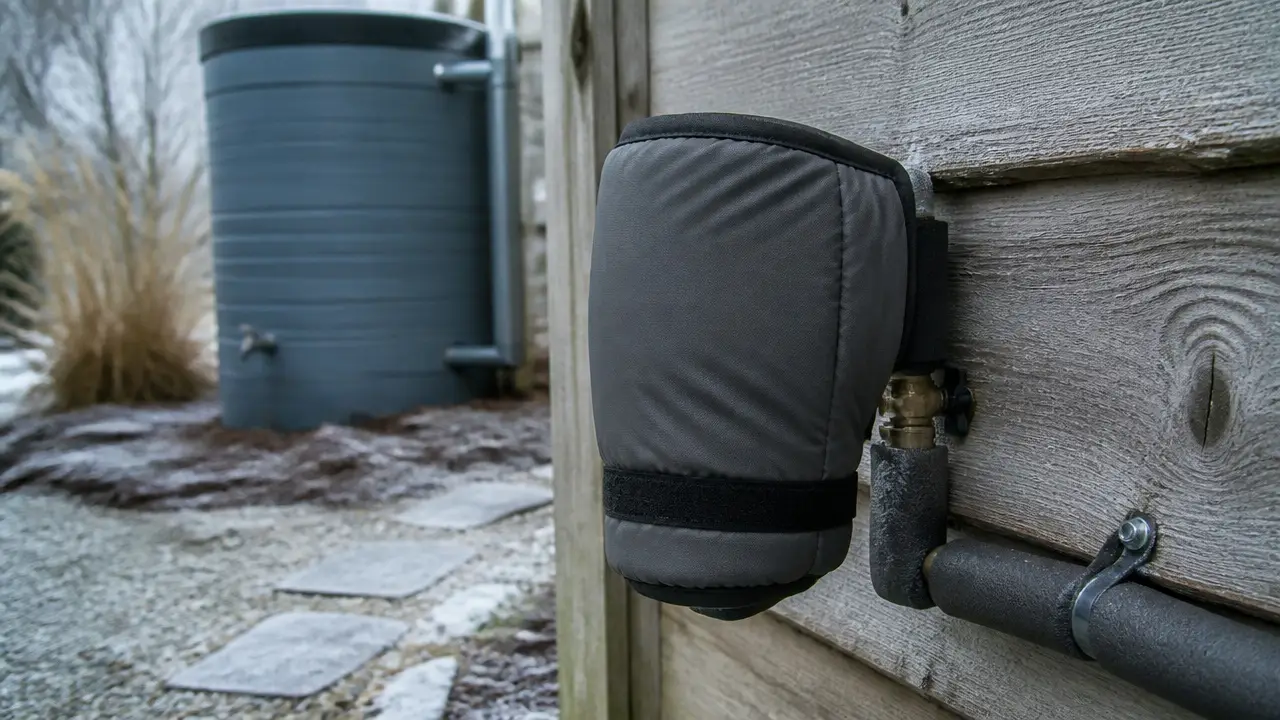
Compare outdoor faucet covers by fit, rigid versus flexible construction, weather resistance, fastening method, and winterizing role for rainwater plumbing.

Cold-weather shutdown, heaters, insulation, and freeze prevention.
Compare outdoor faucet covers by fit, rigid versus flexible construction, weather resistance, fastening method, and winterizing role for rainwater plumbing.
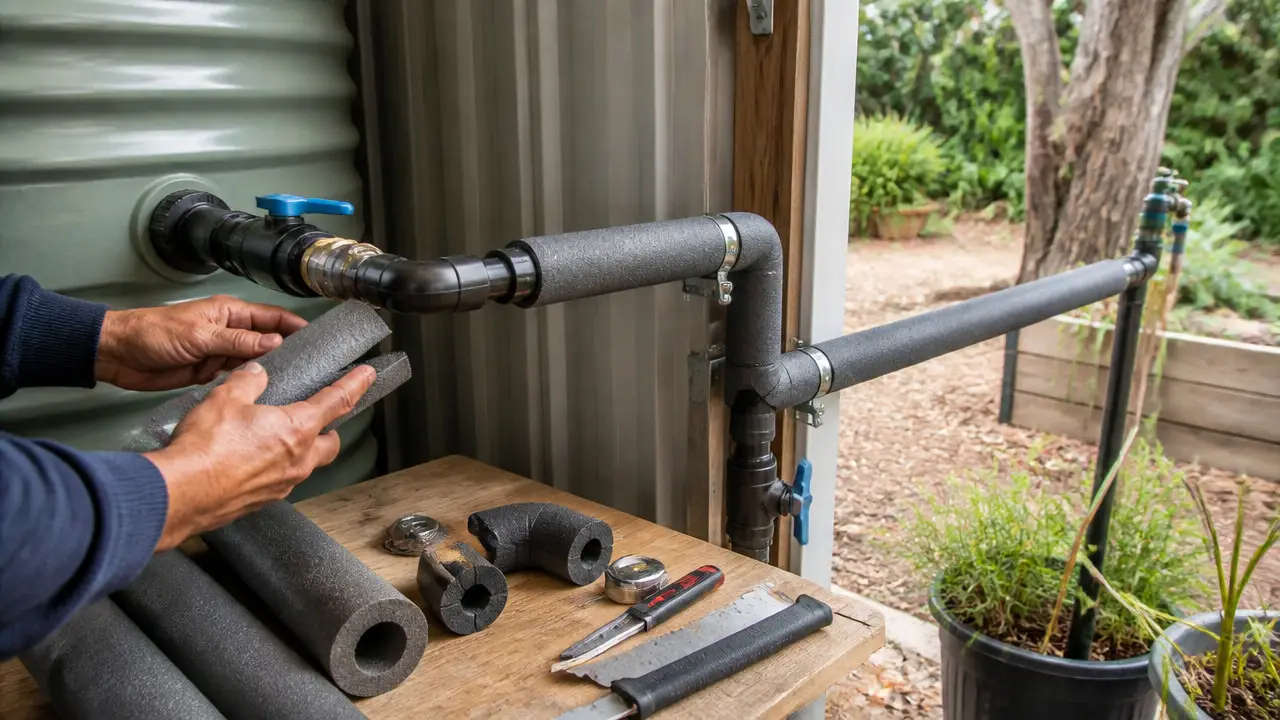
Compare pipe insulation by pipe fit, wall thickness, sleeve versus tape format, installation access, and freeze-protection limits for rainwater plumbing.
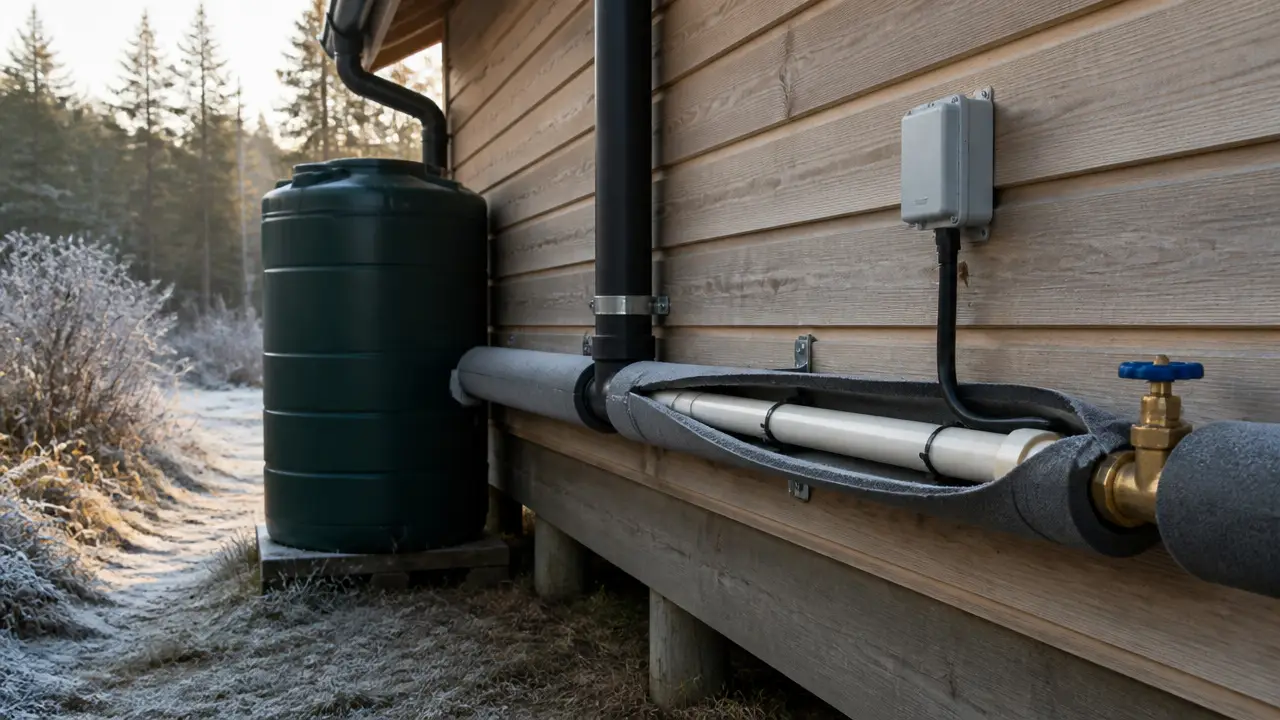
Compare pipe heat cables by length, watts per foot, thermostat behavior, pipe compatibility, and installation needs for rainwater freeze protection.
A rain barrel can crack when trapped water freezes and expands, stressing walls, fittings, and seams. Learn how draining, disconnecting, and storage prevent damage.
Winterize a rain barrel by disconnecting downspouts, draining water and hoses, clearing debris, opening outlets, protecting fittings, and securing the empty barrel.
Pipe heating cables can be safe when listed for the pipe, installed exactly as directed, protected by proper electrical controls, inspected, and never overlapped.
Attach heat cable only with the fasteners and spacing its listing permits, keeping it flat, dry, and free of overlap. Follow pipe, insulation, and electrical rules.
Heat-cable electricity use depends on watts per foot, length, temperature, thermostat control, insulation, and operating hours. Learn how to estimate consumption.
Choose an outdoor faucet cover by measuring the spigot, checking wall clearance, climate exposure, insulation, seal, weather resistance, fit, and reuse needs.
Insulate outdoor pipes with sized closed-cell material, sealed joints, weatherproof protection, and approved heat cable where passive insulation is insufficient.