5 Best Water-Safe Sealants for Rainwater Tanks

Compare rainwater-tank sealants by silicone or epoxy type, water-contact documentation, flexibility, surface compatibility, cure needs, and repair location.

Cleaning, prevention, repair, sealing, and seasonal protection.
Compare rainwater-tank sealants by silicone or epoxy type, water-contact documentation, flexibility, surface compatibility, cure needs, and repair location.
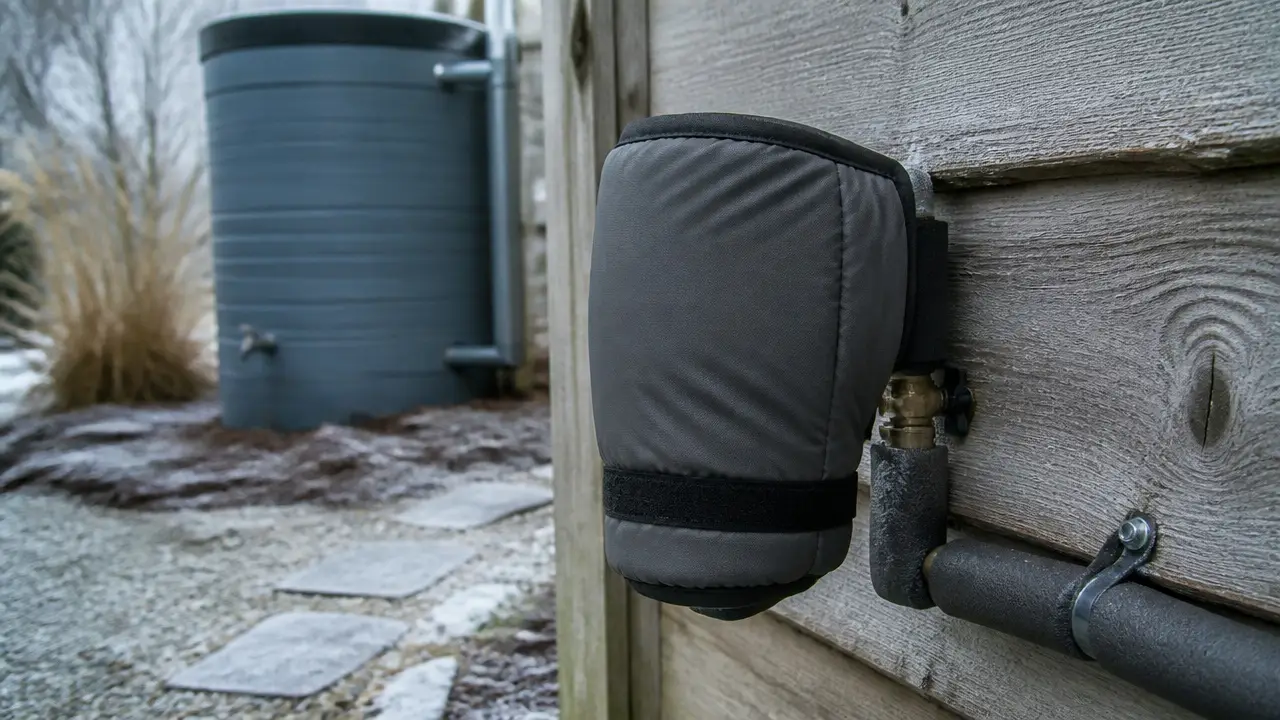
Compare outdoor faucet covers by fit, rigid versus flexible construction, weather resistance, fastening method, and winterizing role for rainwater plumbing.
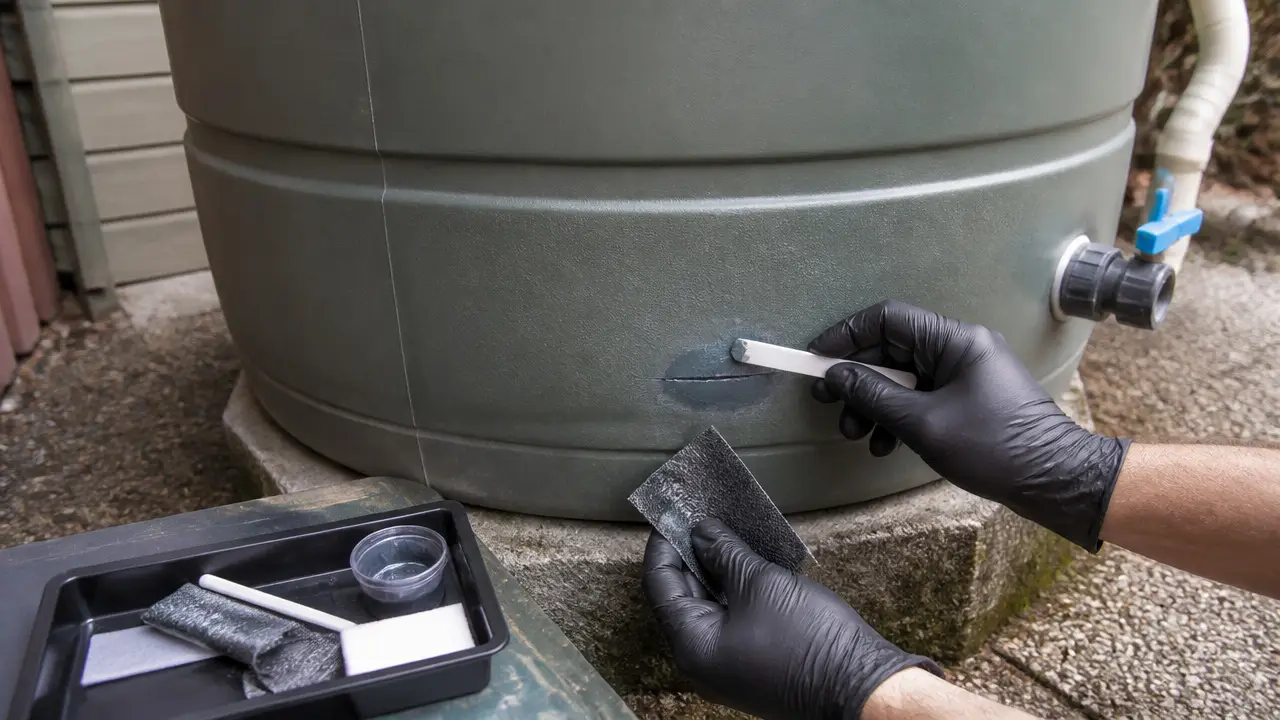
Compare water-tank patch options by tank material, epoxy or plastic-weld method, wet-surface use, cure limits, and repair fit for cracks, holes, and fittings.

Compare rain-barrel repair options by plastic compatibility, wet-surface use, epoxy or weld method, tape limits, and fit for barrel walls, spigots, and fittings.
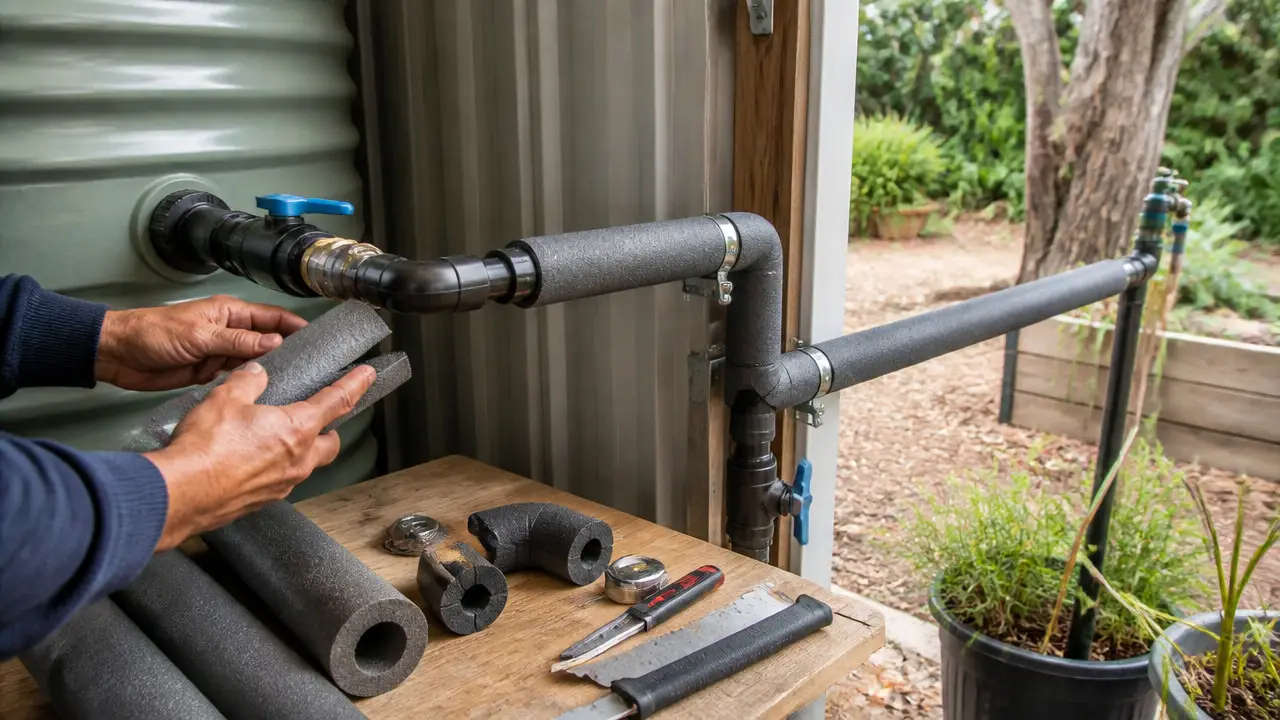
Compare pipe insulation by pipe fit, wall thickness, sleeve versus tape format, installation access, and freeze-protection limits for rainwater plumbing.
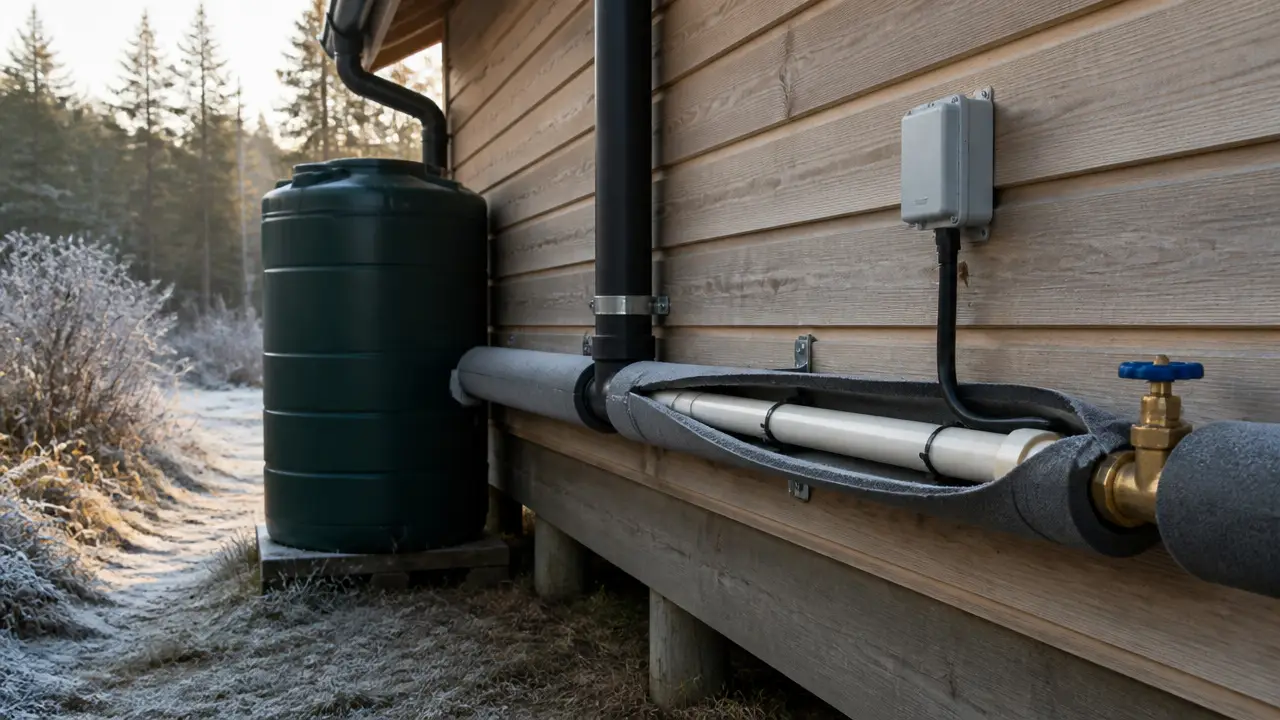
Compare pipe heat cables by length, watts per foot, thermostat behavior, pipe compatibility, and installation needs for rainwater freeze protection.

Compare waterproof repair tapes for low-pressure water-tank patches by width, material, wet-surface claims, repositioning, weather exposure, and repair limits.
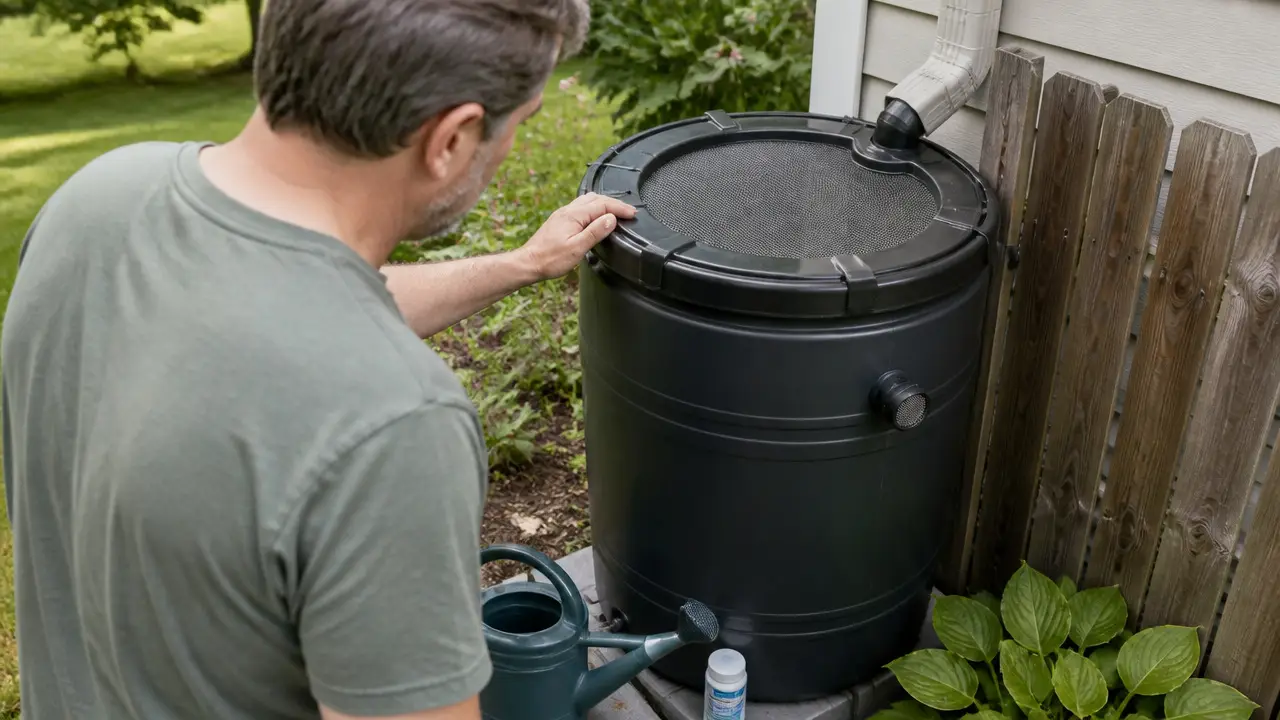
Compare mosquito control products for rain barrels by Bti form, treatment interval, dosing flexibility, and barrel setup while keeping prevention first.
Maintain a rainwater system by cleaning catchment surfaces, screens, first flush, tank, filters, pumps, controls, outlets, and overflow on a regular schedule.
Copper can inhibit some algae, but placing pipe in a trough gives uncertain dosing and may harm animals, plants, plumbing, or water quality. Use safer controls.