As an affiliate, we may earn a commission from qualifying purchases. We get commissions for purchases made through links on this website from Amazon and other third parties.
LED lights can promote algae growth if enough light reaches stored water. Algae use light for photosynthesis, and LED light can provide the wavelengths they need.
That does not mean every LED near a rain barrel or tank will cause an algae problem. A small indicator light is very different from a bright utility light or grow light shining through a clear container for many hours each day.
For rainwater storage, the best approach is simple: keep light out of the stored water as much as possible.
Why LED Light Can Help Algae Grow
Algae need several things to grow, including:
- Light
- Water
- Nutrients
- Suitable temperatures
LED lights can supply the light part of that equation.
Many algae can use blue and red parts of the visible light spectrum for photosynthesis. Those wavelengths are common in white LEDs and especially common in plant grow lights.
The LED itself does not add algae to the water. It also does not create nutrients. But if algae cells and nutrients are already present, enough light can help the algae multiply.
Rainwater systems can contain small amounts of organic matter and nutrients from:
- Dust
- Pollen
- Leaves
- Bird droppings
- Roof debris
- Insects
- Sediment inside the tank
Keeping sunlight and artificial light out of the tank removes one of the main things algae need to grow.
Does the Color of an LED Matter?
Yes, but brightness and exposure time usually matter more for a rainwater tank.
Algae can use several parts of visible light. Blue and red wavelengths are especially useful for photosynthesis.
A red, blue, or full-spectrum grow light shining directly through a clear rain barrel can therefore support algae growth. A bright white LED can also support growth because white LEDs produce a range of visible wavelengths.
You generally do not need to choose special "algae-safe" lighting around a rainwater system. It is more effective to block the light from reaching the water.
Will a Small LED Indicator Cause Algae?
Usually not.
A tiny LED on a pump controller, charger, water-level monitor, or other device produces very little light. If it is outside an opaque tank, it should have no meaningful effect on the stored water.
The situation changes when you have:
- A clear or translucent tank
- A bright LED fixture close to the tank
- Lights left on for many hours
- Grow lights nearby
- Light shining directly into an uncovered opening
In those conditions, artificial lighting may contribute to algae growth.
Clear and Translucent Tanks Are More Vulnerable
Tank material makes a major difference.
An opaque tank blocks most light before it reaches the water. A clear or lightly colored container may allow enough light through for algae to grow along the walls.
This can happen with:
- Clear storage containers
- Translucent rain barrels
- Some light-colored plastic tanks
- IBC totes
- Clear hoses
- Sight tubes
IBC totes are a common example. Their inner plastic bottles often allow light to enter. If an uncovered tote sits outdoors or under bright lighting, green growth can develop inside.
A suitable opaque cover can greatly reduce the amount of light reaching the water.
Do not rely on color alone. Some plastic may look dark but still transmit enough light for algae. Tanks designed for water storage should provide good light blocking throughout the container.
Sunlight Is Usually a Bigger Concern Than Indoor LEDs
Direct sunlight normally provides much more light than a typical household LED fixture.
If a rain barrel develops algae outdoors, sunlight entering the barrel is often the first thing to check.
Look for:
- A translucent tank wall
- An uncovered lid
- Gaps around inlet screens
- Clear tubing exposed to sun
- A sight gauge that receives direct light
Moving the tank into shade can help with heat, but shade alone does not make a translucent tank lightproof. An opaque container or suitable cover provides better control.
Grow Lights Deserve Extra Attention
Grow lights are designed to provide plants with useful light for photosynthesis. Algae can take advantage of that light too.
This matters if you keep a rainwater container in a:
- Greenhouse
- Indoor garden
- Hydroponic area
- Seed-starting room
- Shed with plant lights
If the tank is translucent, keep it outside the illuminated growing area or block the light from reaching the water.
Covering only the top may not be enough. Light can also pass through the sides of a translucent container.
Why Algae in a Rainwater Tank Is a Problem
Algae are not just a cosmetic issue.
Heavy growth can create:
- Green or cloudy water
- Slippery tank walls
- Organic buildup
- Odors
- Clogged screens or irrigation emitters
- More cleaning work
Dead algae also become organic material in the water. That material can settle or contribute to biofilm inside pipes and tanks.
Algae growth does not tell you whether rainwater is safe or unsafe to drink. Water can look clear and still contain harmful microorganisms or contaminants.
Likewise, removing visible algae does not make roof runoff potable, meaning safe for drinking.
Drinking-water use requires a properly designed collection and treatment system, suitable pretreatment, ongoing maintenance, current water testing, and compliance with applicable local requirements.
How to Reduce Algae Growth in Stored Rainwater
Guidance on practical steps for getting rid of algae in water storage tanks helps understand tank size based on expected use between rain events.
Light control is usually the easiest place to start.
Use an opaque storage tank
Choose a container that prevents light from reaching the water. This is more reliable than trying to control every nearby light source.
Cover translucent IBC totes
If you use an IBC tote, a durable opaque enclosure or cover can reduce light exposure.
Make sure any cover does not interfere with:
- Tank vents
- Overflow piping
- Inspection access
- Connections
- Drainage around the tank
Keep openings covered
Lids and inspection ports should remain closed when you are not using them.
Inlets still need suitable screening and ventilation where required by the system design.
Limit light through clear tubing
Clear hoses and sight tubes can develop algae when exposed to light.
Opaque tubing is usually easier to maintain in areas that regularly contain water.
Reduce roof debris entering storage
Light is only part of the algae equation. Reducing debris also limits some of the nutrients entering the tank.
Useful collection-system features may include:
- Gutter screens
- Leaf guards
- Inlet screens
- A first-flush device where appropriate
A first-flush device diverts some of the first roof runoff from a rain event. That early runoff can carry a higher amount of loose dirt and debris from the roof.
These features reduce debris but do not sterilize rainwater.
What If Algae Is Already Growing?
First, correct the reason light is entering the tank. Otherwise, algae may return after cleaning.
For a rain barrel or other small non-potable system, that may mean emptying the container and cleaning accessible surfaces using a method suitable for the tank material and intended water use.
Do not enter a cistern or large water tank to clean it. Tanks can be confined spaces with serious hazards. Large tanks should be cleaned using safe methods that do not require a person to climb inside, or by qualified professionals when necessary.
After cleaning, also inspect:
- Screens
- Inlet fittings
- Overflow fittings
- Pumps
- Filters
- Irrigation lines
Algae and loose debris can collect in these areas.
Does Turning Off the LED Solve the Problem?
It may help if artificial lighting is the main source of light, but blocking light from the tank is usually the better long-term fix.
You may not always be able to control nearby lighting. An opaque tank continues protecting the water whether the light comes from:
- The sun
- Garage lights
- Shed lights
- Grow lights
- Outdoor security lights
Removing the light source also does not remove existing algae or accumulated organic material.
Light Control Works Best With Good System Maintenance
Blocking light is important, but algae prevention is easier when the rest of the rainwater system is also maintained.
Keep gutters reasonably clean. Remove sediment when needed. Maintain inlet screens. Check overflow protection. Clean filters according to their purpose and condition.
The goal is to reduce both light and the organic material that can support biological growth.
For garden irrigation and other non-potable uses, meaning water that is not intended for drinking, these basic controls can make the system much easier to maintain.
Frequently Asked Questions
Do white LED lights grow algae?
They can. White LEDs contain visible wavelengths that algae can use for photosynthesis. Whether algae actually grow depends on light intensity, exposure time, nutrients, temperature, and other conditions.
Are blue LED lights more likely to grow algae?
Blue light can support photosynthesis in many types of algae. However, switching to a different LED color is usually less effective than preventing light from reaching stored rainwater.
Can LED grow lights cause algae in an IBC tote?
Yes. If the tote is translucent and exposed to a strong grow light, enough light may pass through the plastic to support algae. An opaque cover can greatly reduce this problem.
Will an LED water-level indicator cause algae?
A small indicator LED outside an opaque tank is unlikely to matter. A bright light shining directly into stored water is a different situation.
Can algae grow in a completely dark rainwater tank?
Algae that depend on photosynthesis cannot continue normal growth without light. However, other microorganisms and biofilms can still exist in dark tanks, so blocking light does not eliminate the need for cleaning and maintenance.
Will a black rain barrel prevent algae?
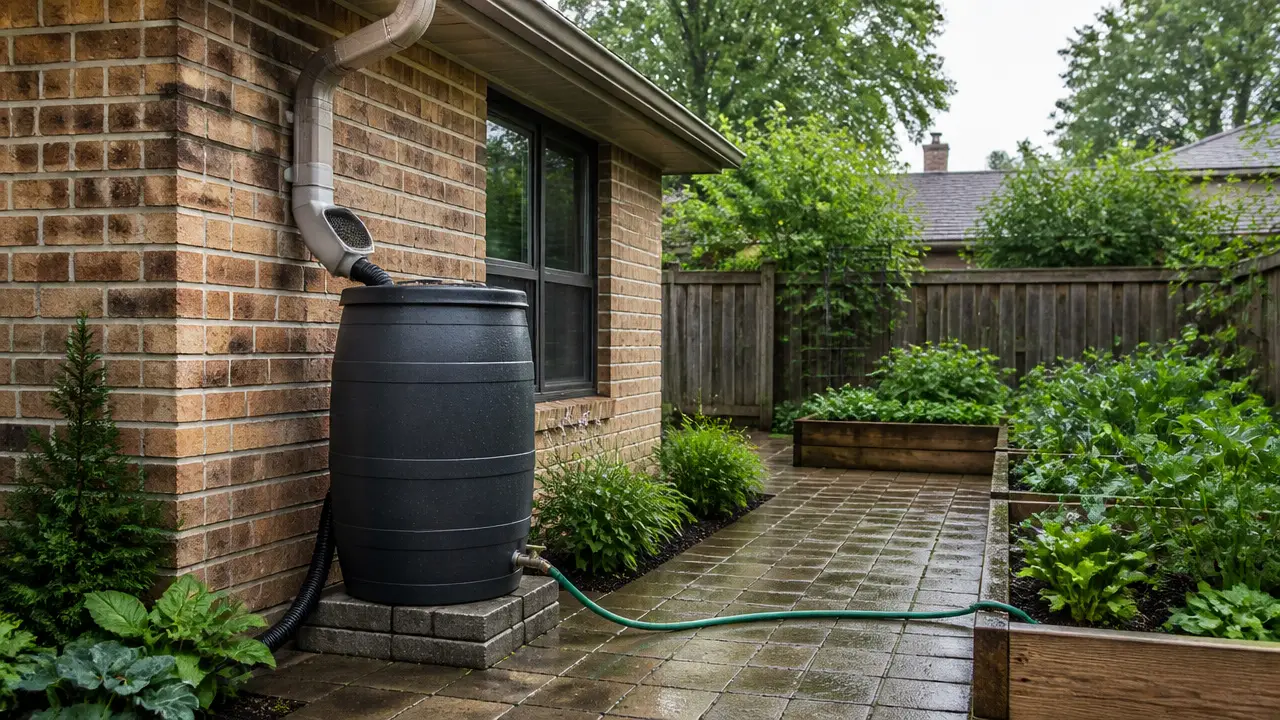
A truly opaque barrel can greatly reduce algae growth by blocking light. Do not assume every dark-colored container is fully lightproof, however. Light transmission depends on the material and thickness.
Does killing algae make rainwater safe to drink?
No. Algae control is not a complete drinking-water treatment process. Roof runoff intended for drinking requires appropriate collection, treatment, maintenance, current testing, and compliance with applicable local requirements.