As an affiliate, we may earn a commission from qualifying purchases. We get commissions for purchases made through links on this website from Amazon and other third parties.
Boiling water does not lower total dissolved solids (TDS). In many cases, it can make the TDS reading slightly higher because some water evaporates while the dissolved minerals and salts stay behind.
TDS includes dissolved substances such as calcium, magnesium, sodium, and other ions. Normal boiling does not remove most of them.
What Happens to TDS When Water Boils?
When you boil water, part of the liquid changes into water vapor.
Most dissolved minerals do not evaporate with it. They remain in the pot.
For example, imagine you have:
- 1 gallon of water containing dissolved minerals
- Some of that water boils away
- The same minerals are now dissolved in less water
The concentration of dissolved solids can therefore increase.
A TDS meter may show a higher reading after boiling, especially if a noticeable amount of water has evaporated.
Boiling and Distillation Are Different
Boiling alone does not remove TDS.
Distillation can.
A distiller boils water and then captures the steam. The steam cools and becomes liquid water again in a separate container.
Most dissolved minerals stay behind in the boiling chamber, so the collected distilled water normally has much lower TDS.
The important difference is what happens to the steam:
- Boiling: Steam escapes, and you drink or use the water left behind.
- Distillation: Steam is captured, cooled, and collected as separate water.
Simply boiling rainwater in a pot is not the same as distilling it.
What Does Boiling Remove?
Boiling is mainly useful for controlling many disease-causing microorganisms when proper boiling guidance is followed.
The practical answer in “Do Water Filters Remove TDS?” clarifies when testing or treatment is needed before household use.
It does not reliably remove dissolved substances such as:
- Calcium
- Magnesium
- Sodium
- Chloride
- Nitrates
- Many dissolved metals
- Other dissolved salts
Some contaminants may even become more concentrated as water evaporates.
That is why boiling should not be treated as a complete water-treatment method.
Why Might TDS Change After Boiling?
There are several reasons a TDS reading can change after water has been boiled.
Water Evaporated
This is the main reason TDS may rise.
Less water remains, but most dissolved solids stay behind.
The Water Temperature Changed
Many handheld TDS meters are affected by temperature.
Some meters use automatic temperature compensation, but readings can still vary if you test very hot water.
For a useful comparison, let the boiled water cool to roughly the same temperature as the original sample before testing it.
Minerals Formed Scale
Some minerals can form deposits when water is heated.
You may see white or crusty scale on a kettle or pot.
This can change the amount and form of some dissolved minerals, so the TDS reading may not behave exactly as expected. However, boiling is still not a dependable way to reduce overall dissolved solids.
Does a TDS Meter Tell You Whether Water Is Safe?
No.
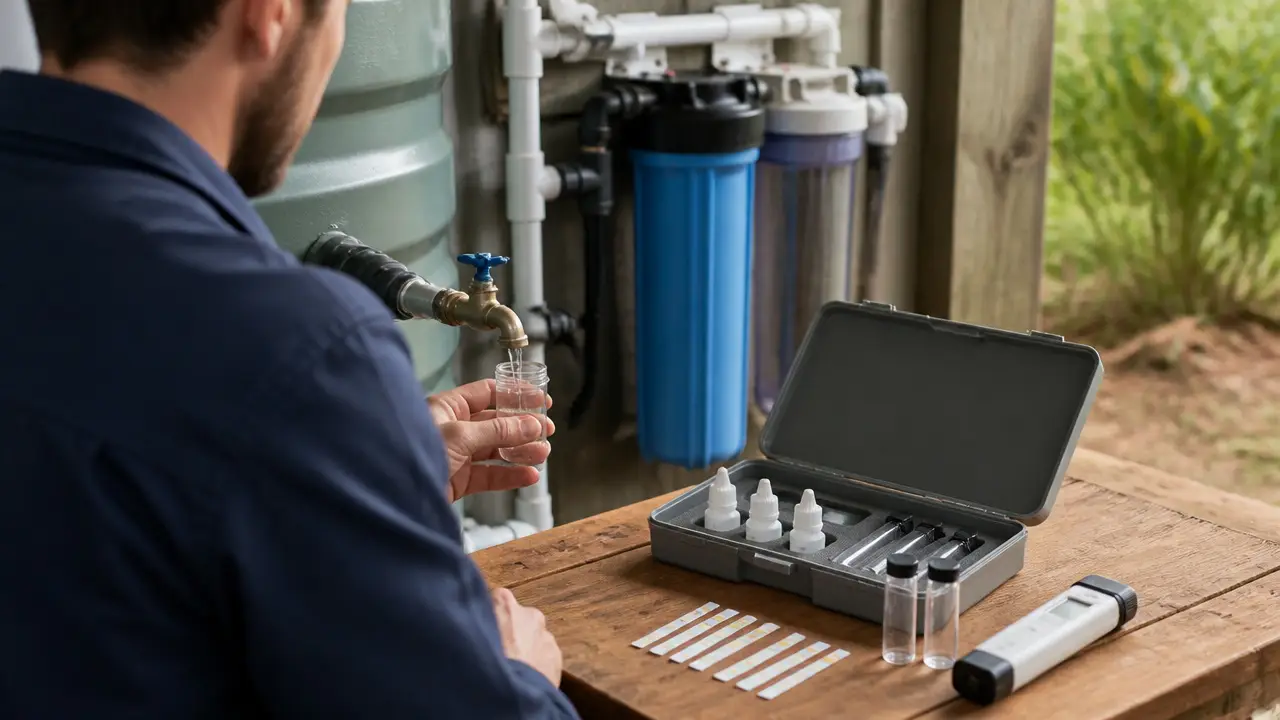
A TDS meter measures the water's electrical conductivity and converts that measurement into an estimated total dissolved solids value.
The planning note “What Water Has the Highest TDS?” clarifies when testing or treatment is needed before household use.
It does not identify which substances are present.
Guidance on key facts about the difference between turbidity and TDS helps assess which targeted analysis should confirm the initial indication.
Two water samples can have the same TDS reading but contain very different dissolved materials.
A TDS meter also does not reliably detect many important water-quality hazards, including:
- Bacteria
- Viruses
- Parasites
- Many organic chemicals
- Specific metals
- Individual pesticides or other contaminants
A low TDS reading does not prove that water is safe to drink.
What Can Lower TDS?
If lowering dissolved solids is the goal, you need a treatment method designed for dissolved substances.
Common approaches include:
Reverse Osmosis
Reverse osmosis, often called RO, pushes water through a specialized membrane. It can reduce many dissolved salts and minerals when the system is correctly selected and maintained.
Distillation
Distillation captures condensed steam instead of using the mineral-rich water left in the boiling chamber.
Ion Exchange
Some treatment systems exchange specific dissolved ions for others. Water softeners are a common example, although softening does not necessarily lower the overall TDS reading.
Sediment filters are different. They remove suspended particles but generally do not remove dissolved minerals.
What About Boiling Rainwater?
Boiling rainwater does not make dissolved contaminants disappear.
Roof-collected rainwater can pick up material from:
- Roofing surfaces
- Gutters
- Dust
- Bird and animal waste
- Nearby smoke or pollution
- Storage tanks
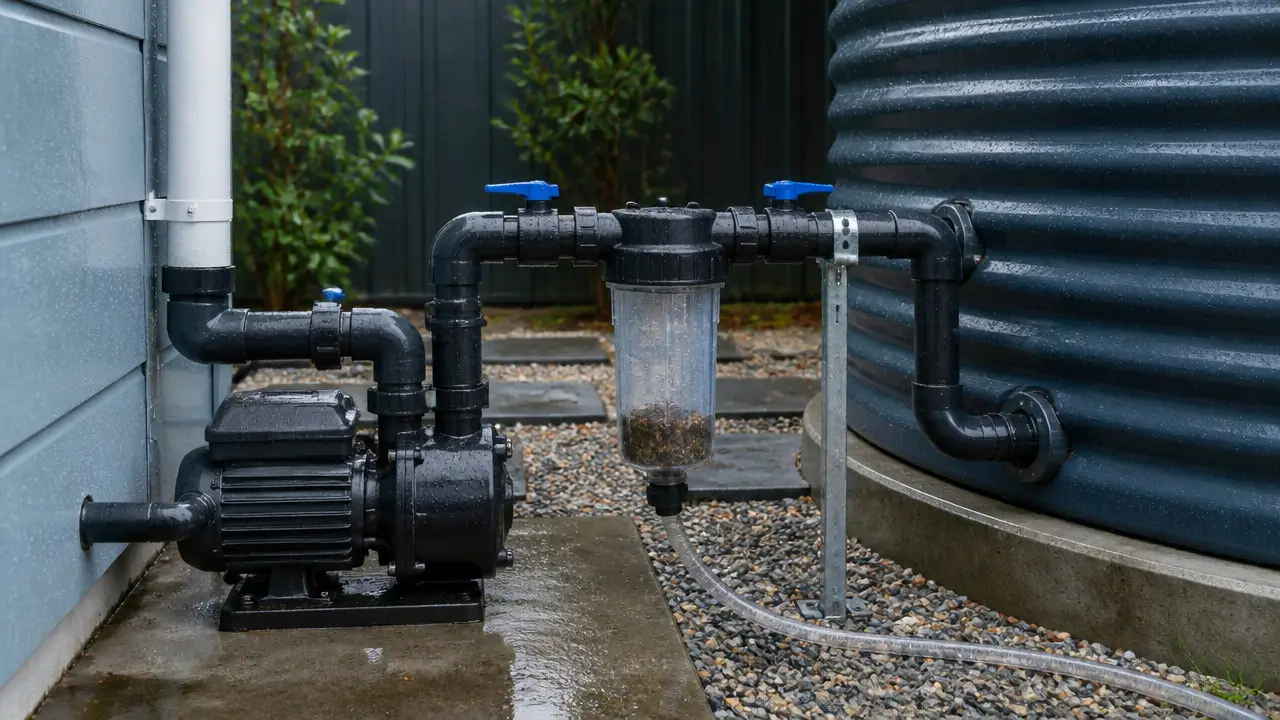
- Pumps and plumbing
Boiling may address some microbial risks when done correctly, but it is not a complete treatment system for drinking water. It does not reliably remove dissolved chemicals, metals, or salts.
If harvested rainwater will be used for drinking, treat it as a whole-system water-quality issue. Suitable collection, debris control, first-flush management, filtration, appropriate treatment, regular maintenance, and current laboratory testing may all matter. Local drinking-water and plumbing requirements should also be checked.
The explanation of limits in “Can I Drink Water with High TDS?” helps separate a water-quality reading from an actual health risk.
Should You Boil Water Before Measuring TDS?
Usually not.
If your goal is to learn the TDS of your untreated water, test it before boiling.
If you want to compare before and after readings:
- Take a sample before boiling.
- Measure its TDS.
- Boil a separate measured amount of water.
- Let the boiled water cool.
- Test it at about the same temperature as the first sample.
- Compare the readings.
Do not expect boiling to produce a meaningful reduction in TDS.
If a large amount of water evaporated, a higher reading would be normal.
Frequently Asked Questions
Does boiling tap water reduce TDS?
No. Most dissolved minerals and salts remain in the water. TDS may increase slightly because boiling removes water through evaporation.
Why does TDS increase after boiling?
Water evaporates while most dissolved solids remain. This leaves a greater amount of dissolved material in each unit of water.
Does boiling remove minerals from water?
Boiling does not reliably remove dissolved minerals. Some minerals may form scale on the container, but boiling is not an effective TDS-reduction method.
Does distilling water reduce TDS?
Yes. Distillation collects condensed steam while leaving most dissolved minerals behind. The collected water generally has much lower TDS than the original water.
Does a sediment filter lower TDS?
Usually no. Sediment filters catch suspended particles such as dirt and rust. TDS measures dissolved material that normally passes through a sediment filter.
Can reverse osmosis lower TDS?
Yes. A properly operating reverse-osmosis membrane can reduce many dissolved salts and minerals. Actual performance depends on the water, membrane, pressure, system design, and maintenance.
Does low TDS mean water is safe to drink?
No. TDS does not identify bacteria, viruses, individual chemicals, or many other possible contaminants. Drinking-water safety requires appropriate testing and treatment for the contaminants that may be present.