As an affiliate, we may earn a commission from qualifying purchases. We get commissions for purchases made through links on this website from Amazon and other third parties.
A pH meter can often stay usable for several years, but the part that usually wears out first is the electrode or probe. A well-maintained replaceable pH probe may last roughly 1 to 3 years, while the meter body and electronics can last much longer.
Actual life depends heavily on how the probe is stored, cleaned, calibrated, and used. A pH meter that is allowed to dry out or is stored incorrectly can fail much sooner.
The Probe Usually Determines the Meter's Lifespan
A typical digital pH meter has two main parts:
- The meter electronics, which read and display the measurement
- The pH electrode, which contacts the water
The electronics may keep working for many years if they stay dry and are not physically damaged. The glass sensing electrode is more delicate.
Some inexpensive pocket meters have a permanently attached electrode. When that electrode fails, you usually replace the whole meter.
Higher-end meters often use replaceable probes. In that case, replacing the electrode can extend the life of the meter itself.
What Shortens a pH Meter's Life?
Letting the Electrode Dry Out
Most standard glass pH electrodes should not be stored dry unless the meter manufacturer specifically says otherwise.
Drying can reduce response speed and may eventually damage the electrode. Follow the storage instructions supplied with your particular probe.
Many refillable or laboratory-style electrodes are stored with the sensing end in a recommended storage solution rather than plain water.
Storing It in the Wrong Liquid
Do not assume that distilled or deionized water is a good long-term storage solution. It may damage or shorten the life of some pH electrodes.
Use the storage solution recommended by the meter or electrode manufacturer.
Skipping Calibration
Calibration does not directly prevent physical aging, but it helps you notice when the meter is drifting.
Most digital pH meters are calibrated with known buffer solutions. These are liquids with a controlled pH value that give the meter a reference point.
How often you need to calibrate depends on the meter, required accuracy, and how often it is used.
Dirty Water
Sediment, oils, organic material, and mineral deposits can coat the sensing surface.
This matters when testing water from:
- Rain barrels
- Cisterns
- IBC totes
- Ponds
- Irrigation tanks
- Untreated roof runoff
A dirty electrode may respond slowly or produce unstable readings even when it is not permanently damaged.
Clean it according to the manufacturer's instructions rather than scraping or aggressively wiping the glass sensor.
Extreme Conditions
Very hot water, freezing conditions, strong chemicals, and solutions outside a probe's intended operating range can shorten electrode life.
Check the meter's operating limits before testing unusual liquids.
Signs Your pH Meter May Be Wearing Out
An aging or damaged probe may:
- Take much longer than usual to stabilize
- Give readings that continually drift
- Fail to calibrate correctly
- Require calibration unusually often
- Give noticeably different readings when testing the same sample repeatedly
- Produce readings that do not agree with fresh calibration buffers
For limitations of pH meters, first compare the appropriate upkeep step after validating the test result.
Do not replace a meter based on one strange reading alone. Old calibration solution, contamination, low batteries, or improper storage can cause similar problems.
How to Make a pH Meter Last Longer
Follow the manufacturer's instructions first because electrode designs differ.
In general:
- Rinse the probe after testing. Remove residue before putting it away.
- Use the proper storage solution. Keep the sensing element stored as directed.
- Do not let a wet-storage electrode dry out.
- Use fresh calibration buffers. Contaminated buffer solution can make a good meter appear inaccurate.
- Avoid touching the glass sensing bulb. It can be fragile.
- Keep the meter body dry unless it is rated for immersion.
- Store it away from freezing temperatures and excessive heat.
- Replace the probe when it can no longer hold calibration.
How Often Should You Replace a pH Meter?
There is no fixed replacement schedule.
If the meter calibrates correctly, responds normally, and gives repeatable measurements, there may be no reason to replace it simply because it is several years old.
For a meter with a replaceable electrode, replacing the probe is often enough.
For a pocket tester with a built-in electrode, replacement of the entire unit may make more sense once calibration becomes unreliable.
Can You Test Rainwater With a pH Meter?
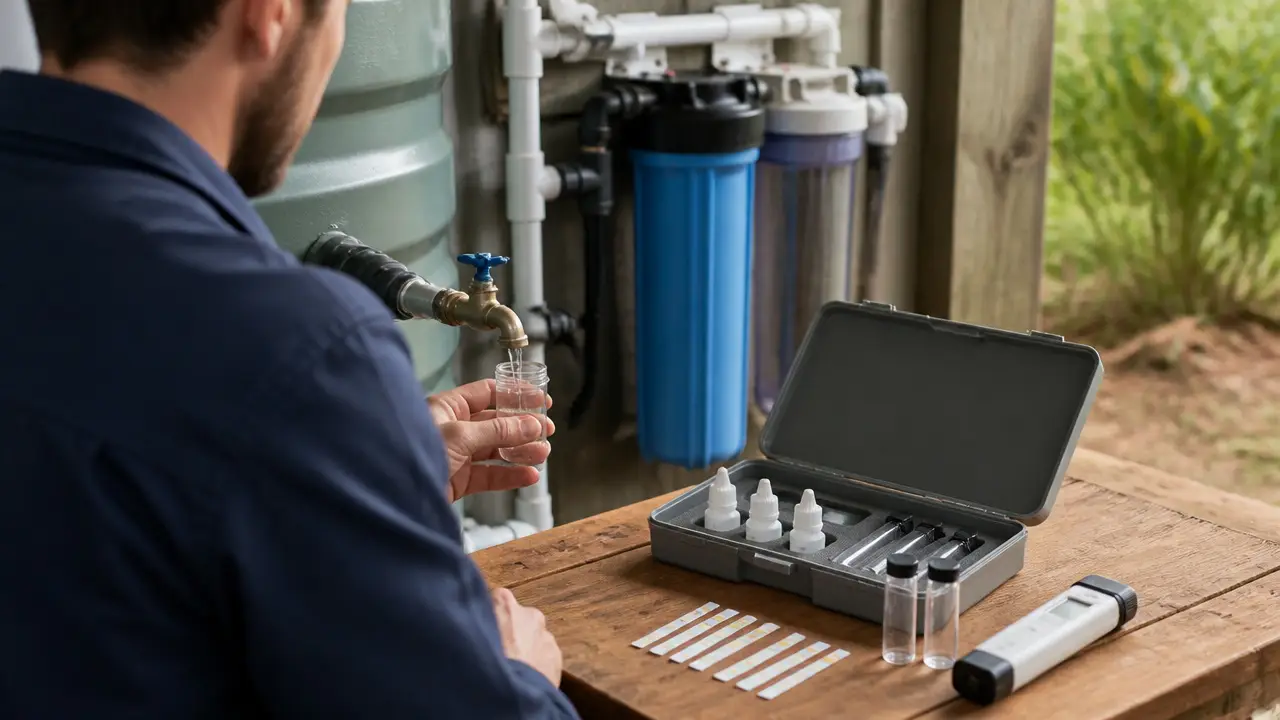
Yes. A pH meter can tell you whether a rainwater sample is more acidic or more alkaline.
However, pH alone does not tell you whether rainwater is safe to drink.
A pH meter cannot determine whether the water contains harmful:
- Bacteria
- Viruses
- Parasites
- Metals
- Pesticides
- Other chemical contaminants
Roof runoff can pick up contaminants from roofing materials, dust, animal waste, debris, and storage equipment.
If collected rainwater is intended for drinking, water safety should be treated as a complete system involving suitable collection, pretreatment, treatment, maintenance, and appropriate laboratory testing. A normal pH reading does not make the water potable, meaning safe for drinking.
Frequently Asked Questions
How many years does a digital pH meter last?
The electronic meter can often last several years. The electrode usually wears out sooner and may need replacement after roughly 1 to 3 years, depending on its design, use, and care.
How do you know when a pH probe needs replacing?
A worn probe may respond slowly, drift continuously, fail calibration, or give inconsistent readings even after cleaning and using fresh calibration buffers.
Can a pH meter last 10 years?
The meter electronics potentially can, especially if the probe is replaceable. It is less common for the original glass electrode to remain dependable for that long.
Does a pH meter go bad if it dries out?
Some electrodes can be damaged or become difficult to restore after drying. Follow the manufacturer's storage instructions because different electrode designs have different requirements.
Should a pH meter be stored in distilled water?
Usually not. Many standard pH electrodes require a specific storage solution. Distilled or deionized water can be unsuitable for long-term storage.
How often should a pH meter be calibrated?
It depends on the meter, how often it is used, and how accurate the measurement needs to be. Frequent users may calibrate before a testing session, while occasional users should at least check calibration before relying on an important measurement.
Does measuring rainwater damage a pH meter?
Normal rainwater testing should not damage a suitable pH meter. Dirty or sediment-heavy samples can coat the electrode, so rinse and clean the probe according to its instructions after use.