As an affiliate, we may earn a commission from qualifying purchases. We get commissions for purchases made through links on this website from Amazon and other third parties.
A pH of 9.5 means the water is alkaline. It is above the U.S. Environmental Protection Agency’s recommended pH range of 6.5 to 8.5 for drinking water. However, a pH of 9.5 by itself does not prove that the water is unsafe to drink.
The EPA treats pH as a secondary drinking-water standard. These standards mainly address taste, deposits, corrosion, and other water-quality concerns rather than a direct health limit. The World Health Organization also does not set a health-based guideline value for pH at levels normally found in drinking water.
Still, a reading of 9.5 is high enough that it is worth finding out why the water is alkaline before using it as your regular drinking supply.
What Does a pH of 9.5 Mean?
The pH scale runs from 0 to 14.
- A pH of 7 is neutral.
- A pH below 7 is acidic.
- A pH above 7 is alkaline, also called basic.
A reading of 9.5 is clearly on the alkaline side.
The pH scale is logarithmic. This means a change of one pH unit represents a tenfold change in hydrogen-ion concentration. It does not mean that water with a pH of 9.5 has ten times the "alkalinity" of water at 8.5. Alkalinity is a separate measurement that describes how strongly water resists changes in pH.
Is 9.5 pH Outside the Recommended Drinking-Water Range?
Yes.
The EPA lists 6.5 to 8.5 as its secondary recommended range for pH in public drinking water. High-pH water can cause a slippery feel, a soda-like taste, and mineral deposits.
This 6.5-to-8.5 range is not a federal primary health limit. Secondary standards are generally used to manage taste, appearance, deposits, corrosion, and similar problems. Some states may adopt their own requirements.
WHO takes a similar whole-system view. It does not establish a health-based pH guideline because pH itself is generally not a direct health concern at levels found in drinking water. However, WHO considers pH an important operating condition because it can affect treatment, disinfection, corrosion, and other water-quality processes.
So a pH of 9.5 should be treated as a water-quality signal to investigate, not as a stand-alone test of whether the water is safe.
Why pH Alone Cannot Tell You If Water Is Safe
A pH meter measures only one property of the water.
It cannot tell you whether the water contains:
- Disease-causing bacteria
- Viruses or parasites
- Nitrate
- Lead
- Arsenic
- Pesticides
- Fuel or solvent contamination
- Excess dissolved metals
- Other chemicals that may matter for your water source
Water can have a pH of 7.5 and still contain unsafe contaminants. Water at pH 9.5 could also meet health-based limits for many contaminants.
That is why drinking-water safety should never be decided from pH alone.
This is especially important for a private well, rainwater system, cistern, or other private supply that is not continuously monitored by a public water utility.
What Can Cause Water to Reach pH 9.5?
There are several possibilities. The likely cause depends on the water source and treatment system.
Natural minerals
Groundwater can pick up minerals as it moves through soil and rock. Some geological conditions can produce naturally alkaline water.
If a well has always produced water near the same pH and laboratory results are otherwise acceptable, the pH may simply reflect local water chemistry.
Water treatment
Treatment equipment may intentionally raise pH.
For example, certain neutralizing or chemical treatment systems change water chemistry to control corrosion or improve another treatment process. Incorrect adjustment or equipment problems can push the pH higher than intended.
If your pH changed after treatment equipment was installed or serviced, the treatment system is a good place to investigate.
Concrete or cement contact
Water stored in or flowing through new cement-based materials can sometimes become more alkaline.
This can matter with some cisterns, tanks, pipe linings, and other water-storage structures. A high reading from a newly installed system may therefore deserve additional investigation.
Chemical contamination or treatment failure
An unusual or sudden pH change can also signal that something has changed in the system.
WHO notes that extreme pH values can occur following treatment problems, accidental contamination, or contact with certain materials.
A sudden unexplained change is more concerning than a stable reading that has been documented over time.
What About Rainwater With a pH of 9.5?
Do not assume collected rainwater is safe to drink because its pH looks acceptable—or unsafe simply because the pH is high.
Roof runoff can pick up material from:
- Roofing
- Gutters
- Bird and animal waste
- Dust and soil
- Leaves and organic matter
- Storage tanks
- Pipes and fittings
- Treatment equipment
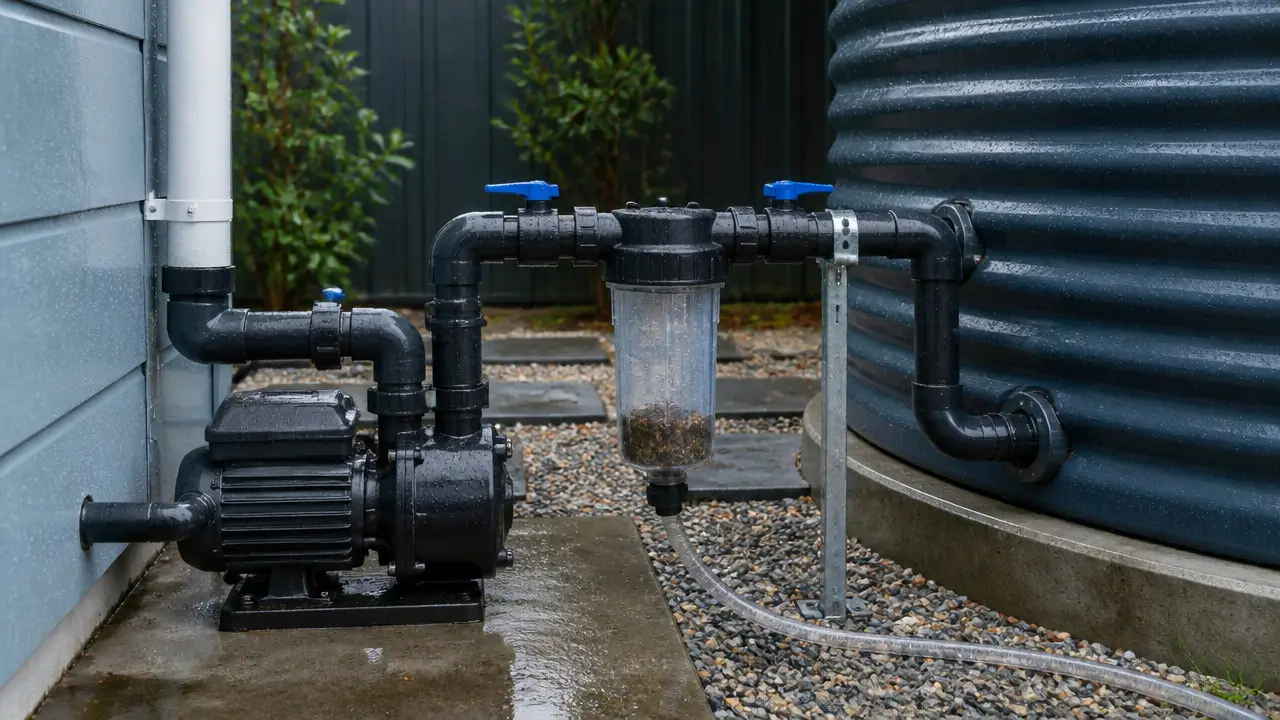
A rainwater system that produces a pH reading of 9.5 should be checked from collection through storage and treatment.
For example, you can compare the pH at the tank with the pH after treatment. A large difference may help identify where the change occurs.
But pH testing is only one part of evaluating rainwater for drinking. Using roof-collected rainwater as potable water—meaning water intended for drinking—requires suitable collection practices, prefiltration, appropriate treatment, ongoing maintenance, current laboratory testing, and compliance with applicable local requirements.
A single filter, UV unit, pH meter, or home test kit cannot establish that collected rainwater is potable.
Could High pH Affect Water Treatment?
Study key facts about the pH level of rainwater to compare testing choices and treatment needs for the intended application.
Yes. This is one reason pH matters even when it is not itself treated as a direct health limit.
Chlorine disinfection
The effectiveness of chlorine changes with pH. WHO notes that pH control is important during treatment and that chlorine disinfection generally works more effectively at lower pH than at very alkaline conditions.
This does not mean you should simply add acid to drinking water yourself. Chemical dosing requires proper equipment, monitoring, and knowledge of the complete water chemistry.
Mineral deposits
High-pH conditions can contribute to deposits depending on hardness, alkalinity, temperature, and other parts of the water chemistry.
Deposits may appear on fixtures, heaters, plumbing, or treatment equipment.
Taste and feel
EPA guidance lists a slippery feel and soda-like taste among possible effects of high-pH water.
These signs are useful clues, but they still cannot tell you whether the water is microbiologically or chemically safe.
Make Sure the 9.5 Reading Is Accurate
Before changing the water system, verify the measurement.
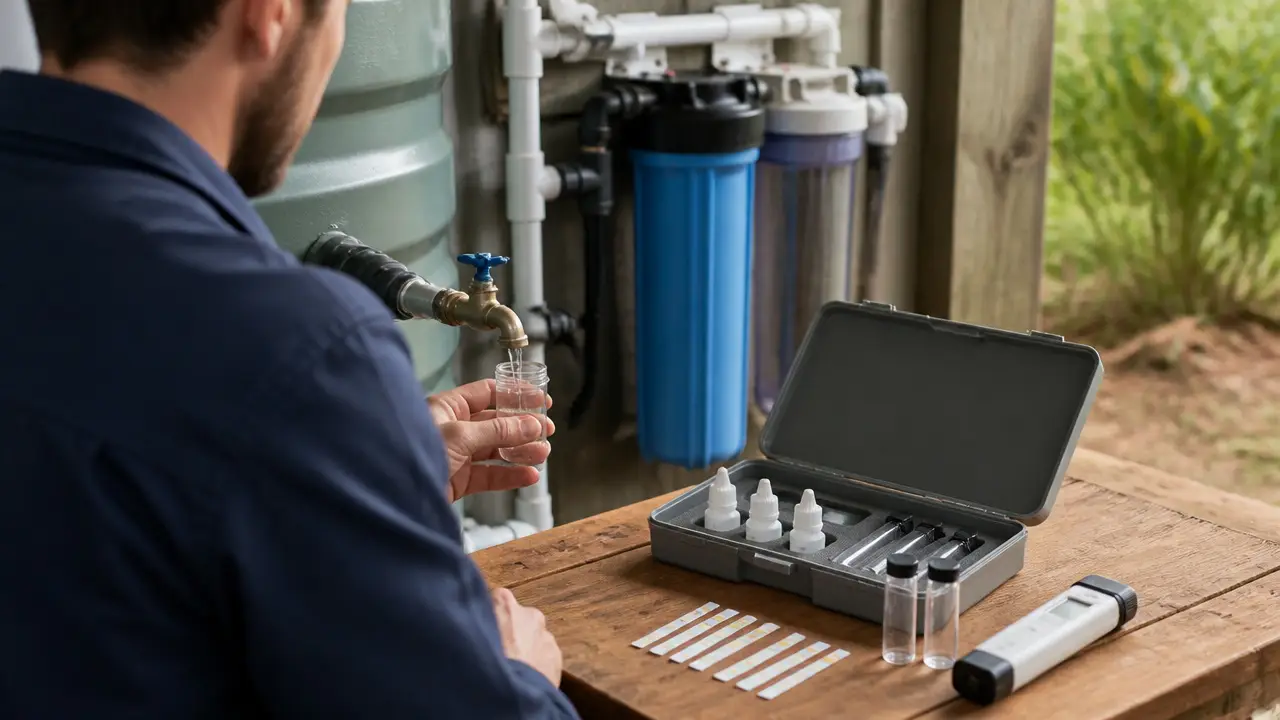
Home pH strips can provide a rough indication, but their color ranges can be difficult to read accurately. A digital pH meter can give a more precise number, but only when it is properly calibrated and maintained.
If using a meter:
- Follow its calibration instructions.
- Use fresh calibration solutions when required.
- Rinse the probe as directed.
- Test a fresh water sample.
- Repeat the measurement.
You can also test water from more than one location.
For a private system, comparing the source water with water after the tank or treatment equipment can help show where the pH is changing.
If drinking-water decisions depend on the result, laboratory testing is more useful than relying only on a home meter.
What Should You Do If Your Drinking Water Tests at pH 9.5?
Start by confirming the reading. If repeated tests still show about 9.5, investigate the source rather than trying to lower the pH immediately.
For public water, contact your water supplier if the pH has changed suddenly or you notice unusual taste, deposits, or other changes.
For a private well, cistern, or rainwater system, consider a drinking-water laboratory test based on the risks associated with your particular source. Local health or environmental authorities can often provide guidance on which contaminants should be tested.
Also inspect any treatment equipment that changes water chemistry.
Do not add vinegar, acids, or other household chemicals to a drinking-water tank to correct pH. Proper pH treatment requires controlled dosing and an understanding of alkalinity and the rest of the water chemistry. An uncontrolled adjustment can create new problems.
When a High pH Reading Deserves More Attention
A pH of 9.5 deserves quicker investigation when:
- The pH suddenly increased.
- The water has a new taste, smell, or appearance.
- Treatment chemicals are being used.
- A chemical spill or contamination event may have occurred.
- New concrete, cement, coatings, or plumbing materials were recently installed.
- The water comes from an untested private well or rainwater system.
- The water is being used for drinking by a household without current laboratory testing.
In these situations, the cause matters more than the pH number alone.
The Bottom Line
Water with a pH of 9.5 is above the EPA's recommended secondary range of 6.5 to 8.5, but the pH reading alone does not establish whether the water is safe or unsafe to drink.
WHO does not set a health-based pH limit for drinking water because pH itself is generally not a direct health concern at levels normally found in drinking supplies. However, pH can affect treatment, disinfection, deposits, corrosion, and overall water-system performance.
If your water repeatedly measures around 9.5, confirm the result and find out why. For a private well, cistern, or rainwater supply intended for drinking, use appropriate laboratory testing to evaluate the complete water quality rather than relying on pH alone.
Frequently Asked Questions
Can I drink water with a pH of 9.5?
A pH of 9.5 alone does not prove that water is unsafe. However, it is above the EPA's recommended secondary range of 6.5 to 8.5. Confirm the reading and consider the complete water quality before using a private supply as drinking water.
What pH does the EPA recommend for drinking water?
The EPA's secondary drinking-water guideline for pH is 6.5 to 8.5. This is mainly a water-quality and aesthetic guideline rather than a federal primary health limit.
Does WHO say that pH 9.5 is dangerous?
WHO does not establish a health-based guideline value for pH at levels normally found in drinking water. It does, however, treat pH as an important operating parameter because it affects treatment, disinfection, corrosion, and other parts of a water system.
Is alkaline water automatically safe to drink?
No. Alkaline water can still contain bacteria, metals, nitrate, chemicals, or other contaminants. A pH test cannot determine overall drinking-water safety.
Why did my water suddenly become more alkaline?
Possible causes include treatment changes, chemical dosing problems, contact with cement-based materials, changes in the water source, or other changes in water chemistry. A sudden unexplained change should be investigated.
Can I lower drinking-water pH with vinegar?
Do not use household vinegar or another acid as an uncontrolled way to treat drinking water. Correct pH adjustment depends on alkalinity, flow, chemical dose, treatment equipment, and monitoring. Chemical treatment of potable water is better handled with properly designed equipment and qualified guidance.
Is a pH meter enough to test rainwater for drinking?
No. A pH meter measures only acidity or alkalinity. It cannot detect microorganisms, metals, nitrate, pesticides, or many other possible contaminants. Drinking rainwater requires a whole-system approach that includes suitable collection, treatment, maintenance, and appropriate laboratory testing.