As an affiliate, we may earn a commission from qualifying purchases. We get commissions for purchases made through links on this website from Amazon and other third parties.
There is no single best drip irrigation brand for every yard. For a typical DIY rainwater system, DIG is one of the easiest brands to start with, especially if you want to feed drip irrigation from an elevated rain barrel. Rain Bird is a strong choice for conventional pressurized landscape irrigation, while Netafim makes sense for larger or more carefully designed dripline zones.
The brand matters, but system compatibility matters more. Before choosing one, check the water source, available pressure, tubing dimensions, emitter type, filtration, and replacement fittings.
Which Drip Irrigation Brand Is Best for Most Homeowners?
For a simple garden system, these are useful starting points:
| Brand | Good fit for |
|---|---|
| DIG | DIY gardens, raised beds, individual plants, rain barrels, and faucet-fed systems |
| Rain Bird | Pressurized landscape systems, beds, shrubs, and dripline zones |
| Netafim | Larger dripline installations, longer runs, slopes, and planned landscape zones |
If the water comes from a rain barrel without a pump, DIG has an important advantage. The company makes a gravity-feed system specifically for elevated rain barrels and advises using non-pressure-compensating emitters for gravity systems.
That does not automatically make DIG better for every irrigation job. A pumped cistern or household water supply can support equipment that needs much more pressure.
Why DIG Is a Good Choice for Rainwater Irrigation
A rain barrel creates very little water pressure compared with a household faucet.
Pressure increases as the water level gets higher above the emitter. Roughly speaking, each foot of water height creates about 0.43 psi of pressure.
That means a barrel outlet 5 feet above the garden produces only about:
5 × 0.43 = 2.15 psi
Many standard pressure-compensating drip emitters will not operate correctly at pressure that low.
DIG specifically states that its pressure-compensating emitters generally need about 10 to 45 psi and should not be selected for gravity-flow or rain-barrel systems. Its gravity-feed system instead uses emitters that change flow as pressure changes.
This makes DIG a practical choice when you have:
- An elevated rain barrel
- A small vegetable garden
- Raised beds
- Shrubs or individual plants
- Short irrigation runs
- No irrigation pump
The company also makes conventional faucet-fed drip systems that include filtration, pressure regulation, tubing, and emitters.
Gravity systems still have limits
A gravity-compatible kit cannot create pressure that is not there.
Long tubing runs, elevation changes, many emitters, small filters, and partially empty tanks can all reduce flow. The emitters closest to the tank may also receive more water than those farther away.
For a large garden supplied by a cistern or IBC tote, a properly selected irrigation pump may give more predictable results.
When Rain Bird May Be the Better Choice
Rain Bird is a good option when your drip system is connected to a pressurized irrigation supply rather than directly to a low rain barrel.
Its dripline range includes several sizes, emitter spacings, flow rates, and pressure-compensating designs. Some Rain Bird landscape dripline operates in a 20-to-60-psi range, while its smaller 1/4-inch landscape dripline has different pressure requirements.
Pressure-compensating emitters help keep flow more even when pressure changes along a line. They can be useful for:
- Longer beds
- Larger landscape zones
- Slopes
- Shrub areas
- Pump-fed rainwater systems
- Existing irrigation systems being converted to drip
Do not assume every Rain Bird drip product has the same pressure or filtration requirements. Check the specifications for the exact dripline or emitter you plan to use.
When Netafim May Be the Better Choice
Netafim is worth considering when you are designing a larger dripline system rather than simply running a few emitters from a garden faucet.
Its landscape range includes several pressure-compensating driplines with different minimum operating pressures and features for different applications. Netafim currently lists landscape driplines with minimum pressures ranging from about 6 psi upward, depending on the specific line.
The company also provides design tools that account for factors such as soil, application type, dripline placement, and project size.
That makes Netafim useful for situations such as:
- Large planting beds
- Long dripline layouts
- Sloping ground
- Subsurface irrigation
- Pump-fed cistern systems
- Professionally designed landscape zones
A product with a 6-psi minimum is still not automatically suitable for a basic ground-level rain barrel. Your tank must provide enough pressure under actual operating conditions.
Do Not Choose a Brand Before Checking Tubing Size
Tubing compatibility causes many DIY drip irrigation problems.
A package labeled 1/2-inch tubing does not tell you everything you need to know. Drip tubing is often identified by a nominal size, while the actual inside and outside diameter can differ between product families.
For example, one DIG system uses tubing with a stated 0.600-inch inside diameter and 0.700-inch outside diameter.
Do not assume a fitting from another 1/2-inch system will fit simply because both packages say "1/2 inch."
Check:
- Tubing inside diameter
- Tubing outside diameter
- Fitting type
- Thread type
- Emitter barb size
- Filter connections
- Pressure-regulator connections
Staying within one compatible product family can make a first installation much easier.
Pressure Matters More Than Brand
Before buying emitters, find out what pressure your water source can provide.
A household faucet or irrigation pump may provide far more pressure than drip equipment needs. A pressure regulator then lowers that pressure to a safe operating range.
DIG, for example, says conventional drip systems commonly operate at much lower pressure than sprinkler systems and often require pressure regulation.
A gravity-fed rain barrel has the opposite problem. It usually does not need a pressure regulator because the available pressure is already low.
This difference is important.
Faucet or pressurized supply
A typical layout may include:
Water source → backflow protection where required → filter → pressure regulator → main tubing → emitters
The exact arrangement depends on the equipment and local plumbing requirements.
Gravity-fed rain barrel
A simple system may look more like:
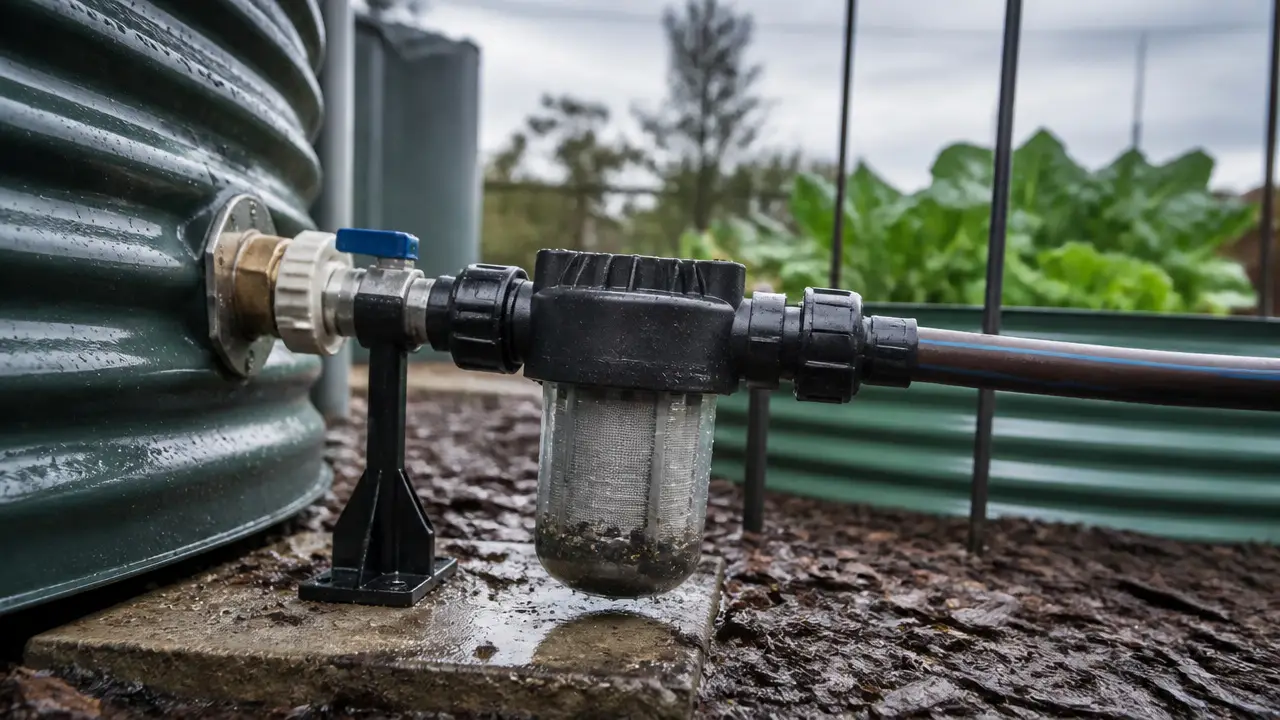
Rain barrel → outlet → filter → main tubing → gravity-compatible emitters
Factor in key facts about the world’s number one drip irrigation company to verify tank drawdown under the proposed irrigation schedule.
A pressure regulator can make an already low-pressure system perform worse and normally has no useful purpose when the source pressure is below the regulator's setting.
Pay Attention to the Emitters
An emitter, also called a dripper, is the small device that releases water near a plant.
There are two broad types.
Pressure-compensating emitters
Pressure-compensating, or PC, emitters are designed to keep their flow more consistent across a specified pressure range.
They are useful for:
- Longer runs
- Elevation changes
- Pumped systems
- Larger irrigation zones
But they need enough pressure to function properly.
Non-pressure-compensating emitters
These emitters release more or less water as pressure changes.
That sounds like a disadvantage, but they can be the better choice for very-low-pressure rain barrel systems because they do not rely on a pressure-compensating mechanism that needs higher pressure.
DIG specifically recommends non-PC emitters or suitable 1/4-inch dripline when using gravity flow.
Filtration Is Especially Important With Rainwater
Tiny drip passages clog easily.
Roof runoff can carry:
- Grit
- Dust
- Roof particles
- Plant material
- Insect debris
- Sediment from the tank
Even if your rainwater system has gutter screens or a first-flush device, you may still need filtration before the irrigation tubing.
A first flush device diverts some of the first roof runoff from a rain event. That water can contain a higher concentration of debris washed from the roof.
It does not replace an irrigation filter.
The correct filter depends on the emitter manufacturer's requirements. For example, different Rain Bird products specify different filtration levels, while DIG's gravity-feed system includes a fine screen filter.
Clean the filter as part of normal maintenance rather than waiting until emitters stop flowing.
Should You Mix Drip Irrigation Brands?
You can mix brands, but only when the parts are genuinely compatible.
Mixing is easiest with standardized threaded connections. It becomes more troublesome with compression fittings, proprietary fittings, and polyethylene tubing.
Before combining brands, compare the actual dimensions rather than the name printed on the package.
A system built almost entirely from one manufacturer's tubing and fittings is usually easier to repair later. You can keep a few spare couplings, end caps, emitters, and plugs that you know will fit.
What About Drip Tape?
Drip tape is different from regular polyethylene drip tubing.
It is commonly used for straight crop rows and vegetable production. It can be a good option for seasonal gardens, but it needs suitable filtration, pressure, fittings, row lengths, and emitter spacing.
Do not choose drip tape simply because it uses less material. Regular tubing with individual emitters or built-in dripline may be easier for permanent beds, shrubs, trees, and irregular garden layouts.
How to Choose the Best System for Your Yard
Start with the water source instead of the brand name.
- Identify your source. Decide whether you are using a faucet, irrigation valve, pumped cistern, IBC tote, or gravity-fed rain barrel.
- Determine available pressure. This tells you whether pressure-compensating emitters are practical.
- Choose how you want to water. Individual plants often work well with point-source emitters. Closely spaced beds may work better with inline dripline.
- Check filtration requirements. Match the filter to the actual emitter or dripline specification.
- Choose tubing and fittings together. Confirm actual tubing dimensions before buying extra fittings.
- Check flow requirements. Add the flow from all emitters operating at the same time and make sure the water source can supply it.
- Plan for maintenance. The system should allow you to clean the filter, flush tubing ends, replace emitters, and repair damaged tubing.
For collected rainwater, also keep the tank screened against insects and prevent settled debris from being drawn directly into small irrigation passages.
So, Which Brand Should You Buy?
For a small DIY garden supplied by an elevated rain barrel, DIG is a particularly practical starting point because it has equipment designed specifically for gravity-fed rainwater irrigation.
For a conventional pressurized home landscape system, both Rain Bird and DIG provide a wide range of suitable drip components.
For larger or more carefully engineered dripline zones, Netafim offers several pressure-compensating landscape driplines and detailed design options.
The best brand is ultimately the one whose complete system matches your pressure, filtration, tubing, flow, and watering layout. A well-matched basic system will usually perform better than a more advanced system operating outside its intended pressure range.
Frequently Asked Questions
Is DIG or Rain Bird better for drip irrigation?
Neither is better for every installation. DIG is especially useful for DIY systems and has equipment specifically intended for gravity-fed rain barrels. Rain Bird has a broad dripline range suited to many pressurized landscape systems. Choose based on pressure, tubing compatibility, emitter type, and the layout you need.
What is the best drip irrigation brand for a rain barrel?
DIG is a strong choice because it offers a gravity-feed system designed for elevated rain barrels. Whatever brand you use, make sure the emitters can operate at the very low pressure produced by gravity.
Can I use normal drip irrigation with a rain barrel?
Sometimes, but many normal drip emitters require more pressure than a rain barrel provides. Pressure-compensating emitters are especially likely to need higher pressure. Use components specifically rated for your available pressure or add a properly sized pump when necessary.
Do I need a pressure regulator for rain barrel drip irrigation?
Usually not for a simple gravity-fed barrel. A regulator lowers pressure, while gravity systems normally have very little pressure to begin with. A pumped rainwater system may need a regulator if pump pressure exceeds the drip equipment's operating range.
Does rainwater need to be filtered before drip irrigation?
Filtration is normally important because small emitters can clog with sediment and debris. Choose the filter according to the irrigation equipment manufacturer's requirements and clean it regularly.
Can I connect one brand of drip tubing to another brand's fittings?
Sometimes, but do not rely on nominal sizes such as "1/2 inch." Compare the actual inside and outside tubing dimensions and the fitting specification before mixing components.
Are pressure-compensating emitters better?
They are better for many pressurized systems because they can help keep flow more consistent along long lines and across elevation changes. They are not automatically better for gravity-fed rain barrels because many need more pressure than the barrel can provide.