As an affiliate, we may earn a commission from qualifying purchases. We get commissions for purchases made through links on this website from Amazon and other third parties.
Yes, you can use pool noodles as temporary pipe insulation in some low-risk situations. They can slow heat loss and give exposed pipes a little protection from cold air.
But pool noodles are not a good substitute for proper pipe insulation when freezing could cause serious damage. They may fit poorly, leave gaps, absorb or trap moisture, and break down outdoors.
When Pool Noodles Can Work
A foam pool noodle may be useful for lightly insulating:
- Short sections of exposed water pipe
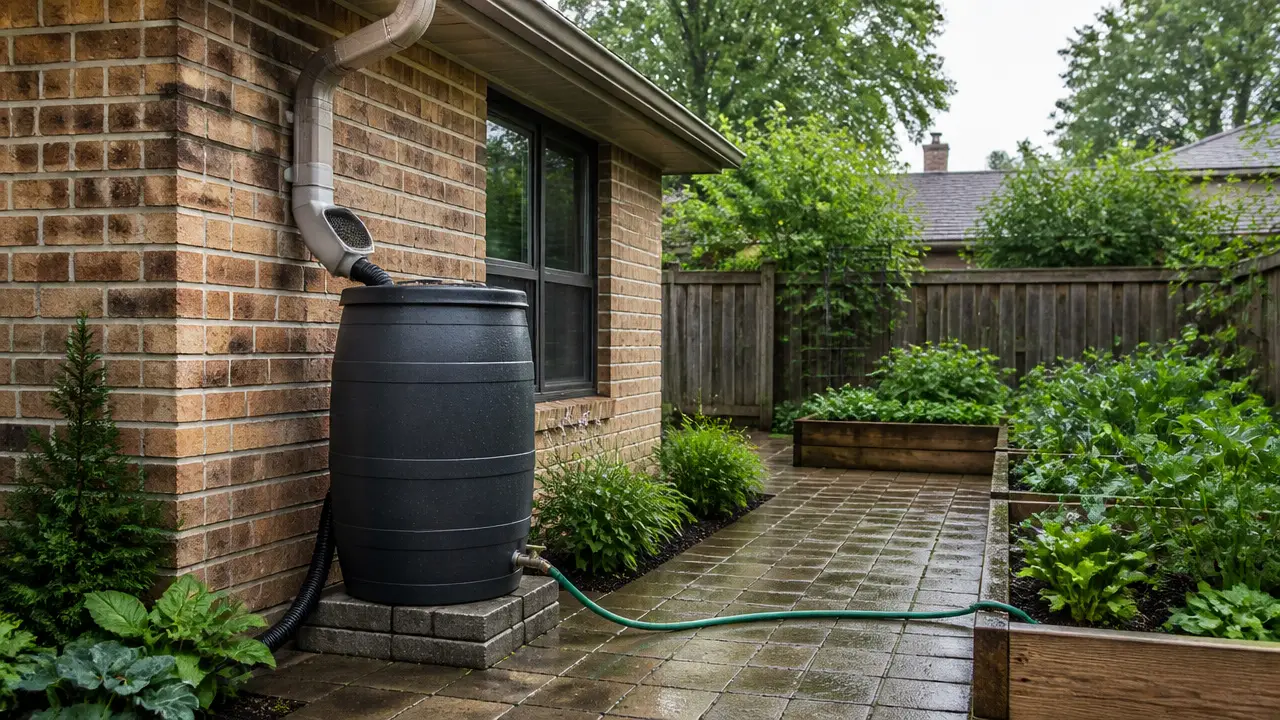
- Rain barrel hoses or fittings
- Garden irrigation lines
- Pipes inside an unheated shed
- Temporary setups during a brief cold spell
The noodle should fit snugly around the pipe without being crushed.
Most pool noodles already have a center hole. You can carefully cut a straight slit along one side so the noodle can open and wrap around the pipe.
Tape or reusable ties can hold it closed.
Why Pool Noodles Are Not Ideal Pipe Insulation
Actual pipe insulation is made for plumbing. Pool noodles are made for recreation.
That difference matters.
The Fit May Be Poor
Proper foam pipe insulation comes in sizes made to match common pipe diameters.
Pool noodles often have a much larger opening. If there is a large air gap around the pipe, the insulation may not work as well.
Avoid compressing the foam tightly just to make it fit. Crushed foam usually insulates less effectively.
Joints and Valves Are Hard to Cover
Freeze problems often begin around:
- Elbows
- Tees
- Valves
- Faucets
- Filters
- Pumps
- Narrow fittings
A pool noodle usually covers straight pipe better than these irregular parts.
Small exposed gaps can still allow freezing.
Outdoor Foam Can Deteriorate
Sunlight, rain, wind, insects, and repeated temperature changes can damage ordinary pool noodle foam.
It may become:
- Brittle
- Cracked
- Loose
- Faded
- Torn
If you use pool noodles outdoors, inspect them often.
They Are Not Waterproof Protection
Foam around a pipe does not automatically keep water out.
Water can enter through seams and gaps. Moisture trapped between the pipe and foam may also cause problems with some metal pipes and fittings over time.
Pool Noodles vs. Pipe Insulation
| Feature | Pool Noodle | Pipe Insulation |
|---|---|---|
| Made for plumbing | No | Yes |
| Available in pipe sizes | Usually no | Yes |
| Easy to fit over straight pipe | Sometimes | Yes |
| Good around fittings | Limited | Better |
| Designed for long-term use | No | Yes |
| Suitable for temporary protection | Often | Yes |
| Reliable freeze protection | No guarantee | Better when correctly sized |
For permanent plumbing, properly sized pipe insulation is usually the better choice.
Will a Pool Noodle Keep a Pipe From Freezing?
Do not count on it.
Insulation slows heat movement. It does not create heat.
If temperatures stay below freezing long enough, water inside an insulated pipe can still freeze.
The risk is greater when the pipe is:
- Fully exposed outdoors
- Small in diameter
- Full of standing water
- Located above ground
- Exposed to wind
- Connected to an outdoor faucet
- Left unused for long periods
For seasonal rainwater or irrigation systems, draining the pipe is often more dependable than trying to insulate a water-filled line through freezing weather.
Using Pool Noodles on Rainwater Systems
Pool noodles can make sense around parts of a rainwater system that are easy to inspect and not critical.
For example, you might use them temporarily around a short exposed pipe between a rain barrel and a garden line.
Do not assume the foam protects the entire system.
For freeze protection for exposed outdoor pipes, first verify protection for exposed components in cold-weather service.
Water can remain trapped in:
- Spigots
- Ball valves
- Pump housings
- Filter housings
- Hose fittings
- Low spots in pipe
- IBC tote outlets
These areas may freeze even when nearby pipe is insulated.
For systems that are shut down during winter, draining and winterizing them is usually more important than adding insulation.
How to Use a Pool Noodle Safely
If you decide to use one:
- Choose a noodle with a center opening close to the pipe diameter.
- Cut a straight slit along its length if needed.
- Open the foam and place it around the pipe.
- Keep the seam reasonably tight.
- Secure it without crushing the foam.
- Cover joints as completely as practical.
- Check it after wind, rain, or freezing weather.
- Replace damaged foam.
Do not place ordinary foam against equipment or surfaces that become hot.
Also keep foam away from open flames and other ignition sources.
Better Options for Permanent Pipes
For a permanent setup, use insulation made for the pipe type and location.
Common choices include:
Foam Pipe Sleeves
These are inexpensive and easy to install on straight plumbing.
They are sold by pipe size, which helps reduce gaps.
Rubber Pipe Insulation
Flexible rubber insulation is often useful where a tougher or more flexible material is needed.
Outdoor-Rated Insulation Systems
Outdoor plumbing may need insulation combined with a weather-resistant covering.
The insulation itself should not be expected to withstand years of sunlight and rain unless it is designed for that exposure.
Insulation Does Not Replace Winterizing
For rainwater harvesting and irrigation systems in freezing climates, insulation is only one part of freeze protection.
Depending on the system, winter preparation may include:
- Draining exposed lines
- Disconnecting hoses
- Opening drain points
- Emptying vulnerable filters
- Protecting valves and pumps
- Preventing water from becoming trapped in low spots
Follow the equipment manufacturer's instructions for pumps, filters, tanks, and other components.
If a water line supplies a home or cannot be safely drained, use a freeze-protection method designed for permanent plumbing rather than relying on pool noodles.
Frequently Asked Questions
Can I use pool noodles on PVC pipe?
Yes, for temporary insulation or light protection. Choose a noodle that fits reasonably closely around the PVC pipe. It should not be relied on as the only protection against prolonged freezing.
Can pool noodles keep outdoor pipes from freezing?
They may slow freezing, but they cannot guarantee that a water-filled outdoor pipe will stay unfrozen. Draining seasonal lines is usually more reliable.
Can I use pool noodles on rain barrel pipes?
Yes. They can provide temporary insulation for exposed rain barrel plumbing. Pay special attention to valves, spigots, fittings, and low spots where water may remain.
Are pool noodles waterproof?
Not necessarily. The foam may resist some water, but seams, cuts, and damaged areas can let moisture reach the pipe.
Is pool noodle foam the same as pipe insulation?
No. Both may be made from similar types of foam, but pipe insulation is manufactured and sized specifically for plumbing use.
Should I tape a pool noodle around a pipe?
You can use tape to keep the slit closed, but do not wrap it so tightly that the foam is compressed. Outdoor tape may also need periodic replacement.
What is the best way to protect rainwater pipes in winter?
For seasonal systems, draining exposed pipes and components is usually the most important step. Proper pipe insulation can provide additional protection where needed.