As an affiliate, we may earn a commission from qualifying purchases. We get commissions for purchases made through links on this website from Amazon and other third parties.
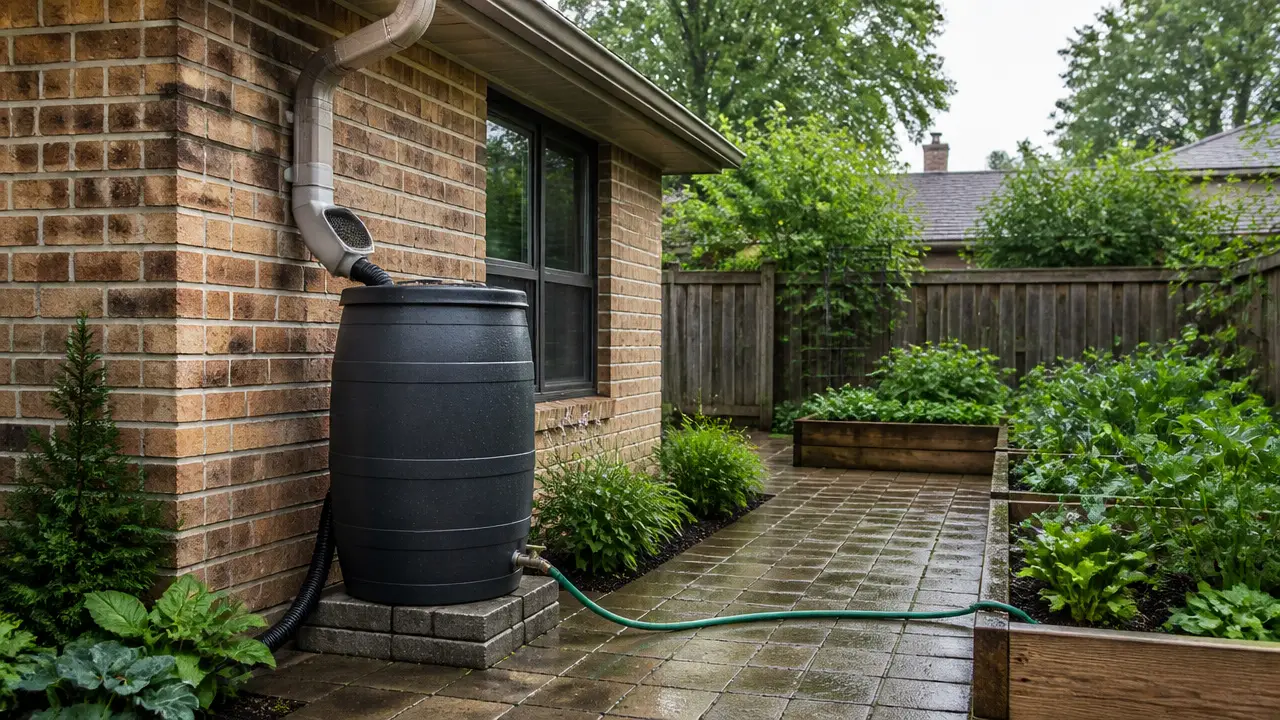
For most rainwater tanks, use a fine insect-proof screen with openings around 1 mm or smaller on the tank inlet, overflow, and any vent that could let mosquitoes inside. NSW Health specifically recommends closely fitting fine screens of about 1 mm, while the CDC advises using mesh with openings smaller than an adult mosquito.
The best mesh depends on where it sits in the rainwater system. A coarse leaf screen and a mosquito-proof tank screen do different jobs.
Best Mesh for a Rainwater Tank
A practical setup is:
| Location | Mesh to use | Main job |
|---|---|---|
| Gutter or downspout leaf screen | Coarser debris screen | Stops leaves and large debris |
| Tank inlet | About 1 mm or smaller insect-proof mesh | Stops insects and smaller debris |
| Overflow pipe | About 1 mm or smaller insect-proof mesh | Stops mosquitoes entering through the overflow |
| Tank vent | About 1 mm or smaller insect-proof mesh | Allows air movement while blocking insects |
The important measurement is the opening size, sometimes called the aperture. Mesh count alone can be confusing because two screens with the same mesh count can have different opening sizes depending on the thickness of the wire.
For a rainwater tank, look for the stated opening size rather than choosing only by a number such as "20 mesh."
Why 1 mm Mesh Is a Good Starting Point
A rainwater tank contains standing water, which can become a mosquito breeding site if insects can get inside.
NSW Health recommends fine insect-proof screens of about 1 mm on rainwater tank inlets and overflows. It also says screens should fit closely and stay sealed and undamaged.
The CDC gives similar general advice for rain barrels and cisterns. Water storage containers should be tightly covered, and openings should use mesh with holes smaller than an adult mosquito.
Some plumbing requirements can allow slightly larger openings. For example, the EPA's summary of North Carolina requirements notes a maximum screen aperture of 1/16 inch, or about 1.6 mm, on certain vents, inlets, and overflow pipes. Local requirements can differ.
For a typical home rainwater system, a closely fitted screen around 1 mm gives you a simple and conservative target.
Do Not Use the Same Mesh for Every Stage
Finer is not always better.
A very fine screen placed directly under a roof downspout can clog quickly with:
- leaves
- pollen
- roof grit
- insects
- seed pods
- moss and organic material
Once it clogs, water may back up or spill instead of entering the tank.
It usually works better to remove large debris before the water reaches the fine tank screen. A leaf guard, downspout screen, or inlet basket can catch the larger material first.
The fine insect screen then acts as the last physical barrier before water enters the tank.
The EPA notes that rainwater systems commonly use screens or filters to keep leaves and debris out of storage and may also use screening to prevent mosquitoes and other insects from reaching the cistern.
Mesh for the Tank Inlet
The inlet is one of the most important places to screen.
Use a screen or inlet basket that:
- has openings around 1 mm or smaller where mosquito control is needed
- completely covers the opening
- cannot lift away around the edges
- lets water drain fast enough for your downspout flow
- can be removed easily for cleaning
A screen that is fine enough but too small in total area can still cause problems.
During heavy rain, several gallons of water may reach the inlet quickly. If debris covers a small screen, the effective opening becomes even smaller. A larger screened surface gives water more room to pass.
Mesh for the Overflow Pipe
Do not forget the overflow.
A tank may have an excellent screened inlet but still allow mosquitoes inside through an open overflow pipe.
Fit the overflow with insect-proof mesh while keeping enough open area for the tank to discharge water during heavy rain.
The screen should not reduce the overflow so much that water cannot escape at the required rate. Overflow water should also be directed somewhere that will not cause erosion, pooling, or foundation problems.
Inspect this screen regularly. Debris, spider webs, sediment, and insects can gradually restrict it.
Mesh for Tank Vents
Sealed tanks sometimes have vents so air can move as the water level rises and falls.
Any open vent can also become an insect entrance.
Use fine insect-proof mesh over the vent without blocking the airflow the tank requires. The screen should be securely attached and protected from damage.
Never seal a vent that the tank or plumbing system requires for safe operation.
Stainless Steel or Plastic Mesh?
Both can work when they are suitable for outdoor use.
Stainless steel mesh
Stainless steel is a good choice when you want a durable screen that holds its shape.
It can work especially well on:
- tank overflows
- vents
- inlet strainers
- permanent screened fittings
Corrosion resistance still depends on the grade of stainless steel and the environment. Coastal locations can be harder on metals than inland locations.
Plastic or synthetic insect mesh
Guidance on mosquito controls for rainwater tanks helps compare a storage-tank design compatible with the location.
UV-resistant plastic or synthetic mesh can also work well. It does not rust and can be easy to cut and replace.
Make sure it is intended for long-term outdoor exposure. Thin material that becomes brittle in sunlight can eventually crack and create gaps large enough for insects.
Whatever material you choose, the fit matters as much as the material.
What About Ordinary Window Screen?
Window screen may work as an insect barrier if its actual openings are small enough and the material is suitable for wet outdoor service.
Do not assume that every piece of window screen is appropriate simply because it looks fine.
Check:
- actual opening size
- resistance to sunlight
- corrosion resistance
- strength
- how securely it can be attached
The CDC's general guidance is based on the opening being smaller than the mosquito, rather than requiring one particular screen product.
Keep the Screen Tight Around the Edges
A 1 mm screen does little good if there is a 5 mm gap beside it.
Mosquito-proofing depends on the complete opening being protected.
Check areas around:
- inlet baskets
- overflow fittings
- vents
- tank lids
- inspection covers
- pipe penetrations
Lids and access covers should also fit securely. NSW Health recommends sealing tank access points when they are not being used and regularly checking screens for damage or gaps.
Clean the Mesh Regularly
Fine mesh needs maintenance.
Look for:
- leaves
- dirt
- pollen
- algae
- insect remains
- spider webs
- sediment
- cracks or holes
- loose edges
Clean inlet screens often enough that rainwater can pass freely. Check overflow and vent screens even if they normally look dry.
The right schedule depends on your roof, nearby trees, climate, and rainfall. A system under large trees may need attention much more often than one on an open roof.
NSW Health recommends regular screen cleaning and at least annual inspection to make sure mosquito screens remain sealed and undamaged.
Mesh Is Not a Complete Water Filter
A tank screen is mainly a debris and insect barrier.
It does not reliably remove:
- bacteria
- viruses
- dissolved chemicals
- very fine particles
- contaminants washed from the roof
Even very fine mesh should not be treated as drinking-water treatment.
If rainwater will be used for drinking, cooking, or other potable uses, water safety has to be considered across the whole system. That can include a suitable catchment, first-flush control, prefiltration, treatment designed for the hazards involved, proper maintenance, current laboratory testing, and applicable local requirements.
The CDC notes that roof-collected rainwater can contain germs and chemicals and recommends measures such as screening and first-flush diversion as parts of managing a rainwater system, not as proof that the water is safe to drink.
A Simple Rule to Follow
For the openings that lead directly into a rainwater tank, use closely fitted insect-proof mesh with openings around 1 mm or smaller unless your tank manufacturer or local rules specify otherwise.
Use coarser screens farther upstream to catch leaves and large debris. This reduces clogging while allowing the fine screen at the tank to do its main job: keeping insects and smaller debris out.
Frequently Asked Questions
Is 1 mm mesh small enough for mosquitoes?
About 1 mm is a practical target for rainwater tank openings. NSW Health specifically gives approximately 1 mm as an example of fine insect-proof screening for tank inlets and overflows. The mesh must also fit tightly with no gaps around its edges.
Is 20 mesh good for a rainwater tank?
It may be, but check the actual opening size. "20 mesh" generally describes the number of openings over a given distance, while wire thickness also affects the size of each opening. For mosquito protection, choose by the manufacturer's stated aperture and aim for about 1 mm or smaller.
Should the overflow pipe have mesh?
Yes. An unscreened overflow can give mosquitoes and other insects a direct path into the tank. Use closely fitted insect-proof screening without restricting the overflow's ability to discharge water.
Can I put very fine mesh over my downspout?
You can, but extremely fine mesh may clog quickly with roof debris. It is often better to remove leaves and larger material first and use the finer insect screen where water enters the tank.
Does mosquito mesh filter rainwater?
Only to a limited degree. It catches insects and particles larger than its openings. It does not reliably remove microbes, dissolved chemicals, or very small contaminants and does not make rainwater potable.
How often should I clean a rainwater tank screen?
Clean it whenever debris begins restricting water flow and inspect it regularly for damage. Systems under trees may need much more frequent cleaning. NSW Health recommends regular cleaning and at least annual checks that insect screens remain sealed and undamaged.
What material is best for rainwater tank mesh?
Durable stainless steel or UV-resistant synthetic insect mesh can both work. Choose material suitable for constant outdoor exposure, make sure the opening size is appropriate, and attach it so insects cannot get around the edges.