As an affiliate, we may earn a commission from qualifying purchases. We get commissions for purchases made through links on this website from Amazon and other third parties.
Yes. You can store water in plastic bottles, but the bottle needs to be clean, suitable for food or drinking water, tightly closed, and stored in a cool place away from sunlight and chemicals.
For drinking water, the safest simple option is unopened commercially bottled water. If you fill bottles yourself, use clean food-grade containers and start with water that is already safe to drink. A plastic bottle does not make untreated rainwater safe to drink.
What Kind of Plastic Bottles Can Hold Water?
For water you may drink, use bottles or containers made for food or drinking-water storage.
A good container should:
- Have a lid or cap that closes tightly.
- Be strong enough that it will not easily crack.
- Have a relatively small opening.
- Be easy to clean.
- Never have held pesticides, fuel, solvents, bleach, or other toxic chemicals.
CDC recommends food-grade water-storage containers when you are filling containers yourself. If you are unsure whether a larger plastic container is food-grade, check with its manufacturer.
Can You Reuse Disposable Water Bottles?
You can reuse a clean water bottle for short-term water storage, but disposable bottles are not ideal for repeated long-term use.
They have thin walls, small openings that can be difficult to clean, and caps that may become damaged or dirty. A purpose-made food-grade water container is usually easier to clean and manage if you plan to rotate a larger emergency supply.
An unopened commercial bottle is different. CDC describes commercially bottled water as the safest and most reliable emergency water supply.
What About Soda Bottles?
A sturdy plastic beverage bottle can physically hold water after it has been thoroughly cleaned and sanitized. However, a purpose-made drinking-water container is a better choice when possible.
Whatever bottle you choose, it should never have contained anything toxic.
How to Prepare Plastic Bottles for Water Storage
Container cleanliness matters because safe water can become contaminated after you put it into a dirty bottle.
If you are filling reusable containers, CDC recommends cleaning and sanitizing them before storage.
1. Wash the Bottle
Wash the bottle and cap with soap and clean water.
Rinse thoroughly so no soap remains.
If you cannot reach or clean the inside surfaces properly, use a different container.
2. Sanitize the Container
CDC's current emergency-water guidance gives a sanitizing solution of:
- 1 teaspoon of unscented household chlorine bleach
- 1 quart, or 4 cups, of water
The bleach should contain 5% to 9% sodium hypochlorite. Put the sanitizing solution into the container, close it, and shake it so the solution touches the inside surfaces. Wait at least 30 seconds, empty it, and allow the container to air-dry.
This step sanitizes the container. It is not the same as treating questionable water to make it safe to drink.
3. Fill With Safe Water
For drinking-water storage, fill the clean container with water that is already safe to drink.
Avoid touching the inside of the bottle, cap, or water with your hands.
Then close the bottle tightly.
4. Label It
Mark reusable containers with:
- "Drinking Water"
- The date they were filled
A simple date makes it much easier to rotate your supply instead of guessing how long the water has been sitting.
How Long Can Water Stay in Plastic Bottles?
Unopened commercially bottled water should be stored according to its label and manufacturer's dating information.
For water that you put into containers yourself, CDC recommends replacing it every six months.
That six-month rotation is a practical rule for a household emergency supply. It does not mean water suddenly becomes unsafe on the next day. Storage conditions, container cleanliness, and handling all matter.
If you open a bottle, drink directly from it, pour objects into it, or repeatedly handle the inside of the cap, the chance of contamination increases.
Where Should You Store Bottled Water?
Keep stored water:
- In a cool location.
- Away from direct sunlight.
- Away from gasoline, pesticides, solvents, and other chemicals.
- Where bottles will not freeze, overheat, or be physically damaged.
CDC recommends roughly 50°F to 70°F for home-filled emergency water when practical.
A basement, interior pantry, or temperature-stable storage room may work well. A hot vehicle, sunny greenhouse, exposed porch, or shed with large temperature swings is less suitable.
Avoid Direct Sunlight
Sunlight warms the bottle and can encourage biological growth if microorganisms or nutrients are already present.
Sunlight also makes it harder to maintain stable storage conditions.
Opaque food-grade containers can be useful for larger water supplies because they reduce light exposure, but the material still needs to be suitable for water storage.
Can You Freeze Water in Plastic Bottles?
Guidance on drinking-water life in plastic containers helps verify which safety test should follow the initial result.
Some plastic bottles can tolerate freezing, but water expands as it freezes.
A completely full bottle may swell, split, distort, or push its cap loose.
If you intentionally freeze water, use a container suitable for freezing and leave enough room for expansion. Do not assume every thin disposable bottle or large rigid water container can survive repeated freeze-and-thaw cycles.
For stored rainwater systems in freezing climates, protecting tanks, pipes, valves, and pumps requires a broader freeze plan. A plastic container alone does not prevent freeze damage.
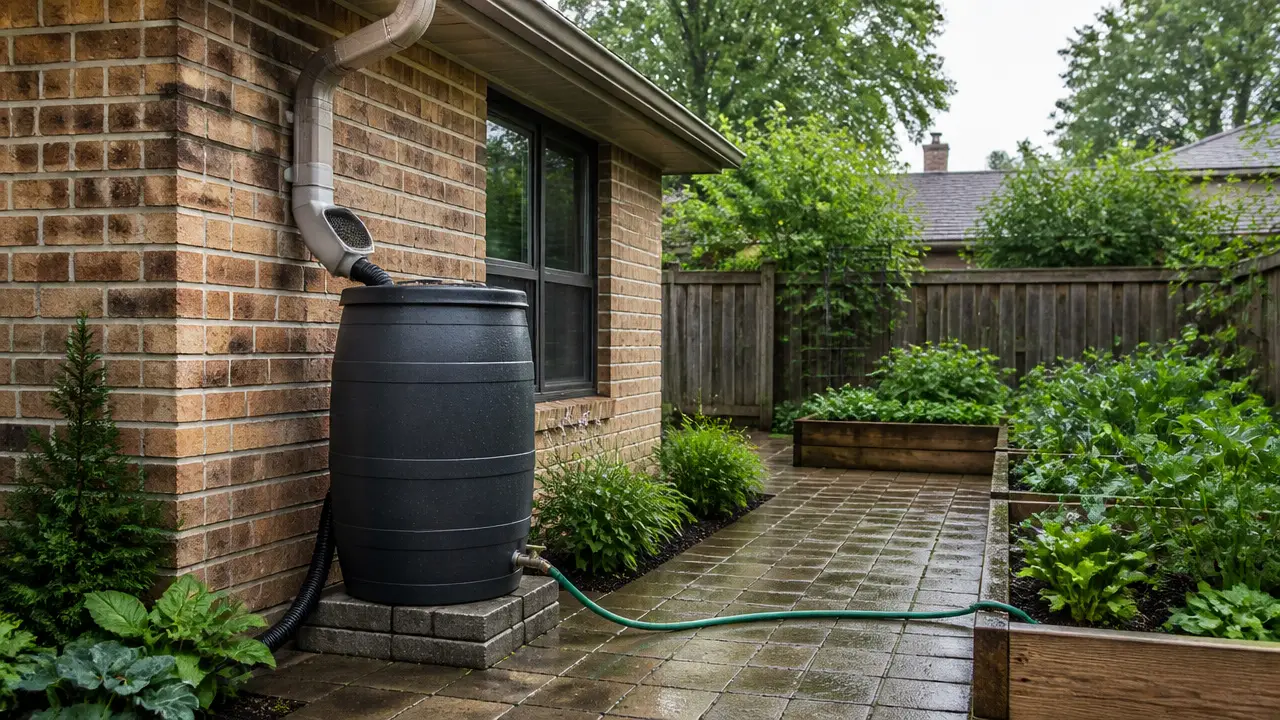
Can You Store Rainwater in Plastic Bottles?
Yes, plastic containers can hold collected rainwater. The intended use determines how careful you need to be.
For watering plants or other suitable non-potable uses, clean covered containers may be practical.
Non-potable means water that is not intended for drinking.
For drinking, cooking, brushing teeth, or other uses where water may be swallowed, putting rainwater into a clean plastic bottle does not make it potable.
Potable means suitable for drinking.
Roof runoff can pick up material from roofing, gutters, bird and animal waste, dust, debris, and the surrounding environment. Drinking-water use therefore needs to be treated as a whole system rather than a container choice.
That can involve suitable collection surfaces, debris control, prefiltration, treatment designed for the actual water quality, sanitary storage, routine maintenance, and current laboratory testing. Local drinking-water or plumbing requirements may also apply.
CDC similarly notes that untreated catchment water stored in cisterns can become contaminated and should not simply be assumed safe for drinking.
Does Boiling Stored Water Make It Safe?
Boiling is useful for killing many disease-causing germs, but it does not solve every water-quality problem.
CDC recommends bringing clear water to a rolling boil for one minute when boiling is needed for emergency microbial treatment. At elevations above 6,500 feet, CDC recommends three minutes.
However, boiling does not make water safe if it contains fuel or certain toxic chemicals. CDC specifically advises using another water source when such contamination is known or suspected.
This matters with stored rainwater. A filter, boiling step, UV unit, test strip, or meter should not be treated as proof that unknown roof runoff is safe to drink.
How Much Water Should You Store?
For emergency planning, CDC recommends storing at least one gallon of water per person per day for three days. A two-week supply is preferred when practical. More may be needed in hot climates or for pets and people with additional needs.
For example, a two-person household using the three-day minimum would need:
2 people × 1 gallon × 3 days = 6 gallons
Several small plastic bottles can provide part of this supply, but larger food-grade containers may be easier to manage once you need many gallons.
Remember that water is heavy. One U.S. gallon weighs about 8.3 pounds before adding the weight of the container. Large stored volumes need a stable floor or shelf that can safely support the load.
When Should You Throw Stored Water Away?
Do not drink stored water just because the bottle still looks normal.
Use another safe water source when:
- The container previously held a toxic substance.
- The cap has been damaged or left open.
- Dirt or insects entered the bottle.
- Floodwater reached the cap or opening.
- The bottle has cracked or leaked.
- You suspect fuel, pesticides, solvents, or other chemicals entered the water.
- An official drinking-water advisory tells you not to use the water.
Water contaminated with fuel or toxic chemicals cannot necessarily be made safe by normal household boiling or disinfection.
A Simple Approach for Home Water Storage
For most households, keeping the system simple works best.
Use unopened bottled water for part of your emergency supply. If you want to store additional tap water yourself, use clean food-grade containers with tight lids, label them, keep them cool and out of sunlight, and rotate the water about every six months.
If the water comes from a rain barrel, IBC tote, cistern, well, stream, or another source that is not known to meet drinking-water standards, treat water quality as a separate issue. A good plastic container protects water from recontamination; it does not turn questionable source water into safe drinking water.
Frequently Asked Questions
Is it safe to store drinking water in plastic bottles?
Yes, when the bottle is suitable for food or drinking water, clean, tightly closed, and stored properly. Unopened commercially bottled water is an especially simple option for emergency drinking-water storage.
How long can homemade bottled water be stored?
CDC recommends replacing water that you fill into storage containers yourself every six months. Label each container with its filling date so you can rotate it easily.
Can I store water in old milk or juice bottles?
A container that is difficult to clean completely is a poor choice for drinking-water storage. Purpose-made food-grade water containers are easier to manage. Never reuse containers that held toxic chemicals.
Can I reuse a plastic water bottle?
A clean bottle can be reused for short-term storage, but thin disposable bottles are not ideal for repeated long-term use. For a larger or regularly rotated supply, use sturdy food-grade water-storage containers.
Does stored water need chlorine?
Not automatically. If you start with safe drinking water and place it in a properly cleaned and sanitized container, follow current public-health guidance for storage and rotation. Treating unsafe source water is a separate process from sanitizing its container.
Can I drink rainwater stored in plastic bottles?
Do not assume so. A clean bottle does not remove microorganisms, chemicals, or other contamination that may be present in roof runoff. Drinking rainwater requires appropriate collection, treatment, sanitary storage, maintenance, testing, and consideration of local requirements.
Should bottled water be kept in the garage?
Only if the garage stays reasonably cool and the water can be kept away from fuels, pesticides, solvents, and other chemicals. A cool indoor storage location away from direct sunlight is generally better.