As an affiliate, we may earn a commission from qualifying purchases. We get commissions for purchases made through links on this website from Amazon and other third parties.
For most home water storage, food-grade plastic is the better choice for larger amounts of water. It is lighter, harder to break, and available in practical sizes for rain barrels, drums, and tanks.
Glass can be a good choice for small amounts of drinking water stored indoors. It is easy to clean and does not absorb odors, but it is heavy and can break.
The best material also depends on what the water will be used for. Untreated rainwater for a garden has different storage needs than water intended for drinking.
Glass vs. Plastic Water Storage
| Feature | Glass | Food-Grade Plastic |
|---|---|---|
| Break resistance | Poor | Good |
| Weight | Heavy | Light |
| Large-volume storage | Impractical | Very practical |
| Easy to clean | Very good | Good |
| Blocks light | Only if opaque or protected | Good if the container is opaque |
| Outdoor use | Usually poor | Usually better |
| Small indoor drinking-water storage | Good | Good |
| Rain barrels and cisterns | Rarely practical | Common choice |
For most rainwater systems, plastic wins because water gets heavy very quickly. One gallon of water weighs about 8.3 pounds. A container holding 55 gallons has roughly 460 pounds of water in it before you include the weight of the container.
When Glass Is Better
Glass makes sense when you are storing a relatively small amount of water in a protected indoor location.
One advantage is that glass has a hard, nonporous surface. It is easy to wash and usually does not hold smells from previous contents.
Glass can work well for:
- Small containers of treated drinking water
- Water kept in a refrigerator
- Short-term indoor storage
- Situations where you want a container that is easy to inspect and clean
The biggest problem is breakage. A large glass container full of water is both heavy and fragile. A fall, impact, or rapid temperature change can crack it.
For this reason, glass is rarely a practical material for rain barrels, outdoor cisterns, or other large storage systems. CDC emergency-water guidance favors food-grade containers and recommends durable, unbreakable materials when possible.
Clear Glass Also Lets Light In
Light can be a problem when water contains nutrients or microorganisms, as untreated rainwater often does.
A clear glass jug left in sunlight may support algae growth. The same problem can happen in clear or translucent plastic.
If you use glass, keep it in a dark cabinet or other cool, shaded area. An opaque container is generally easier to manage for longer storage.
When Plastic Is Better
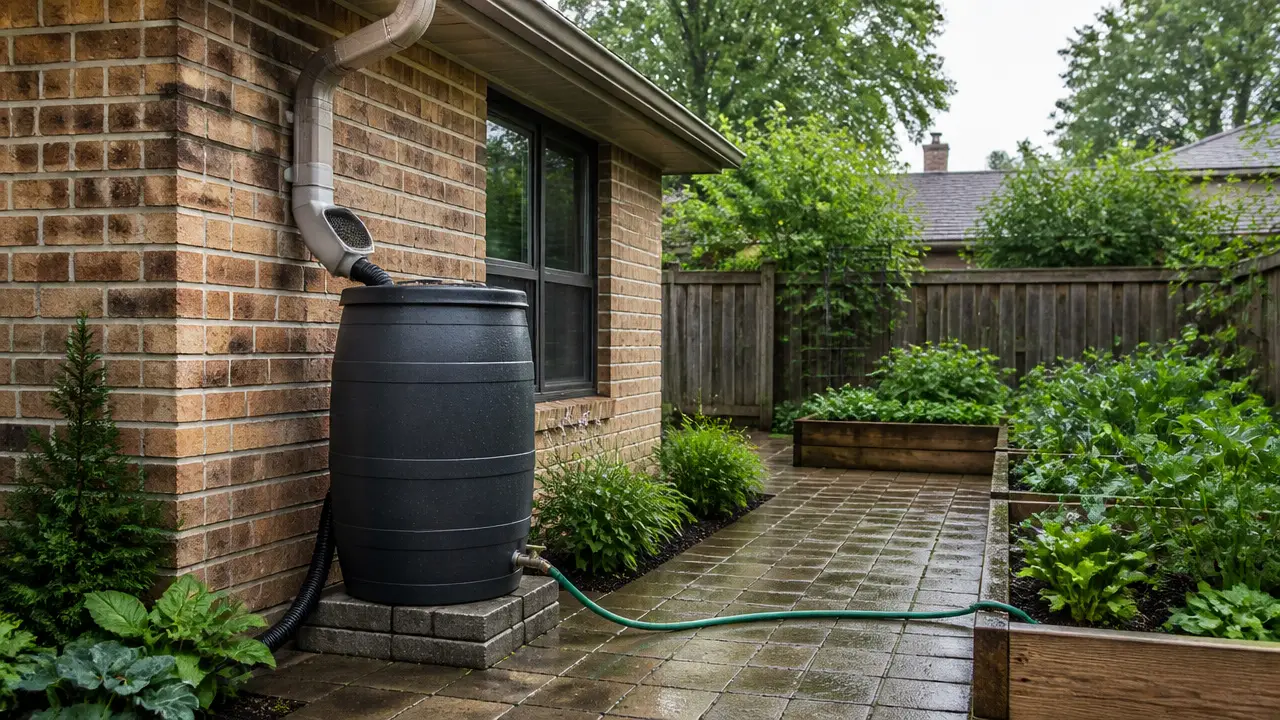
Plastic is normally the practical choice for rainwater storage and other larger systems.
Food-grade plastic containers are available as:
- Small water jugs
- Rain barrels
- 55-gallon drums
- IBC totes
- Above-ground tanks
- Larger cisterns
Plastic weighs far less than glass and does not shatter when bumped. That makes installation and maintenance easier.
Opaque plastic also helps limit light entering the tank. EPA guidance notes that opaque plastic containers can be useful because they are lightweight, sturdy, and reduce light exposure.
For a rainwater system, that can help reduce algae problems, although an opaque tank does not eliminate the need for screening, cleaning, and other maintenance.
Use Food-Grade Plastic for Drinking Water
Not every plastic container should hold drinking water.
For water that may be consumed, use a container specifically made for food or drinking-water contact. The FDA regulates materials intended to come into contact with food and beverages.
Do not assume a random bucket, tote, barrel, or trash can is suitable simply because it is made of plastic.
Also avoid containers that previously held:
- Pesticides
- Fuel
- Solvents
- Automotive fluids
- Industrial chemicals
- Other toxic materials
Washing such a container does not necessarily make it suitable for water storage. CDC specifically warns against using containers that previously held toxic chemicals.
For garden-only rainwater, the risks are different, but containers that held hazardous chemicals are still poor choices.
Does Plastic Leach Chemicals Into Water?
This question often makes people choose glass automatically.
Glass is very stable, but properly selected food-contact plastic is also designed for storing food or beverages under its intended conditions of use. FDA reviews food-contact materials based partly on migration and expected exposure.
That does not mean every plastic object is suitable for water.
Use a container intended for the job and follow its manufacturer's limits. Keep plastic tanks and jugs away from unnecessary heat whenever possible. Do not fill a container with very hot water unless it is designed for that use.
Heat and sunlight can also shorten the useful life of some plastic containers.
Plastic Is Usually Better for Rainwater Storage
For a rain barrel, IBC tote, or cistern, glass is rarely a realistic option.
A rainwater tank needs to handle:
- A large amount of weight
- Outdoor temperature changes
- Plumbing connections
- Cleaning and maintenance
- Overflow
- Movement or accidental impact
Plastic tanks can also be made with fittings for outlets, pumps, and overflow pipes.
A bulkhead fitting is a fitting that passes through the wall of a tank and creates a sealed plumbing connection. These fittings are commonly used for outlets and overflow lines.
Before buying or modifying a plastic tank, make sure its wall and fitting locations are suitable for the connections you need. Cutting holes in thin or unsupported parts of a tank can lead to leaks or damage.
Keep Light Out of Stored Rainwater
Review a suitable container for storing drinking water to assess the upkeep decision supported by reliable measurements.
The color and thickness of a plastic tank can matter almost as much as the material itself.
For long-term rainwater storage, the tank should limit light entering the water. A tank that glows brightly inside when sunlight hits it may allow more algae growth.
Keeping the tank shaded can also help protect it from heat and UV exposure.
Do not paint or coat a drinking-water tank internally unless the coating is specifically suitable for that use.
The Container Does Not Make Rainwater Drinkable
Choosing glass instead of plastic does not make roof runoff safe to drink.
Roof-collected rainwater can pick up:
- Bird and animal waste
- Dust
- Leaves
- Insects
- Roofing debris
- Airborne pollutants
- Microorganisms
A clean storage container is only one part of water quality.
Potable water means water considered suitable for drinking. If rainwater will be used as potable water, the whole system matters. That can include suitable collection surfaces, debris screening, first-flush management, storage, treatment, current laboratory testing, maintenance, and any local requirements.
A first-flush system diverts some of the first runoff from a roof so that part of the accumulated dirt and debris does not immediately enter the tank.
No glass bottle, plastic tank, filter, UV light, home test strip, or single treatment step by itself proves that collected rainwater is safe to drink.
The Lid and Outlet Matter Too
Container design can affect water quality as much as the container material.
For drinking-water storage, a good container should have a secure cover and should limit opportunities for hands, cups, dirt, and insects to enter the water.
CDC guidance favors covered containers with small openings and dispensing methods that reduce the need to reach into the stored water.
For a rainwater tank, also look for a setup that allows:
- A screened inlet
- A screened or protected overflow
- A secure lid
- A usable outlet
- Access for inspection and cleaning
Mosquitoes can use standing water for breeding if openings are not properly screened.
Keep Stored Water Away From Heat and Chemicals
Whether you use glass or plastic, location matters.
Keep containers in a cool area when possible and away from direct sunlight.
Plastic drinking-water containers should also be kept away from gasoline, kerosene, pesticides, solvents, and similar chemicals. EPA guidance warns that vapors from some substances can pass through plastic and contaminate stored water.
A garage containing fuels and chemicals may therefore be a poor location for long-term drinking-water storage.
For outdoor rainwater tanks, keep chemicals and fuel containers away from the tank and its plumbing.
Which One Should You Choose?
Choose glass when you need to store a small amount of water indoors and can protect the container from breakage and light.
Choose food-grade plastic when you need a larger, lighter, and more durable container. Plastic is usually the more practical material for rain barrels, drums, IBC totes, and cisterns.
For drinking water, the more important question is not simply "glass or plastic?" It is whether the entire container and water-storage system are suitable for potable use and kept clean.
For untreated rainwater used on gardens or landscaping, an opaque, durable plastic tank is normally the simplest option.
Frequently Asked Questions
Is glass safer than plastic for storing drinking water?
Glass is stable and easy to clean, but properly selected food-grade plastic can also be suitable for drinking-water storage. Container cleanliness, intended use, storage conditions, and protection from contamination are important regardless of material.
What type of plastic is best for storing water?
Use a container specifically identified by its manufacturer as suitable for food or drinking-water contact when the water may be consumed. Do not rely only on the plastic's recycling number to decide whether a particular container is suitable.
Is plastic or glass better for a rain barrel?
Plastic is normally better. It is lighter, does not shatter, and is practical for storing dozens or hundreds of gallons. An opaque plastic barrel also helps limit light entering the water.
Can I store rainwater in clear containers?
You can, but clear containers allow light into the water and may encourage algae growth. An opaque tank or a container kept completely shaded is usually easier to manage.
Can I reuse an old plastic barrel for water?
Only if you know what it previously contained and the barrel is suitable for your intended water use. Never use barrels that previously held pesticides, fuels, solvents, or other toxic chemicals for drinking-water storage.
Does storing rainwater in glass make it safe to drink?
No. Glass does not remove bacteria, viruses, chemicals, roofing contaminants, or other pollutants. Drinking-water use requires a suitable collection, treatment, testing, storage, and maintenance plan.
How often should a water storage container be cleaned?
There is no single schedule that fits every system. Inspect the container regularly and clean it when sediment, slime, algae, odors, or other contamination appears. Rainwater tanks may need cleaning based on roof debris, prefiltration, climate, and how quickly sediment collects.