As an affiliate, we may earn a commission from qualifying purchases. We get commissions for purchases made through links on this website from Amazon and other third parties.
A submersible pump can often stay underwater for months or even years if it is designed for continuous submersion and the water conditions are suitable. Many sump, well, pond, and cistern pumps are meant to remain submerged between uses.
The bigger question is not simply how long the pump is underwater. You also need to consider the pump type, water quality, freezing risk, electrical connections, and how often the pump runs.
Can You Leave a Submersible Pump Underwater All the Time?
Yes, many submersible pumps are designed to remain underwater continuously.
Their motor and electrical parts are sealed inside a waterproof housing. Water around the pump may also help cool the motor while it is operating.
However, permanent submersion is only appropriate when:
- The manufacturer allows continuous submersion.
- The water stays within the pump's allowed temperature range.
- The pump is not sitting in heavy mud or sediment.
- Electrical connections stay dry unless specifically rated for submersion.
- The pump does not freeze in place during winter.
- The water does not contain chemicals or contaminants that can damage the pump.
A pump that works well in a clean-water cistern may not last as long in a dirty rain barrel, muddy pit, or corrosive water source.
How Long Can Different Submersible Pumps Stay in Water?
The answer depends mostly on what the pump was built to do.
Well pumps
Submersible well pumps normally remain underwater for years. Removing one between uses would be impractical and unnecessary.
Their service life depends more on cycling, water quality, motor temperature, installation, and mechanical wear than on how long they stay submerged.
Cistern and rainwater tank pumps
A pump designed for tank or cistern use can usually remain submerged between pumping cycles.
This is common in rainwater systems used for:
- Garden irrigation
- Toilet flushing
- Outdoor faucets
- Household non-potable water
- Transfer between storage tanks
Check whether the pump must stay fully submerged for cooling. Some pumps can operate with only part of their housing underwater, while others cannot.
Sump pumps
Sump pumps commonly remain in the sump pit year-round.
They may spend long periods underwater without running. The float switch turns the pump on when the water reaches a certain level.
Pond and fountain pumps
Many pond pumps are designed for continuous underwater installation. They may run for long periods but still need regular cleaning because algae, leaves, and sediment can restrict the intake.
Portable utility pumps
Portable submersible pumps deserve more caution.
Some are intended for temporary jobs such as draining:
- Pools
- Flooded basements
- Rain barrels
- Construction areas
- Small tanks
A pump being called "submersible" does not automatically mean the manufacturer intends it to stay underwater permanently. Check its instructions before leaving it installed for months.
Water Does Not Usually Damage a Properly Sealed Pump
A true submersible pump is built so water stays outside the motor housing.
Problems usually start when seals, cable entries, housings, or electrical components deteriorate.
Age, heat, abrasion, chemicals, and repeated handling can all affect seals.
Inspect the pump periodically for:
- Cracked power cables
- Damaged insulation
- Rust or corrosion
- Loose fittings
- Oil or unusual residue
- Reduced flow
- Strange noises
- Frequent breaker or GFCI trips
Stop using a pump if its cable or electrical housing appears damaged.
Do not attempt electrical repairs while the pump is connected to power.
Keep Electrical Connections Out of the Water
The pump itself may be designed for submersion. That does not mean every part of the electrical installation can be submerged.
Plugs, extension-cord connections, controllers, and splices normally need to remain dry unless they are specifically designed and listed for underwater use.
For outdoor rainwater systems, use electrical equipment suitable for the location and follow applicable electrical requirements.
A GFCI-protected circuit is commonly used around outdoor water equipment because it can disconnect power when it detects certain electrical leakage conditions.
If permanent wiring, underwater splices, or electrical modifications are needed, use a qualified electrician.
Do Not Let the Pump Sit in Sediment
A submersible pump may tolerate water indefinitely but still suffer from sitting directly in sludge.
Rainwater tanks can collect material such as:
- Roof grit
- Dirt
- Leaves
- Organic debris
- Insect material
- Fine sediment
Keeping the pump slightly above the tank floor can reduce the amount of sediment it pulls into the intake.
Some rainwater systems use a floating intake so water is drawn from higher in the tank rather than from the sediment layer at the bottom.
The right arrangement depends on the pump design. Some pumps must sit upright on a solid base, so do not suspend or reposition one unless its installation instructions allow it.
Watch for Dry Running
Consider reliable water-pump types to evaluate pump-pressure behavior during startup and demand changes.
Being underwater most of the time does not guarantee that the pump will always have enough water when it starts.
If the water level falls below the required minimum, the pump may draw air instead of water.
This is called dry running.
Dry running can overheat or damage some pumps because the surrounding water or water moving through the pump helps remove heat.
A low-water float switch, level sensor, or built-in dry-run protection can help prevent this problem.
The protection should match the pump and control system rather than being treated as a substitute for correct installation.
Freezing Changes the Answer
Leaving a submersible pump underwater is more complicated in freezing climates.
Water trapped inside or around a pump can freeze and expand. This may crack:
- Pump housings
- Fittings
- Check valves
- Pipes
- Hose connections
Whether the pump can stay installed through winter depends on the depth of the water, tank location, local frost conditions, and the pump manufacturer's instructions.
A pump deep inside a buried cistern may experience very different conditions from a pump sitting at the bottom of an exposed 55-gallon rain barrel.
If the tank or pump can freeze, winterize the system according to the equipment instructions rather than assuming underwater installation will protect it.
How Often Should You Check a Pump Left Underwater?
A pump that stays installed still needs maintenance.
The exact schedule depends on the equipment and water conditions, but periodically check:
- Intake screens
- Float switches
- Pump output
- Hoses and pipes
- Check valves
- Electrical cables
- Fittings
- Tank sediment
Clean an intake when debris begins restricting flow rather than waiting until the pump stops working.
Also pay attention to how often the pump starts and stops. Very frequent starting, sometimes called short cycling, can increase wear on pumps and pressure-system components.
Can You Leave a Pump in a Rain Barrel?
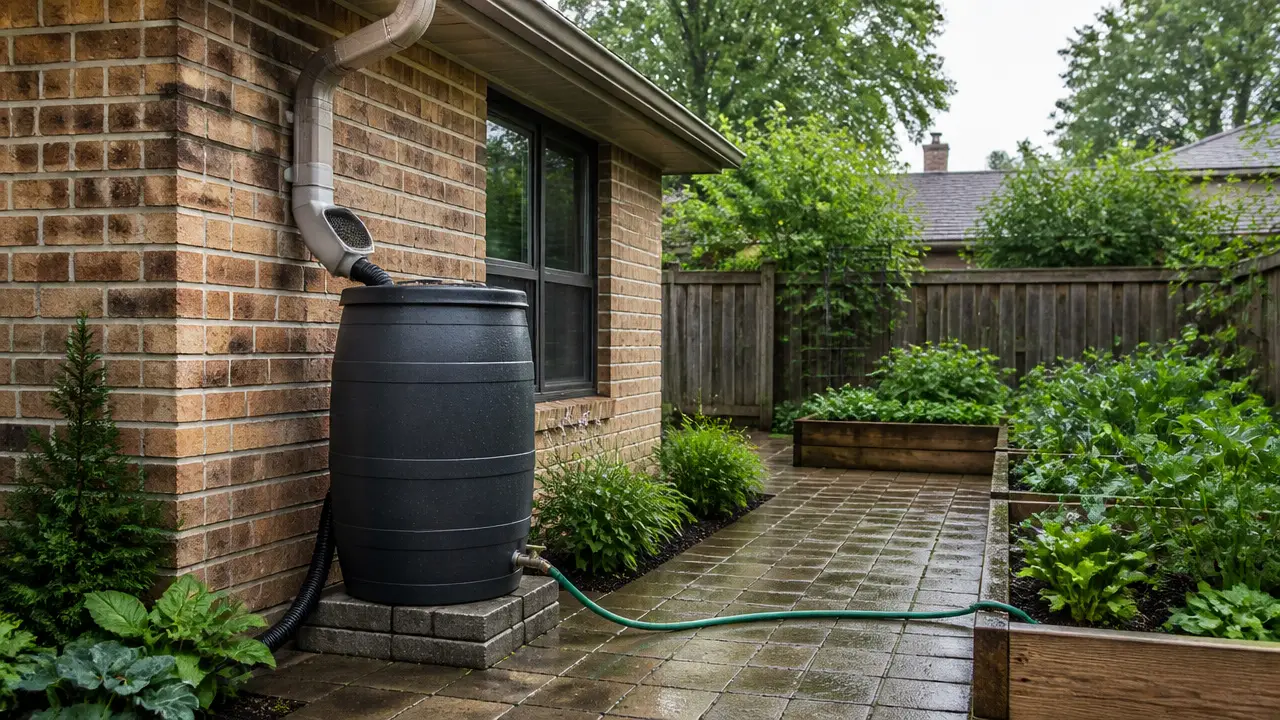
You can leave a suitable submersible pump inside a rain barrel if the pump is approved for that type of installation.
Make sure it has enough water around it, stays clear of heavy sediment, and cannot run dry.
Rain barrels also need suitable overflow arrangements and mosquito protection. The presence of a pump does not make stored roof runoff clean or safe to drink.
If the barrel may freeze, the pump and connected plumbing may need to be removed or winterized.
Can You Leave a Pump in an IBC Tote?
A suitable submersible pump can also remain inside an IBC tote.
Before doing so, consider access. The small top opening on many totes can make removing and cleaning a pump difficult.
Also check:
- Pump dimensions
- Cable routing
- Discharge hose size
- Minimum water depth
- Sediment accumulation
- Winter conditions
Do not cut or modify a tote in a way that weakens the container without understanding how the modification affects its structure.
Should You Remove a Submersible Pump Between Uses?
Usually not if the pump was designed for permanent installation.
Repeatedly pulling a pump out of a tank can actually introduce other problems, such as damaged cables, strained fittings, or contamination entering the tank.
Removal makes more sense when:
- The pump is meant for temporary use.
- The storage tank will freeze.
- The water is highly corrosive.
- The pump needs cleaning or repair.
- The manufacturer requires dry storage between uses.
Never lift a submersible pump by its electrical cord. Use the handle, lifting rope, or other method specified for the pump.
Frequently Asked Questions
Can a submersible pump stay underwater for years?
Yes. Some submersible well, sump, and cistern pumps are designed to remain underwater for years. Their usable life depends on water conditions, operating cycles, installation, and maintenance as well as submersion time.
Does leaving a submersible pump underwater damage it?
Not normally if the pump is designed for continuous submersion. Damage is more likely from failed seals, sediment, corrosion, dry running, freezing, or damaged electrical cables.
Can I leave a submersible pump in a rainwater tank?
Yes, if the pump is intended for permanent submerged installation. Keep the intake away from heavy sediment and make sure low water levels cannot cause damaging dry running.
Should a submersible pump sit on the bottom of a tank?
Only if its design allows it. Sitting directly in sediment can clog the intake or increase wear. Some systems place the pump on a raised base or use another intake arrangement.
Can a submersible pump freeze underwater?
Yes. Water inside or around the pump and its plumbing can freeze when temperatures become low enough. Freezing can damage housings, pipes, valves, and fittings.
Can you run a submersible pump continuously?
Some pumps are designed for continuous operation, while others have duty limits. Check the pump's instructions for its allowed operating cycle and minimum water level.
Can the electrical plug of a submersible pump go underwater?
Do not submerge plugs, extension-cord connections, controllers, or splices unless they are specifically designed and approved for underwater installation. The pump housing being submersible does not make every electrical connection waterproof.