As an affiliate, we may earn a commission from qualifying purchases. We get commissions for purchases made through links on this website from Amazon and other third parties.
There is no single water tank brand that is best for every rainwater system. The better choice is a tank from an established manufacturer that is correctly rated for your intended use, location, installation method, and plumbing connections.
For most above-ground rainwater systems, a well-made, opaque polyethylene tank from a manufacturer with clear installation instructions, replacement fittings, and local support is usually a practical choice. If the stored water may be used for drinking, brand reputation alone is not enough. Look for appropriate drinking-water certification and treat the entire collection and treatment system as part of the safety decision.
What Makes One Water Tank Brand Better Than Another?
A good tank brand should make it easy to confirm what the tank is designed to do.
Before comparing logos, compare these points:
- Tank material
- Above-ground or underground rating
- Water-use rating
- UV resistance
- Tank dimensions
- Inlet, outlet, vent, and overflow locations
- Fitting sizes and thread types
- Installation requirements
- Warranty terms
- Availability of replacement parts
- Local dealer or manufacturer support
A cheaper tank that does not fit your site or plumbing can create more work than a more suitable tank from another manufacturer.
The specific tank model matters just as much as the brand.
Start With How You Will Use the Water
The best tank for garden irrigation may not be the best tank for household water storage.
Garden and Irrigation Water
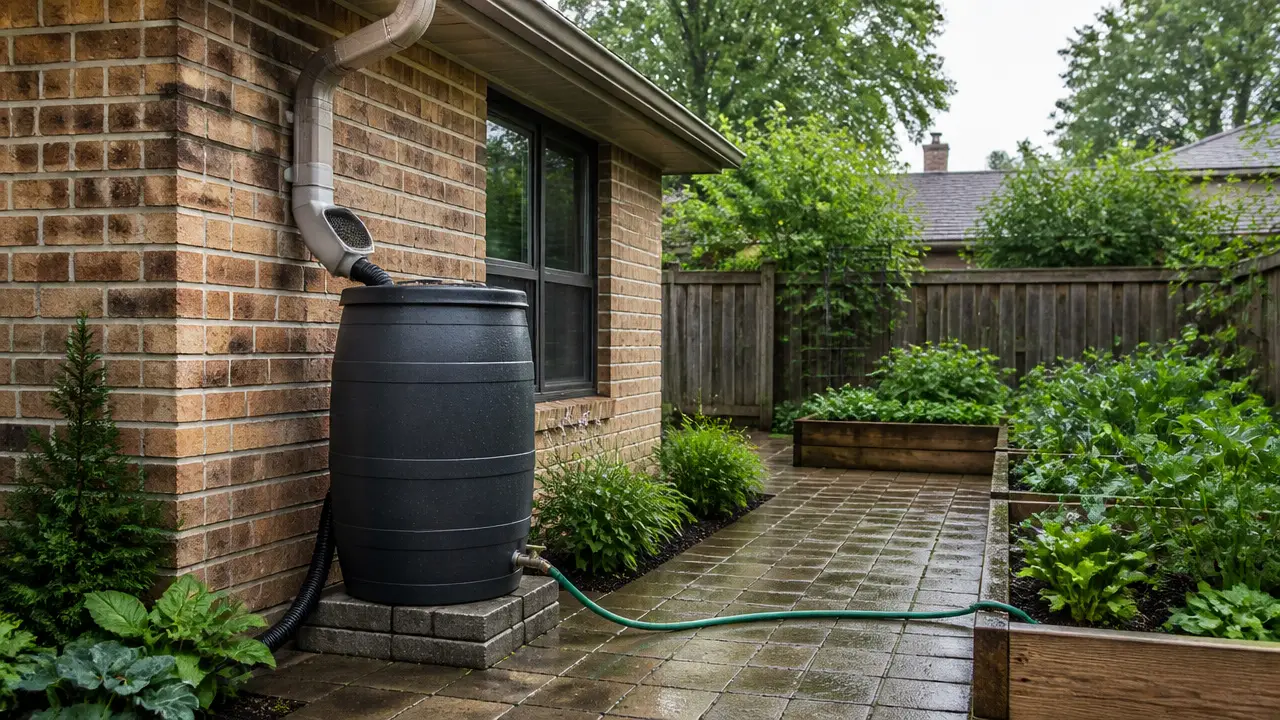
For basic rainwater irrigation, look for a durable tank that blocks sunlight and has convenient plumbing connections.
Important features include:
- Opaque walls
- Screened inlet
- Screened vent
- Large overflow connection
- Outlet positioned where you can reach it
- Drain or cleaning access
- UV-resistant material for outdoor installation
An opaque tank helps reduce sunlight inside the tank. This can help limit algae growth, although it does not remove the need for good screening and maintenance.
Household Non-Potable Water
Non-potable means water that is not intended for drinking.
Rainwater used for toilets, laundry, cleaning, or similar household uses normally needs more system planning than a garden tank. Pumps, filtration, backflow protection, controls, and local plumbing requirements may apply.
A good tank manufacturer should provide enough technical information for a plumber or system designer to connect the tank correctly.
Drinking Water
If water may be used for drinking or cooking, do not choose a tank simply because the manufacturer calls it "food grade" or "potable."
Potable means suitable for drinking.
Look for applicable third-party certification for materials that contact drinking water. In North America, NSF/ANSI/CAN 61 establishes health-effects requirements for products and materials that contact drinking water. Certification should be checked for the actual product, rather than assumed because the manufacturer sells other certified products.
The tank is also only one part of the system. Roof runoff can contain germs, animal waste, dirt, metals, and other contaminants. The CDC recommends appropriate collection practices, maintenance, treatment, and regular testing when rainwater is used for drinking, cooking, or bathing.
A drinking-water tank does not make untreated roof runoff safe to drink.
Polyethylene Tanks Are a Practical Choice for Many Homes
Rotationally molded polyethylene tanks are widely used for above-ground rainwater storage.
They can work well because they are:
- Resistant to corrosion
- Relatively light when empty
- Available in many shapes
- Suitable for outdoor use when properly designed
- Easy to connect to common rainwater plumbing
The tank should be specifically designed for water storage. Do not assume that any plastic container is suitable simply because it can hold liquid.
For outdoor rainwater storage, check that the manufacturer specifies UV resistance and outdoor installation.
Also check whether the tank is intended only for water. Tanks built for other liquids may use different materials, wall designs, or fittings.
Do Not Bury an Above-Ground Tank
This is one of the most important differences between tank models.
An above-ground polyethylene tank is usually designed to have water pressure pushing outward against its walls. Underground tanks must also withstand soil pressure pushing inward.
Only bury a tank when the manufacturer specifically rates that model for underground installation.
Underground tanks may require:
- Particular bedding materials
- Controlled backfilling
- Minimum or maximum burial depths
- Groundwater precautions
- Vehicle-load restrictions
- Anchoring in areas with high groundwater
Follow the manufacturer's installation drawings.
A respected brand does not make an above-ground model safe to bury.
Check the Tank Connections Before Buying
A tank that holds enough water can still be a poor choice if the plumbing connections are wrong for your system.
Look closely at the:
Inlet
The inlet must match the pipe carrying water from the roof.
It should also allow debris screening before water enters the tank.
Outlet
The outlet supplies your pump, hose, or gravity-fed irrigation line.
Check both its size and location. A tiny outlet can restrict flow even when the tank contains plenty of water.
Overflow
The overflow needs to safely carry excess water away when the tank is full.
It should normally be large enough to handle incoming roof runoff without forcing water out through the tank lid or other openings.
Bulkhead Fittings
A bulkhead fitting is a sealed fitting installed through the wall of a tank. It lets a pipe or valve connect without water leaking around the hole.
Find out whether important fittings are factory-installed or must be added later.
Also check the thread standard. A fitting may look like it should connect to your pipe while using a different thread type.
Tank Shape Matters More Than Brand Name
Tank shape should match the space where the water will be stored.
Vertical Tanks
Vertical round tanks are often a practical choice when space is available.
They usually provide a lot of storage without requiring a very long footprint.
Slimline Tanks
Slimline tanks can fit beside a house, fence, garage, or narrow side yard.
Examine comparing leading water storage tanks brands to assess stored supply required between realistic refill opportunities.
Their shape may make installation easier where a round tank will not fit. However, confirm foundation and support requirements because the tank still becomes extremely heavy when full.
Underground Tanks
These can save surface space but require much more installation work.
Excavation, soil conditions, groundwater, access, piping, and structural loading all matter. This is usually where professional planning becomes more important.
IBC Totes
IBC totes are sometimes used for low-cost non-potable rainwater storage.
Their previous contents must be known. A used tote that once held an unknown chemical should not be assumed safe for water storage.
IBC totes also need protection from sunlight and proper overflow, venting, and plumbing arrangements.
Compare the Manufacturer's Installation Requirements
Good tank manufacturers should provide clear instructions for supporting the tank.
Water is heavy.
About 1,000 gallons of water weighs roughly 8,340 pounds before the weight of the tank and plumbing is added. Likewise, 5,000 liters of water weighs about 5,000 kilograms.
The base must support that load evenly.
Depending on the tank, manufacturers may require materials such as:
- Reinforced concrete
- Compacted crushed material
- Another engineered level base
Do not improvise the foundation if the manufacturer specifies something different.
An uneven or poorly supported base can stress the tank and its fittings.
Look for Useful Technical Information
One simple way to compare water tank brands is to compare their documentation.
A manufacturer should clearly state things such as:
- Tank capacity
- Dimensions
- Empty weight
- Intended liquid
- Above-ground or underground use
- Inlet locations
- Outlet size
- Overflow options
- Vent requirements
- Foundation requirements
- Temperature limitations when relevant
- Warranty conditions
Be cautious when a seller provides little more than capacity and a photograph.
Clear engineering and installation information is often more useful than advertising claims about durability.
Replacement Parts Matter
Rainwater tanks can remain in service for many years, but valves, screens, seals, lids, fittings, and other parts may eventually need attention.
Before choosing a brand, check whether you can obtain:
- Replacement lids
- Gaskets
- Screens
- Bulkhead fittings
- Valves
- Overflow fittings
- Manufacturer-approved repair information
This becomes especially important with large tanks that would be difficult to replace.
A manufacturer or dealer with parts available in your region can be more useful than a famous brand with poor local support.
Do Not Choose a Tank by Capacity Alone
A larger tank is not automatically better.
Tank size should relate to:
- Roof collection area
- Local rainfall pattern
- Intended water use
- Available installation space
- Overflow management
- How long you want water to last between rains
A large tank connected to a small roof may rarely fill. A small tank connected to a large roof may overflow frequently.
Tank sizing should therefore be done before choosing the exact brand and model.
Features Worth Paying Attention To
For a typical rainwater storage tank, useful design features include:
- Light-blocking walls
- Secure lid
- Screened inlet
- Screened vent
- Properly sized overflow
- Accessible outlet
- Drain or cleaning access
- Suitable outdoor material
- Clearly documented installation requirements
Some systems also benefit from a calming inlet or floating intake, but these are system components rather than reasons to choose a particular tank brand.
A first flush diverter can also be installed before the tank. It diverts some of the first runoff from a storm, which often carries more dirt and contaminants from the roof. The CDC specifically identifies first-flush diversion as one way to improve collected rainwater quality.
Red Flags When Comparing Tank Brands
Avoid choosing a tank when important questions cannot be answered.
Warning signs include:
- No clear manufacturer information
- No installation manual
- Unclear tank material
- No statement about above-ground versus underground use
- Vague claims that the tank makes water safe to drink
- Poorly documented plumbing fittings
- No replacement parts
- Seller cannot explain previous contents of a used tank
- Drinking-water claims without verifiable certification
Also be cautious about modifying a tank in ways the manufacturer does not allow. Cutting large openings or installing poorly supported fittings can weaken the tank or create leaks.
Which Type of Brand Should You Choose?
For most homeowners collecting rainwater for gardens or other non-potable uses, choose an established water-storage manufacturer that offers a purpose-built, opaque, outdoor-rated tank with the right fittings and good local support.
For underground storage, choose based on the manufacturer's engineering and installation requirements rather than choosing an ordinary above-ground tank from a familiar brand.
For drinking-water storage, verify that the exact tank and water-contact materials meet the standards required for your location and application. Then address collection surfaces, first flush, filtration, treatment, laboratory testing, maintenance, and local requirements as parts of the same system.
The best water tank brand is therefore the one whose specific tank model correctly fits your water use, site, plumbing, and installation conditions.
Frequently Asked Questions
Are expensive water tank brands always better?
No. Price or brand recognition does not tell you whether a tank fits your system. Material, installation rating, plumbing connections, certification when required, documentation, and local support are more useful comparison points.
What is the best material for a rainwater tank?
Polyethylene is a practical choice for many residential above-ground systems because it does not rust and is available in many sizes and shapes. Concrete, fiberglass, steel, and other materials can also work when they suit the installation and intended water use.
Should a rainwater tank be black or dark colored?
The important issue is how well the tank prevents sunlight from reaching the stored water. An opaque tank can help limit algae growth. Do not rely on color alone if the manufacturer provides better information about the tank's light-blocking and outdoor-use properties.
Can any water storage tank be used for drinking water?
No. Drinking-water storage requires suitable water-contact materials and any certification required for your application or location. The rest of the rainwater system must also be designed, treated, tested, and maintained appropriately. Rainwater is not automatically safe to drink simply because it is stored in a potable-rated tank.
Is a one-piece polyethylene tank better?
A one-piece rotationally molded design is common for residential water storage and avoids assembled wall seams. However, tank quality still depends on the design, material, manufacturing process, installation, and intended use. Do not judge a tank only by whether it is molded in one piece.
Can I bury a regular plastic water tank?
Not unless the manufacturer specifically approves that model for burial. Soil and groundwater create loads that ordinary above-ground tanks are not designed to handle.
Does the water tank brand affect water quality?
It can. Materials that contact the water, sunlight entering the tank, poorly sealed openings, and unsuitable fittings can all affect stored water. However, roof condition, gutters, debris screening, first flush, maintenance, treatment, and intended use are also important. The tank brand alone cannot establish water quality.