As an affiliate, we may earn a commission from qualifying purchases. We get commissions for purchases made through links on this website from Amazon and other third parties.
A 10-micron filter is not always better than a 20-micron filter. It catches smaller particles, but it also tends to clog faster and can reduce water flow more.
The better choice depends on what you want the filter to do, how dirty the water is, and how much flow your system needs.
What Does Micron Rating Mean?
A micron is a very small unit of measurement. One micron is one-thousandth of a millimeter.
A filter's micron rating tells you roughly what size particles it is designed to catch.
In simple terms:
- A 20-micron filter catches larger sediment.
- A 10-micron filter catches smaller sediment.
- A lower micron number means finer filtration.
Neither filter should be treated as a complete water-treatment system.
10-Micron vs. 20-Micron Filter
| Feature | 10-Micron Filter | 20-Micron Filter |
|---|---|---|
| Filtration | Finer | Coarser |
| Removes smaller sediment | Better | Less effective |
| Water flow | May be lower | Usually easier to maintain |
| Clogging | Usually faster | Usually slower |
| Best use | Finer sediment removal | First-stage sediment removal |
A 20-micron filter is often useful when the water contains visible dirt, grit, rust, or larger sediment.
A 10-micron filter can then provide finer filtration after much of that material has already been removed.
When a 10-Micron Filter Makes More Sense
A 10-micron filter may be the better choice when you want to remove finer suspended sediment.
For example, it may help when water looks clear but still contains small particles that reach fixtures, irrigation equipment, or later treatment stages.
It can also work well as a second sediment stage.
A system might use:
20-micron filter → 10-micron filter → additional treatment if needed
The first filter catches larger material. This reduces the amount of dirt reaching the finer filter.
That setup can help the 10-micron cartridge last longer.
When a 20-Micron Filter May Be Better
A 20-micron filter can be a better starting point when the incoming water contains a lot of sediment.
This is common with some rainwater tanks, cisterns, wells, or stored-water systems.
Putting a fine filter on very dirty water can cause it to clog quickly.
A clogged filter can:
- Reduce flow.
- Increase pressure loss.
- Make pumps work against greater resistance.
- Require frequent cartridge changes or cleaning.
Using a 20-micron filter first can remove larger material without restricting the system as quickly.
A Smaller Micron Rating Does Not Automatically Mean Better Water
It is easy to assume that the smallest filter is always best.
That is not how filtration works.
A sediment filter mainly removes suspended particles. It does not automatically remove dissolved chemicals, salts, viruses, or every microorganism.
For example, total dissolved solids, often called TDS, are minerals and other dissolved substances in water. A normal 10- or 20-micron sediment filter does not remove most dissolved solids.
The right filter depends on the problem you are trying to solve.
Rainwater Systems Often Need More Than One Stage
Roof runoff can carry leaves, insects, dust, pollen, dirt, bird droppings, roofing debris, and other contaminants.
Good rainwater treatment starts before the cartridge filter.
A typical non-potable rainwater system may include some combination of:
- Gutter screens or leaf guards.
- A first-flush device.
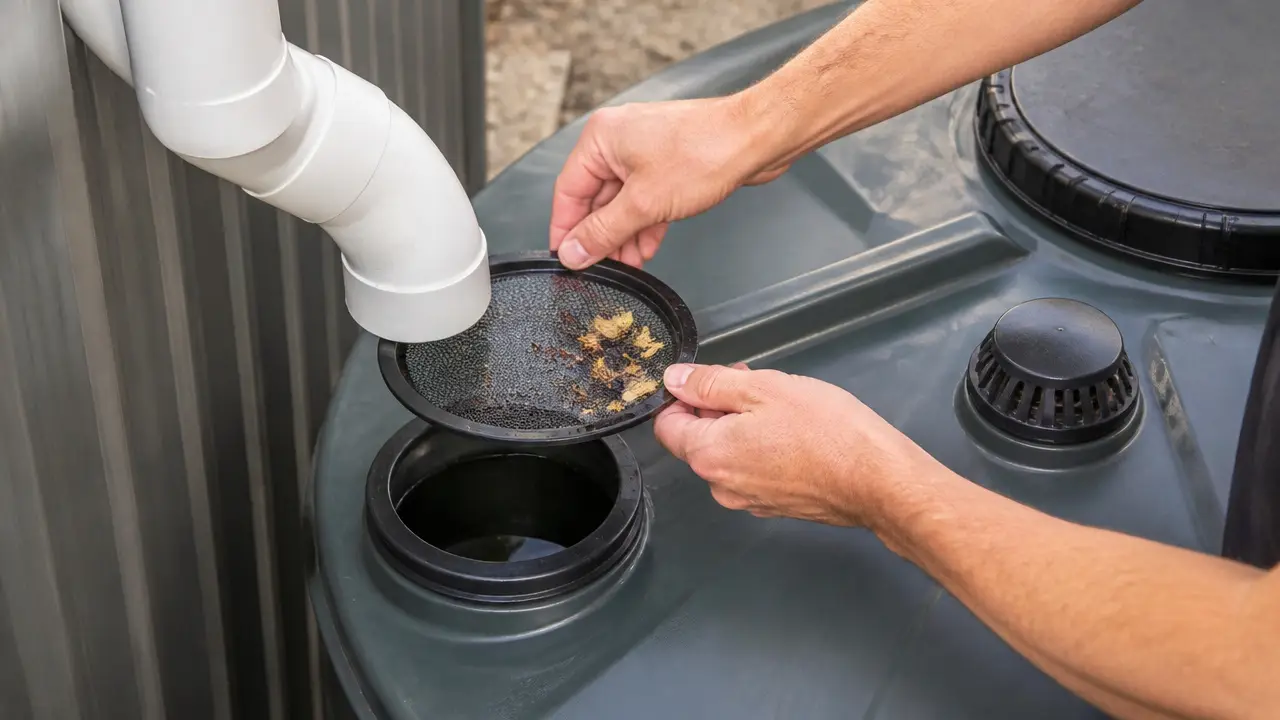
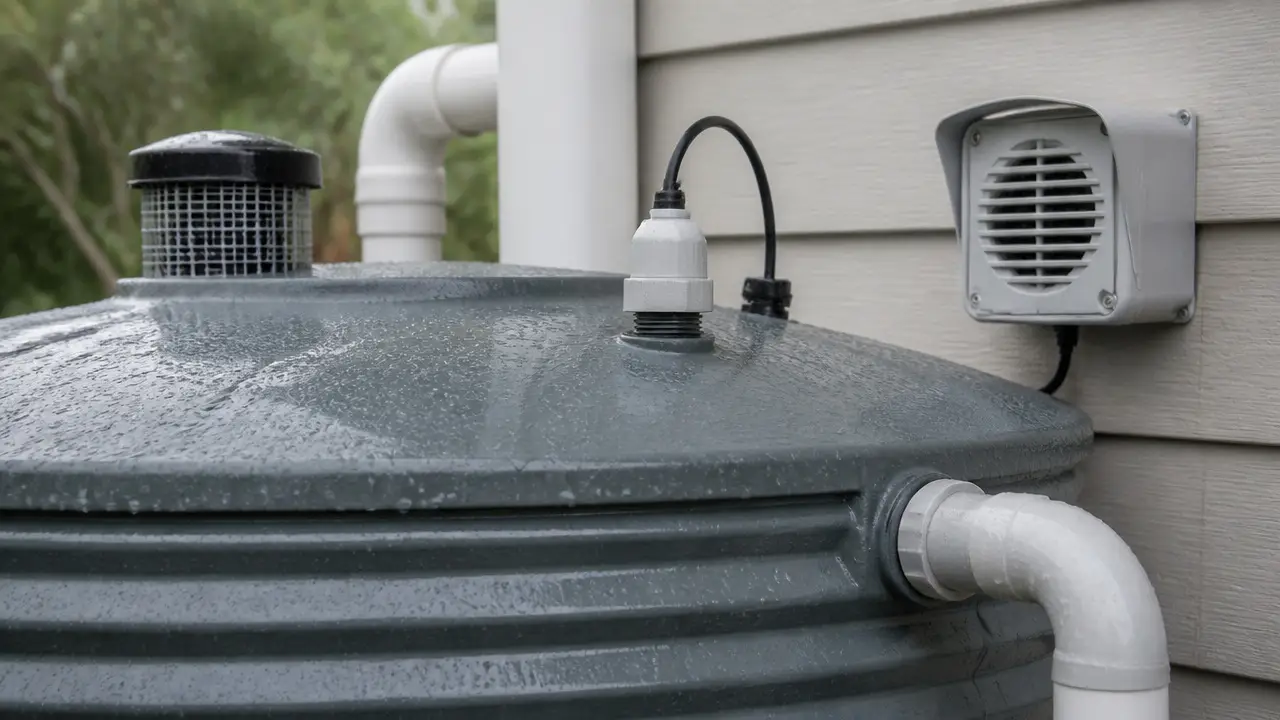
- A screened tank inlet.
- Settling inside the tank.
- A sediment filter.
- Additional treatment when required for the intended use.
A first flush diverts some of the initial roof runoff away from storage. That first water may carry a higher load of dirt and debris from the roof.
Reducing debris before the cartridge filter can greatly reduce clogging.
Think About Flow Rate Too
A finer filter creates more resistance to water movement.
That means a 10-micron cartridge may have a greater effect on flow and pressure than a similar 20-micron cartridge.
The actual difference depends on the filter's size, material, surface area, housing, condition, and the manufacturer's flow limits.
This matters when supplying equipment such as:
- Garden irrigation.
- Sprinklers.
- Pumps.
- Washing machines.
- Toilets.
- Outdoor faucets.
Evaluating key facts about the difference between a 20 micron and a 50 micron sediment filter helps compare service priorities supported by the latest reliable readings.
Do not choose a filter based only on its micron number. Make sure the housing, connections, and filter can handle the required flow and pressure.
Filter Size Matters Along With Micron Rating
Two filters with the same micron rating may perform very differently.
A larger cartridge may have more surface area. That can allow better flow and greater dirt-holding capacity than a smaller cartridge.
When choosing a filter, check:
- Micron rating.
- Filter dimensions.
- Connection size.
- Recommended flow.
- Maximum working pressure.
- Cartridge type.
- Replacement or cleaning requirements.
These details are especially important in pump-fed systems.
Nominal and Absolute Micron Ratings Are Different
Not every 10-micron filter captures particles in exactly the same way.
You may see filters described as nominal or absolute.
A nominal rating means the filter removes a stated percentage of particles around that size. The exact percentage depends on how the manufacturer defines its rating.
An absolute rating is normally held to a stricter particle-retention standard.
Because manufacturers may use different testing methods, do not assume that every filter marked "10 micron" performs identically.
Check the manufacturer's filtration data when particle removal is important.
What About Drinking Water?
A 10-micron or 20-micron sediment filter alone does not make collected rainwater safe to drink.
Potable means suitable for drinking. Non-potable water is water intended for uses that do not require drinking-water quality.
Using rainwater as drinking water requires a whole-system approach. That can include suitable collection surfaces, debris control, prefiltration, appropriate treatment stages, regular maintenance, current laboratory testing, and compliance with applicable local requirements.
Sediment filtration may be one stage of that system, but its micron rating alone cannot establish that the water is safe to drink.
If rainwater will be used for drinking or other higher-risk household uses, work with qualified water-treatment professionals and follow current local health guidance.
Which Micron Size Should You Choose?
Choose based on the job.
A 20-micron filter is often a good first sediment stage when water contains larger particles or when maintaining flow is important.
A 10-micron filter is useful when you need finer sediment removal and the water reaching the filter is already fairly clean.
For dirtier water, staged filtration often makes more sense than installing one very fine filter.
For example:
coarse screening → 20 micron → 10 micron
You do not need every stage in every system. The right setup depends on the water source, intended use, pump capacity, flow requirement, and amount of sediment.
Frequently Asked Questions
Is 10 micron finer than 20 micron?
Yes. A 10-micron filter is finer and can capture smaller suspended particles than a similar 20-micron filter.
Will a 10-micron filter clog faster?
It often will, especially if the incoming water contains a lot of sediment. Removing larger debris before the 10-micron stage can help extend filter life.
Should I use a 20-micron filter before a 10-micron filter?
That can be a useful setup for water with significant sediment. The 20-micron stage catches larger particles before they reach the finer filter.
Is a 10-micron filter good for rainwater?
It can be useful for removing fine sediment from rainwater, but it should normally be part of a larger collection and filtration setup. It does not make untreated roof runoff potable by itself.
Does a 10-micron filter remove bacteria?
A standard 10-micron sediment filter should not be relied on to control bacteria or make water microbiologically safe. Drinking-water treatment requires appropriate treatment methods and verification.
Will a 20-micron filter give better water pressure?
It may create less restriction than a comparable 10-micron filter, especially as sediment builds up. Actual pressure loss depends on the cartridge, housing, flow rate, and filter condition.
Can I replace a 20-micron filter with a 10-micron filter?
Sometimes, but check the cartridge dimensions, housing compatibility, flow requirements, and pressure limits first. The finer cartridge may need cleaning or replacement more often.