As an affiliate, we may earn a commission from qualifying purchases. We get commissions for purchases made through links on this website from Amazon and other third parties.
You usually do not need to remove downspout extensions for winter. In most homes, they should stay in place because they keep roof runoff and melting snow away from the foundation.
However, some extensions can trap water, fill with ice, get buried by snow, or become damaged by snow removal. The right winter setup depends on the type of extension, its slope, and where it drains.
Why Downspout Extensions Still Matter in Winter
A downspout extension carries water farther away from the house after it leaves the downspout.
That job is still important during cold weather. Snow on a roof can melt even when the ground is frozen. Warm sunny days can also produce a large amount of roof runoff.
If you remove the extension, that water may discharge beside the foundation.
This can contribute to:
- Water collecting near basement or crawl-space walls
- Ice forming beside walkways or entrances
- Soil becoming saturated during thaw periods
- Water entering foundation cracks
- Erosion around the base of the house
For that reason, removing an extension simply because winter has arrived is usually not the best choice.
When You Should Leave the Extension Installed
Leave the extension connected if it drains freely and can remain protected through winter.
A good winter extension should:
- Slope away from the house
- Empty where water can continue moving away
- Avoid low spots that hold standing water
- Stay clear of driveways and walking paths
- Be positioned where shovels, snow blowers, and plows are unlikely to damage it
Rigid downspout extensions often work well through winter when they have enough slope.
Flexible corrugated extensions can also stay installed, but they need closer inspection because the ridges and low spots can retain water.
When Removing or Repositioning an Extension Makes Sense
There are situations where temporarily removing an extension may prevent damage.
It Will Be Crushed by Snow Removal
An extension lying across a driveway or near an area that is regularly shoveled may get damaged.
Snow blowers can catch flexible pipe. Plows can crush rigid sections.
If that is likely, reposition the extension to a safer drainage path rather than simply allowing the downspout to discharge beside the house.
The Extension Holds Water
An extension that sags or runs uphill in places can trap water.
During freezing weather, that water can turn to ice. Repeated freezing and thawing may split lightweight plastic extensions or block the drainage path.
Correcting the slope is usually better than removing the extension.
The Outlet Becomes Buried in Snow
A deep snowbank can block the end of an extension.
Water from a roof thaw may then back up into the pipe or freeze near the outlet.
Check the discharge point after heavy snow and keep a reasonable path open for drainage when it is safe to do so.
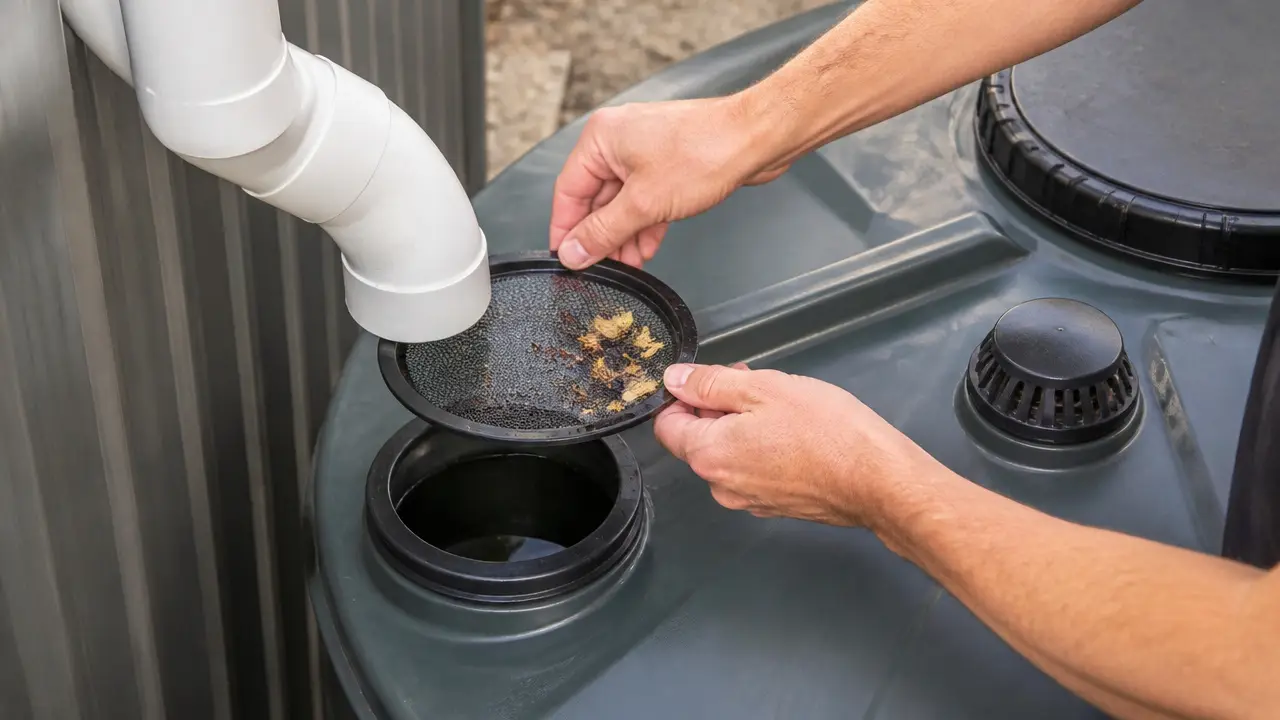
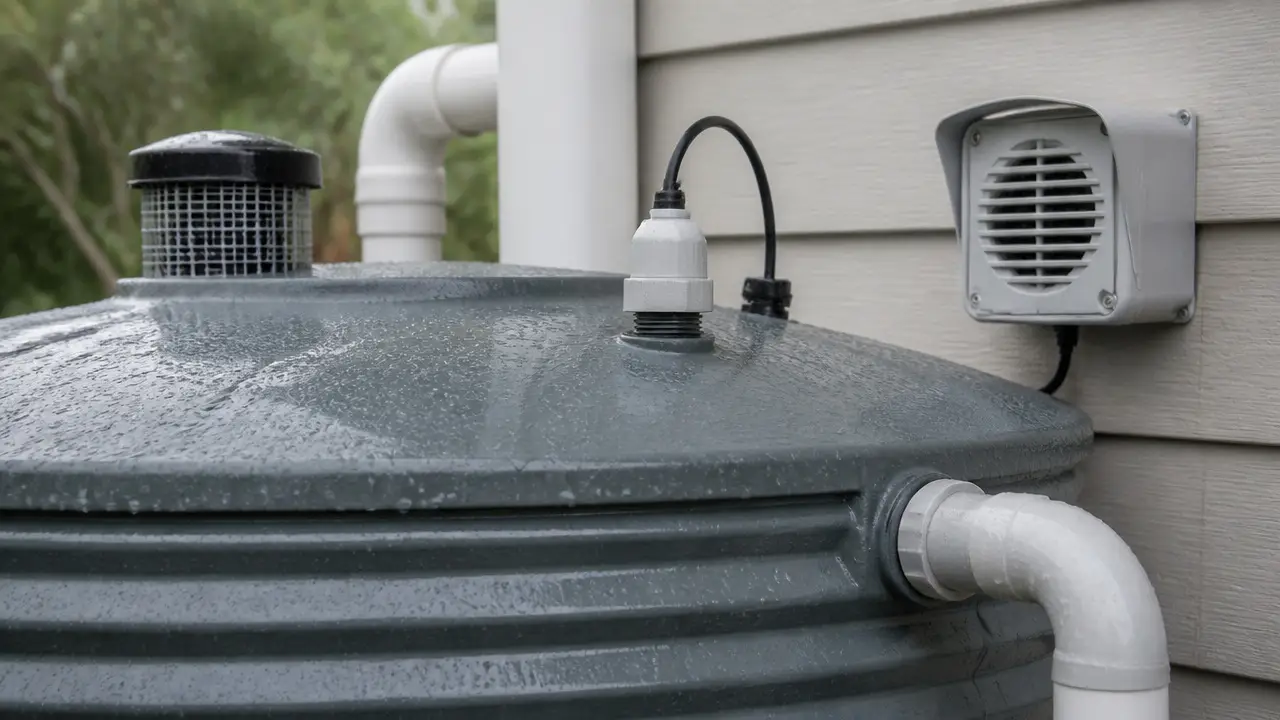
You Use a Seasonal Rain Barrel
A different situation applies when a downspout extension is part of a rain-barrel setup.
In freezing climates, many rain barrels need to be drained, disconnected, or winterized according to their design. The downspout should then be arranged so winter runoff has a safe path away from the foundation.
Do not leave a diversion setup positioned so water enters a disconnected hose or closed container.
The Main Winter Problem Is Trapped Water
Cold temperatures alone do not usually cause trouble for an empty downspout extension.
Trapped water is the bigger concern.
Water can collect where:
- Flexible pipe has sagged
- The extension is nearly level
- The end is plugged with leaves
- Ice blocks the outlet
- Snow covers the discharge point
- An underground drain is frozen or obstructed
When that trapped water freezes, it expands and can create a blockage.
A downspout may then overflow higher up during the next thaw.
Check the Slope Before Winter
Water should be able to move through the extension by gravity.
You do not need an extreme slope. The important point is to avoid dips where water remains after a storm.
Walk along the extension and look for sections that sag.
For flexible pipe, support or reposition those areas so they drain.
For rigid pipe, check that frost movement or settling has not tilted sections back toward the house.
Be Careful With Underground Downspout Drains
Some downspouts connect to buried drainage pipe instead of above-ground extensions.
These systems can work through winter, but problems may occur when water cannot exit.
Understanding effective downspout extension methods helps assess catchment details that handle both rainfall and debris.
Possible causes include:
- A blocked outlet
- Poor pipe slope
- Sediment buildup
- Frozen standing water
- Crushed or damaged pipe
Do not assume that a buried pipe is draining just because you cannot see a problem.
During a winter thaw, watch the downspout connection. Overflow or water spilling near the foundation can indicate that the underground drain is restricted.
Excavation during frozen conditions can create additional hazards and may damage buried utilities. If the buried system repeatedly backs up, a drainage professional may be a better choice than trying to dig it out during winter.
Keep Extensions Away From Walkways
Moving roof runoff away from the foundation should not create an ice hazard somewhere else.
Do not direct an extension toward:
- Steps
- Sidewalks
- Driveways
- Entry areas
- Frequently used paths
Water that looks harmless during a daytime thaw can freeze after temperatures drop.
Choose a discharge area where runoff can spread or continue downhill without creating a slippery surface.
What About Gutter and Downspout Ice?
Removing the bottom extension usually does not solve ice problems higher in the gutter or downspout.
Ice in those areas can be related to several conditions, including:
- Debris restricting drainage
- Meltwater refreezing
- Snow and ice buildup on the roof
- Heat escaping from the building
- Poor drainage at the bottom of the downspout
Do not climb onto an icy roof or ladder to clear a frozen gutter.
If large ice formations, repeated ice dams, or dangerous icicles develop, address the roof, insulation, ventilation, and drainage conditions rather than treating the extension as the only cause.
A Simple Winter Check
Before freezing weather becomes regular, inspect the system from the ground.
Check that:
- Gutters and accessible downspout openings are not packed with debris.
- Downspout connections are secure.
- Extensions slope away from the house.
- Flexible sections do not have deep sags.
- The outlet is not aimed toward a walking area.
- Snow removal equipment will not cross the extension.
- Seasonal rain barrels or tanks have been winterized if required.
- Water still has a safe path away from the foundation after any seasonal changes.
Repeat a quick inspection after major snowstorms or periods of freezing and thawing.
Should You Use a Hinged Downspout Extension?
Hinged extensions can be useful where the extension occasionally needs to be lifted for mowing or access.
During winter, however, avoid leaving one folded upward when melting snow may produce roof runoff.
Water should still have a clear route away from the building.
Also check that the hinge does not create a low point where water remains and freezes.
What If the Extension Keeps Freezing?
Repeated freezing usually points to a drainage problem rather than a need to permanently remove the extension.
Look first for:
- Poor slope
- Sagging pipe
- A blocked outlet
- Snow packed around the discharge point
- Debris inside the pipe
- An underground section that retains water
If you cannot provide dependable gravity drainage, changing the drainage route may be more effective than repeatedly thawing the same extension.
Avoid using open flames or unsafe heating methods on frozen plastic drainage components.
The Bottom Line
Keep downspout extensions installed during winter when they can drain freely and remain protected from snow removal.
Their job is important year-round because roof snow can melt during warm periods, sending water toward the foundation.
Remove or reposition an extension only when leaving it in place would cause another problem, such as crushing, ice blockage, or interference with winter maintenance. If you do remove one, make sure the downspout still carries water safely away from the house.
Frequently Asked Questions
Can downspout extensions freeze in winter?
Yes. They are more likely to freeze when water remains inside because of sagging, poor slope, debris, or a blocked outlet. An extension that drains fully after runoff is less likely to develop an ice blockage.
Should I disconnect flexible downspout extensions before snow?
Not automatically. Flexible extensions can stay connected if they drain well and will not be crushed by shoveling, snow blowers, or plows. Reposition them if winter maintenance equipment will cross them.
Can I let my downspout drain beside the house during winter?
It is usually better to carry the water away from the foundation. Melting roof snow can produce runoff even in cold weather, and water discharged beside the house may contribute to moisture or icing problems.
How do I stop a downspout extension from filling with ice?
Make sure it slopes continuously toward its outlet, remove debris, correct sagging sections, and keep the discharge point from being buried or blocked by snow. A repeated freeze-up may indicate that the drainage route needs to be changed.
Should I disconnect my rain barrel from the downspout in winter?
In freezing climates, many rain barrels should be drained and winterized. Whether they must be disconnected depends on the barrel and diverter design. After winterizing, make sure roof runoff is redirected through a safe drainage path away from the foundation.
Is it okay for a downspout extension to drain onto a driveway?
It is generally better to avoid this in freezing weather. Water can cross the pavement and turn into ice. Direct the outlet toward a location where runoff can drain without creating a walking or driving hazard.
Should I remove snow from around the end of the extension?
If deep snow blocks the outlet, clearing a drainage path can help prevent backup during a thaw. Only do this from a safe location and avoid digging where buried utilities or drainage components may be present.