As an affiliate, we may earn a commission from qualifying purchases. We get commissions for purchases made through links on this website from Amazon and other third parties.
A 100-micron filter removes smaller particles than a 200-micron filter, so it provides finer filtration. But that does not always make it the better choice.
For rainwater systems, a 200-micron filter is often better for early-stage filtration because it catches larger debris while allowing good flow and needing less frequent cleaning. A 100-micron filter is useful when you want finer sediment removal or when you need to protect equipment farther downstream.
The right choice depends on where the filter sits in the system and what you plan to do with the water.
What Does Micron Rating Mean?
A micron is one-millionth of a meter.
The micron rating of a filter describes the approximate size of particles it is designed to catch.
A:
- 200-micron filter catches relatively large particles.
- 100-micron filter catches smaller particles.
For comparison, 100 microns is half the size of 200 microns.
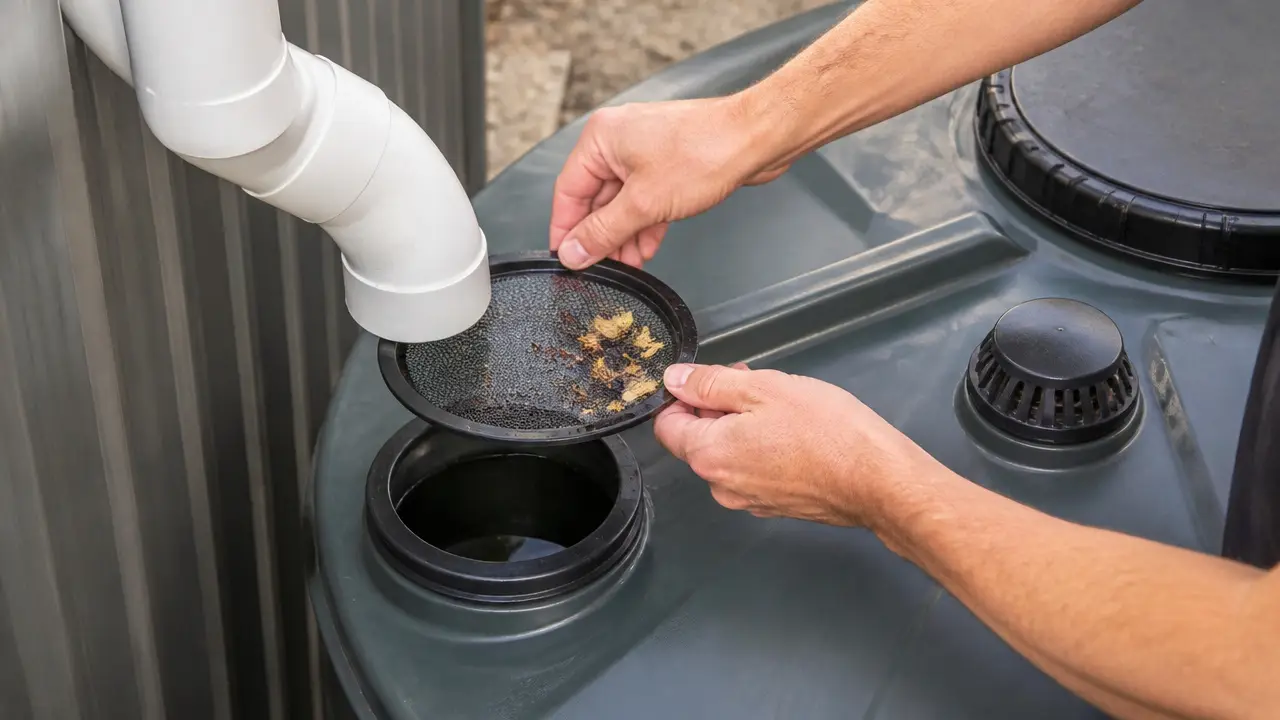
Neither size should be considered a complete water-treatment system. They are mainly used to remove visible or suspended debris such as grit, plant material, insects, and sediment.
100 Micron vs. 200 Micron Filter
| Feature | 100 Micron | 200 Micron |
|---|---|---|
| Filtration | Finer | Coarser |
| Debris removal | Smaller particles | Larger particles |
| Flow restriction | Usually higher | Usually lower |
| Cleaning frequency | May need cleaning sooner | Often stays open longer |
| Good for prefiltration | Yes | Very good |
| Good for protecting downstream filters | Very good | Good |
A 200-micron filter usually handles dirty incoming rainwater more easily. A 100-micron filter gives cleaner-looking water but may clog faster.
When a 200-Micron Filter Is Better
A 200-micron filter is often a good choice near the beginning of a rainwater system.
For example, you might install one:
- Before water enters a storage tank
- After a rain barrel or IBC tote
- Before a pump
- At the start of a garden irrigation system
Its main job is to catch larger debris without restricting water more than necessary.
This can be useful when roof runoff still contains small leaves, grit, bits of roofing material, insects, or other coarse material.
A 200-micron screen is also easier to keep flowing when large amounts of water pass through during a storm.
Good for high-flow systems
Finer filtration creates more resistance as debris builds on the screen.
A 200-micron filter can therefore be a practical choice where maintaining flow is more important than removing very fine sediment.
Actual flow depends on much more than micron rating, though. Filter size, screen area, pipe diameter, water pressure, and how dirty the water is all matter.
When a 100-Micron Filter Is Better
Choose a 100-micron filter when you need finer sediment removal.
It can work well:
- After a coarser prefilter
- Before irrigation valves or equipment with smaller passages
- Before another treatment stage
- Where fine grit is causing problems
For example, a rainwater system could use a coarse leaf screen at the roof, followed by a 200-micron filter, and then a 100-micron filter where finer filtration is useful.
Using filtration in stages can reduce how quickly the finer filter clogs.
Does a 100-Micron Filter Make Water Safer to Drink?
No.
A 100-micron filter is not fine enough to make untreated roof runoff safe for drinking. A 200-micron filter is not either.
Both are mainly sediment filters.
Roof-collected rainwater can contain microorganisms and contaminants that are far smaller than either filter can reliably remove. Contamination can also come from roofing materials, animal waste, dust, storage tanks, plumbing, and other parts of the system.
If rainwater will be used as drinking water, filtration should be treated as only one part of a complete system. Suitable collection, debris removal, proper storage, appropriate treatment stages, regular maintenance, current laboratory testing, and applicable local requirements all matter.
A micron number by itself does not establish that water is potable. Potable means suitable for drinking.
What Is Better for Rainwater Tanks?
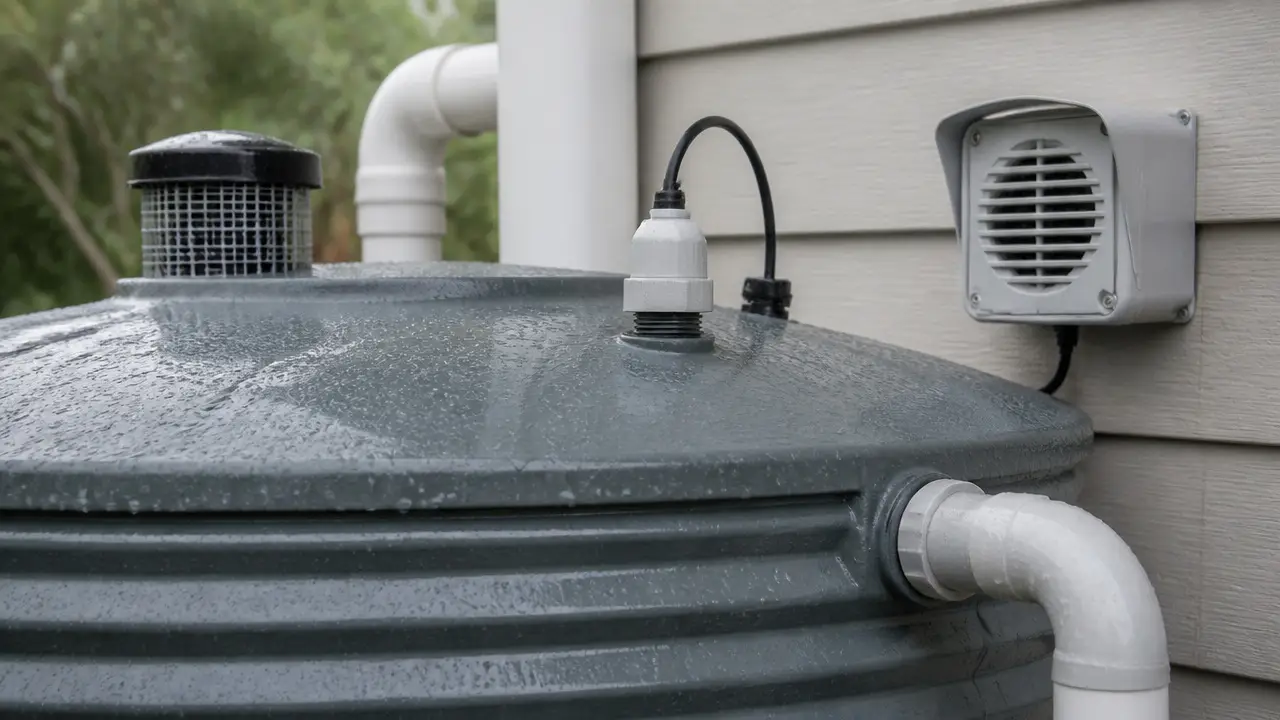
For many tank systems, a 200-micron filter makes sense as a first filtration stage.
Rainwater tanks tend to receive a mixture of coarse and fine debris. Removing the largest particles first helps keep finer filters from clogging quickly.
A basic arrangement might look like:
Roof and gutter → leaf screen → first-flush device → tank → 200-micron filter → pump or additional filtration
A first-flush device diverts some of the first roof runoff from a storm. That early water often carries more dust and debris than the water that follows.
Your exact layout may be different depending on where the pump, filters, tank outlets, and treatment equipment are located.
What Is Better for Garden Irrigation?
Either size can work, but the irrigation equipment matters.
A 200-micron filter may be enough for simple hoses or irrigation equipment with relatively large openings.
A 100-micron filter may be useful when smaller passages are being blocked by grit.
However, do not choose a filter only by guessing at the opening size. Drip irrigation manufacturers often specify the filtration needed for their emitters.
Using filtration that is much finer than necessary can create extra maintenance without improving irrigation performance.
Can You Use Both?
Yes. In many systems, using both makes more sense than choosing one.
Install the coarser filter first:
200 micron → 100 micron
Examine recommended rainwater filters for debris and sediment control to verify the treatment level needed for this particular home use.
The first filter catches larger debris. The second handles smaller particles.
This staged approach can help the 100-micron filter stay cleaner longer.
There is usually little benefit to putting the 100-micron filter first because it would catch both large and small debris and could clog quickly.
Consider Filter Size, Not Just Micron Rating
Two filters with the same micron rating can behave very differently.
A large filter with plenty of screen area may handle much more water and debris than a small filter.
When choosing one, also check:
Connection size
Make sure the inlet and outlet match your plumbing or can be connected with suitable fittings.
Reducing a large water line through a very small filter can restrict flow.
Flow rate
Flow rate is the amount of water moving through the system over a given time.
Pumps and irrigation systems may need a minimum flow rate. A filter should be large enough to handle that flow without creating excessive restriction.
Pressure rating
If the filter is installed after a pump, make sure it is designed for the pressure the system can produce.
Gravity-fed rain barrels and pressurized pump systems operate very differently.
Cleaning method
Screens commonly need rinsing or flushing as sediment builds up.
A filter that is easy to access and clean is usually more useful than a finer filter that rarely gets maintained.
Watch for Pressure Drop
As a filter becomes dirty, water has more difficulty passing through it.
This can cause:
- Reduced irrigation flow
- Lower pressure
- Pump performance problems
- Poor sprinkler operation
- Slow tank transfer
If flow improves after cleaning the filter, accumulated debris was probably causing part of the restriction.
How often cleaning is needed depends on roof cleanliness, prefiltration, rainfall, tank sediment, filter size, and water use.
Do You Need an Even Finer Filter?
Sometimes.
A 100-micron filter is still fairly coarse compared with filters used later in some water-treatment systems.
If the goal is removing very fine sediment, additional filtration may be needed.
But adding finer filters without a reason can create unnecessary pressure loss and maintenance.
Start by asking what the downstream equipment or intended water use actually requires.
Which One Should You Choose?
Choose a 200-micron filter when you mainly need to remove larger debris while maintaining good flow.
Choose a 100-micron filter when finer sediment is causing problems or downstream equipment needs better protection.
For many rainwater systems, a practical approach is:
Use 200 microns for coarse prefiltration and 100 microns as a second stage when finer filtration is needed.
The best filter is not automatically the one with the smallest micron number. It is the one that removes the debris causing problems without creating unnecessary flow restriction or maintenance.
Frequently Asked Questions
Is 100 microns finer than 200 microns?
Yes. A 100-micron filter can catch smaller particles than a 200-micron filter.
Will a 100-micron filter clog faster?
It can. Because its openings are smaller, fine sediment and larger debris can block the screen sooner. Good prefiltration can reduce this problem.
Is a 200-micron filter enough for a rain barrel?
It may be enough for coarse sediment removal, especially for garden watering. The right filtration depends on what equipment is connected downstream and how the water will be used.
Should I put a filter before or after my rainwater pump?
It depends on the pump and system design. Coarse screening is commonly used before a pump to keep large debris out, while finer filtration may be installed downstream. Follow the pump manufacturer's requirements because excessive suction restriction can damage some pump setups.
Can I use a 100-micron filter for drip irrigation?
Possibly. The correct filtration depends on the emitter or irrigation equipment. Check the equipment manufacturer's filtration requirement rather than choosing a micron rating by guesswork.
Does a 200-micron filter remove bacteria?
No. A 200-micron screen is designed mainly for much larger particles. It should not be relied on for microbiological treatment.
Does a 100-micron filter make rainwater potable?
No. A 100-micron filter alone cannot establish that roof-collected rainwater is safe to drink. Drinking-water use requires a suitable whole-system approach, appropriate treatment, maintenance, testing, and compliance with applicable local requirements.