As an affiliate, we may earn a commission from qualifying purchases. We get commissions for purchases made through links on this website from Amazon and other third parties.
Water filter housings can last for years, but they are not permanent parts. For many common plastic housings, a 5- to 10-year replacement window is a useful starting point. The exact limit should come from the housing manufacturer.
Some manufacturers give specific replacement periods. Pentair, for example, recommends replacing the bottom sump of certain clear plastic housings every 5 years and opaque housings every 10 years to reduce the risk of leaks or failure.
A housing may need replacement sooner if it is exposed to sunlight, freezing temperatures, excess pressure, heat, chemicals, or repeated rough handling.
It is also important to separate the filter housing from the filter cartridge. The housing is the reusable shell that holds the filter. The cartridge inside normally needs replacement much more often.
How Long Do Different Water Filter Housings Last?
There is no single lifespan that applies to every housing.
| Housing type | Practical approach |
|---|---|
| Clear plastic housing | Check manufacturer guidance; some specify about 5 years |
| Opaque plastic housing | Check manufacturer guidance; some specify about 10 years |
| Metal or stainless housing | Follow the manufacturer's service limits and inspect regularly |
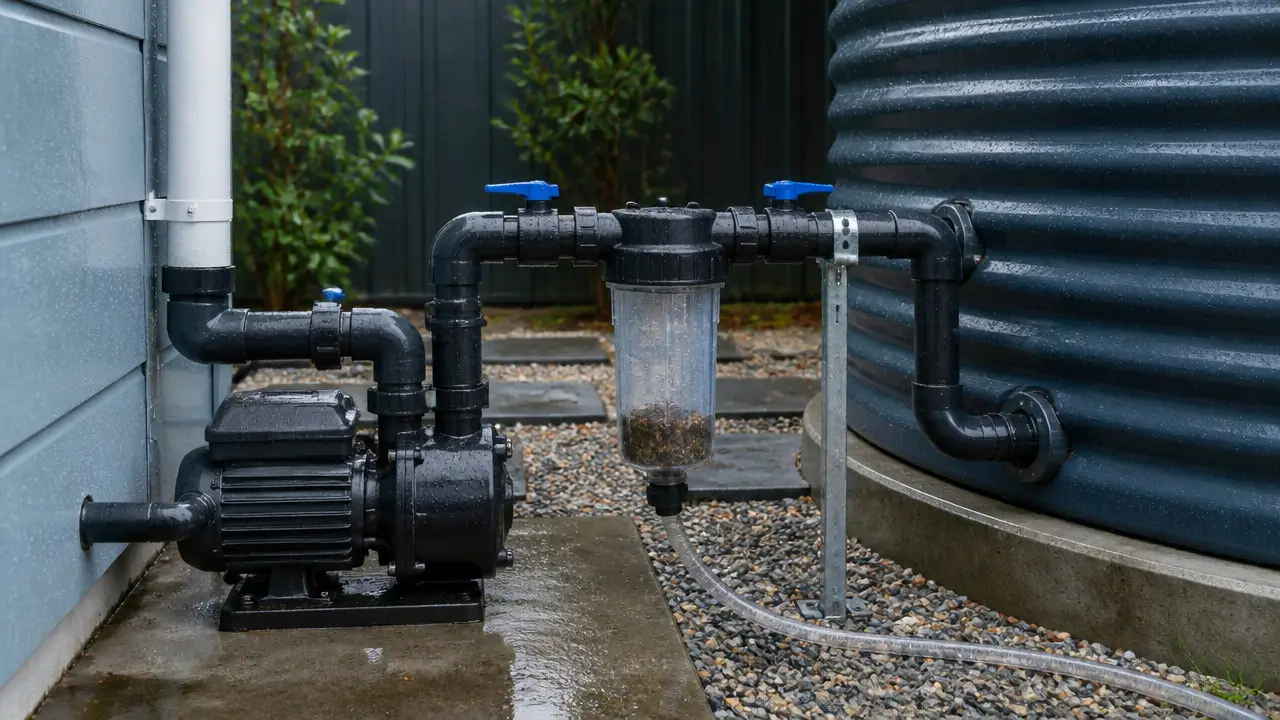
| Outdoor rainwater housing | May age faster because of sunlight, heat, cold, and freezing |
| Unknown or unmarked housing | Consider replacement if its age or pressure rating cannot be confirmed |
Pentair's instructions for some residential housings specifically call for replacing clear plastic sumps after five years and opaque sumps after ten. This is not a universal rule for every brand, but it shows why the housing itself should be considered a service item rather than permanent plumbing.
Always use the replacement interval in the manual for your exact housing when one is provided.
The Housing and Filter Cartridge Have Very Different Lifespans
A common mistake is to assume that changing the filter cartridge takes care of the whole filter assembly.
It does not.
The cartridge is the replaceable filter media inside the housing. Depending on the filter and water conditions, it may last only a few months. For example, some whole-house cartridges are specified for replacement every six months or sooner.
The housing may remain in service through many cartridge changes.
That makes every cartridge change a good time to inspect the housing, cap, threads, O-ring, pressure-relief parts, and mounting bracket.
What Shortens a Filter Housing's Life?
A housing can fail before its expected replacement date if operating conditions are hard on it.
Sunlight
Direct sunlight is especially important for outdoor rainwater systems.
UV light can weaken some plastics over time. Heat from direct sun can also increase the stress on a housing. Manufacturer instructions may specifically require installation away from direct sunlight.
If a filter is installed between a rainwater tank and garden irrigation system, place it in a shaded, ventilated location when the manufacturer's instructions allow it.
Do not simply paint or cover a housing unless doing so is compatible with its installation requirements.
Freezing
Water expands when it freezes.
If water remains trapped inside a filter housing during freezing weather, that expansion can crack the housing or damage its seals. Pentair warns that freezing can cause filter housings to crack and leak.
A housing that has frozen should be inspected carefully before it is repressurized. Hidden damage may not be easy to see.
Rainwater systems in freezing climates need a winter plan that covers the housing, pump, pipes, valves, and other water-filled parts.
Excess Water Pressure
Every pressure-rated housing has operating limits.
Pressure that exceeds those limits can stress the housing, threads, cap, and seals. Water hammer and sudden pressure changes can also place extra loads on the assembly.
Do not assume that all housings have the same pressure rating. Ratings vary by model, material, and temperature.
Use the manufacturer's limits for your exact unit.
Excess Heat
A housing made for cold water should not be used on a hot-water line.
Heat can change the strength of plastic and affect O-rings and other seals.
Some housings are specifically built for hot-water applications, while ordinary housings may not be.
Chemicals
Filter housings are made from materials such as polypropylene, acrylic-based plastics, stainless steel, and other materials.
Chemical resistance varies.
Watts, for example, uses polypropylene and acrylic styrene in some residential housings and describes their chemical resistance as a design feature.
That does not mean every housing can handle every chemical. If the water contains treatment chemicals or the housing will be cleaned with chemicals, follow the manufacturer's material and cleaning instructions.
Overtightening
Making a housing extremely tight does not necessarily make it safer.
The seal is normally made by the O-ring, not by forcing the housing threads together as hard as possible.
Excess force can damage threads, distort sealing surfaces, or make the housing difficult to remove during the next filter change.
Follow the manufacturer's tightening instructions and use the supplied housing wrench only as directed.
How to Tell When a Filter Housing Needs Replacement
Do not wait for a housing to split before replacing it.
Check it whenever you change the cartridge.
Look for:
- Cracks, even small ones
- Fine stress lines or crazing in clear plastic
- Bulges or changes in shape
- Damaged or worn threads
- Deep scratches around sealing surfaces
- Repeated leaks that continue after the O-ring is correctly serviced
- Corrosion on metal parts
- Damage from freezing
- Damage around mounting points
- A loose or damaged pressure-relief valve
- A housing that has passed the manufacturer's replacement date
Leaks around the housing do not always mean that the entire housing has failed. The O-ring may be dirty, damaged, twisted, dry, or incorrectly seated.
Pentair notes that the O-ring must sit correctly in its groove to form the watertight seal.
However, replacing an O-ring should not be used to keep a cracked, distorted, or expired housing in service.
Clear Housings May Need More Attention
Clear housings are useful because you can see the cartridge and sediment buildup.
That convenience has a tradeoff.
Some manufacturers specify a shorter replacement life for clear sumps than for opaque ones. Pentair's five-year recommendation for certain clear housings, compared with ten years for opaque housings, is one example.
Clear outdoor housings may also receive more light than opaque ones.
Study key facts about the lifespan of a whole house water filtration system to understand how the decision supports the whole collection process.
For a rainwater system, being able to see sediment can be helpful, but protecting the housing from sunlight is still important.
How Long Do Rainwater Filter Housings Last?
A rainwater filter housing does not automatically have a different lifespan from one used with another water source. Its life depends more on its material, design, pressure, location, and operating conditions.
Outdoor rainwater installations can be harder on housings because they may face:
- Direct sunlight
- Large temperature swings
- Freezing weather
- Dirt and insects around the installation
- Pump pressure changes
- Long periods without use
- Heavy sediment loads
Sediment does not usually mean the housing itself needs frequent replacement. It means the cartridge, screen, or other prefilter may need cleaning or replacement more often.
A good rainwater layout also keeps large debris out before water reaches a fine cartridge filter. A leaf screen, inlet screen, settling tank, or other prefiltration can reduce unnecessary loading on the cartridge.
How to Help a Water Filter Housing Last Longer
A few basic habits can reduce unnecessary wear.
Keep It Within Its Ratings
Match the housing to the system's pressure, temperature, connection size, and intended use.
A housing designed for a low-pressure garden system may not be suitable for a pressurized household supply.
Protect Outdoor Housings
Keep housings out of direct sunlight when required by the manufacturer.
Protect them from freezing and physical impacts.
Make sure pipes do not place unnecessary weight or twisting force on the filter head.
Inspect It During Every Filter Change
Cartridge changes provide a regular inspection schedule.
Look at the sump, cap, threads, O-ring groove, mounting bracket, and fittings before putting the system back into service.
Maintain the O-Ring
The O-ring makes the seal between the housing and cap.
Inspect it for flattening, cuts, stretching, or other damage. Replace it when needed.
Use only lubricant that is compatible with the O-ring, housing material, and intended water use.
Record the Installation Date
Write down when the housing was installed.
If the manufacturer specifies a five- or ten-year replacement interval, it is easy to lose track after years of cartridge changes.
A simple service label near the housing can show:
- Housing installation date
- Recommended housing replacement date
- Last cartridge change
- Cartridge type
This is especially useful in cabins and rainwater systems that are only used during part of the year.
Should You Replace an Old Housing That Still Looks Fine?
If it has reached a manufacturer-specified replacement age, replacement is the safer choice.
Plastic can lose strength without developing an obvious crack first. A housing is also a pressure vessel when used on a pressurized water line. Failure can release a large amount of water quickly.
Manufacturers may therefore specify replacement based on age even when the housing still appears usable.
If the age is unknown, inspect the model and look for a date code or installation record. If you cannot confirm the age or condition of an older pressure housing, replacing it may be more reasonable than assuming it is safe.
What About Drinking-Water Systems?
A new filter housing does not make rainwater or another untreated water source safe to drink.
The housing only holds a treatment cartridge or other filter element.
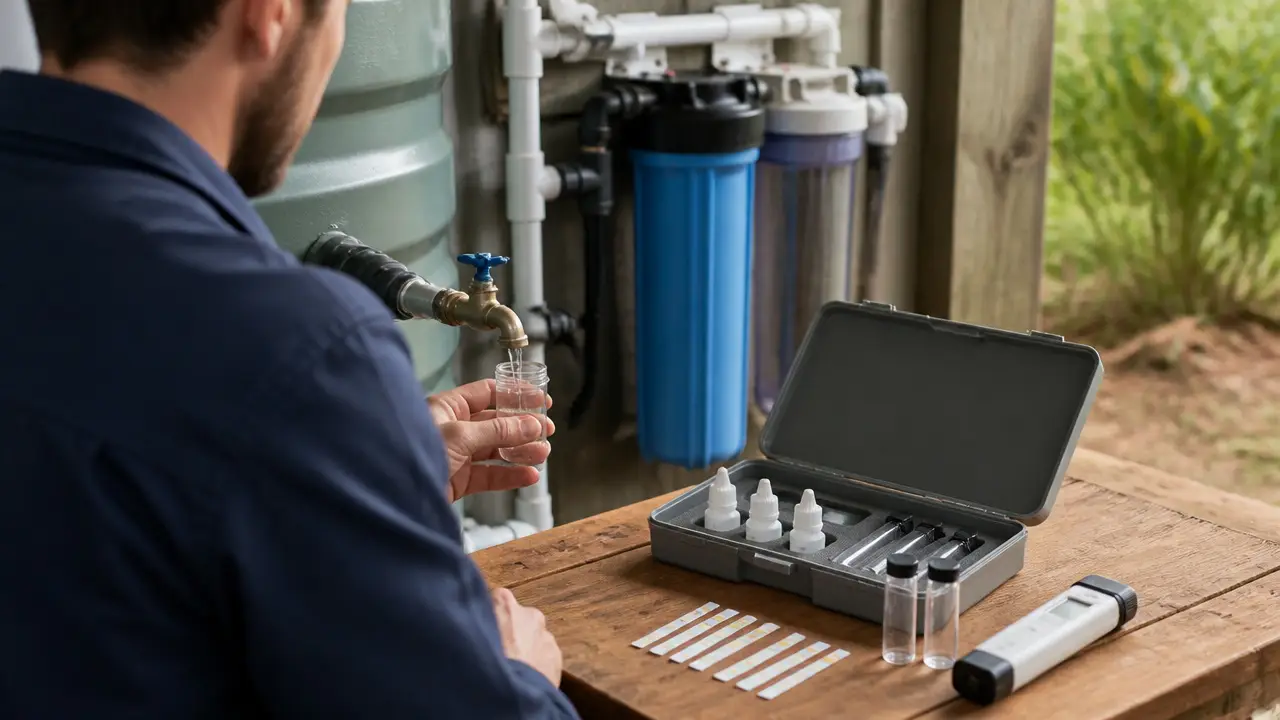
For potable water, meaning water intended for drinking or food preparation, safety depends on the whole system. Collection surfaces, storage, prefiltration, treatment stages, maintenance, plumbing materials, and appropriate water testing all matter.
Do not assume that replacing an old housing, installing a fine-micron cartridge, or making the water look clear establishes that the water is potable.
If collected rainwater will be used for drinking, follow current health guidance and local requirements and use appropriate laboratory testing and treatment planning.
When to Call a Professional
Changing a cartridge in a small, properly isolated filter can often be a simple maintenance job.
Get qualified help when the housing is part of:
- A high-pressure household system
- Complex pump and pressure-tank plumbing
- A potable rainwater treatment system
- Hot-water plumbing
- Electrical treatment equipment
- Plumbing with no safe way to isolate and depressurize the housing
- A system with repeated unexplained leaks or pressure problems
A leaking housing can sometimes indicate a plumbing or pressure problem rather than just a worn seal.
Frequently Asked Questions
Do water filter housings need to be replaced?
Yes. Many filter housings have a limited service life. Follow the manufacturer's replacement interval. Some manufacturers specify about five years for certain clear plastic housings and ten years for certain opaque housings.
Can a water filter housing last 20 years?
Some housings may remain intact for a long time, but age alone does not prove that a pressure housing is safe. If the manufacturer gives a shorter replacement interval, follow it rather than keeping the housing in service simply because it has not leaked.
How often should I inspect a filter housing?
Inspect it whenever you replace or service the filter cartridge. Check for cracks, damaged threads, deformation, leaking seals, corrosion, and other signs of wear.
How long does a clear filter housing last?
There is no universal lifespan. Some Pentair clear plastic sumps carry a recommended replacement interval of five years. Other models may have different requirements, so check the instructions for your exact housing.
Does the O-ring need replacement when the housing is replaced?
Not necessarily only at that time. The O-ring should be checked during every cartridge change and replaced whenever it is damaged, stretched, flattened, or no longer seals correctly.
Can freezing damage a water filter housing?
Yes. Water expands as it freezes and can crack a housing or damage seals. Manufacturers warn that filter systems should be protected against freezing.
Can I keep using a housing if it has a small crack?
No. A cracked pressure housing should not be put back into service. Depressurize the system safely and replace the damaged part with one suitable for the system's pressure, temperature, connections, and intended water use.