As an affiliate, we may earn a commission from qualifying purchases. We get commissions for purchases made through links on this website from Amazon and other third parties.
You can usually tell your gutters need cleaning when water stops moving freely toward the downspouts. Overflow during rain, visible leaves, slow drainage, plants growing in the gutter, and water spilling behind the gutter are all common warning signs.
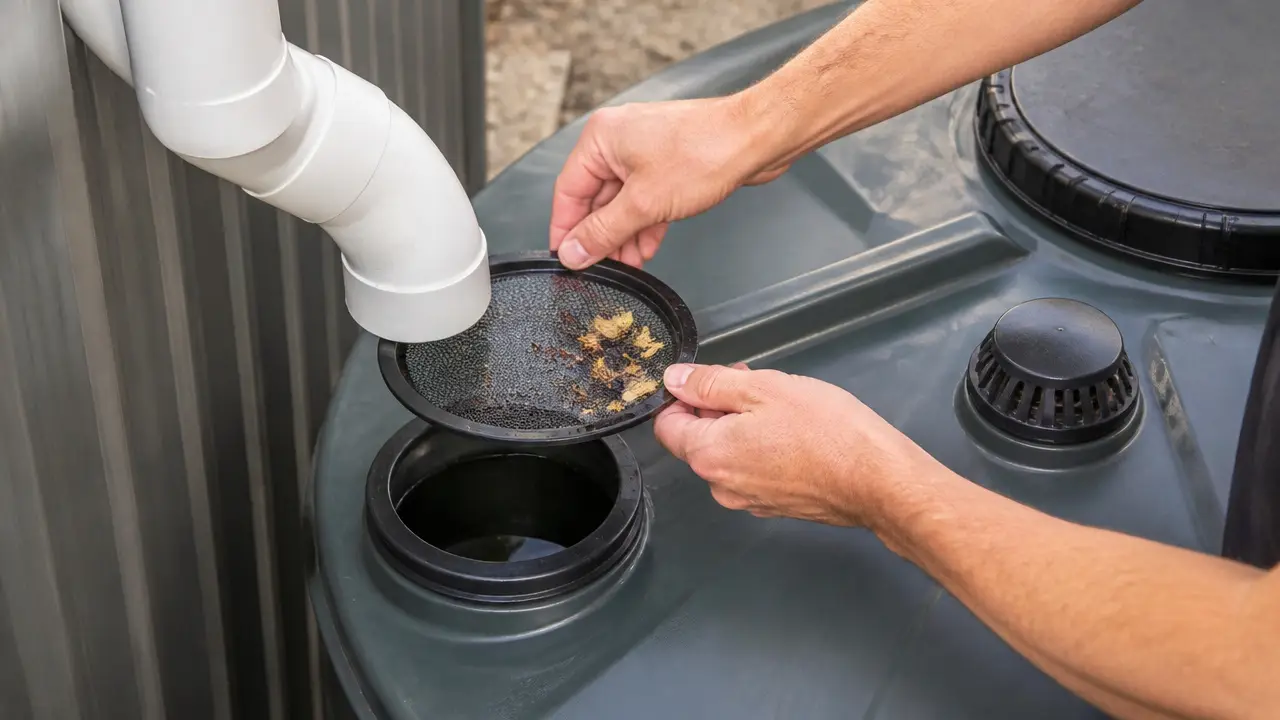
For a rainwater harvesting system, clean gutters matter even more. Debris can reduce collection, clog screens and downspouts, and send dirty organic material into your rain barrel, IBC tote, or cistern.
Signs Your Gutters Need Cleaning
Water Overflows During Rain
Watch the gutters during a moderate rainfall if you can do so safely from the ground.
Water should enter the gutter and move toward the downspout. Your gutters may be clogged if water:
- Spills over the front edge
- Pours over one small section
- Runs behind the gutter
- Backs up near a downspout
- Shoots over the gutter at a roof valley
Overflow does not always mean there is debris. A gutter can also overflow if it is too small for the roof area, installed at the wrong slope, damaged, or overwhelmed by very heavy rainfall.
But a clog is one of the first things to check.
You Can See Leaves or Other Debris
Visible debris is a clear sign that cleaning may be needed.
Common gutter debris includes:
- Leaves
- Pine needles
- Twigs
- Seeds
- Roof grit
- Moss
- Bird nesting material
- Dirt carried from the roof
A thin layer may not stop water immediately. Over time, however, wet organic material can form a dense mat that slows drainage.
Debris around the downspout opening is especially important because it can block the entire gutter run.
Plants Are Growing in the Gutter
Grass, weeds, or small plants growing from a gutter usually mean dirt and organic material have been sitting there for a long time.
Seeds can land in decomposed leaves and begin growing.
At this point, the gutter likely needs more than a quick rinse. The packed material usually needs to be removed so water can reach the outlet properly.
For rainwater collection, this material should not be allowed to wash into the storage tank.
The Downspout Has Little or No Flow
During rain, compare the amount of water entering the gutter with the amount leaving the downspout.
A clogged downspout may produce:
- A weak trickle
- Intermittent drainage
- Water backing up at the top
- No flow at all
The blockage may be at the gutter outlet, inside an elbow, or farther down the downspout.
If your downspout feeds a rain barrel or tank, also check the inlet screen and any diverter. A blocked screen or diverter can look like a gutter problem even when the gutter itself is clear.
Water Remains in the Gutter After Rain
Small droplets are normal. A noticeable pool of standing water is not.
Standing water can mean:
- Debris is blocking the outlet
- The gutter has sagged
- The gutter slope is wrong
- A hanger or bracket has failed
Gutters should normally drain toward their outlets rather than hold significant pools between storms.
Cleaning may solve the problem if debris is causing the blockage. If a clean gutter still holds water, the installation may need repair or adjustment.
The Gutter Is Sagging or Pulling Away
Wet leaves and sediment can become surprisingly heavy.
A gutter packed with debris may begin to:
- Sag between brackets
- Twist outward
- Pull away from the fascia
- Leak at joints
- Hold standing water
Cleaning removes the added weight, but damaged brackets or fascia may also need repair.
Do not assume cleaning alone will fix a gutter that is loose or badly deformed.
You See Stains Below the Gutter
Look for signs that water has been going somewhere it should not.
Possible clues include:
- Dirty streaks on siding
- Water marks on fascia boards
- Soil washed away below the roof edge
- Splash marks near the foundation
- Mold or algae growth around repeated overflow areas
These signs can indicate that the gutter has been overflowing for some time.
They can also result from leaks or poorly positioned downspouts, so inspect the system rather than assuming debris is the only cause.
Your Rainwater Tank Is Receiving Less Water
A sudden reduction in collected rainwater can sometimes point to a gutter or downspout restriction.
If rainfall seems normal but much less water reaches your tank, check the collection path:
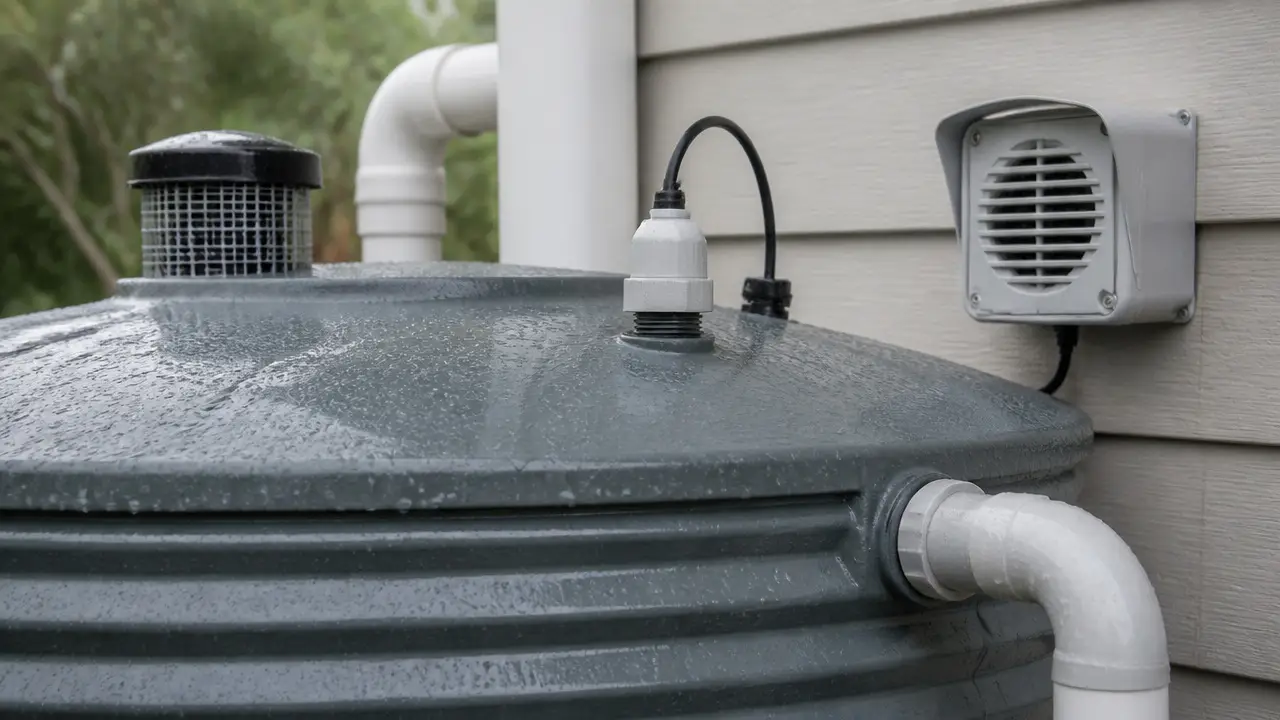
Roof → gutter → downspout → leaf screen → first-flush device or diverter → tank inlet
A blockage anywhere along that route can reduce collection.
A first-flush device diverts some of the initial roof runoff away from the storage tank. This first runoff may carry dust, leaves, droppings, and other material washed from the roof.
Do not assume poor collection always means dirty gutters. Leaks, disconnected fittings, blocked screens, closed valves, and overflowing diverters can cause similar problems.
Your Tank Screens Keep Clogging
Frequent debris on a tank inlet screen can indicate that too much material is getting through the gutter system.
You might find:
- Leaf fragments
- Pine needles
- Roof granules
- Seeds
- Insects
- Organic sludge
Cleaning the storage-tank screen is important, but also work upstream.
Removing debris before it enters the downspout is usually easier than repeatedly removing it from the rainwater storage system.
How Often Should Gutters Be Checked?
There is no single cleaning schedule that works for every house.
How quickly gutters fill depends on:
- Nearby trees
- Tree species
- Roof shape
- Roof pitch
- Wind
- Seasonal leaf fall
- Storm frequency
- Moss or plant growth
- Whether gutter guards are installed
A house surrounded by trees may need attention much more often than a house in an open area.
Details about gutter-guard performance in rainwater systems help understand debris control at gutter outlets and downspout entries.
Instead of relying only on a calendar, inspect the gutter system periodically and after conditions likely to deposit large amounts of debris.
Pay particular attention after heavy leaf fall, strong winds, and major storms.
Do Gutter Guards Eliminate Cleaning?
No.
Gutter guards can reduce the amount or size of debris entering a gutter, but they do not make the system maintenance-free.
Depending on the guard design, material can collect:
- On top of the guard
- Along its edge
- Underneath it
- Around the downspout opening
Fine material such as pollen, roof grit, seeds, and decomposed leaves may still enter.
For rainwater harvesting systems, gutter guards should be treated as one part of debris control rather than a substitute for inspection.
Why Clean Gutters Matter for Rainwater Harvesting
The gutter is part of your water collection system.
When gutters contain decaying leaves and other material, rainwater can carry more organic debris toward your storage tank.
That can contribute to:
- Sludge buildup
- Clogged screens
- Reduced tank capacity
- Unpleasant odors
- More frequent maintenance
- Increased nutrient levels that can support biological growth
Keeping gutters clean does not make collected rainwater safe to drink. Roof runoff can contain microorganisms, animal waste, chemicals, roof material residues, and airborne contamination even when the roof and gutters look clean.
Drinking-water use requires a suitable collection system, appropriate treatment stages, ongoing maintenance, current water testing, and compliance with applicable local requirements.
Check the Whole Collection Path
If you use your gutters to collect rainwater, do not stop your inspection at the gutter itself.
Check accessible parts of the system, including:
Gutter outlets
Make sure leaves are not packed around the opening.
Downspouts
Watch for slow flow or water backing up.
Leaf screens
Remove accumulated debris before it blocks runoff.
First-flush components
Make sure they can drain and reset as intended by their design.
Tank inlet screens
Keep them intact and clear enough for water to enter.
Overflow outlets
Make sure the tank can safely discharge excess water away from structures where required.
A clean gutter will not help much if the next part of the collection system is blocked.
Be Careful With Ladders and Roof Access
You do not need to climb onto the roof just to decide whether cleaning is needed.
Many warning signs can be seen safely from the ground, especially during rain.
If cleaning requires a ladder, steep roof access, awkward reaching, working near electrical lines, or reaching over multiple stories, consider using a qualified gutter-cleaning professional.
Avoid leaning far sideways from a ladder to reach another section. Repositioning equipment is safer than trying to stretch farther.
Damaged roofs, loose gutters, wet surfaces, and uneven ground can add more risk.
When Cleaning May Not Be Enough
If the gutter is clear but drainage problems continue, the issue may be the system itself.
Possible problems include:
- Incorrect gutter slope
- Too few downspouts
- Undersized drainage components
- Loose hangers
- Crushed downspouts
- Damaged elbows
- Leaking joints
- Roof valleys concentrating large flows in one spot
A gutter or roofing professional can help diagnose problems that continue after debris has been removed.
Frequently Asked Questions
How can I tell if my gutters are clogged without using a ladder?
Watch them during rain from a safe location. Overflow, water running behind the gutter, and very little water coming from a downspout can all indicate a blockage.
Does gutter overflow always mean the gutter needs cleaning?
No. Debris is common, but overflow can also result from damaged gutters, poor slope, undersized components, or very intense rainfall.
Should there be standing water in a gutter?
A few drops are normal, but significant pools that remain after rain can indicate debris, sagging, or an incorrect gutter slope.
Do gutters need cleaning if they have gutter guards?
Usually they still need inspection and occasional cleaning. Fine debris can enter the gutter, and larger debris can collect on top of or around the guards.
Can dirty gutters affect rainwater collection?
Yes. Debris can restrict flow, reduce the amount of water reaching your tank, clog screens, and increase sediment and organic material entering the system.
Will cleaning my gutters make collected rainwater safe to drink?
No. Clean gutters are only one part of water-quality management. Roof runoff can still contain microorganisms and other contaminants. Drinking-water systems require suitable collection, treatment, maintenance, testing, and attention to local requirements.
Why is my downspout barely flowing when the gutter looks clean?
The blockage may be inside the outlet, an elbow, the downspout itself, or a rainwater diverter or screen farther downstream.