
As an affiliate, we may earn a commission from qualifying purchases. We get commissions for purchases made through links on this website from Amazon and other third parties.
Best Overall
Best Water Wand
Best Long-Reach Scraper
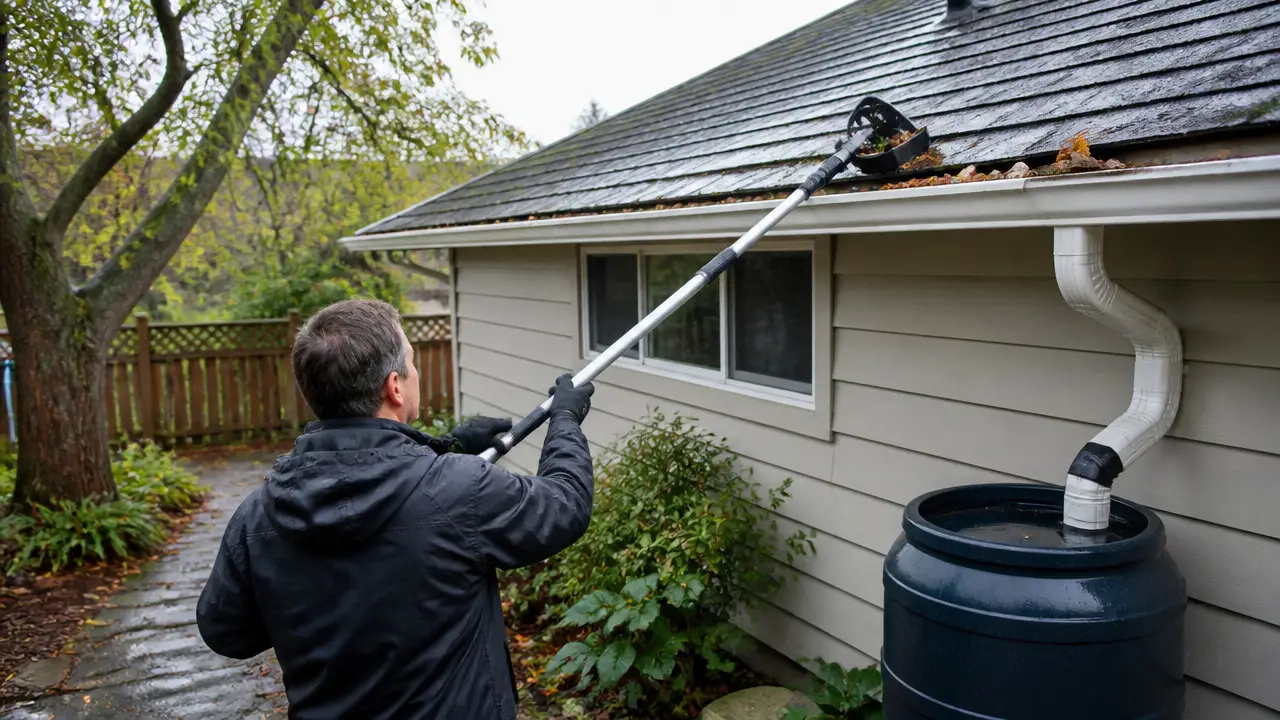
Clean gutters matter more in a rainwater system than they do in a normal drainage setup because whatever stays in the gutter can eventually reach the diverter, screen, first-flush device, tank inlet, or storage water. Leaves are obvious, but wet organic sludge, roof grit, seeds, and small twigs can create just as much maintenance downstream.
The best cleaning method depends on the debris. Dry leaves are often easier to vacuum or scoop out before adding water. Packed sludge may need scraping. A water wand is useful for a final rinse, but flushing a gutter full of debris straight toward the rain barrel can simply move the clog into the downspout or tank inlet.
Whenever practical, use a ground-based tool that reaches the gutter safely. High roofs, steep sites, and jobs that require awkward ladder positioning are better handled with proper access equipment or a qualified professional.
Gutter Cleaning Tools at a Glance
| Product | Best For | Main Strength | Main Tradeoff |
|---|---|---|---|
| Sealegend Wet/Dry Vac Attachment | Removing dry leaves and seeds | Uses a 2-1/2-inch wet/dry vac and reaches about 5.6 ft beyond the hose | Requires a compatible vacuum and limited ground reach |
| Orbit Telescoping Gutter Wand | Final water rinse | Extends 40–70 in with a 180-degree rotating nozzle | Water pressure may not move packed leaves; plastic joints can fail |
| Gutter Cleaning Spoon and Scoop | Pulling debris toward one access point | Hooks under hangers and can reduce ladder repositioning | Large tool can be heavy and awkward in some gutters |
| Reinforced Gutter Scoop | Close-range manual removal | Fits common 5- and 6-inch residential gutters | Requires direct gutter access and can catch on hangers or narrow channels |
Remove Bulk Debris Before You Flush
For rainwater harvesting, a dry-first cleaning routine is usually cleaner. Remove leaves, seeds, and packed material, then rinse the remaining grit toward a disconnected downspout or controlled drain path rather than straight into storage.
If the rain barrel or tank is connected during cleaning, close or bypass the collection route where your system allows. A large slug of gutter sludge can overwhelm a small inlet screen and send dirty water into storage.
Also clean the downspout entrance after the gutter trough is clear. That transition point is where leaves often compact and block flow.
A Wet/Dry Vac Attachment for Dry Debris
1 / 4
Sealegend 2-1/2-Inch Wet/Dry Vac Gutter Attachment

Vac Connection
2-1/2 in
Reach
About 5.6 ft attachment length
Use
Dry leaves and loose gutter debris
Tool Needed
Compatible wet/dry vacuum
The Sealegend attachment is the most useful first tool for a rainwater collection system because it removes debris instead of washing it downstream. It connects to a 2-1/2-inch wet/dry-vac hose and extends the vacuum path upward so loose leaves, maple seeds, and dry gutter material can be collected before they reach the downspout.
Reported use supports that role well. The attachment has removed light gutter debris successfully when the eaves were within reach from the ground, and it has worked with common wet/dry vacs using the correct hose size. That makes it especially useful for single-story sections where you can stay on the ground.
The limitation is reach. The attachment itself is about 5.6 feet, so it will not turn every vacuum into a high-roof system. Wet, compacted sludge may also be too heavy for simple suction and may need another cleaning method first.
Why It Works
- Removes debris instead of flushing it into the downspout.
- Fits common 2-1/2-inch wet/dry-vac hose systems.
- Lightweight extension is practical for reachable eaves.
- Works well on dry leaves, seeds, and loose material.
What To Keep In Mind
- Check the vacuum hose diameter before buying.
- Reach is limited on taller homes.
- Wet packed gutter sludge can require scraping before vacuuming.
A Telescoping Water Wand for the Final Rinse
2 / 4
Orbit Telescoping Gutter Cleaning Wand

Extension
40 to 70 in
Nozzle
180-degree rotating zinc sweeper
Grip
Padded foam
Method
Garden-hose water spray
The Orbit wand is better as a finishing tool than as the first attack on a gutter full of leaves. It extends from 40 to 70 inches, and the rotating sweeper nozzle lets you aim water along the gutter channel instead of spraying only straight ahead.
That angled head makes it easier to rinse roof grit and small remaining debris after larger material has been removed. Reported results range from very effective flushing to only partial leaf removal, which fits the tool's real strength: water can move loose material well but is less reliable against packed leaves and decomposed gutter sludge.
Durability is the concern. Plastic connection points have broken early in some use, and the wand can feel heavy when held overhead for a long time. Use it with controlled water flow and do not force the joints while the pole is extended.
Why It Works
- Telescoping shaft adds reach without a separate extension pole.
- Rotating nozzle directs the rinse along the gutter.
- Useful for final grit and residue removal.
- Foam grip makes a cold-water hose tool more comfortable to handle.
What To Keep In Mind
- Water alone may not remove packed leaves.
- Plastic unions have failed during use.
- Disconnect or bypass rainwater storage before flushing dirty gutter water downstream.
A Long-Reach Spoon for Pulling Debris Toward You
3 / 4
Gutter Cleaning Spoon and Scoop

Attachment
Fits many extension poles
Head
Hooked spoon/scoop
Reach Strategy
Pulls debris toward one position
Storage
Can hang from ladder rung
The Gutter Cleaning Spoon is useful when debris is trapped under hangers or packed into sections you cannot reach comfortably by hand. Its hooked head is designed to pull material toward you, allowing a longer gutter section to be cleaned from one access point instead of moving the ladder every few feet.
That can reduce repositioning, but it does not make ladder work automatically safe. Users report that the tool can save time and reach around crossbars, yet it can also feel large or heavy and may not fit every gutter shape or extension-pole connection.
For a rainwater system, it is especially useful before rinsing because it can pull out wet leaf mats that would otherwise head straight for the downspout.
Why It Works
- Hooked shape reaches around gutter hangers.
- Pulls debris toward one working position.
- Attaches to many extension poles.
- Useful for compacted material that a water spray leaves behind.
What To Keep In Mind
- Check pole attachment compatibility.
- Large head may not fit narrow gutter spaces.
- If ladder access is required, use proper ladder practices and avoid overreaching.
A Reinforced Scoop for Direct Manual Cleaning
4 / 4
Reinforced Gutter Scoop

Gutter Fit
Most 5 and 6 in residential gutters
Capacity
4.2 cup product claim
Edge
Rigid scraping edge
Use
Direct manual debris removal
A basic scoop is still one of the fastest ways to remove heavy, wet gutter material when you already have safe direct access. This reinforced model is shaped for common 5- and 6-inch residential gutters and uses a rigid front edge to loosen packed debris rather than forcing you to scrape it out by hand.
Fit is its biggest limitation. Narrower gutters, gutter nails, hangers, and roof-shingle overhang can block the scoop or force it to come out at an awkward angle. When that happens, some debris falls back into the gutter.
It ranks last because it usually requires close gutter access, but it is effective for the dirty material that vacuums and water wands handle poorly.
Why It Works
- Reinforced scoop removes wet leaves and decomposed material quickly.
- Rigid front edge can loosen stuck gutter sludge.
- Shape targets common residential gutter widths.
- Keeps hands out of the wet debris.
What To Keep In Mind
- Measure gutter clearance around hangers and roof overhang.
- Direct access may require ladder work.
- Do not overreach from a ladder just to avoid repositioning it.
A Practical Cleaning Order for Rainwater Harvesting
1. Disconnect Collection
Keep the cleaning flush out of the storage tank where your system design allows. Protect the tank inlet from concentrated gutter debris.
2. Remove Dry Material
Vacuum or scoop leaves, seeds, and loose debris before adding water.
3. Loosen Packed Sludge
Use a scoop or hooked scraper on material that has compacted beneath hangers and at downspout openings.
4. Clear the Downspout Entrance
Make sure the outlet from gutter to downspout is open before rinsing.
5. Rinse Light Residue
Use a controlled water spray to move remaining grit, then watch the outlet for steady drainage.
6. Recheck Rainwater Screens
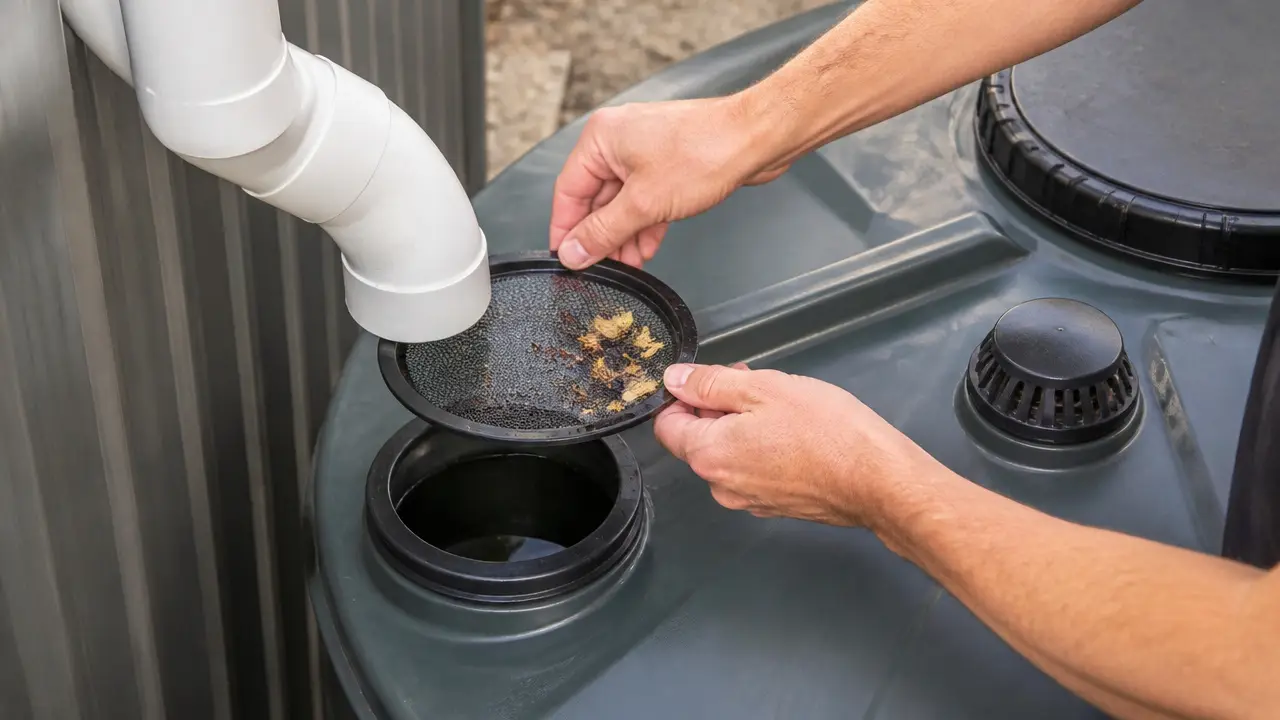
Clean the diverter, first-flush device, and tank inlet screen before reconnecting storage.
How Often Should Rainwater Gutters Be Cleaned?
There is no single schedule. A roof under deciduous trees may need attention several times in a season, while an open roof may stay clear much longer.
Inspect after heavy leaf drop, windstorms, seed season, or any time water spills over the gutter edge. In a rainwater system, reduced tank inflow can also signal a clogged screen, downspout, or diverter even when the gutter looks clear from the ground.
Frequently Asked Questions
What is the safest way to clean gutters without getting on the roof?
Use a ground-based vacuum, telescoping wand, or extension-pole tool when the gutter height and layout allow it. Tall or difficult roofs may require proper access equipment or professional cleaning.
Should I pressure-wash gutters connected to a rain barrel?
Avoid sending a heavy dirty flush straight into storage. Remove bulk debris first and bypass or protect the collection system during cleaning when possible.
Is a gutter scoop better than a water wand?
They do different jobs. A scoop removes wet packed material, while a water wand is better for rinsing lighter residue after the gutter is mostly clear.
Can a wet/dry vacuum clean gutters from the ground?
Yes when the hose and attachment can reach the gutter safely. Dry leaves and seeds are easier to vacuum than heavy wet sludge.
Why do clean gutters matter for rainwater harvesting?
Cleaner gutters reduce leaves, organic sludge, and roof debris reaching the downspout, screens, first-flush stage, and storage tank.
Should I clean the downspout too?
Yes. The gutter outlet and upper downspout are common clog points, and a clear gutter cannot drain properly through a blocked downspout.
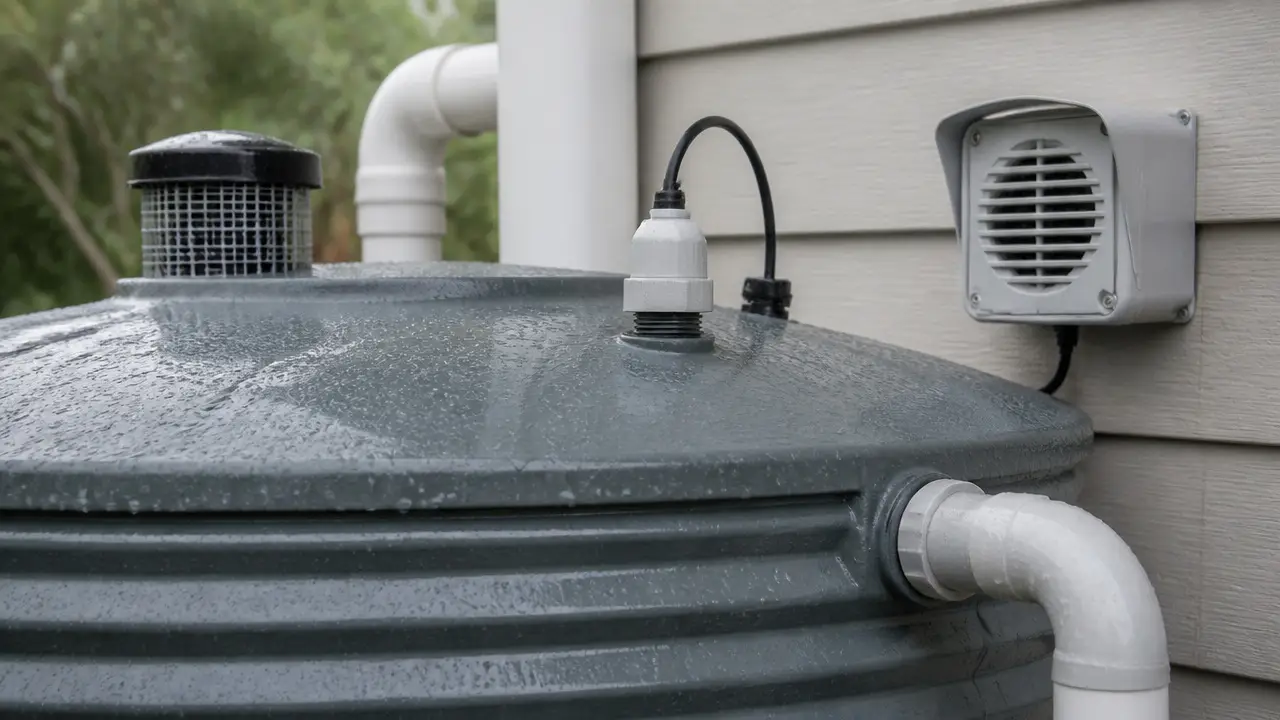
After the gutter is clear, rain barrel screens can help stop remaining debris at storage. If you use an open-top barrel, rain barrel covers add broader mesh protection against leaves and insects. For a roof-to-barrel connection that diverts water into storage, rainwater harvesting kits cover common diverter-style setups. And if dirty gutter water has been entering the barrel, the main rain barrel guide explains cleaning access, inlet design, and overflow considerations when choosing the container itself.