As an affiliate, we may earn a commission from qualifying purchases. We get commissions for purchases made through links on this website from Amazon and other third parties.
Best Overall
Best for 1-Inch Pipe
Best 3/4-Inch NPT Kit
A float valve can keep a tank at a set level without someone standing nearby with a hose. In a rainwater system, that may be useful for a backup mains-water fill, a header tank, an irrigation reservoir, or another non-rain supply that needs to stop automatically when the container fills.
The first thing to match is the supply connection. The valves here use 3/4-inch garden-hose or pipe-style connections except for the Hudson model, which uses a 1-inch female pipe connection. The thread and pressure need to match the incoming line before housing material or bracket design matters.
A float valve can also fail open. Treat overflow planning as a separate safety layer. The tank needs a working overflow path even when the valve is supposed to shut off automatically, especially if the supply can continue indefinitely.
Quick Comparison
| Float Valve | Best For | Connection | Pressure Detail | Main Tradeoff |
|---|---|---|---|---|
| Little Giant Aluminum Trough-O-Matic | Simple garden-hose supply | 3/4-in garden hose | 20-50 psi | Check inlet threading and protect from freezing |
| Hudson 718H | 1-in pipe-fed tanks | 1-in FNPT | Match supply pressure to valve limits | Shutoff reliability and float condition need inspection |
| JIANBENKJ Float Valve | 3/4-in NPT plumbing | 3/4-in NPT | 20-50 psi | Thread sealing and leak risk need attention |
| Little Giant Plastic Trough-O-Matic | 3/4-in alternative with plastic housing | 3/4-in connection | 20-50 psi | Sun exposure and sticking can shorten service life |
A Float Valve Is Only as Good as Its Connection
Garden hose thread and NPT are different. A 3/4-inch garden-hose connection seals with a washer at the face. A 3/4-inch NPT joint uses tapered pipe threads and appropriate sealing methods. Trying to force one onto the other can create a connection that appears close but leaks under pressure.
A 1-inch female pipe valve needs a matching male pipe fitting or a properly selected reducer. Do not buy a larger valve and improvise several weak adapters simply because the valve body looks more substantial.
Pressure matters too. Several valves here are documented around 20-50 psi service. If the supply pressure can exceed the valve's limit, use the correct pressure-control approach upstream rather than expecting the float mechanism to absorb excess pressure.
A Garden-Hose Float Valve With Aluminum Housing
1 / 4
Little Giant Aluminum Trough-O-Matic Float Valve

Supply Connection
3/4-in garden hose
Operating Pressure
20-50 psi
Maximum Flow
Up to 245 GPH
The aluminum-housing Little Giant Trough-O-Matic is the most straightforward option when the water supply already ends in a standard 3/4-inch garden hose. The valve mounts at the tank edge and uses the float to control the incoming water level. Its documented operating range is 20-50 psi with flow up to 245 gallons per hour.
That hose-ready layout reduces adapter work. It is meant for many plastic and metal tanks, barrels, and troughs and includes expansion brackets to help mount the housing. For a rainwater-related reservoir that needs an automatic backup fill, the simple connection is its biggest advantage.
Inspect the inlet before installation. At least one unit arrived with an inlet that was not properly threaded, and early housing or mechanism failures are possible. The product is also intended for above-freezing use. If the water line or valve can freeze, shut down and drain the system according to the installation requirements rather than relying on the float to protect itself.
Why It Works
- Connects directly to a standard 3/4-inch garden hose.
- Documented 20-50 psi range suits many ordinary pressurized supply lines when pressure is controlled.
- Up to 245 GPH gives enough refill capacity for many storage and trough-style applications.
What To Keep In Mind
- Inspect the threaded inlet before putting the tank back into service.
- Not a substitute for a separate overflow path.
- Protect the valve and supply line from freezing conditions.
A Compact 1-Inch Pipe Valve
2 / 4
Hudson 718H Tank Valve

Connection
1-in FNPT
Body Size
About 3-3/4-in diameter x 5-in high
Design
Self-contained float valve
The Hudson 718H has a distinct fit advantage when the supply plumbing is already 1-inch pipe. Its compact self-contained float mechanism takes less horizontal space than a long external float arm, so it can fit into reservoirs where a conventional ball float would interfere with a lid or nearby plumbing.
The 1-inch female pipe connection is also useful for systems where a high-flow supply is already built in that size. It can be adapted down when necessary, but the cleanest installation is one where the existing line matches the valve rather than stacking several reducers.
Shutoff reliability is the main caution. Some users have had long service from this valve, while others received crooked floats or units that would not close fully. Test the valve while the tank is supervised, and keep the overflow route active. A float mechanism that fails closed is inconvenient; one that fails open can waste a large amount of supplied water.
Why It Works
- 1-inch FNPT connection fits larger pipe-fed tank layouts.
- Compact self-contained float takes less room than a long float arm.
- Rust-resistant body design suits wet tank environments.
What To Keep In Mind
- Inspect float alignment before installation.
- Test full shutoff under actual supply pressure.
- Keep a manual shutoff accessible upstream for maintenance or valve failure.
A 3/4-Inch NPT Kit With Mounting Hardware
3 / 4
JIANBENKJ Water Trough Float Valve

Connection
3/4-in NPT
Operating Pressure
20-50 psi
Included Hardware
Float / housing / bracket / screws
The JIANBENKJ valve is the best fit here when the incoming line uses 3/4-inch NPT rather than a garden-hose end. It includes the float, housing, mounting bracket, screws, and PTFE tape, giving you the main mechanical parts for a tank-edge installation.
The documented operating range is 20-50 psi with flow up to 245 GPH. The external orange float makes the water-level action easy to see during setup, and the metal bracket can be positioned on a compatible tank edge without cutting a large through-wall opening.
Leaks are the recurring risk. A pipe fitter may still struggle with a valve if the threads, seals, or molded body are imperfect. Start the threads by hand and make sure the joint tightens normally. Do not keep adding force to a plastic body that is cross-threaded or poorly formed. The prepared material and overall dimension details conflict, so connection size, pressure range, included hardware, and operating role are the useful comparison points.
Why It Works
- 3/4-inch NPT connection fits common pipe-fed layouts.
- Bracketed external float can be installed without a complex internal mechanism.
- Main mounting pieces are included in the kit.
What To Keep In Mind
- Thread sealing and molded-thread quality deserve careful inspection.
- A leak or failed shutoff can continue as long as the supply remains on.
- Use the supported connection and pressure details rather than conflicted material claims.
A Plastic-Housing 3/4-Inch Alternative
4 / 4
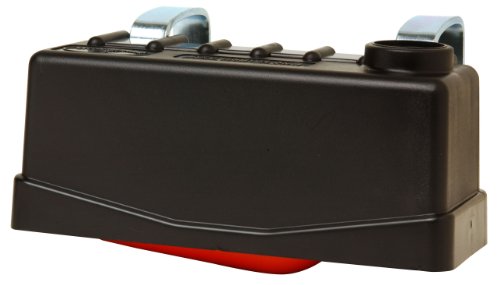
Little Giant Plastic Trough-O-Matic Float Valve
Connection
3/4-in
Operating Pressure
20-50 psi
Maximum Flow
Up to 245 GPH
The plastic-housing Trough-O-Matic performs the same basic automatic-fill job as the aluminum version but uses a high-grade plastic housing. It accepts a 3/4-inch supply connection and is documented for 20-50 psi with flow up to 245 GPH.
This model makes sense when a nonmetal housing is preferred or when it is already the familiar replacement on an existing tank. Users have kept them working for years when the installation protects the valve from harsh exposure and physical abuse.
Sun, sticking, and leakage are the main concerns. Plastic housings can age faster in strong UV exposure, and the float mechanism can stick in a position that either stops refill or allows flooding. Keep the moving parts clear, inspect the valve during normal tank maintenance, and do not assume a valve that worked last season will always shut off correctly after sitting unused.
Why It Works
- Familiar 3/4-inch automatic-fill layout for plastic and metal tanks.
- Up to 245 GPH provides useful refill capacity.
- Plastic housing avoids an exposed aluminum outer shell where that is preferred.
What To Keep In Mind
- Protect from prolonged harsh sun when possible.
- Inspect the float for free movement and full shutoff.
- Overflow plumbing remains necessary even with automatic level control.
Add a Manual Shutoff Upstream
An automatic float valve should not be the only way to stop the supply. A manual shutoff gives you a simple way to isolate the valve for cleaning, replacement, winter shutdown, or a leak.
Place it where it remains accessible when the tank is full. A shutoff buried behind a tank or under a fixed cover is much less useful during a failure.
If the backup supply is potable mains water feeding a rainwater system, backflow and cross-connection requirements can apply. Use the required air gap or approved backflow arrangement for your location rather than directly tying potable plumbing into stored rainwater without protection.
Set the Water Level Below the Overflow
The float should close the supply before water reaches the overflow inlet. Leave enough vertical difference that waves, delayed valve closure, and small level changes do not make the overflow run every time the tank refills.
Test the setup under actual supply pressure. Watch the tank fill until the valve closes, then check for continued seepage. A valve that slowly passes water after shutoff can still overflow a tank over several hours.
Keep the Float Free to Move
Tank walls, lids, hoses, screens, and internal plumbing can block a float. Make sure the full travel path is clear at both high and low water levels.
Sediment or mineral buildup can also affect the valve seat. Inspect and clean according to the manufacturer's directions. If the supply contains debris, suitable upstream screening can reduce valve problems.
Frequently Asked Questions
Can I use a float valve to keep a rainwater tank full with mains water?
Potentially, but the connection must meet local plumbing and backflow rules. Potable mains water should not be directly cross-connected to stored rainwater without the required protection.
What size float valve do I need?
Match the supply pipe or hose first, then check the valve's pressure and flow. The options here use 3/4-inch or 1-inch connections.
Is garden hose thread the same as 3/4-inch NPT?
No. A garden-hose connection and 3/4-inch NPT use different thread forms and sealing methods. Use the correct adapter rather than forcing them together.
What happens if a float valve fails?
It can fail closed and stop refill, or fail open and keep adding water. A working overflow path and accessible manual shutoff reduce the consequences of a failed-open valve.
Why does my float valve leak after it shuts off?
Possible causes include debris on the valve seat, poor float adjustment, excessive supply pressure, damaged seals, or a float that cannot move through its full travel.
Can a float valve be used outdoors in winter?
Only when the valve, line, and installation are designed for freezing conditions. Several exposed tank valves need to be shut down and drained before freezing weather.
Does a float valve measure tank level?
It controls water level mechanically but does not give you a numerical level reading. For remote or graduated monitoring, use a separate tank-level gauge or electronic monitor.
For a numerical tank reading instead of simple mechanical shutoff, water tank level gauges show dedicated level indicators. Remote monitoring is covered in wireless water tank level monitors. If the system needs an electrical level signal rather than a water valve, water level alarms provide another control layer. For the plumbing downstream of the tank, ball valves for rainwater tanks cover manual shutoff options.