
As an affiliate, we may earn a commission from qualifying purchases. We get commissions for purchases made through links on this website from Amazon and other third parties.
Best Overall
Best for Tight Spaces
Best for Straight Hose Runs
A rainwater harvesting kit only helps when it fits the downspout, reaches the barrel without pinching the hose, and stays easy to clean after leaves and roof debris start moving through the system. A small mismatch can leave you cutting the downspout twice, buying adapters later, or getting much less flow into the barrel than expected.
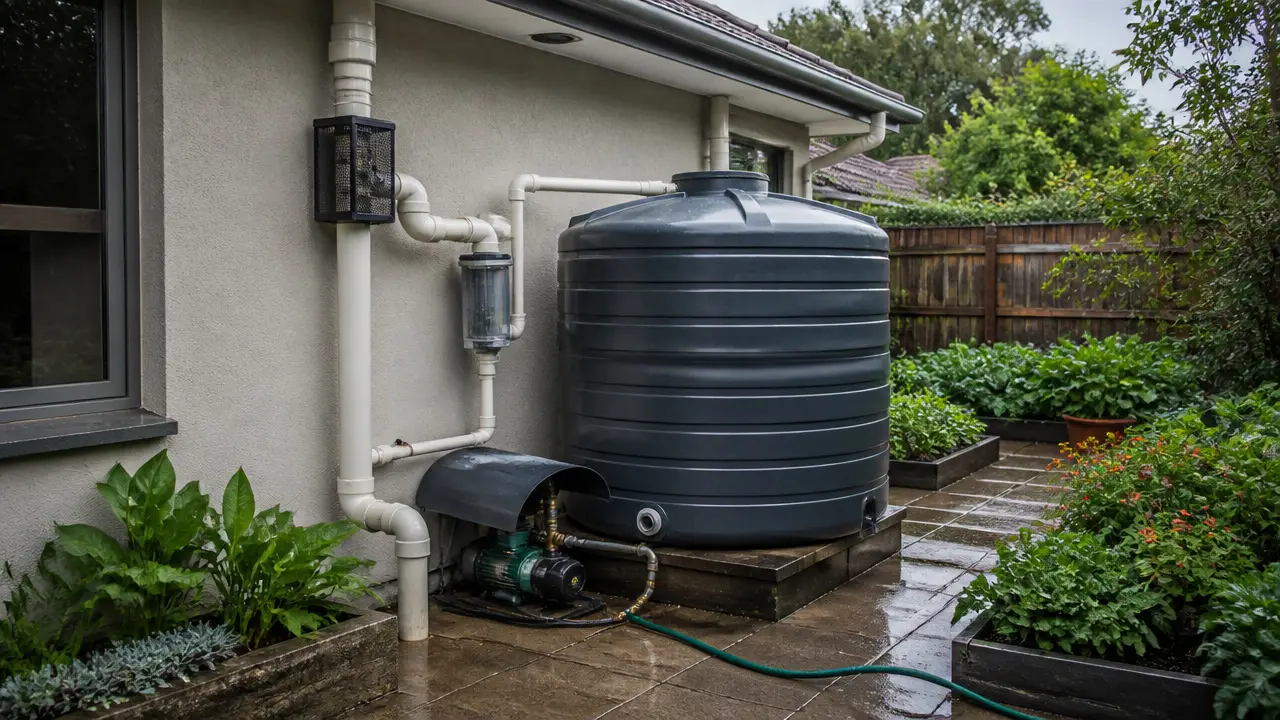
The four kits here are compact downspout diverter kits for routing roof runoff into an existing rain barrel or container. They are not complete rainwater systems with a tank, pump, filtration, and treatment. The biggest differences are the downspout sizes they are meant to fit, the hose layout they tolerate, how much room the diverter body needs, and how easy the unit is to open for cleaning.
For most homes, measure the actual downspout first, then plan the hose path from the diverter to the barrel. A kit that fits both common rectangular downspout sizes can be convenient, but the hose and joints still have to sit without sharp bends or loose connections.
Quick Fit Checklist Before You Buy
A few measurements matter more than extra features.
- Measure the downspout itself. A nominal 2 x 3-inch or 3 x 4-inch downspout can vary enough between manufacturers to affect the fit.
- Plan the barrel position. The hose should reach the inlet without stretching, flattening, or making a tight turn.
- Leave cleaning access. A removable cap or screen is much more useful when you can reach it without moving the barrel.
- Think about overflow. A diverter does not replace a safe overflow path for a full barrel.
- Match the kit to the job. These products make the most sense when you already have a barrel or container and need a way to route downspout water into it.
Rainwater Harvesting Kits at a Glance
| Product | Best For | Key Strength | Tradeoff |
|---|---|---|---|
| Prestantious Dual-Size Downspout Diverter | Most straightforward home barrel setups | Designed for both 2 x 3-inch and 3 x 4-inch downspouts with top-cap cleanout | Adjustment control can be less useful than expected |
| Anivia Rain Barrel Diverter Kit | Tight installation areas | Compact 4.3 x 3.5 x 6.3-inch body with a 39-inch hose | Hose can kink, and diversion performance may vary |
| Prestantious Filter-Screen Diverter | Straight hose runs where extra reach helps | Four-foot hose, built-in screen, and three collection settings | Hose can flatten or pinch on bends |
| Prestantious 2 x 3-Inch Diverter | Systems using a standard 2 x 3-inch downspout | Simple one-size focus with switch control and removable top cap | Fit can still vary, and the included hose is very flexible |
Which Kit Fits Your Setup?
If you want the least complicated starting point, the dual-size Prestantious diverter is the easiest of these four to place at the top of the list. It is meant for both common rectangular downspout sizes, the top opens for cleaning, and installation is based on removing a section of the existing downspout. That makes the basic job easy to understand before you start cutting.
The Anivia kit makes more sense when the space around the downspout is limited. Its documented body size is 4.3 x 3.5 x 6.3 inches, and the kit includes a 39-inch hose and two set screws. It still needs a reasonably straight hose path, but its compact body gives it a clearer role beside a wall, fence, or tightly placed barrel.
The filter-screen Prestantious model is worth considering when the barrel sits farther from the downspout and the four-foot hose can run mostly straight. The built-in screen can catch larger debris before it enters the hose, but it is not fine filtration. Pine needles, moss, and roof grit may still pass through.
The 2 x 3-inch Prestantious model is the narrowest fit choice. It is only worth buying when your measured downspout matches that intended size and you are comfortable adjusting the installation if the slip fit is not exact.
A Straightforward Dual-Size Diverter
1 / 4
Prestantious Dual-Size Downspout Diverter

Downspout Fit
2 x 3 in and 3 x 4 in
Cleanout
Removable top cap
Installation
Cut-in diverter
This Prestantious diverter is a simple cut-in unit for homeowners who already have a barrel and need to send part of the downspout flow toward it. It is designed around the two common rectangular downspout sizes, 2 x 3 inches and 3 x 4 inches. The body sits inline with the downspout, so installation starts by removing a section and placing the diverter between the upper and lower pieces.
Its strongest practical point is that the basic setup is easy to understand. The top cap comes off for leaf cleanout, and the unit includes a collection control for times when you want to reduce or stop diversion. Installation can be quick when the downspout matches well, but the control should not be the reason you choose it. The adjustment mechanism may not give as much useful control as the design implies.
Fit still deserves a careful measurement. This is not a 3 x 5-inch downspout diverter, and a slightly different profile can change how well the parts seat. If the goal is a basic backyard barrel with a short, simple path from downspout to container, this model has fewer moving decisions than the other options here.
Why It Works
- Fits the two common residential rectangular downspout sizes the product is designed around.
- The removable top cap gives you direct access when leaves collect inside.
- The cut-in layout is straightforward when the existing downspout is easy to reach.
What To Keep In Mind
- Do not expect it to fit larger 3 x 5-inch downspouts.
- The adjustable control can be less effective than expected, so plan the system around good fit and hose routing first.
- Paint adhesion can be poor on some parts if matching the house color matters.
A Compact Kit for Crowded Downspout Areas
2 / 4
Anivia Rain Barrel Diverter Kit

Downspout Fit
2 x 3 in and 3 x 4 in
Body Size
4.3 x 3.5 x 6.3 in
Included Hose
39 in
The Anivia kit is the most clearly differentiated option when space around the downspout is tight. Its documented body measures 4.3 x 3.5 x 6.3 inches, and it is designed for both 2 x 3-inch and 3 x 4-inch residential downspouts. The kit also includes a 39-inch hose and two set screws, which gives you the main connection pieces for routing water toward an existing barrel.
Setup is generally simple when the barrel can sit within a comfortable hose run. The compact body is useful near a wall or in a narrow side yard, and the included hose reduces the number of separate pieces you need at the start. Cleaning access is also simple enough for a basic garden system.
Kit installation still depends on how to connect a rain barrel to a downspout without blocking normal drainage.
The main concern is flow consistency. A soft hose can kink and reduce the path to the barrel, and the diverter itself may not send enough water toward the barrel in every installation. Keep the hose smooth, avoid sharp turns, and make sure the barrel inlet is positioned so the hose does not have to fight gravity or fold back on itself.
Why It Works
- The 4.3 x 3.5 x 6.3-inch body gives it a clear fit advantage where the downspout area is crowded.
- It supports both common rectangular downspout sizes.
- The 39-inch hose and included set screws cover the main connection pieces for a basic installation.
What To Keep In Mind
- The hose can kink, so tight bends can reduce flow.
- Diversion performance can be inconsistent if the internal path or hose layout lets too much water continue down the downspout.
- The kit still requires an existing barrel or storage container.
A Screened Diverter With More Hose Reach
3 / 4
Prestantious Filter-Screen Diverter

Downspout Fit
2 x 3 in and 3 x 4 in
Included Hose
4 ft x 1-1/4 in
Control
Off / Medium / High
This Prestantious model combines a dual-size downspout body, a built-in screen, a three-position collection switch, and a four-foot reinforced hose. It is designed for 2 x 3-inch and 3 x 4-inch downspouts. The longer hose gives you more placement freedom than a short connector, especially when the barrel cannot sit directly beside the downspout.
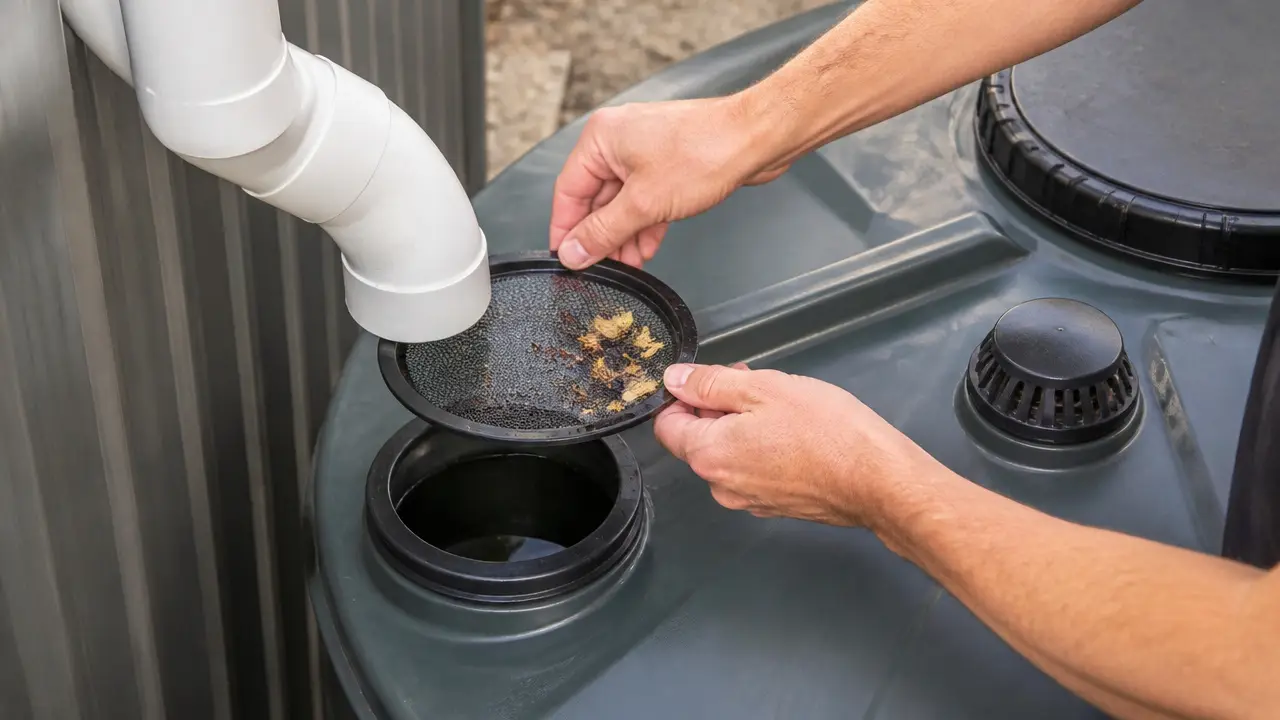
The screen is useful as a first debris barrier, not as a water-treatment filter. It can catch larger leaves before they enter the hose, while smaller material such as pine needles, moss, and roof grit may still move through the system. The top cap can be removed for cleaning, which matters because any screen placed in the runoff path needs regular inspection.
The hose is the biggest tradeoff. It can flatten after shipping and pinch when forced around corners. A long hose only helps when it stays open, so this model fits best when the route to the barrel is fairly straight. Some installations may also need added strapping around the downspout pieces to keep the assembly tight.
Why It Works
- The four-foot hose gives you useful reach when the barrel cannot sit directly under the diverter.
- The removable screen catches larger debris before it enters the hose.
- Three collection settings let you reduce or stop diversion without removing the unit.
What To Keep In Mind
- The hose can collapse or kink at bends and may need a stiffer replacement for difficult layouts.
- Fine roof debris can pass through the built-in screen.
- A loose fit may need extra support or strapping around the downspout.
A Simple Option for 2 x 3-Inch Downspouts
4 / 4
Prestantious 2 x 3-Inch Downspout Diverter

Designed Downspout
2 x 3 in
Material
Plastic
Cleanout
Removable top cap
This model is the most specific fit choice in the group. It is designed for a standard 2 x 3-inch downspout rather than trying to cover both common sizes. The unit uses a switch valve to change collection flow and a removable top cap for cleaning leaves from the diverter body.
That narrow fit target can be helpful if your downspout is already measured and you do not need 3 x 4-inch compatibility. It also keeps the buying decision simple: the main question is whether the actual downspout profile and the supplied hose work with your barrel position.
The caution is that a nominal 2 x 3-inch label does not guarantee a perfect slip fit. Downspout dimensions can vary slightly, and this unit has had fit problems where the upper or lower section did not seat as expected. The included hose is also very flexible and can flatten, especially when bent. This is a better choice for a straight, simple setup than for a barrel tucked around a corner.
Why It Works
- The one-size design is easy to understand when your existing downspout is already 2 x 3 inches.
- The switch valve gives you a simple way to change collection flow.
- The removable top cap provides direct access for cleanout.
What To Keep In Mind
- Measure the real downspout profile because nominal 2 x 3-inch parts do not always fit each other perfectly.
- The hose can flatten and may need replacement when the route includes a bend.
- Installation quality can suffer if the diverter body has to be forced into a mismatched downspout.
How to Choose a Rainwater Harvesting Kit
Start With the Downspout, Not the Barrel
The downspout is the first compatibility gate. These kits are designed around rectangular residential downspouts, but "2 x 3 inches" and "3 x 4 inches" are still nominal sizes. Measure the outside profile where you plan to cut. If the downspout is crushed, flared, unusually thick, or a different shape, a standard cut-in diverter may not seat correctly.
Do not buy a dual-size model just because it sounds more flexible. If you already have a well-measured 2 x 3-inch downspout, a one-size kit can be perfectly reasonable. Dual-size compatibility matters more when you are buying before the final barrel location is settled or when the property has different downspout sizes.
Plan the Hose Before Cutting Anything
A diverter can fit the downspout and still perform poorly if the hose path is wrong. Soft corrugated hoses are convenient because they bend easily, but the same flexibility can let them flatten. A tight corner can turn a wide hose into a narrow restriction.
Lay out the intended route first. The hose should reach the barrel inlet with a gentle path, without being stretched or folded. If the barrel has to sit around a corner, a stiffer hose or a different connection layout may work better than forcing the supplied hose into a shape it does not hold.
The barrel inlet also matters. The hose needs a secure place to discharge without pulling on the diverter. A full barrel still needs a separate overflow route so excess water can move away from the foundation.
Treat Built-In Screens as Debris Control
A built-in screen can help keep larger leaves out of the hose. It does not turn roof runoff into clean or drinkable water. Fine grit, organic material, and small debris can still travel through a basic screen.
For garden use, the main job of the screen is to reduce clogging and make the system easier to maintain. For any use where water quality matters more, the whole collection and treatment system has to be designed around that intended use.
Make Cleaning Access Part of the Installation
A top cap is only convenient when you can actually reach it. Leave enough room above and around the diverter to remove the cap, lift out debris, and inspect the hose connection.
Roof runoff can carry leaves, seeds, insects, moss, and sediment into the downspout. Even a simple barrel system works better when cleaning is expected rather than treated as a repair after the flow stops.
Be Conservative About Cold Weather
A diverter, hose, and barrel can all hold water after rain. In freezing conditions, trapped water can expand and damage plastic parts or connections. If the system will be shut down for winter, use the diverter's off setting when available and drain the parts that would otherwise stay full.
Do not rely on a switch alone if water can remain trapped in a hose, fitting, or barrel connection. The whole path needs a winter plan that fits the local climate and the manufacturer's directions.
Common Problems With Downspout Diverter Kits
The Hose Keeps Kinking
A soft hose usually kinks because the bend is too sharp or the barrel is placed too far to the side. Move the barrel closer, use a gentler curve, or replace the hose with a stiffer compatible option if the supplied hose will not stay open.
The Diverter Feels Loose
A small difference in downspout shape can leave the body loose even when the nominal size matches. Do not depend on the diverter to hold unsupported sections of downspout in place. Secure the surrounding downspout properly and avoid putting the hose under tension.
Too Little Water Reaches the Barrel
First look for a flattened hose, debris at the screen, a poor diverter fit, or a barrel inlet that sits too high for the hose layout. Also remember that these devices only divert part of the downspout flow. They are not pumps.
Debris Still Reaches the Barrel
A coarse screen is meant to stop larger material. Fine roof grit and small organic debris can still pass. Keep the gutter and diverter clean, and use additional screening or treatment only when it matches the planned water use.
The Barrel Fills and Water Has Nowhere to Go
The diverter should not be the only overflow plan. A full barrel needs a controlled path for excess water. Route overflow away from the building and any area where concentrated runoff could cause erosion or drainage problems.
Frequently Asked Questions
What is included in a rainwater harvesting kit?
The kits in this guide are downspout diverter kits, not complete rainwater systems. They provide a way to route roof runoff from an existing downspout toward a barrel or container, with included parts varying by model.
Do I need a 2 x 3-inch or 3 x 4-inch diverter?
Measure the actual downspout where the diverter will be installed. Some kits support both common sizes, while others are intended for only one. Small differences in the real profile can still affect fit.
Can a downspout diverter keep my rain barrel from overflowing?
Some diverters let you reduce or stop collection, but the barrel should still have a safe overflow path. A full barrel needs somewhere for excess rainwater to go without collecting beside the foundation.
Does a built-in screen make collected rainwater safe to drink?
No. A basic screen mainly catches larger debris. Drinking-water use requires a suitable whole-system approach to collection, treatment, maintenance, and current water testing.
Why does the hose on a rain barrel diverter stop flowing well?
Soft hoses can flatten or kink when they make a tight bend. Debris can also restrict the path. Keep the hose as smooth and open as possible, and clean the diverter when buildup starts reducing flow.
Can I leave a rainwater diverter connected through winter?
That depends on the product and the local climate. In freezing areas, drain parts that can hold water and follow the manufacturer's cold-weather directions. An off setting does not help if water remains trapped elsewhere in the system.
If storage size is still undecided, how to size a rainwater tank helps match capacity to roof area, rainfall, space, and intended use. For a more focused look at the roof-to-barrel connection, compare rain barrel diverter kits before cutting the downspout. If you want to reduce the dirtiest first roof runoff before storage, see the options for first-flush diverters. When fixed storage is not practical, portable water storage tanks cover containers that can be moved or stored between uses.