As an affiliate, we may earn a commission from qualifying purchases. We get commissions for purchases made through links on this website from Amazon and other third parties.
For most people, the healthiest container for drinking water is a well-made glass or food-contact stainless steel container that is kept clean and used as intended. Neither material makes the water healthier, but both are durable, easy to clean, and suitable for repeated contact with drinking water.
Food-grade plastic can also be a reasonable choice. The bigger health concerns are using containers that were not made for drinking water, exposing a container to conditions it was not designed for, or allowing bacteria and mold to grow in a poorly cleaned bottle.
If the water itself may be contaminated, changing the container does not make it safe to drink.
Glass vs. Stainless Steel vs. Plastic
There is no single material that is best in every situation.
| Container | Good for | Main drawbacks |
|---|---|---|
| Glass | Home, refrigerator, countertop use | Breakable and heavy |
| Stainless steel | Everyday carrying, travel, outdoor use | Hard to see inside; quality and coatings matter |
| Food-grade plastic | Lightweight bottles and larger storage | Can scratch, wear, or be damaged by heat |
| Ceramic | Cups and countertop containers | Glaze quality matters |
| Aluminum | Lightweight bottles | Usually depends on an interior liner |
For ordinary drinking water, glass is a simple choice when breakage is not a concern. Stainless steel is often the more practical reusable choice when you need something durable.
Glass
Glass works well for drinking water because it has a smooth surface and does not require a plastic bottle body or interior coating.
It is especially useful for:
- Water kept in the refrigerator
- Bedside water containers
- Countertop drinking water
- Short-term water storage
- People who notice tastes or odors from other bottle materials
The main problem is breakage. Glass is usually a poor choice where children, pets, vehicles, outdoor work, or rough handling make broken glass likely.
Protective sleeves can reduce the chance of damage, but they do not make glass unbreakable.
Stainless steel
A stainless steel bottle is a good everyday option because it is strong, reusable, and relatively easy to wash.
Choose a bottle specifically manufactured for food or beverage use. Check whether the inside is bare stainless steel or has a coating or liner. If it has an interior coating, follow the maker's instructions and stop using it if that coating begins to peel or fail.
Stainless steel also hides dirt better than clear glass. Look inside with good light when cleaning it, especially around the bottom seam, threads, straw fittings, and cap.
Food-grade plastic
Plastic is not automatically an unhealthy choice.
The FDA regulates substances used in food-contact materials according to their intended conditions of use. FDA also currently states that available information supports the safety of BPA for its authorized food-contact uses.
Still, a plastic container should be used for the conditions it was designed for.
Do not assume a cold-water bottle can safely handle boiling water, a dishwasher, prolonged heat, or other uses unless the manufacturer says it can.
Replace a reusable plastic bottle if it becomes:
- Deeply scratched
- Cracked
- Warped
- Difficult to clean
- Permanently cloudy or damaged
- Unable to seal properly
Scratches and damaged areas can also make cleaning harder.
Ceramic
A properly manufactured ceramic cup or jug intended for food use can be suitable for drinking water.
The concern is the glaze.
The FDA warns that lead can leach from some improperly made lead-glazed pottery. Particular concern applies to some handmade, antique, damaged, heavily worn, or decorative pottery when its safety for food use is uncertain.
Do not use decorative pottery labeled "Not for Food Use" for drinking water.
For routine drinking, commercially made ceramicware specifically intended for food and beverage use is a safer choice than unknown or decorative pottery.
Aluminum
Aluminum drinking bottles commonly have an interior liner so the beverage does not directly contact the metal.
That means the condition and suitability of the liner matter as much as the aluminum itself.
If you use an aluminum bottle, follow its care instructions and replace it if the interior surface becomes damaged, scratched, or starts peeling.
For someone trying to keep the container simple, unlined food-contact stainless steel or glass may be easier choices.
The Lid May Matter as Much as the Bottle
A stainless steel or glass bottle can still have plastic, silicone, rubber, adhesives, coatings, or other materials in its cap.
More importantly, lids can trap moisture and residue.
Common trouble spots include:
- Silicone gaskets
- Straw valves
- Flip-top mechanisms
- Threads
- Drinking spouts
- Pressure vents
- Areas underneath removable seals
A bottle that looks clean can have mold or buildup hidden underneath a gasket.
Choose a container you can take apart far enough to clean all surfaces that touch the water or your mouth.
A Clean Bottle Is Healthier Than a Dirty "Perfect" Material
Container material gets a lot of attention, but cleaning is often more important in daily use.
Once you drink directly from a bottle, microorganisms from your mouth can enter it. Warm temperatures and leftover drinks can encourage growth.
Wash reusable drinking containers regularly with suitable soap and water. Clean the lid and seals separately when the design allows it.
Details about practical considerations for it better to store water in glass or plastic help compare whether the selected components work together before purchase.
Follow the manufacturer's instructions for dishwasher use. Some bottles, coatings, seals, and insulated containers are not designed for high dishwasher temperatures.
Let the container dry rather than leaving it closed and wet for long periods.
If you cannot reach part of the container well enough to clean it, that design may not be a good choice for daily drinking.
Avoid Reusing Containers That Held Chemicals
Never turn a pesticide, fuel, solvent, bleach, or other chemical container into a drinking-water container.
Even thorough washing does not make every former chemical container suitable for water.
CDC guidance specifically warns against storing drinking water in containers that previously held toxic chemicals such as pesticides, bleach, or petroleum products.
For larger amounts of drinking water, use a container specifically intended for food or potable-water contact.
Potable means suitable for drinking.
What About Long-Term Water Storage?
The healthiest material for a drinking cup is not necessarily the best material for storing many gallons of water.
Large storage tanks need to be evaluated as complete systems. The tank body, liner, bulkhead fittings, valves, hoses, sealants, and other surfaces may all contact the water.
For drinking-water systems, look for materials and components specifically intended for potable-water contact. NSF/ANSI/CAN 61 is one standard that addresses potential health effects from materials and components used in drinking-water systems.
A large water tank also needs:
- A tight cover
- Protection from contaminants
- Suitable inlet and outlet fittings
- A way to clean or maintain it
- Protection from unwanted access by insects and animals
- Storage conditions appropriate for the tank material
CDC recommends durable containers that can be tightly closed and warns against storing drinking water near toxic substances.
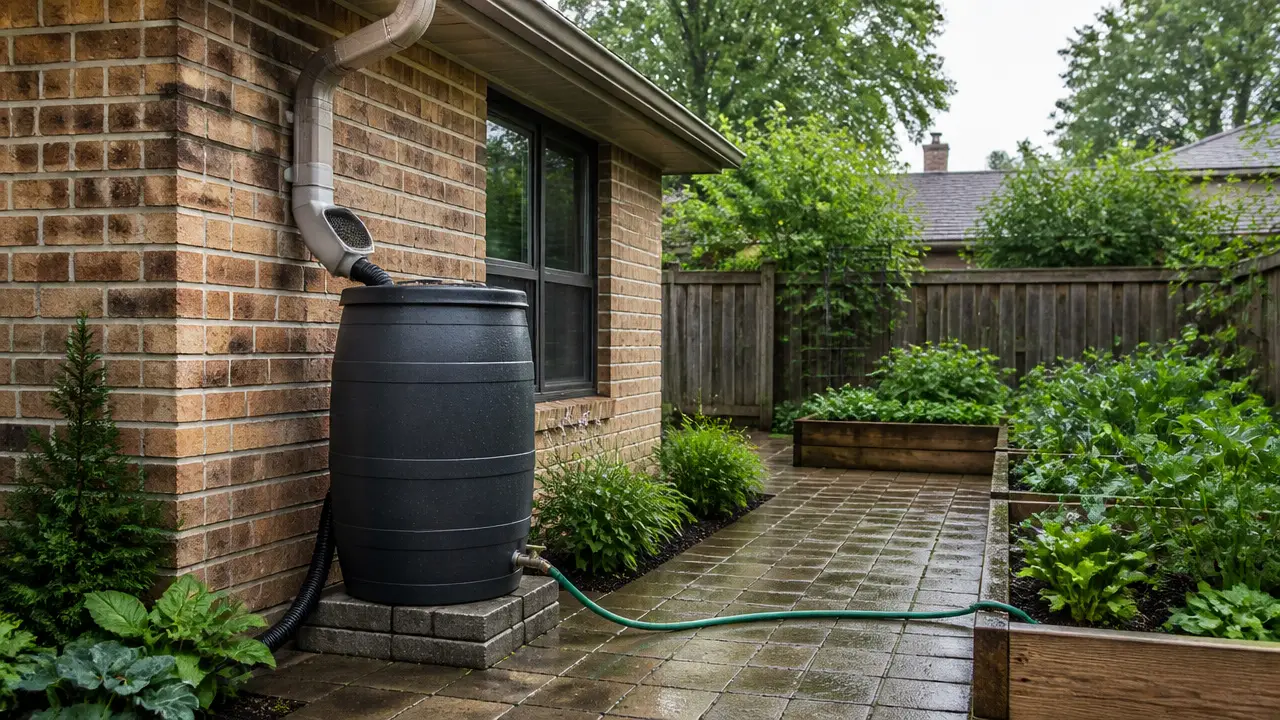
What If You Are Drinking Collected Rainwater?
The drinking container is only the last part of the system.
A glass or stainless steel bottle cannot make untreated rainwater safe to drink.
Roof runoff can pick up contaminants from roofing materials, animal waste, dust, insects, debris, air pollution, storage tanks, plumbing, and other parts of the collection system.
If collected rainwater will be used as drinking water, treat it as a whole-system water-quality issue. That may involve suitable collection surfaces, debris control, first-flush management, protected storage, appropriate treatment stages, regular maintenance, current laboratory testing, and compliance with applicable local requirements.
A first flush device diverts some of the initial roof runoff so that part of the dirt accumulated between rain events does not go directly into storage.
No single filter, UV unit, purifier, test strip, or water bottle proves that harvested rainwater is safe to drink.
Does BPA-Free Mean a Bottle Is Healthier?
Not necessarily.
"BPA-free" tells you something about one chemical. It does not tell you everything about:
- The complete material formulation
- Other bottle components
- Temperature limits
- Durability
- Cleanability
- Manufacturing quality
- Whether the bottle is intended for drinking water
Likewise, the word "natural" does not make a container safer.
It is more useful to choose a well-made container intended for beverages and use it within its stated conditions.
What Should You Look for When Choosing a Water Container?
For an everyday drinking container, focus on a few practical details:
- Made for food or beverage contact. Do not improvise with industrial containers.
- Easy to clean. You should be able to reach the inside or clean it effectively using the manufacturer's recommended method.
- Simple lid. Fewer hidden valves and seals usually mean fewer areas that can trap residue.
- Suitable for the temperature. A cold-water bottle may not be suitable for hot liquids.
- Good condition. Avoid cracked, peeling, badly scratched, corroded, or damaged surfaces.
- Secure closure. A properly fitting cap helps prevent outside contamination.
- Suitable size. Large bottles that are difficult to wash may not be practical even if the material itself is good.
For most home use, a simple glass container with a clean lid is hard to beat. For something you carry every day, a well-made stainless steel bottle is usually more practical.
Frequently Asked Questions
Is glass the healthiest material to drink water from?
Glass is one of the simplest choices for drinking water because it is smooth, easy to inspect, and suitable for repeated use when properly manufactured for beverages. It is not automatically safer than every stainless steel or food-grade plastic container, however. Keeping the container clean and undamaged also matters.
Is stainless steel safe for drinking water every day?
Food-contact stainless steel is commonly used for reusable drinking containers. Choose a bottle intended for beverages, keep it clean, and inspect any interior coating or liner if the bottle has one.
Is drinking water from plastic bottles unhealthy?
A food-contact plastic container used according to its intended conditions can be suitable for drinking water. Avoid using damaged containers or exposing them to heat or other conditions they were not designed to handle.
Should I avoid BPA completely?
BPA-free products are available for people who prefer them, but a BPA-free label alone does not establish that one bottle is healthier than another. FDA currently considers BPA safe for its authorized food-contact uses.
Can I drink water from a copper bottle?
For routine drinking-water storage, glass or food-contact stainless steel is usually a simpler choice. Copper can react with some foods and beverages, particularly acidic ones. The FDA Food Code limits copper contact with acidic foods in commercial food settings. Do not assume claims about special health benefits from storing water in copper prove that it is a better everyday drinking container.
How often should I clean my reusable water bottle?
Clean it regularly and whenever it develops visible residue, odor, or contamination. Bottles used directly from the mouth need particular attention. Wash the cap, straw, seals, and other removable parts as well as the main container.
What is the best container for harvested rainwater that will be used for drinking?
Use storage tanks and plumbing materials specifically suited to potable-water contact, but remember that the container alone cannot make harvested rainwater drinkable. Drinking-water use requires appropriate collection, treatment, maintenance, testing, and compliance with applicable local requirements.