As an affiliate, we may earn a commission from qualifying purchases. We get commissions for purchases made through links on this website from Amazon and other third parties.
For a 5-gallon container filled at home with safe drinking water, a practical storage limit is about six months before you replace the water. As of August 2026, the CDC recommends replacing water that you fill into storage containers every six months.
That six-month guideline assumes you started with safe water, used a clean food-grade container, closed it tightly, and stored it in a cool, dark place. Water stored poorly can become contaminated much sooner.
Commercially bottled water is different. If a sealed 5-gallon bottle was packaged by a commercial bottler, follow the date and storage instructions provided by the bottler.
How Long Water Lasts in a 5-Gallon Container
The answer depends mostly on where the water came from and how it was stored.
| Water in the container | Practical guidance |
|---|---|
| Safe tap water placed in a sanitized container | Replace about every 6 months |
| Unopened commercially bottled water | Follow the bottler's date and storage directions |
| Opened stored water | No fixed safe period; contamination risk increases after opening |
| Untreated rainwater | Do not assume it is safe for drinking |
| Water stored for irrigation or cleaning | May remain usable longer if its condition is suitable for that use |
The six-month recommendation is a rotation schedule, not a claim that water suddenly becomes unsafe on day 181. It gives you a simple way to keep an emergency drinking-water supply fresh and reduce the chance that poor storage or unnoticed contamination becomes a problem.
Why Stored Water Can Go Bad
Water itself does not spoil like milk or food. The problem is what can get into the water or grow in the container.
Microbes can enter the container
Bacteria and other microorganisms may enter when you:
- fill an unsanitized container
- touch the inside of the lid or opening
- dip a cup or hand into the water
- repeatedly open the container
- use a dirty pump, hose, or dispenser
A container that stays sealed after filling has fewer chances to become contaminated than one that is opened every day.
Heat can make storage conditions worse
The CDC recommends keeping stored drinking water at about 50°F to 70°F (10°C to 21°C) when practical and keeping it out of direct sunlight.
A hot garage, vehicle, shed, or sunny porch is not a good long-term storage location.
Light can encourage biological growth
Light is especially important when you are storing untreated water. Sunlight can support algae growth when nutrients and microorganisms are present.
An opaque container or a dark storage area is usually better than leaving a clear container in sunlight.
The container can contaminate the water
Use a container made for food or drinking-water storage. The CDC recommends FDA-approved food-grade water storage containers when possible. It also warns against using containers that previously held toxic chemicals such as pesticides or bleach.
Never assume that a washed chemical bucket or jug is suitable for drinking water.
How to Prepare a 5-Gallon Container for Drinking Water
Starting with a clean container matters as much as the storage time.
The CDC recommends washing and sanitizing a reusable water-storage container before filling it. Its current guidance uses a sanitizing solution made with 1 teaspoon of unscented household chlorine bleach containing 5% to 9% sodium hypochlorite mixed into 1 quart of water. The solution is moved over the inside surfaces, left in contact for at least 30 seconds, poured out, and the container is allowed to air-dry before filling.
This step sanitizes the empty container. It is different from adding bleach to questionable water to disinfect the water itself.
After sanitizing:
- Fill the container with water that is already safe for drinking.
- Close the cap tightly.
- Label it as drinking water.
- Write the filling date on the container.
- Keep it in a cool, dark location.
- Replace the water about six months later.
Do not place the container near gasoline, pesticides, solvents, or other toxic chemicals. The CDC specifically recommends storing emergency water away from these substances.
What Happens After You Open the Container?
Once you begin using the water, the simple six-month storage guideline becomes less useful.
Every opening creates another chance for contamination. A container with a clean spigot that lets water flow out without allowing hands or cups inside is generally easier to keep clean than a wide-mouth bucket that you dip into repeatedly.
The CDC advises using a clean utensil whenever water must be removed from a storage container and avoiding contact between your hands and the stored water or the inside of the container.
There is no universal number of days that an opened 5-gallon container remains safe. It depends on the starting water quality, container, temperature, dispensing method, and handling.
For drinking water, do not rely only on taste, smell, or appearance to decide whether microbial contamination is present.
What If the 5-Gallon Container Holds Rainwater?
Rainwater needs a different approach.
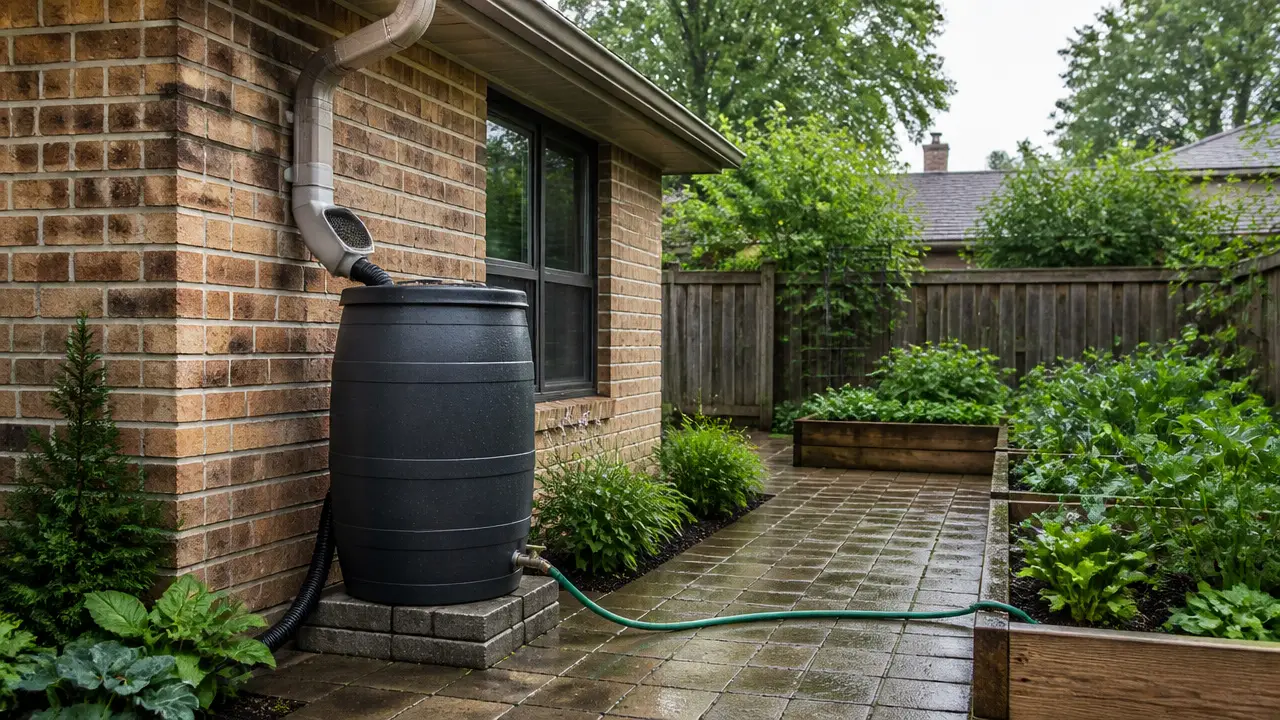
Roof runoff should not be treated as drinking water simply because it looks clear or has been stored in a clean container. Water can pick up bird droppings, dust, roofing debris, microorganisms, chemicals, and other contaminants as it moves across a collection surface.
If the rainwater will only be used for suitable non-potable purposes, such as some garden irrigation or outdoor cleaning, the main concerns may be sediment, algae, mosquitoes, odor, and keeping the container covered.
Potable means suitable for drinking. Non-potable means water that is not intended or established as safe for drinking.
Study practical steps for storing water for 6 months to verify this decision within the complete collection path.
If you want to use harvested rainwater for drinking, storage time is only one part of the system. Collection surfaces, debris control, first-flush management, treatment, maintenance, current laboratory testing, and applicable local requirements all matter.
A first flush is a device or arrangement that diverts the first portion of runoff from a roof. That early runoff often carries more dust and debris than the water that follows.
No single filter or home water test can establish that stored roof runoff is safe to drink.
Does Boiling Make Old Stored Water Safe?
Not in every situation.
Boiling is effective against disease-causing microorganisms when the problem is microbial contamination. The CDC recommends bringing clear water to a rolling boil for one minute when emergency boiling is needed.
But boiling does not solve every contamination problem. The EPA notes that boiling or disinfection does not remove contaminants such as heavy metals, salts, and many chemicals.
If water may contain fuel, pesticides, toxic chemicals, or other chemical contamination, do not try to make it safe simply by boiling it or adding disinfectant. Use a different safe water source and follow local health guidance.
Signs That Stored Water Should Not Be Used for Drinking
Replace or discard stored drinking water if:
- the container has leaked or lost its seal
- dirt, insects, or other material has entered
- the water has an unusual color or odor
- algae or visible growth appears
- the container was flooded
- the container previously held a toxic substance
- you cannot determine where the water came from
- you suspect chemical contamination
Water can still contain harmful microorganisms even when it looks normal, so appearance alone cannot prove that stored water is safe.
If there is uncertainty about drinking-water safety, use a known safe supply rather than guessing.
How Much Drinking Water Does a 5-Gallon Container Provide?
For emergency planning, the CDC recommends storing at least 1 gallon per person per day for three days, and trying to keep a two-week supply when possible. That amount includes drinking, cooking, brushing teeth, and other basic uses.
Using that planning amount:
- One 5-gallon container supplies one person for about 5 days.
- It supplies two people for about 2.5 days.
- It supplies a family of four for about 1.25 days.
Hot weather, illness, pets, and other needs can increase water use.
If the water is only for drinking and not cooking or hygiene, actual use may be lower. But using the CDC planning figure gives you a useful margin.
A Simple Storage Routine
A basic rotation system works well for most households.
Write the filling date directly on each container. Store the oldest container where it will be used first. Every six months, empty and clean containers that you filled yourself, sanitize them, refill them with safe drinking water, and update the date.
You can use the old water for suitable non-drinking purposes rather than wasting it, provided it has not been contaminated with chemicals or other unsafe materials.
For most homes, this routine is easier and safer than trying to determine whether water that has been sitting for several years is still suitable for drinking.
Frequently Asked Questions
Can water stay good in a 5-gallon jug for a year?
Home-filled drinking water should generally be rotated sooner. As of August 2026, the CDC recommends replacing water filled into storage containers every six months. A sealed commercial bottle should be stored according to the bottler's directions.
Does drinking water expire in a plastic container?
Water does not spoil in the same way food does, but contamination and poor storage can make it unsuitable for drinking. The container, temperature, sunlight, handling, and starting water quality all matter.
Should I refrigerate a 5-gallon water container?
Refrigeration is not normally required for an unopened emergency water supply. A cool, dark storage location is appropriate. The CDC recommends roughly 50°F to 70°F when practical and keeping containers out of direct sunlight.
Can I reuse a 5-gallon water container?
Yes, if it is suitable for drinking-water storage, remains in good condition, and can be properly cleaned and sanitized. Do not use a container that previously held pesticides, fuel, cleaners, or other toxic substances.
Should I add bleach to water before storing it?
If you are filling a container with water that is already safe to drink, do not automatically add bleach just because you plan to store it. Sanitize the container properly first. Emergency disinfection is a separate procedure used when appropriate and must follow current public-health instructions for the disinfectant concentration being used.
Can I store rainwater in a 5-gallon container for drinking?
You can physically store rainwater in a suitable container, but storage does not make it potable. Roof runoff intended for drinking requires a suitable collection and treatment system, proper maintenance, current laboratory testing, and compliance with applicable local requirements.
Is old stored water safe if it still looks and smells fine?
Not necessarily. Many microorganisms and chemical contaminants cannot be identified by sight or smell. If the water's source, storage history, or cleanliness is uncertain, appearance alone is not enough to establish that it is safe to drink.