As an affiliate, we may earn a commission from qualifying purchases. We get commissions for purchases made through links on this website from Amazon and other third parties.
A good emergency water supply starts with safe water, clean food-grade containers, enough volume for everyone in the household, and a storage place that stays cool and protected.
The CDC recommends storing at least 1 gallon of water per person per day for 3 days, and says to try for a 2-week supply when possible. Some households need more because of hot weather, illness, pregnancy, pets, or other needs.
Emergency drinking water should be treated as potable water, meaning water suitable for drinking and other uses where it may be swallowed. Rainwater, untreated cistern water, and water from an unknown source should not automatically be counted as potable emergency water.
How Much Emergency Water Should You Store?
Use this basic planning rule:
1 gallon × number of people × number of days
For example:
| Household | 3-Day Supply | 14-Day Supply |
|---|---|---|
| 1 person | 3 gallons | 14 gallons |
| 2 people | 6 gallons | 28 gallons |
| 4 people | 12 gallons | 56 gallons |
| 6 people | 18 gallons | 84 gallons |
That gallon per person covers drinking plus some basic cooking, tooth brushing, and sanitation needs. It is a minimum planning amount, not a guarantee that it will cover every household use.
Store more if you have pets, very hot weather, medical needs, or household members who may need extra water.
Water is also heavy. One gallon weighs about 8.3 pounds. A 5-gallon container weighs more than 40 pounds when full. A 55-gallon drum can hold roughly 460 pounds of water before counting the drum itself.
That matters when choosing shelves, floors, storage racks, and container sizes.
The Simplest Option: Store Commercially Bottled Water
Unopened commercially bottled water is one of the simplest options for an emergency drinking-water supply. The CDC describes it as the safest and most reliable emergency water source.
Keep the bottles sealed until you need them. Follow the expiration or best-by information provided by the manufacturer.
Bottled water can also make rotation easier. Instead of keeping one very large container, you can spread your supply across several cases or smaller containers.
The drawback is space. A two-week supply for a larger household takes up a significant amount of room.
How to Store Your Own Tap Water
You can also fill reusable containers with safe drinking water from your normal household supply.
The important part is starting with water that is already safe to drink and putting it into a clean, sanitized container.
1. Choose a food-grade water container
Use a container intended for storing food or drinking water.
A practical emergency container should:
- Close tightly.
- Be durable and difficult to break.
- Be easy to clean.
- Have an opening that limits hand contact with the stored water.
- Be small enough to move or dispense from safely.
The CDC advises against using containers that previously held toxic chemicals such as pesticides or bleach. Chemical residues can remain in the material and contaminate the water.
Do not assume a barrel, bucket, tote, or tank is suitable for drinking water simply because it can hold water.
2. Clean and sanitize the container
Cleaning removes dirt and residue. Sanitizing reduces germs left on the container surfaces.
For household emergency storage containers, current CDC guidance says to:
- Wash the container with soap.
- Rinse it completely.
- Add a sanitizing solution made with 1 teaspoon of unscented household chlorine bleach in 1 quart of water. The bleach should contain 5% to 9% sodium hypochlorite.
- Close the container and shake it so the solution touches all inside surfaces.
- Wait at least 30 seconds.
- Pour the sanitizing solution out.
- Let the empty container air-dry.
- Fill it with safe drinking water and close it tightly.
This procedure is for sanitizing an empty storage container. It is not the same as adding bleach to questionable water to make that water drinkable.
3. Fill the container without contaminating it
Use clean hands, clean fittings, and a clean filling hose or faucet.
Avoid touching the inside of the cap, neck, spout, or container.
Fill the container with water that is already considered safe to drink. Then close it tightly.
You normally do not need to turn clean municipal drinking water into a home chemistry project before storage. A clean container and safe starting water are the important parts.
4. Label the container
Write:
- Drinking water
- The date it was filled
Clear labels help prevent someone from confusing your drinking-water containers with irrigation water, cleaning water, fuel containers, or other stored liquids.
5. Rotate self-filled water
The CDC recommends replacing water that you fill yourself every six months.
Rotation also gives you a chance to inspect the containers for cracks, leaks, loose caps, odors, or contamination.
You can use the old stored water for plants, cleaning, or other suitable purposes instead of pouring it down the drain.
Where Should Emergency Water Be Stored?
Store drinking water in a cool, dark, protected location.
CDC guidance recommends keeping self-filled emergency water around 50°F to 70°F when practical, away from direct sunlight and away from toxic materials such as gasoline and pesticides.
Good locations may include:
- An interior pantry.
- A climate-controlled storage room.
- A sturdy lower shelf.
- A protected basement area that is not at risk of flooding.
- A dedicated water-storage area inside the home.
Avoid locations that become extremely hot, freeze regularly, receive direct sunlight, or contain fuels and chemicals.
Do not overlook the weight
Large water containers need a strong, level base.
A 55-gallon container may weigh well over 450 pounds when full. Do not place large tanks or drums on questionable shelving or floors without knowing that the structure can carry the load.
Several smaller containers may be easier and safer than one large container.
Smaller Containers or One Large Tank?
Both approaches can work, but they serve different needs.
Smaller containers
Containers in the 1- to 7-gallon range are easier to carry and pour from.
They also give you redundancy. If one leaks or becomes contaminated, you do not lose the whole supply.
This is often the simplest setup for a typical household.
Large drums and tanks
Factor in practical steps for storing 2 weeks of water to assess setup choices that improve routine system reliability.
A larger drum or tank uses space efficiently, but it creates additional problems.
You need to consider:
- Filled weight.
- Structural support.
- How you will fill it.
- How you will remove water without putting hands or dirty tools inside.
- How you will clean it.
- Whether a pump or spigot is needed.
- What happens if the container leaks.
- Whether the container is actually suitable for potable water.
A large tank that cannot be safely cleaned or accessed may be less useful than several manageable containers.
Keep Drinking Water Separate From Utility Water
Not all emergency water has to meet drinking-water standards.
You may keep a separate non-potable supply for tasks such as toilet flushing or some cleaning. Non-potable means the water is not intended for drinking.
Clearly label it.
Keeping different water supplies separate can make your potable supply last longer.
For example, stored rainwater might be useful for toilet flushing or irrigation depending on its condition and local rules. That does not mean it should automatically be used for drinking.
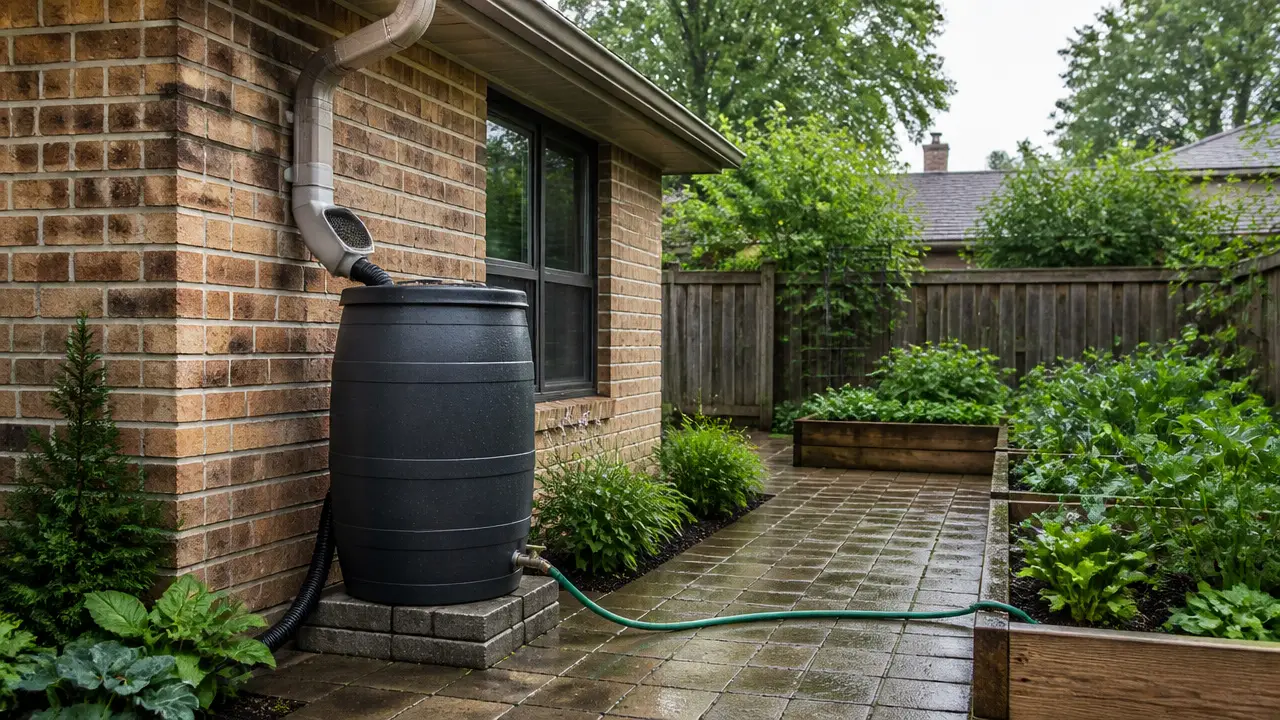
Can Rainwater Be Your Emergency Drinking-Water Supply?
Rainwater can provide useful backup water, but roof-collected rainwater should not automatically be treated as safe drinking water.
Roof runoff can pick up:
- Bird and animal waste.
- Dust.
- Leaves.
- Roofing debris.
- Chemicals.
- Microorganisms.
- Material from gutters, tanks, fittings, and pumps.
A first-flush diverter can send some of the first dirty roof runoff away from the tank, but it does not make the remaining water potable.
If a rainwater system is intended to provide drinking water, treat it as a whole water-supply system. Collection surfaces, storage, plumbing materials, prefiltration, treatment, maintenance, and current water-quality testing all matter.
Disasters can also change water quality. Floodwater and storm debris can contaminate cisterns and other catchment systems. The CDC warns that untreated catchment cisterns affected by floods or storm debris may not be suitable for use until properly evaluated and addressed.
For this reason, it is smart to keep a separate supply of known safe drinking water even if you have a large rainwater tank.
How to Take Water Out Without Contaminating It
Contamination can happen after water has been safely stored.
Whenever possible, pour water through a spout or tap instead of dipping into the container.
If you must use a scoop or other device, the CDC recommends using a clean one each time. Do not put your hands into the stored water or touch the inside surfaces unnecessarily.
Close the container promptly after dispensing water.
This is another reason smaller containers and tanks with suitable dispensing fittings can be useful.
What If Your Stored Water Might Be Contaminated?
Do not assume boiling or adding bleach fixes every type of contamination.
Boiling is very effective for killing germs, and the CDC describes it as the best way to kill germs in questionable water. However, boiling does not remove fuels, many chemicals, salts, or radioactive contamination.
If officials issue a boil-water or do-not-drink advisory, follow their specific instructions.
For water that may contain germs, current CDC guidance calls for bringing clear water to a rolling boil for 1 minute. At elevations above 6,500 feet, CDC recommends boiling for 3 minutes. Cloudy water should first be allowed to settle or filtered through a clean cloth, paper towel, or coffee filter.
Chemical disinfection with appropriate unscented household bleach may be an emergency alternative when boiling is not possible, but the correct dose depends on bleach strength and water condition. Follow current CDC, EPA, or local health-department instructions rather than relying on an old emergency chart.
If the water may contain fuel or toxic chemicals, use a different water source. Boiling and household disinfection cannot make chemically contaminated water safe.
A Practical Emergency Water Storage Setup
For many households, a simple plan works better than a complicated tank system.
Start by calculating a three-day minimum. Then work toward a two-week supply if you have room.
A practical setup might combine:
- Sealed commercial bottled water.
- Several manageable food-grade containers filled with safe tap water.
- A clearly labeled non-potable supply for toilet flushing and cleaning.
- A clean way to dispense stored water.
- A rotation date on every self-filled container.
Spread heavy containers across safe storage locations rather than putting hundreds of pounds on one weak shelf.
Keep at least some drinking water in containers that one adult can move without special equipment.
Check Your Water Supply Before You Need It
Emergency water storage is not a one-time job.
Every few months, inspect the storage area.
Check for:
- Leaks.
- Swollen or damaged containers.
- Loose caps.
- Sun exposure.
- Nearby chemicals or fuels.
- Expired commercial water.
- Self-filled containers that have reached their rotation date.
If your emergency plan depends on a pump, large cistern, filter, or treatment system, also think about what happens during a power outage.
A storage tank full of water is less useful if the only way to reach it is through an electric pump that cannot operate.
Frequently Asked Questions
How much emergency water should I store per person?
Store at least 1 gallon per person per day for a minimum of three days. The CDC recommends trying to store a two-week supply when possible. You may need more for pets, hot climates, illness, pregnancy, or other household needs.
How long can I keep tap water in storage containers?
The CDC recommends replacing water that you fill yourself every six months. Keep the container tightly closed, labeled, cool, and protected from sunlight and chemicals.
Do I need to add bleach to tap water before storing it?
If you start with safe drinking water and a properly cleaned and sanitized container, CDC storage guidance does not call for routinely adding extra bleach to the stored water. Bleach is used in a separate process to sanitize empty containers and may also be used under specific emergency instructions to disinfect questionable water.
Can I store emergency drinking water in an IBC tote?
Only if the tote is suitable for potable-water storage, has a known safe history, can be kept clean and protected, and its fittings are suitable for the intended use. Never use a tote that previously contained toxic chemicals. Also consider the very high filled weight and how you will clean and dispense from it.
Is rainwater safe for emergency drinking?
Not automatically. Roof runoff can contain germs, debris, and chemicals. A screen, first-flush device, sediment filter, or single purifier does not by itself establish that the water is safe to drink. Drinking-water use requires suitable collection and storage, appropriate treatment, maintenance, and water-quality verification.
Can boiling make any water safe to drink?
No. Boiling is very effective against germs, but it cannot remove many chemical contaminants, fuels, salts, heavy metals, or radioactive materials. If chemical contamination is suspected, use another water source and follow local health guidance.
Is one large water tank better than several smaller containers?
Not always. A large tank stores a lot of water efficiently, but it is heavy and may require a pump, strong support, special fittings, and more difficult cleaning. Several smaller containers are easier to carry, rotate, inspect, and replace if one becomes contaminated.