As an affiliate, we may earn a commission from qualifying purchases. We get commissions for purchases made through links on this website from Amazon and other third parties.
A water leak is not always easy to spot. Some leaks make a puddle right away. Others hide behind walls, under floors, inside a toilet, or along an underground water line.
Common signs include an unexplained rise in water use, damp spots, musty smells, peeling paint, low water pressure, and the sound of running water when no fixtures are being used. In a rainwater system, a tank level that drops faster than expected can also point to a leak.
Finding the problem early can limit water damage and help prevent a small plumbing fault from becoming a larger repair.
Common Signs of a Water Leak
1. Your Water Use Suddenly Increases
A higher-than-normal water bill or meter reading can be one of the first signs of a hidden leak.
Compare your water use with similar months if you can. Seasonal changes matter. Watering a garden, filling a pool, or having more people at home can also increase use.
If your habits have not changed but water use has climbed, check for leaks.
Common causes include:
- A running toilet
- A dripping faucet
- A leaking outdoor tap
- A damaged irrigation line
- A leaking supply pipe
- A faulty appliance connection
Even a slow leak can waste a surprising amount of water over time.
2. The Water Meter Moves When Everything Is Off
Your water meter can help identify leaks in a pressurized household plumbing system.
Turn off faucets, showers, washing machines, dishwashers, irrigation, and other known water users. Then check the meter.
If the meter continues to show water movement, water may still be flowing somewhere in the system.
Do not assume the problem is automatically a broken pipe. A toilet fill valve, automatic irrigation system, water treatment unit, or appliance may also be using water.
If you cannot identify the cause, a plumber can isolate sections of the system.
3. You Hear Water Running When No Fixture Is On
Listen when the house is quiet.
Possible leak sounds include:
- Dripping
- Hissing
- Trickling
- Water running through pipes
- A faint spraying sound inside a wall
Some plumbing systems make normal noises when water heaters, pumps, filtration equipment, or appliances operate. The important clue is a sound that continues when you expect the system to be idle.
A strong spraying sound inside a wall can indicate a serious pressurized leak. Shut off the affected water supply if you can do so safely and call a plumber.
Signs of a Leak Inside Walls or Ceilings
Hidden leaks often leave clues before water becomes visible.
Water Stains
Brown, yellow, or dark patches on a ceiling or wall can indicate moisture.
The leak may not be directly above the stain. Water can travel along pipes, framing, insulation, and other building materials before appearing.
Peeling or Bubbling Paint
Water behind a painted surface can cause:
- Blistering
- Bubbling
- Peeling
- Flaking
- Discoloration
Wallpaper may loosen or develop stains for the same reason.
Soft or Swollen Materials
Drywall, wood flooring, cabinets, trim, and other materials may change when exposed to water.
Look for:
- Warped flooring
- Swollen baseboards
- Soft drywall
- Buckled laminate
- Doors or cabinets that suddenly stick
Do not press hard into badly damaged ceilings or walls. Wet building materials can lose strength.
Musty Odors
A persistent musty smell may mean moisture is trapped somewhere that cannot dry properly.
The smell alone does not prove you have a plumbing leak. Roof leaks, condensation, poor ventilation, groundwater, and appliance problems can cause similar conditions.
The moisture source needs to be found before damaged materials are repaired.
Signs of a Toilet Leak
Toilets are a common source of leaks because some failures send water directly into the drain. You may never see a puddle.
Watch for:
- The toilet refilling by itself
- Water constantly moving in the bowl
- A faint running sound
- A fill valve that operates between flushes
- Water around the base of the toilet
If water is leaking onto the floor around the base, stop using the toilet until the cause is found. Water can damage the flooring and the structure underneath.
A toilet that runs internally usually has a different problem, such as a worn flapper, seal, or fill valve.
Signs of a Leak Under a Sink
Check kitchen, bathroom, laundry, and utility sinks regularly.
Look around:
- Supply hose connections
- Shutoff valves
- Faucet connections
- Drain fittings
- Garbage disposal connections
- Water filter housings
Signs of a slow leak include staining, damp cabinet floors, swollen particleboard, corrosion, or mineral deposits around a fitting.
A dry paper towel can help reveal a very slow drip when wiped around a connection.
Do not keep tightening plastic fittings if they continue leaking. Excess force can crack a housing or fitting.
Signs of an Underground Water Leak
Underground leaks can be harder to locate.
Possible signs include:
- A wet patch that does not dry
- Unusually green grass in one small area
- Soft or muddy soil
- Water appearing through pavement cracks
- A noticeable loss of water pressure
- Unexpected meter movement
These symptoms are not proof of a buried pipe leak. Poor drainage, groundwater, irrigation, and recent rain can create similar conditions.
A plumber or leak-detection specialist may use pressure testing or locating equipment to narrow down the source without unnecessary digging.
Low Water Pressure Can Be a Clue
A significant pipe leak can reduce water pressure, especially if a large amount of water is escaping.
But low pressure has many other possible causes, including:
- A clogged filter
- A partly closed valve
- Mineral buildup
- A failing pressure regulator
- A weak well or rainwater pump
- Pipes that are too small for the required flow
If pressure suddenly changes throughout the property, check for other leak symptoms before assuming the pipe sizing is the problem.
Watch for Pumps That Run Too Often
Homes using wells, cisterns, or rainwater tanks may notice leaks in a different way.
A pressure pump that starts repeatedly when nobody is using water may indicate that pressure is escaping somewhere.
Possible causes include:
- A leaking faucet
- A running toilet
- A damaged pipe
- A leaking check valve
- A problem with the pressure tank
- A leaking irrigation valve
Guidance on expected timing for can a water leak go unnoticed helps evaluate how the decision supports the whole collection process.
Frequent pump cycling can shorten pump life, so the cause should be investigated.
Disconnect electrical power before opening or repairing pump wiring or electrical controls. Electrical troubleshooting around water should be handled conservatively.
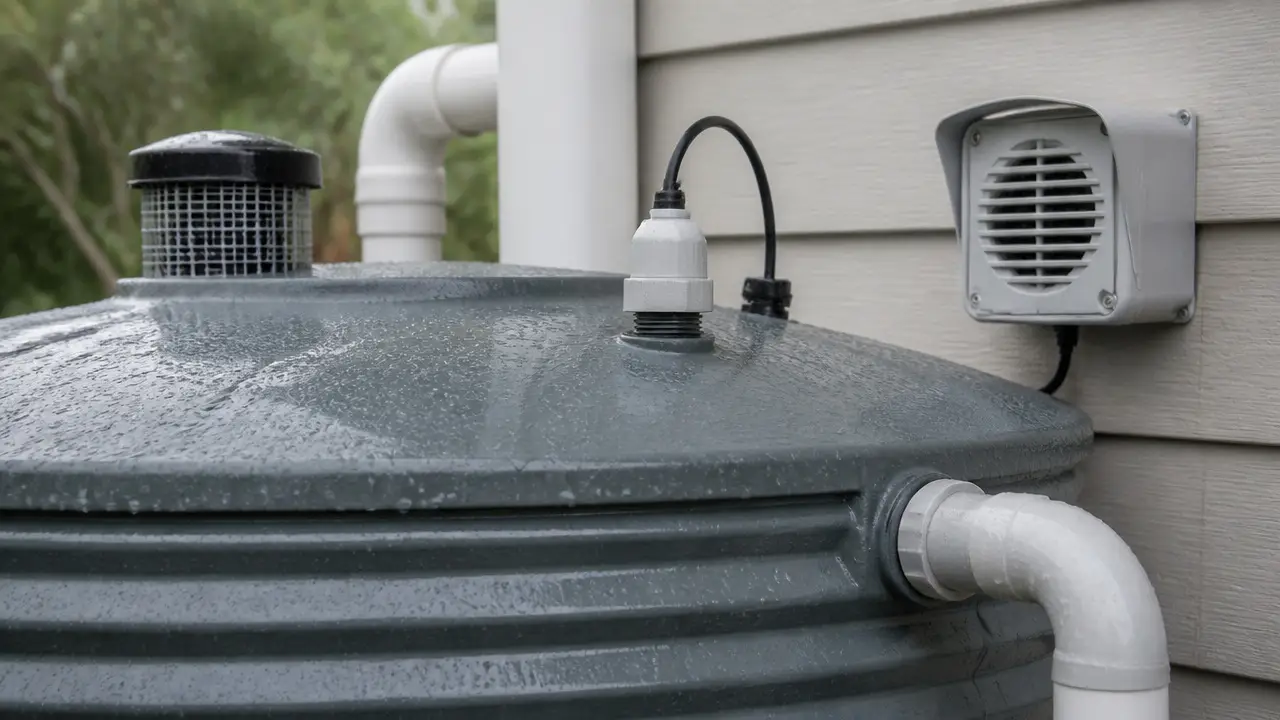
Signs of a Leak in a Rainwater Harvesting System
Rainwater systems have several connections that can leak even when household plumbing is working normally.
Check these areas first.
Tank Outlet
Inspect the fitting where water leaves the tank.
Many tanks use a bulkhead fitting. A bulkhead fitting passes through the tank wall and creates a sealed connection for a valve or pipe.
Look for moisture around the gasket, threads, valve, or surrounding tank wall.
Do not simply tighten the fitting as hard as possible. Overtightening can damage seals, plastic threads, or the tank itself.
Tank Level Drops Unexpectedly
A stored-water level should generally remain steady when no water is entering or leaving the tank.
If the level keeps falling during dry weather when you are not using water, inspect:
- Tank walls
- Bottom fittings
- Valves
- Pump connections
- Underground lines
- Overflow plumbing
Remember that automatic irrigation, toilet flushing, or other connected uses may operate without being immediately obvious.
Wet Ground Around the Tank
Persistent wet soil near one part of a tank can indicate a leak.
First rule out:
- Recent rain
- Overflow discharge
- Condensation
- Irrigation
- A nearby downspout
Then inspect the tank outlet and connected pipes.
Pump Loses Pressure
A rainwater pump that cannot hold pressure after it shuts off may have a leak downstream.
Other causes include a faulty check valve, pressure tank issue, or pump problem.
If you are not comfortable working on pressurized plumbing or electrical equipment, have a qualified professional diagnose the system.
Check Irrigation Systems for Hidden Leaks
Garden irrigation can lose water without creating an obvious indoor symptom.
Walk the lines while the system is running and look for:
- Puddles
- Unusually wet soil
- Water spraying from connections
- Drip line splits
- Emitters that have come loose
- Damaged hoses
- Leaking valves
A broken underground irrigation line may create a soft patch or unusually lush area rather than a visible stream.
Rainwater-fed drip systems should also be checked for leaks after filters, valves, and pump connections are serviced.
Moisture Does Not Always Mean a Plumbing Leak
Before opening a wall or replacing plumbing, consider other sources of moisture.
Similar symptoms can come from:
- Roof leaks
- Gutter problems
- Window leaks
- Condensation
- High indoor humidity
- Air-conditioning drains
- Appliance leaks
- Groundwater
- Poor drainage around the building
Finding the actual source matters. Repairing a stained wall without fixing the source usually means the damage returns.
A Simple Way to Check for a Household Leak
If you suspect a leak but cannot see one, start with a basic isolation check.
- Turn off faucets and known water-using appliances.
- Make sure toilets have finished filling.
- Stop irrigation and other automatic water uses.
- Check the water meter.
- Avoid using water for a short period.
- Check the meter again.
A change indicates that water moved through the meter during that period.
Next, check toilets, outdoor taps, appliances, irrigation, and other common leak points.
For a rainwater system without a water meter, you can use a tank-level reading instead. Mark or record the level when no water is expected to enter or leave the tank. A continuing drop can help confirm that water is escaping or being used somewhere.
Do not rely on this method alone if the tank shape makes small level changes difficult to interpret.
When a Leak Needs Immediate Attention
Some leaks should not wait.
Act quickly if you have:
- Water flowing through a ceiling
- A burst pipe
- Water near electrical equipment
- Rapidly spreading wall or floor damage
- Major pressure loss
- A tank or plumbing fitting that is releasing water quickly
- Signs that a ceiling or floor is becoming unstable
If safe, shut off the water supply or pump feeding the leak.
Do not enter standing water if electrical equipment, outlets, wiring, or appliances may be energized. Turn off electrical power only if you can reach the correct control without entering a hazardous area.
Major plumbing, structural, or electrical problems should be handled by qualified professionals.
Check Small Leaks Before They Become Large Ones
Leaks often begin at connections, valves, seals, hoses, and fittings rather than in the middle of a pipe.
Regularly inspect accessible areas such as:
- Under sinks
- Behind toilets
- Around water heaters
- Near washing machines
- At outdoor taps
- Around filters
- At pump connections
- Around rainwater tank outlets
- Along visible irrigation lines
Catching corrosion, loose connections, cracked hoses, or damp materials early can make repairs much simpler.
Frequently Asked Questions
How can I tell if I have a hidden water leak?
Turn off known water uses and check your water meter. If it continues showing water movement, investigate toilets, appliances, irrigation, and hidden plumbing. Stains, musty smells, and unexplained damp areas can provide additional clues.
Can a water leak cause low water pressure?
Yes. A large enough leak can reduce pressure. However, clogged filters, partly closed valves, pressure regulators, pumps, and pipe restrictions can cause similar symptoms.
Why can I hear water running when everything is turned off?
A toilet may be refilling, an appliance may be using water, or a leak may be allowing continuous flow. Check the water meter and common fixtures. Persistent unexplained flow should be investigated by a plumber.
How do I know if my rainwater tank is leaking?
Watch the tank level during a period when no rainwater is entering and no stored water should be used. If the level continues dropping, inspect the tank outlet, valves, pipe connections, tank walls, and connected systems.
Is a wet spot in my yard always a broken pipe?
No. Irrigation, poor drainage, groundwater, recent rain, and overflow discharge can create wet areas. Persistent unexplained wet ground combined with meter movement can make a buried leak more likely.
Can a leaking toilet increase water use without making a puddle?
Yes. Many toilet leaks send water directly from the tank into the bowl and then into the drain. The toilet may refill periodically even when nobody has used it.
Should I repair a hidden pipe leak myself?
Simple accessible fittings may be reasonable DIY work if you understand the plumbing involved. Leaks inside walls, underground lines, structural damage, electrical hazards, or complex pressurized systems are better handled by qualified professionals.