As an affiliate, we may earn a commission from qualifying purchases. We get commissions for purchases made through links on this website from Amazon and other third parties.
Consumer Reports’ lowest-performing gutter guards were mainly foam inserts, brush inserts, and one poorly performing screen. In its comprehensive gutter-guard test, GutterBrush and GutterStuff finished at the bottom among the guards tested, followed closely by GutterFill SCALLSEA5K, Leaf Defier XL, and Raingo RW115. Among professionally installed systems, Waterloov ranked last.
There is an important catch. These results come from Consumer Reports’ September 2010 test, not a new 2026 comparison. The test covered 19 models and exposed the guards to outdoor debris for 480 days while also testing their ability to handle heavy rain. Consumer Reports’ current website still carries its older gutter-guard material rather than a new comprehensive model-by-model test.
Which Gutter Guards Performed Worst?
The bottom of Consumer Reports’ homeowner-installed group looked like this:
| Gutter guard | Type | Consumer Reports overall score | Main weakness |
|---|---|---|---|
| GutterBrush | Brush insert | 44 | Poor debris control and weaker severe-flow handling |
| GutterStuff | Foam insert | 44 | Poor debris control |
| GutterFill SCALLSEA5K | Foam insert | 46 | Poor debris control |
| Leaf Defier XL | Foam insert | 46 | Poor debris control |
| Raingo RW115 | Screen | 46 | Debris problems and water spilling over the gutter |
| Waterloov | Professionally installed surface-tension guard | 56 | Poor severe-rain performance |
Consumer Reports scored an open gutter with no guard at 27, so even the lowest-rated guards provided some benefit compared with leaving the gutter completely exposed. Still, the differences between the better and worse guards were large.
GutterBrush Was One of the Lowest Performers
GutterBrush is a long cylindrical brush that sits inside the gutter. Water passes through the bristles while leaves are supposed to stay above them.
In Consumer Reports’ test, it tied for the lowest overall score among the gutter guards at 44. Its biggest weakness was debris buildup.
That problem makes sense for this type of guard. Small leaves, seeds, pine needles, and other material can become trapped between the bristles instead of blowing away.
For a rainwater harvesting system, trapped organic material is especially undesirable. Water flowing through decaying leaves and debris can carry more dirt and organic matter toward the downspout and storage tank.
A brush guard is therefore not a replacement for normal rainwater-system prefiltration.
GutterStuff Also Finished at the Bottom
GutterStuff is a foam insert that fills much of the gutter while leaving open pores for water to pass through.
It also received an overall score of 44, tying GutterBrush for the lowest gutter-guard score in the Consumer Reports comparison.
Consumer Reports found a broader problem with this category: none of the inserts tested were good at keeping debris out.
Foam can stop large leaves, but small material can settle on or inside the foam. That can reduce flow and create another surface that needs cleaning.
If your goal is collecting roof runoff, pay close attention to this issue. A guard that restricts gutter flow during a storm may cause water to spill over the edge rather than reach your rain barrel, IBC tote, or cistern.
GutterFill and Leaf Defier XL Had Similar Problems
GutterFill SCALLSEA5K and Leaf Defier XL were also foam inserts. Each received an overall score of 46, only slightly above the two lowest performers.
Both did reasonably well at accepting water in Consumer Reports’ simulated rainfall tests. Their main weakness was keeping debris from building up.
This distinction matters.
A gutter guard needs to do two jobs:
- Keep enough debris out of the gutter.
- Let enough rainwater enter during storms.
A product can handle water well when clean but become less useful after leaves, pollen, seeds, and other debris collect on it.
That is why maintenance matters just as much as the basic guard design.
Raingo RW115 Had Trouble With Both Debris and Water
The Raingo RW115 was a screen rather than a foam or brush insert. It still finished near the bottom with an overall score of 46.
Consumer Reports specifically noted that the Raingo allowed water to pour over the gutter's sides. An account of the test also reported that part of the screen collapsed into the gutter.
For rainwater collection, overflow is a major disadvantage.
Suppose your roof is sending a strong flow toward a downspout connected to a storage tank. If the guard causes water to run over the front of the gutter, some of that available rain never reaches the tank.
That does not mean every screen performs badly. Consumer Reports found major differences between screen designs.
Waterloov Was the Lowest-Ranked Professional System
Among the professionally installed gutter guards, Waterloov ranked last, with an overall score of 56.
It was a surface-tension design.
A surface-tension gutter guard uses a curved solid cover. Rain is supposed to cling to the curved surface and travel around its edge into the gutter, while leaves continue past the opening.
These systems can shed large debris well. Their weakness can appear when water moves across the roof faster than the guard can capture it.
Consumer Reports found that Waterloov allowed heavy rainfall to pour over the guard. More broadly, even the highest-ranked professionally installed systems were only rated as good at containing the test's severe rainfall.
That tradeoff deserves extra attention when the gutter feeds a rainwater tank.
Foam and Brush Guards Were the Bigger Warning
The most useful lesson from the Consumer Reports test is not that one old model should always be avoided. It is that foam and brush inserts performed poorly as a group at keeping debris out.
Consumer Reports tested gutters outdoors for 16 months without upkeep. The debris included leaves, pine needles, and other common gutter material.
The foam and brush products landed near the bottom because debris could still accumulate.
That does not guarantee that every modern foam or brush guard will perform the same way. Designs and materials may have changed since 2010. It does mean you should look carefully at how any insert deals with the particular debris around your house.
Evaluating drawbacks of gutter guards helps understand safe handling of roof discharge at the property.
Pine needles, small seeds, flower parts, roof grit, and pollen are harder to manage than large dry leaves.
Fine-Mesh Screens Performed Much Better
Consumer Reports found that the better fine-mesh screens outperformed screens with larger openings and the tested foam and brush inserts.
A fine-mesh guard uses a screen with very small openings. The goal is to let water through while keeping smaller debris on top.
That can be useful for rainwater harvesting because it reduces the amount of large material reaching the downspout.
But a fine-mesh guard still needs maintenance.
Pollen, roof grit, tiny seeds, and organic material can collect on the screen. Consumer Reports specifically noted that even one of its top fine-mesh systems could require brushing in areas with heavy pollen.
No gutter guard should be treated as maintenance-free.
Heavy Rain Matters More for Rainwater Harvesting
Consumer Reports tested more than debris resistance. It also simulated high water flow.
The heavy-flow test represented roughly 3½ to 4½ inches of rain per hour over the test roof section. Its severe-flow test represented roughly 6 to 7½ inches per hour for short bursts.
Those are test conditions rather than rainfall predictions for your home. But they highlight an important system-planning issue.
A guard that keeps out leaves but sheds a lot of water over the gutter edge can work against rainwater collection.
For a harvesting system, the path needs to work as a whole:
roof → gutter guard or leaf screen → gutter → downspout → first-flush or debris-control stage → storage
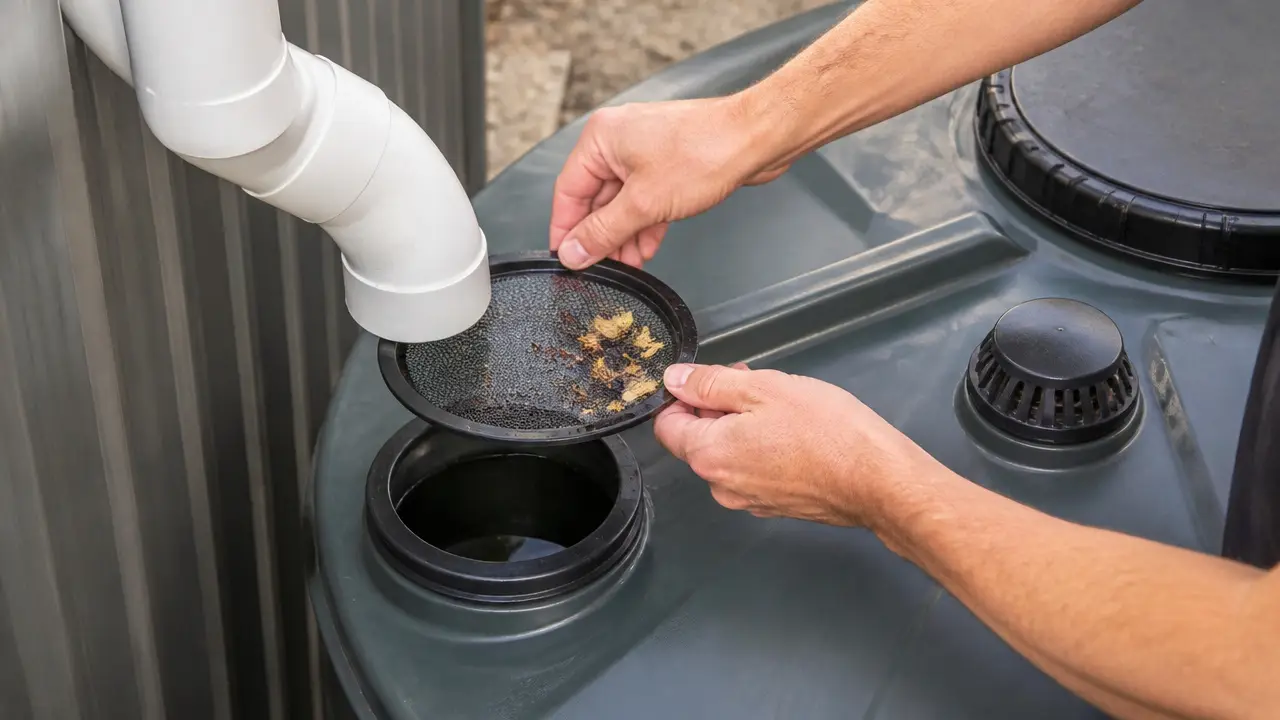
A first flush is a device or arrangement that diverts some of the first roof runoff away from storage. That early runoff can contain accumulated dust, bird droppings, leaves, and other contaminants.
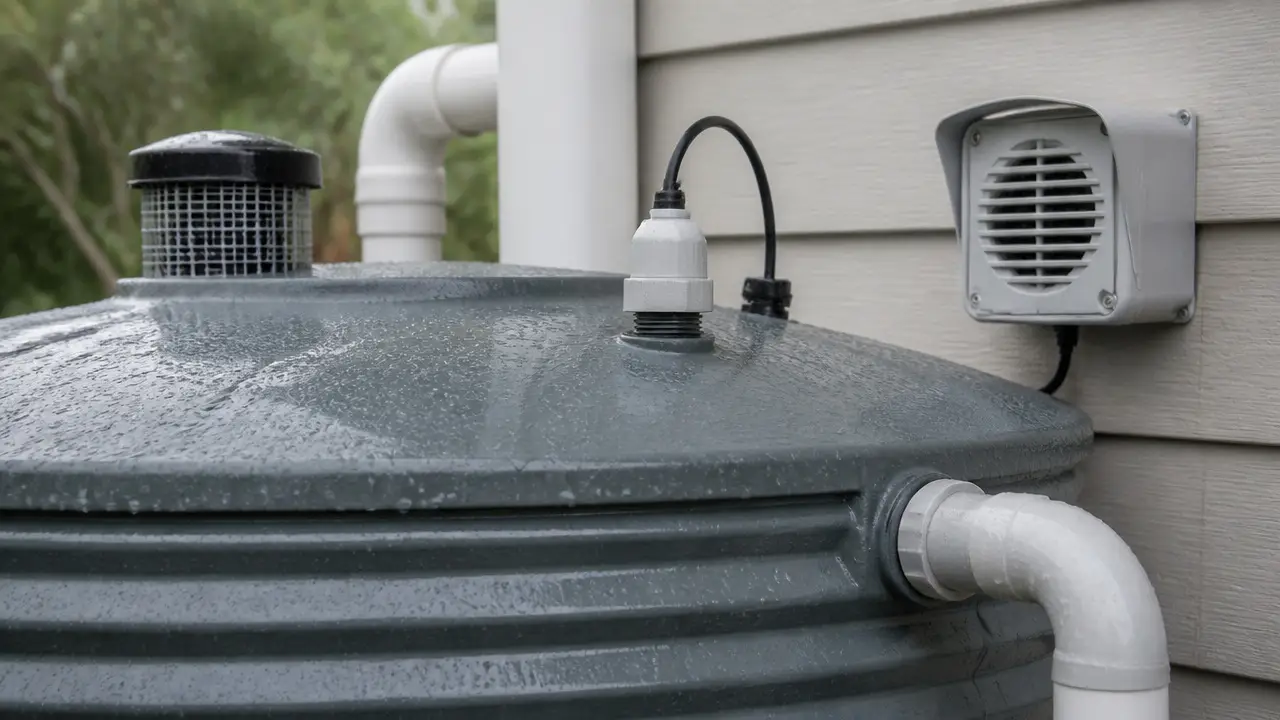
Gutter guards can reduce large debris, but they do not replace appropriate first-flush management, tank screening, filtration, or treatment required for the intended water use.
Do Not Treat the 2010 Ranking as a Current Shopping List
It would be misleading to call these the "worst gutter guards of 2026."
They were the lowest performers in Consumer Reports’ published 2010 comparison. Models can disappear, change materials, or be redesigned over time.
The more durable lesson is to be cautious about a guard when:
- Organic debris can become trapped inside it.
- Pine needles and seeds easily enter or lodge in the surface.
- Water overshoots the gutter during strong rain.
- Cleaning requires repeatedly removing the guard.
- The design makes it difficult to inspect the gutter underneath.
- Installation interferes with proper gutter pitch or roof materials.
- The manufacturer describes it as maintenance-free.
A good guard should reduce your gutter-cleaning burden. It should not simply move the clog from inside the gutter to the top or inside of the guard.
What Should You Look for Instead?
For a rainwater collection system, start with your roof and the debris around it rather than choosing a guard by brand name.
Fine mesh can be useful where you have small leaves, needles, or seeds. A larger-hole screen may work where debris consists mostly of larger leaves and the screen stays easy to inspect.
Also consider water flow. Gutters, downspouts, screens, diverters, and tank inlets all need enough capacity for the runoff reaching them.
After installation, watch the system during a safe, moderate-to-heavy rain from ground level. Look for water spilling over the front edge, concentrating behind the gutter, or bypassing the downspout.
Do not climb onto a roof or ladder during rain to investigate a problem. Have a qualified gutter or roofing professional inspect difficult or unsafe locations.
Frequently Asked Questions
What gutter guard did Consumer Reports rate the worst?
GutterBrush and GutterStuff tied for the lowest overall score among the gutter guards in Consumer Reports’ September 2010 test. Both scored 44. GutterBrush was a brush insert, while GutterStuff was a foam insert.
Did Consumer Reports say foam gutter guards are bad?
Consumer Reports found that the foam inserts in its test did poorly at preventing debris buildup. GutterStuff scored 44, while GutterFill SCALLSEA5K and Leaf Defier XL scored 46. These results apply to the models tested in 2010 and should not automatically be applied to every foam guard sold today.
Are brush gutter guards worth avoiding?
Brush-style guards deserve careful consideration if your roof receives pine needles, seeds, or small organic debris. Consumer Reports’ tested GutterBrush finished at the bottom of its comparison because debris buildup was a major weakness. That does not establish the performance of every modern brush design.
Which professionally installed gutter guard performed worst?
Waterloov was the lowest-ranked professionally installed system in Consumer Reports’ 2010 comparison. Its main weakness was handling high water flow, with Consumer Reports noting that heavy rainfall could pour over it.
Are micro-mesh gutter guards better than foam?
In Consumer Reports’ test, the better fine-mesh screens performed substantially better than the foam inserts. Fine mesh was more effective at blocking small debris while still accepting water. Fine mesh can still clog at the surface and needs inspection and cleaning.
Can gutter guards reduce the amount of rainwater I collect?
Yes. If a gutter guard causes runoff to overshoot or spill over the gutter, less water reaches your downspout and storage tank. This is especially important during intense rain, when roof runoff is highest.
Do gutter guards make collected rainwater safe to drink?
No. Gutter guards are only a debris-control stage. They do not make roof runoff potable, which means safe for drinking. Drinking-water systems require suitable collection practices, appropriate treatment stages, maintenance, current laboratory testing, and compliance with applicable local requirements.