As an affiliate, we may earn a commission from qualifying purchases. We get commissions for purchases made through links on this website from Amazon and other third parties.
Yes. Gutter guards reduce how much debris gets into your gutters, but they do not make gutters maintenance-free.
Leaves, roof grit, pollen, seeds, moss, and small debris can still collect on top of the guards or pass through them. Gutters can also develop clogs near downspouts and corners. If the gutters feed a rain barrel or storage tank, regular cleaning matters even more because dirty gutters can send more sediment and organic material into the water.
What Gutter Guards Actually Do
Gutter guards are screens, covers, or inserts placed over a gutter. Their main job is to keep larger debris out while allowing rainwater to enter.
They can reduce:
- Leaves inside the gutter
- Twigs and larger debris
- The number of major clogs
- How often you need a full gutter cleanout
They usually cannot stop every small particle.
Fine material can still reach the gutter, including:
- Roof shingle grit
- Pollen
- Dust
- Pine needles
- Small seeds
- Insect debris
- Bits of moss or plant matter
Some debris also stays on top of the guard instead of falling away.
Why Gutters With Guards Still Need Cleaning
Several problems can develop even when the gutter itself looks protected.
Debris Can Build Up on Top
Leaves may sit on the guard until wind blows them away. In wet weather, however, they can stick together and form a mat.
Water may then flow over the edge instead of entering the gutter.
This is especially common near roof valleys, where a large amount of water and debris can reach one small section of gutter.
Small Debris Can Pass Through
Many gutter guards have openings large enough for fine material to enter.
Over time, this material can collect on the bottom of the gutter. It may turn into a layer of mud or organic sludge.
The gutter can still look clear from the ground while this buildup is happening underneath the guard.
Downspouts Can Still Clog
A small amount of debris can cause trouble if it reaches a narrow outlet.
Check:
- Downspout openings
- Elbows
- Underground drain connections
- Rain barrel diverters
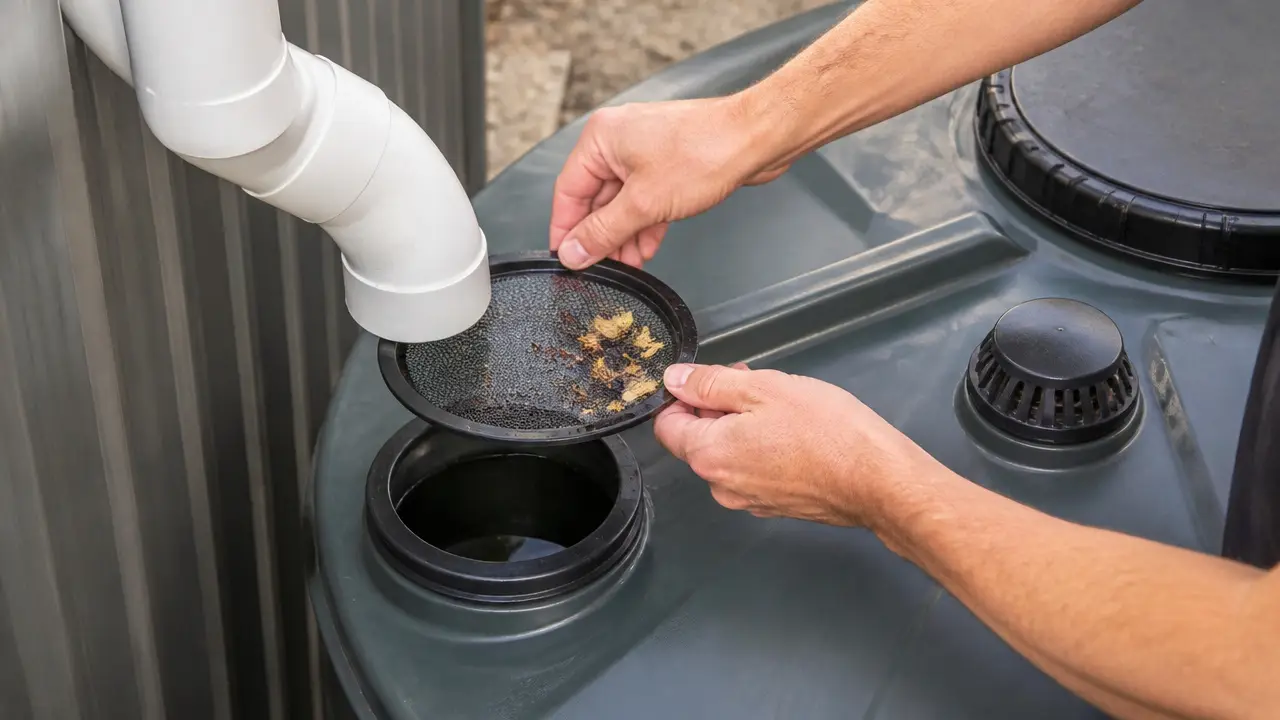
- Screens and strainers
A gutter guard does little good if the water cannot leave the gutter.
The Guards Themselves Can Get Dirty
Mesh-style guards can become coated with roof grit, pollen, moss, or dirt.
Very fine screens are especially likely to need surface cleaning.
If the openings become blocked, water may run across the guard instead of through it.
How Often Should You Check Gutters With Gutter Guards?
There is no single cleaning schedule that works for every home.
A useful starting point is to inspect the system at least a few times each year and after major storms. Homes surrounded by trees may need more frequent checks.
Pay extra attention during:
- Heavy leaf fall
- Spring pollen or seed drop
- Windstorms
- Long dry periods followed by rain
- Moss growth
- Nearby tree trimming
- Very heavy rainfall
You may not need to remove the guards and clean the entire gutter every time. Often, an inspection and removal of surface debris is enough.
The condition of the system matters more than following a fixed calendar.
Signs Your Gutters Need Cleaning
Watch the gutters during rainfall when it is safe to do so from the ground.
Cleaning or inspection may be needed if you notice:
- Water spilling over the gutter edge
- Water shooting past the gutter during heavy rain
- Plants growing from the gutter
- Standing water after a storm
- Slow drainage
- Water leaking behind the gutter
- A clogged downspout
- Debris covering the guard
- Dirty water entering your rain barrel
- More sediment than usual in your storage tank
Overflow does not always mean there is a clog. A gutter can also overflow if it is undersized, poorly sloped, damaged, or receiving a large amount of roof runoff in one spot.
Gutter Cleaning Matters More When You Collect Rainwater
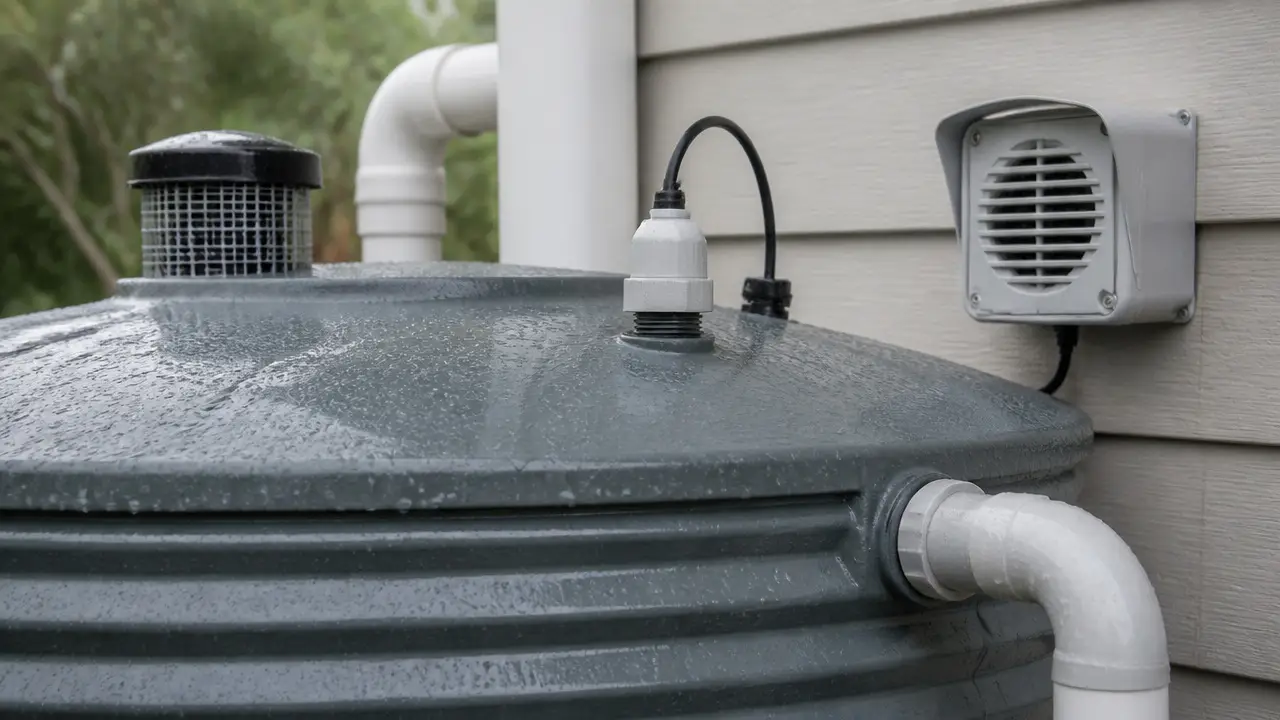
If your gutters feed a rain barrel, IBC tote, cistern, or other storage tank, gutter maintenance becomes part of water-quality management.
Roof runoff can carry dirt, bird droppings, insects, leaves, roof particles, and other contamination. Gutter guards may remove larger debris, but they do not make collected rainwater clean or potable.
Dirty organic material left in a gutter can wash into storage during the next storm.
This can lead to:
- More sediment in the tank
- Darker or discolored water
- Odors
- Faster screen and filter clogging
- More nutrients available for biological growth
Keeping the roof drainage path reasonably clean reduces the amount of material your downstream equipment has to handle.
Gutter Guards Are Not a Substitute for Rainwater Prefiltration
A gutter guard and a rainwater prefilter do different jobs.
A gutter guard mainly keeps larger debris from building up in the gutter.
Review roofing professionals’ views on gutter guards to understand stormwater capture details for the local roof conditions.
A rainwater prefilter removes debris as water moves toward storage. Depending on the system, this might include a leaf screen or another debris separator.
A first-flush device is different again. It diverts some of the earliest roof runoff, which often carries a higher load of roof debris and contamination.
None of these devices alone makes roof runoff safe to drink.
For drinking-water use, rainwater safety must be considered as a complete system. Collection surfaces, storage, treatment, maintenance, appropriate testing, and applicable local requirements all matter.
Do Gutter Guards Make Cleaning Harder?
Sometimes.
Some guards lift or remove easily. Others are screwed into place or tucked beneath roofing materials.
If debris builds up underneath a permanently installed guard, cleaning can take more work than cleaning an open gutter.
This is worth considering before installation.
A good gutter-guard setup should allow reasonable access to:
- The gutter channel
- Downspout outlets
- Roof valleys
- Corners
- Rainwater collection connections
Do not damage roofing materials or loosen gutter attachments just to reach debris.
Should You Remove Gutter Guards to Clean the Gutters?
Not every time.
If the guard surface is dirty but the gutter underneath is draining properly, cleaning the top may be enough.
Removing a section may be useful when:
- Water drains slowly
- Sediment has built up underneath
- A downspout entrance is blocked
- Plants are growing in the gutter
- You cannot inspect the gutter another way
Follow the guard manufacturer's installation method where possible. Some systems can be damaged if they are bent, pried, or removed incorrectly.
Keep Rainwater System Screens Clean Too
When gutters feed a storage system, inspect more than the gutter guard.
A typical system may also have:
- Downspout screens
- Leaf strainers
- Rain barrel inlet screens
- First-flush components
- Tank inlet screens
- Pump strainers
- Irrigation filters
A clean gutter does not help much if the next screen in the system is completely blocked.
Try to think of the system as one path from the roof to the point where the water is used.
Cleaning Safely
Gutter work often involves ladders and roof edges, which can create more risk than the cleaning itself.
Whenever possible, inspect from the ground or use tools that allow cleaning without climbing onto the roof.
Avoid working on:
- Wet roofs
- Icy surfaces
- Unstable ladders
- Areas near overhead electrical lines
For high roofs, steep roofs, difficult guard systems, or gutters that cannot be reached safely, hiring a qualified gutter-cleaning service is usually the safer choice.
The Bottom Line
You still need to clean and inspect gutters even if you have gutter guards.
The guards can reduce leaves and large debris, so you may need less frequent cleaning. But small particles can still enter the gutter, debris can collect on top, and downspouts can still clog.
For a rainwater harvesting system, regular gutter maintenance is especially useful because it reduces the amount of debris and organic material that reaches your storage tank.
Treat gutter guards as a way to reduce maintenance, not eliminate it.
Frequently Asked Questions
How often should gutters with gutter guards be cleaned?
There is no fixed schedule for every house. Inspect them several times a year and after major storms. Homes surrounded by trees may need more frequent cleaning.
Can gutter guards stop gutters from clogging completely?
No. They can reduce large debris, but small particles, seeds, roof grit, and other material can still enter or block drainage points.
Can leaves clog the top of gutter guards?
Yes. Wet leaves can form a layer over the guard and prevent water from entering the gutter properly.
Do gutter guards help a rain barrel system?
They can help keep larger debris out of the gutter, but you should still use suitable inlet screens or other prefiltration where needed. Gutter guards alone do not make stored rainwater clean or safe to drink.
Why is water overflowing even though my gutter guards look clean?
The gutter may contain sediment underneath the guards, the downspout may be clogged, or the gutter may have a slope, capacity, or installation problem.
Do I have to remove gutter guards every time I clean the gutter?
Usually not. Surface cleaning may be enough if water flows freely. You may need to remove a section if debris or sediment has collected underneath.
Are gutter guards maintenance-free?
No. Even well-designed guards need periodic inspection and cleaning to keep water moving properly.