As an affiliate, we may earn a commission from qualifying purchases. We get commissions for purchases made through links on this website from Amazon and other third parties.
What Happens If You Never Clean Your Gutters?
If you never clean your gutters, leaves, twigs, roof grit, and other debris can slowly block the path water needs to follow.
At first, the problem may seem small. Water may spill over one section of the gutter during heavy rain. Over time, clogged gutters can lead to roof leaks, damaged fascia boards, foundation problems, pest activity, and poor-quality rainwater collection.
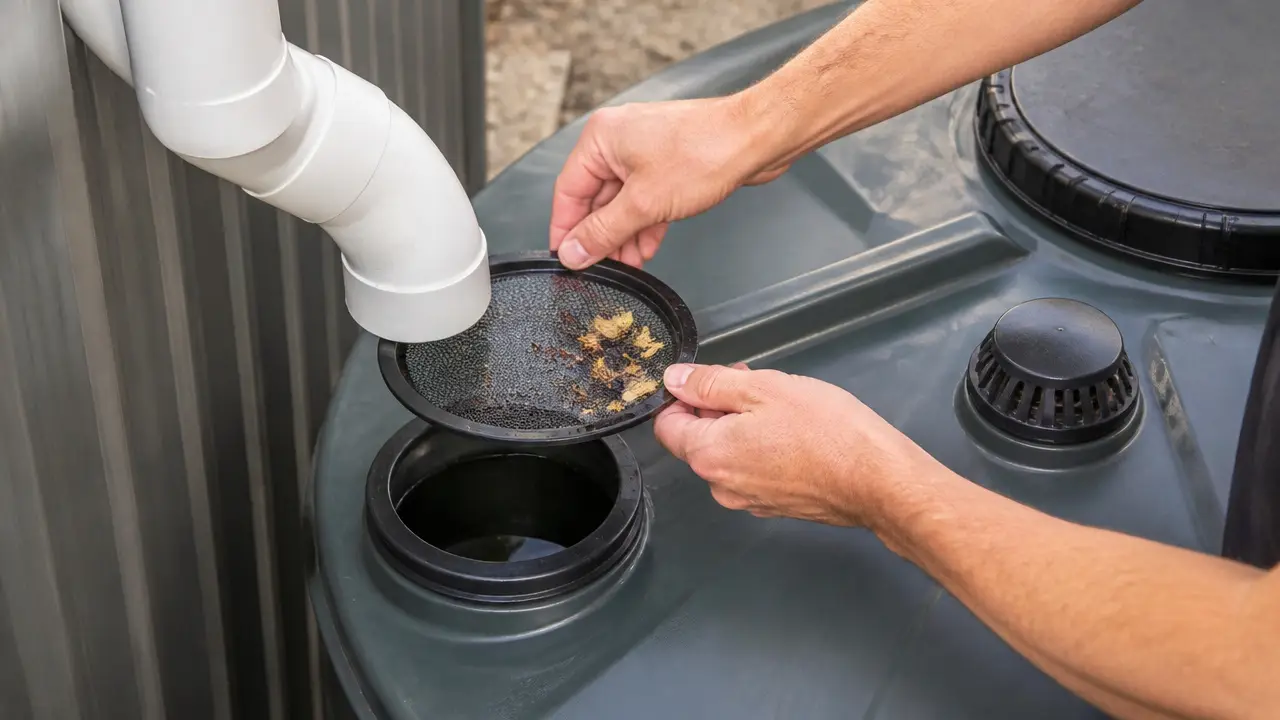
For a rainwater harvesting system, dirty gutters can also send more sediment and organic matter into your barrel, tote, or cistern. That means more cleaning and a higher chance of odors, algae, and clogged filters or pumps.
Regular gutter cleaning helps rainwater move where it is supposed to go.
Gutters Stop Draining Properly
A gutter works like a shallow channel along the edge of your roof. Rain falls on the roof, enters the gutter, and flows toward a downspout.
When leaves and debris pile up, they slow that flow.
Eventually, water may have nowhere to go. It can:
- Spill over the front of the gutter
- Back up under roof edges
- Pour behind the gutter
- Run down siding
- Pool next to the house
- Bypass your rain barrel or cistern inlet
You may still see some water coming through the downspout, but that does not mean the gutter is clear. A partial blockage can reduce flow long before the gutter becomes completely clogged.
Water Can Damage the Roof Edge
A clogged gutter can hold standing water for long periods.
That extra moisture can affect the parts of the roof near the gutter, including the fascia board. The fascia is the board behind the gutter that often supports the gutter brackets.
Repeated wetting can lead to peeling paint, staining, swelling, or decay in wood components.
If water backs up far enough, it may also reach places that were not designed to stay wet.
A gutter problem does not always cause an immediate roof leak. Damage often develops slowly, which is one reason routine inspection matters.
Overflow Can Affect Your Foundation
Gutters are meant to move roof runoff away from the building.
When they overflow, a large amount of water may land close to the foundation instead.
This can keep the soil around the house wetter than intended. Depending on the site, drainage, foundation type, and soil conditions, this may contribute to:
- Basement or crawl-space moisture
- Soil erosion
- Water pooling near walls
- Foundation movement in some soil types
Cleaning the gutter does not solve every drainage problem. Downspouts also need to discharge water in an appropriate location.
Gutters Can Become Heavy
Wet leaves are much heavier than dry leaves.
A gutter packed with soggy debris may also hold standing water. That added weight puts more stress on brackets, screws, fascia boards, and gutter joints.
You may notice:
- Gutters sagging
- Sections pulling away from the roof
- Loose brackets
- Leaking seams
- Incorrect gutter slope
A sagging gutter often drains poorly even after the blockage is removed. It may need to be realigned or repaired.
Pests May Move In
Debris-filled gutters can provide damp, sheltered places for insects and small animals.
Depending on the area, clogged gutters may attract mosquitoes, ants, birds, rodents, or other pests.
Standing water is especially important to address because some mosquitoes can breed in very small amounts of water.
Cleaning out the debris and restoring drainage removes much of the habitat that makes the gutter attractive.
Plants Can Start Growing in the Gutter
If enough dirt and organic material collect, gutters can begin to act like long, shallow planter boxes.
Seeds may blow in or arrive with bird droppings. If moisture stays in the debris, grasses and small plants can begin growing.
Visible plants are usually a sign that the gutter has been neglected for quite a while.
The roots are not the main problem. The bigger issue is the large amount of wet material blocking drainage and adding weight.
Winter Can Make Clogged Gutters Worse
In freezing climates, clogged gutters can hold water that later freezes.
Ice can add more weight to the gutter and may worsen existing sagging or loose connections.
Freeze and thaw cycles can also make leaks around seams and joints more noticeable.
Ice near a roof edge can involve several factors, including insulation, ventilation, roof temperature, and outdoor weather. Gutter cleaning alone does not prevent every winter ice problem.
If roof ice is causing repeated leaks or safety concerns, the roof and attic may need a broader inspection.
Dirty Gutters Can Hurt a Rainwater Harvesting System
Gutter maintenance is especially important if you collect roof runoff.
Everything that enters the gutter can potentially move toward your storage tank.
That may include:
- Leaves
- Roof grit
- Dust
- Pollen
- Insect debris
- Bird droppings
- Small twigs
- Decomposing organic matter
Screens, leaf guards, and prefilters can reduce some debris, but they do not remove the need for inspection and cleaning.
More Sediment Reaches the Tank
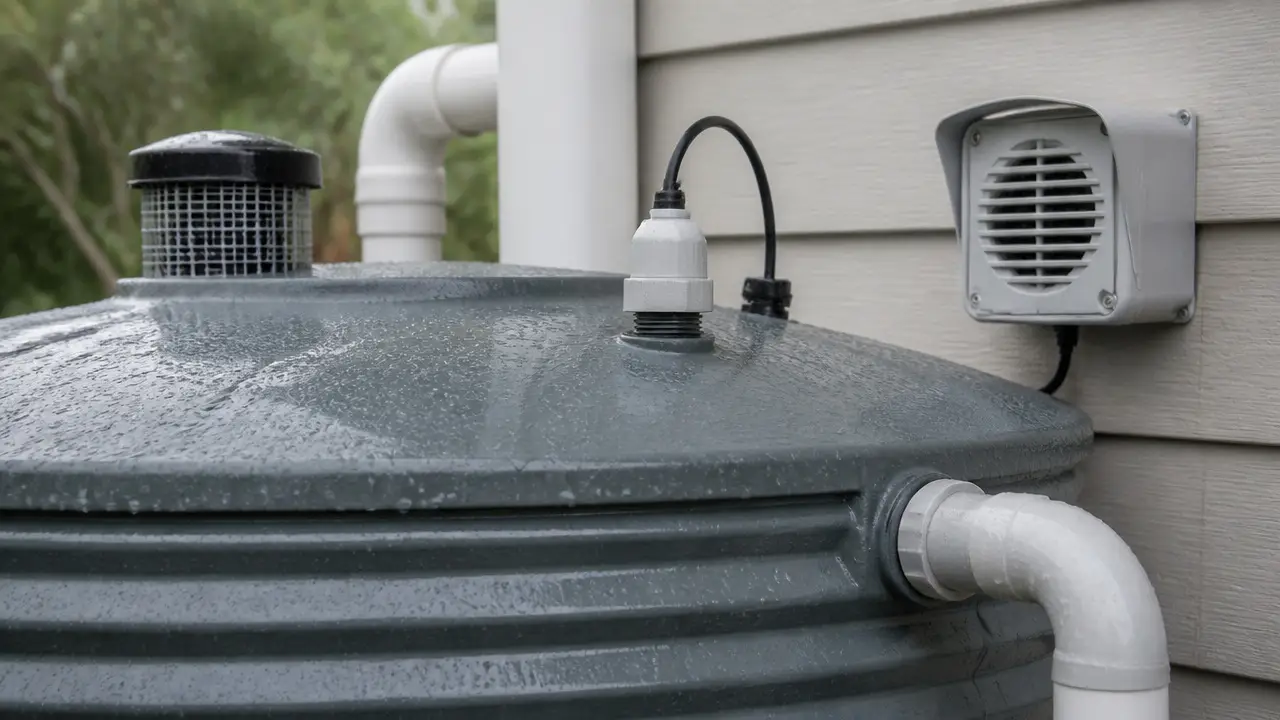
A dirty gutter can send fine particles into a rain barrel, IBC tote, or cistern.
Some material may settle at the bottom. Other particles may stay suspended or collect in filters, valves, hoses, and pumps.
More incoming debris usually means more maintenance later.
First-Flush Devices Can Fill Faster
A first-flush device diverts the first part of roof runoff away from storage.
That first runoff often carries more dust and debris from the roof.
If the roof and gutters contain a large amount of dirt or organic matter, the first-flush system may collect more debris and need attention more often.
Evaluate maintenance warning signs along the gutter run to understand gutter safeguards that keep downspouts flowing.
A first flush is only one part of a rainwater system. It does not make contaminated roof runoff automatically safe to drink.
Filters Can Clog
Leaves and fine debris can clog inlet screens and filters.
A clogged filter may reduce flow enough that rainwater spills out instead of entering the tank.
If your system uses a pump, dirty water may also increase the chance of blocked strainers or other problems downstream.
Stored Water May Smell Worse
Leaves and other organic matter can break down in stored water.
This can contribute to unpleasant odors, discoloration, and sludge.
Keeping large debris out of the collection system is usually easier than removing it after it reaches the tank.
Do Gutter Guards Mean You Never Have to Clean Gutters?
No.
Gutter guards can reduce the amount of large debris entering the gutter, but they do not make gutters maintenance-free.
Small particles can still enter. Leaves may collect on top of the guard. Downspout openings can still become blocked.
Some roof and guard combinations need more frequent inspection than others.
Check the system after storms and during seasons when trees are shedding heavily.
How Often Should You Clean Your Gutters?
There is no single schedule that works for every home.
A house with few nearby trees may need much less cleaning than a house under pine, oak, or other heavy-shedding trees.
It is sensible to inspect gutters regularly and pay extra attention:
- After large storms
- During heavy leaf fall
- After strong winds
- When you see overflow
- When a downspout slows down
- Before freezing weather
- Before relying heavily on stored rainwater
Rainwater harvesting systems may need more frequent checks because debris affects both drainage and water quality.
Signs Your Gutters Need Attention
You do not have to wait until the gutter is completely blocked.
Common warning signs include:
- Water spilling over the edge during rain
- Little or no water coming from a downspout
- Plants growing in the gutter
- Sagging gutter sections
- Water stains on fascia or siding
- Debris visible from the ground
- Standing water after the rain stops
- Rainwater storage filling more slowly than expected
- Frequent clogging of inlet screens or filters
If water continues to overflow after the gutter is cleaned, check the downspout and gutter slope as well.
Can You Clean Gutters Yourself?
Many low, easy-to-reach gutters can be routine maintenance jobs, but roof-edge work has fall risks.
Avoid leaning far from a ladder or climbing onto a wet or steep roof.
Stop and use a qualified professional when the gutter is difficult to reach, the roof is steep, electrical lines are nearby, the gutter is damaged, or safe access is uncertain.
If the gutter is pulling away from the building, simply removing leaves may not be enough. The mounting system or fascia may also need repair.
What About Gutters Used for Drinking Water Collection?
Roof-collected rainwater should not be assumed safe to drink.
Cleaning the gutters can reduce leaves and debris, but gutter cleaning by itself does not make rainwater potable.
Potable means suitable for drinking.
A system intended for drinking water needs to be treated as a complete water-safety system. That can include appropriate collection surfaces, debris control, first-flush management, suitable treatment stages, careful maintenance, current laboratory testing, and compliance with applicable local requirements.
If you plan to use rainwater for drinking, cooking, or similar household uses, qualified water-treatment guidance is a sensible part of system planning.
The Bottom Line
If gutters are never cleaned, debris slowly reduces their ability to carry rainwater away from the roof.
The result can be overflow, standing water, damaged gutter supports, wet building materials, pest problems, and poor drainage around the house.
For rainwater harvesting, neglected gutters also send more dirt and organic material into the storage system.
You do not need perfectly spotless gutters. You do need a clear path for water to move from the roof, through the gutter and downspout, and into a safe discharge point or properly designed storage system.
Frequently Asked Questions
What happens when gutters are completely clogged?
Water can overflow the gutter instead of reaching the downspout. It may run onto siding, roof edges, walkways, or soil near the foundation.
Can clogged gutters cause a roof leak?
They can contribute to water reaching roof-edge areas that are not meant to stay wet. Whether a leak develops depends on the roof design, condition, flashing, and other factors.
Can clogged gutters damage a foundation?
Overflowing gutters can place more roof runoff near the foundation. Repeated wetting may contribute to drainage, erosion, or moisture problems depending on the site and soil conditions.
Do gutter guards prevent clogged gutters?
They can reduce large debris, but they do not remove the need for maintenance. Fine material, seeds, leaves, and debris can still collect.
Why is my rain barrel not filling even though it is raining?
A clogged gutter, blocked downspout, dirty inlet screen, or improperly positioned diverter may be limiting flow into the barrel.
Can dirty gutters contaminate rainwater?
Dirty gutters can add more sediment, organic matter, animal waste, and other contaminants to collected runoff. Cleaning helps reduce debris but does not prove the water is safe to drink.
Is standing water in a gutter normal?
A small amount may remain because of gutter shape or minor imperfections, but persistent pools can indicate debris, sagging, poor slope, or a blocked outlet.
Should gutters be cleaned before winter?
In freezing climates, clearing debris before prolonged cold weather can reduce standing water and excess weight. It does not prevent every ice-related roof or gutter problem.