As an affiliate, we may earn a commission from qualifying purchases. We get commissions for purchases made through links on this website from Amazon and other third parties.
For most water filter setups, the sediment filter goes first and the carbon filter goes second.
The normal order is:
Water source → sediment filter → carbon filter → other treatment → outlet
The sediment filter catches dirt, rust, grit, and other particles before they reach the carbon. This helps keep the carbon from clogging too soon and gives it more time to do its main job.
Why the Sediment Filter Usually Goes First
A sediment filter is a mechanical filter. Water passes through small openings in the filter material. Larger particles get trapped.
Depending on the water source, those particles may include:
- Sand
- Silt
- Rust
- Pipe scale
- Dirt
- Small bits of organic material
A carbon filter works differently. Activated carbon has a very large internal surface area. Certain chemicals and compounds stick to that surface in a process called adsorption.
Carbon is commonly used to reduce substances that affect taste and odor. Some carbon filters are also certified to reduce specific chemicals or contaminants. Exactly what a filter can reduce depends on its design and certification.
If dirty water reaches the carbon first, sediment can fill spaces in the carbon cartridge and restrict water flow. Putting a sediment filter ahead of it removes much of that material first.
EPA documentation for multi-stage treatment systems also shows the common arrangement of incoming water passing through sediment filtration before activated carbon filtration.
What Each Filter Actually Does
Sediment and carbon filters should not be treated as interchangeable.
Sediment filter
A sediment filter mainly removes suspended particles.
It may make cloudy water look clearer and protect:
- Carbon cartridges
- Pumps
- Valves
- Faucets
- Irrigation equipment
- Reverse osmosis membranes
- Other fine filters
A sediment filter is often described by its micron rating. A micron is one-millionth of a meter.
A lower micron number means the filter can trap smaller particles, although filter construction and whether the rating is nominal or absolute also matter.
Carbon filter
A carbon filter contains activated carbon, often in granular or carbon-block form.
Depending on the filter, carbon may reduce:
- Chlorine
- Unwanted tastes
- Unwanted odors
- Certain organic chemicals
- Specific contaminants covered by the filter's certified claims
Carbon does not automatically remove every chemical or harmful microorganism. CDC notes that many common household carbon filters are mainly intended to improve taste and smell rather than make unsafe water microbiologically safe.
A Common Two-Stage Filter Setup
For a basic two-housing system, the usual arrangement is:
Stage 1: Sediment cartridge
Stage 2: Carbon cartridge
Water first loses much of its visible dirt and suspended material. It then enters the carbon cartridge in a cleaner condition.
This arrangement is useful for many municipal-water, well-water, cabin, and general household systems.
It can also be part of a rainwater system, but roof runoff usually requires more planning than simply adding these two cartridges.
What About Rainwater?
For collected rainwater, sediment filtration and carbon filtration are only parts of the system.
A typical path might look more like:
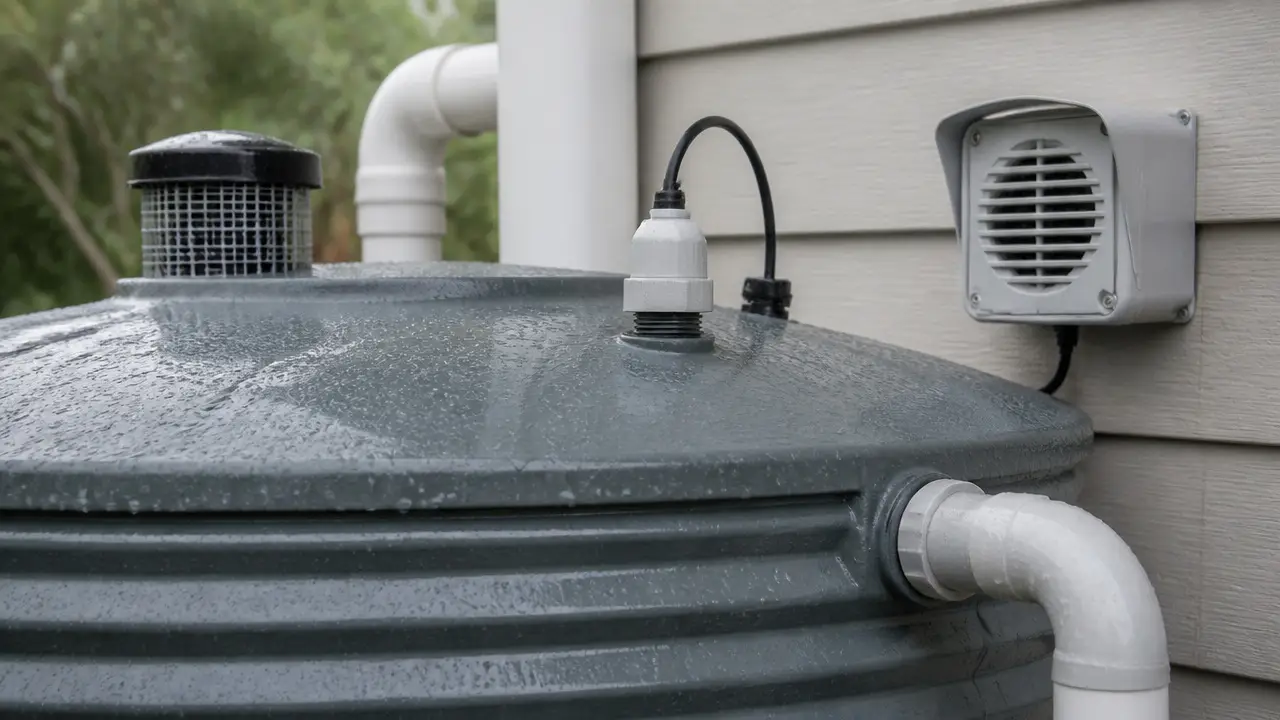
Roof → gutters → debris screening → first-flush or other pretreatment → tank → pump → sediment filtration → carbon filtration → treatment required for the intended use
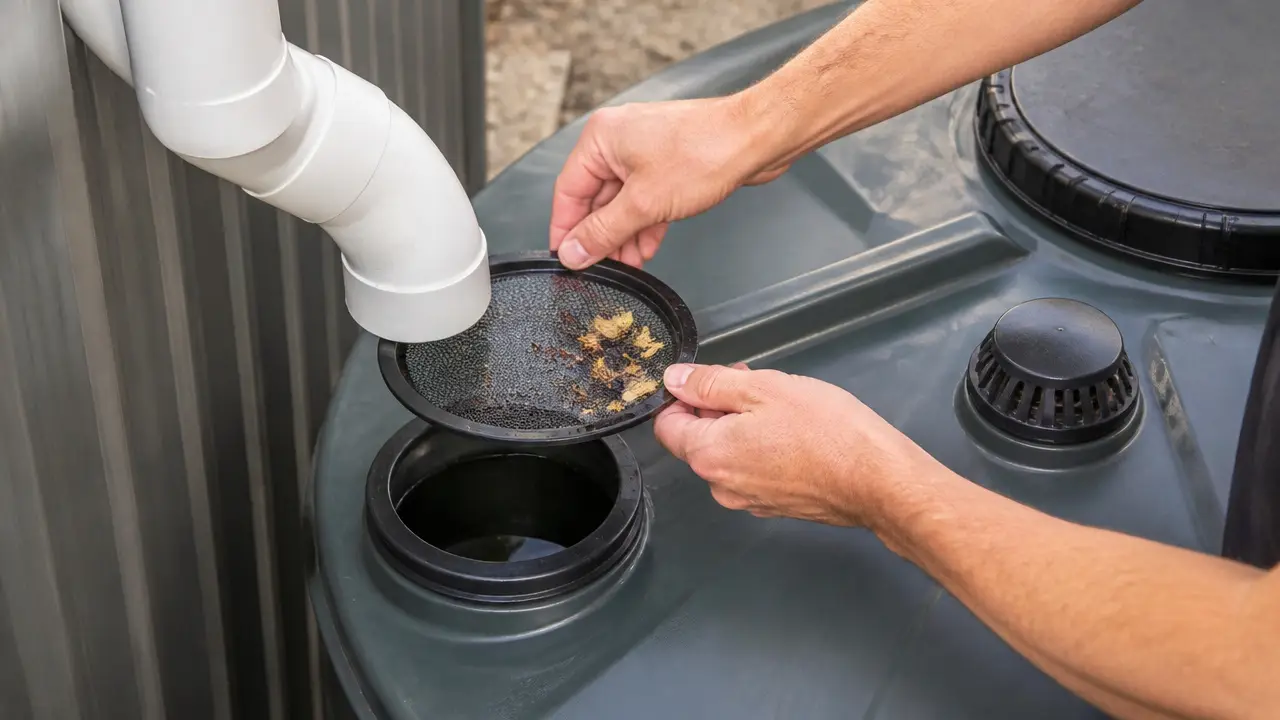
A first-flush device diverts some of the initial roof runoff so that part of the dust, droppings, and debris washed from the roof does not immediately enter the storage tank.
Even with screens and first-flush control, stored rainwater can contain fine sediment, microorganisms, dissolved substances, and other contaminants.
That is why a sediment-plus-carbon setup should not be assumed to make collected rainwater drinkable.
For drinking-water use, treatment should be designed around the actual water quality and contamination risks. CDC recommends testing the water and choosing treatment that addresses the specific germs or chemicals of concern.
A drinking-water rainwater system may require suitable collection surfaces, pretreatment, filtration, disinfection or other treatment, current laboratory testing, regular maintenance, and compliance with applicable local requirements.
Should You Use a Coarse and Fine Sediment Filter?
Sometimes one sediment stage is enough. Dirtier water may benefit from more than one.
For example:
Coarse sediment → finer sediment → carbon
The coarse cartridge catches larger particles before they reach the finer filter. The finer cartridge then protects the carbon.
This can make sense when a tank regularly carries visible sediment or when cartridges are plugging quickly.
Do not automatically choose the smallest micron rating available. A very fine cartridge can cause a large pressure drop and may clog quickly if the incoming water contains lots of dirt.
The right choice depends on:
- Amount of sediment
- Particle size
- Required flow rate
- Pump pressure
- Filter housing size
- Equipment downstream
Where Should Carbon Go in a Reverse Osmosis System?
Explore practical considerations for carbon filters remove rainwater contaminants to verify a confirmation step tailored to the possible contamination source.
Many reverse osmosis systems use several stages rather than only two.
A common arrangement is:
Sediment → carbon → reverse osmosis membrane → optional post-carbon
The sediment stage protects the carbon and membrane from particles.
The carbon stage may also protect certain RO membranes from chlorine. Whether that is necessary depends on the membrane and the incoming water.
A post-carbon filter may be installed after the storage tank to improve final taste and odor.
Follow the treatment system manufacturer's specified cartridge order rather than rearranging an RO system yourself.
Can Carbon Ever Go Before Sediment?
It is possible for a manufacturer to design equipment in another order, but that is not the normal arrangement for separate household sediment and carbon cartridges.
There are also combination cartridges that contain several types of media in one filter. Their internal treatment sequence is part of the cartridge design.
If your system has labeled housings or a manufacturer-specified flow direction, follow those instructions.
Do not reverse cartridge order simply because both cartridges fit the same housing.
Pay Attention to Flow Direction
Filter housings usually have an inlet and an outlet.
Installing cartridges in the right order will not help if the housings themselves are plumbed backward.
Look for markings such as:
- IN
- OUT
- FLOW
- Direction arrows
Also check the cartridge requirements. Some cartridges work in either direction, while others are designed for a specific water path.
Watch for Pressure Loss
Every filter adds resistance to water flow.
A clean cartridge may cause little noticeable change. As it fills with sediment, resistance increases.
Possible signs of a clogged cartridge include:
- Lower faucet pressure
- Weak irrigation flow
- A pump running longer
- A large pressure difference across the filter
- Reduced flow from the entire system
If pressure drops quickly after installing a fine sediment filter, the cartridge may be too restrictive for the water quality or required flow.
A larger filter housing, additional prefiltration, or a coarser first stage may be more suitable than simply replacing the same cartridge over and over.
Replace Filters Based on Conditions, Not Appearance Alone
Sediment filters often become visibly dirty. Carbon cartridges may look almost unchanged even when their useful capacity is being exhausted.
Follow the cartridge manufacturer's replacement instructions.
Replacement frequency can depend on:
- Gallons treated
- Sediment load
- Contaminant concentration
- Water chemistry
- Flow rate
- Time in service
CDC also stresses that water filters need regular maintenance. Poorly maintained filters can lose effectiveness and may allow microbial growth.
For rainwater systems, also inspect and maintain the parts before the cartridges. Cleaning gutters, screens, tank inlets, and accumulated tank sediment can reduce the amount of material your filters have to handle.
The Simple Rule
When you have separate sediment and carbon filters, start with:
Sediment first. Carbon second.
The sediment stage removes particles that could clog or foul the carbon. The carbon then handles the substances it was designed and certified to reduce.
Add other treatment stages according to the water source and intended use rather than assuming these two filters solve every water-quality problem.
Frequently Asked Questions
Does a sediment filter go before or after a carbon filter?
A sediment filter normally goes before the carbon filter. It removes dirt, rust, sand, and other particles that could clog the carbon cartridge.
What happens if I put the carbon filter first?
The system may still pass water, but sediment can foul the carbon more quickly. That can shorten cartridge life and reduce flow.
What micron sediment filter should go before carbon?
There is no single micron rating that fits every system. The right size depends on the amount and size of sediment, required flow, pressure, and the requirements of the equipment downstream. Very fine filters may clog quickly when the incoming water is dirty.
Can a sediment and carbon filter make rainwater safe to drink?
Not by themselves. These filters may remove particles and certain chemicals, tastes, or odors, but they do not provide a complete drinking-water treatment system. Drinking-water use requires treatment based on the actual contamination risks, appropriate testing, maintenance, and applicable local requirements.
Does carbon remove sediment?
Carbon cartridges may physically trap some particles, but sediment removal is not the main reason for using activated carbon. A dedicated sediment stage is usually better for protecting the carbon.
Should carbon go before or after a UV system?
System design matters, but UV treatment generally works best with water that has already been adequately filtered because suspended material can interfere with UV treatment. Follow the UV manufacturer's water-quality requirements and installation order. UV should not be treated as a substitute for the other treatment stages required for the water source.
Can I use two sediment filters before the carbon filter?
Yes. Water with a high particle load may benefit from a coarse sediment filter followed by a finer one before the carbon stage. The filters still need to provide enough flow and pressure for the rest of the system.